
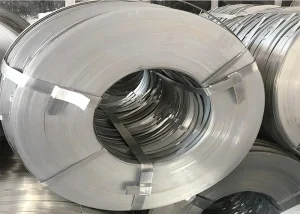
SS Plate Processing——Water Jet Cutting
- Home
- Products
- Metal Processing
- SS Plate Processing——Water Jet Cutting
Basic Info
Description
Water jet cutting is a material processing technology leveraging high-pressure water flow and abrasives to cut through various materials. This technique entails propelling high-pressure water flow through a nozzle at exceptional velocities, simultaneously introducing abrasives to form a water jet flow. The resulting high-speed impact on the material surface achieves the desired cutting effect. Renowned for its rapid cutting speed, elevated processing accuracy, and absence of thermal impact on materials, water jet cutting finds widespread utility across metal, glass, stone, rubber, and other material processing domains.
Water JetCutting Methods
- Water jet cutting encompasses several methodologies:
- Pure Water Cutting: Solely employing high-pressure water flow for cutting, suitable for softer materials like rubber and foam.
- Abrasive Water JetCutting: Introducing abrasives into the high-pressure water flow to augment cutting capabilities, ideal for harder materials such as metal, glass, and ceramics.
- Mixed WaterJet Cutting: Incorporating air, oxygen, or other gases into the high-pressure water flow to form a mixed airflow, enhancing cutting efficacy for specific materials or processing needs.
- Water Jet Cleaning: Employing high-pressure water flow during the cutting process to cleanse the cutting parts, minimizing the need for secondary processing post-cutting. Selection among these waterjet cutting methods hinges upon material characteristics and processing requisites to optimize processing outcomes.
Process Flow
The process entails utilizing high-pressure water flow and abrasives to cut stainless steel plates, harnessing the kinetic energy generated by high-speed water flow for cutting.
Features
Water jet cutting is distinguished by its swift cutting speed, cost-effectiveness, and minimal thermal impact on the material.
Advantages
This method is well-suited for a variety of stainless steel plates in terms of material composition and thickness. Notably, it avoids thermal deformation or oxidation during cutting, yielding smooth cuts.
Challenges and Solutions
Several challenges are encountered in water jet cutting, each necessitating tailored solutions:
Slow Cutting Speed: Higher water pressure and optimized cutting parameters expedite the cutting process. Deployment of additional devices further enhances productivity.
Surface Roughness and Burrs: Optimization of cutting head design, meticulous control over cutting speed and pressure, nozzle angle adjustments, along with judicious use of abrasives and coolants, mitigate these issues. Post-processing steps such as grinding and polishing enhance cutting surface quality, supplemented by manual inspection and polishing.
Limited Cutting Accuracy: Precision waterjet cutting machines, optimized cutting path planning, automated control, and monitoring systems bolster cutting accuracy. Frequent dimensional deviation checks during order execution ensure adherence to specifications.
Large Abrasive Consumption: Optimization of abrasive type and usage, control over abrasive flow and supply speed, alongside abrasive recycling measures, mitigate consumption, reducing processing costs.
Processing Noise and Wastewater Management: Regular equipment maintenance diminishes operational noise. Adoption of environmentally friendly coolants and cooling systems, coupled with wastewater treatment and recycling practices, align with environmental standards, albeit with additional costs.
Scope of Application
Primarily employed for precision cutting of thin to medium-thickness plates, water jet cutting finds extensive application in construction, shipbuilding, advertising production, and various other sectors.

