
SS Plate Processing——Laser Cutting
- Home
- Products
- Metal Processing
- SS Plate Processing——Laser Cutting
Basic Info
Definition
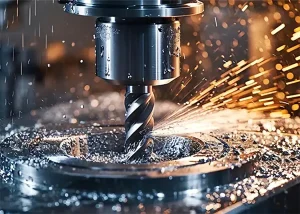
Laser cutting constitutes a high-precision material processing technique wherein laser beams are deployed to impart thermal energy onto the material’s surface, inducing partial melting or vaporization. This process facilitates cutting, engraving, or marking of the material. Focused through a lens, the laser beam attains a high energy density at its focal point, elevating the material to its melting or vaporization threshold. Subsequently, auxiliary gas aids in the expulsion of the molten or vaporized material, effectuating the desired cut.
Process Flow
Precise cutting of stainless steel plates is achieved through the controlled manipulation of the laser beam’s focus position and intensity.
Features
Laser cutting is distinguished by its rapid cutting speed, exceptional precision, minimal heat-affected zone, and impeccably smooth cutting surface.
Advantages
This technique is well-suited for stainless steel plates of diverse shapes and sizes, boasting superior cutting accuracy. Notably, it obviates the need for mechanical contact, thereby mitigating the risk of deformation or burrs.
Defects and Solutions
During laser cutting, several edge defects may arise, including cutting slag, carbon black residue, burrs, and stubbornly thick holes. Addressing these issues is imperative to uphold product quality and enhance production efficiency.
- Cutting Slag: Optimization of cutting parameters coupled with meticulous control of gas flow rate and pressure diminishes the generation of cutting slag. Routine cleaning of the cutting area and utilization of specialized slag removal equipment further mitigate its accumulation.
- Carbonized Black Residue: Adjustments to laser power and focal length, alongside regulated heat distribution, serve to curtail carbonized black residue formation. Augmenting gas protection measures, such as oxygen supplementation, proves effective in reducing carbonization occurrences.
- Burrs: Optimization of cutting parameters, including control over cutting speed and focal length, effectively minimizes burr formation. Additionally, employing high-quality optical lenses and post-processing techniques like deburring significantly reduces burr occurrence.
- Persistent Residue in Thick Holes: Employing layer-by-layer cutting or localized heating techniques ensures complete removal of residue from particularly thick holes. Pre-processing measures, such as edge pre-conditioning, contribute to the enhanced quality and integrity of these holes.
Scope of Application
Laser cutting finds extensive utility across diverse sectors including automobile manufacturing, electronics, and aerospace industries. Its efficacy is particularly pronounced in processing parts necessitating intricate shapes and stringent precision standards.