
Introduction
Curious why Schedule 120 tubes excel in demanding industrial applications? Whether in oil and gas, petrochemical processes, or power generation, understanding these tubes’ unique features and benefits is crucial. This guide covers 10 essential facts about Schedule 120 tubes, showcasing their excellence in high-pressure and high-temperature environments. From robust specifications to versatile applications, learn why Schedule 120 tubes are vital in many critical industries. Read on to discover everything about these indispensable components.
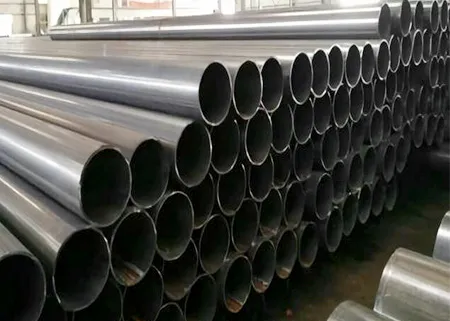
What Is Schedule 120 Tubes?
Schedule 120 tubes are high-strength steel pipes for demanding applications. Known for thick walls, these tubes handle high-pressure environments. They range from 4 to 24 inches in size. Made from carbon, stainless, and alloy steel, they meet industry standards. Suitable for oil, gas, petrochemical, and power generation sectors. Their robust construction ensures reliability in challenging conditions.
How Does Wall Thickness Affect Sch 120 Steel Tubes?
Wall thickness is crucial for Schedule 120 tubes. Thick walls provide enhanced strength and durability. They withstand high pressures and temperatures. Suitable for demanding industrial applications like oil and gas. Wall thickness affects weight, flow capacity, and mechanical stress resistance. Also influences corrosion resistance.
| Nominal Size (inches) | Outer Diameter (OD) (inches) | Wall Thickness (inches) | Inner Diameter (ID) (inches) | Weight (lbs/ft) |
| 4 | 4.500 | 0.337 | 3.826 | 14.98 |
| 6 | 6.625 | 0.432 | 5.761 | 28.57 |
| 8 | 8.625 | 0.500 | 7.625 | 42.53 |
| 10 | 10.750 | 0.593 | 9.564 | 60.63 |
| 12 | 12.750 | 0.687 | 11.376 | 79.79 |
| 14 | 14.000 | 0.750 | 12.500 | 96.47 |
| 16 | 16.000 | 0.843 | 14.314 | 121.75 |
| 18 | 18.000 | 0.937 | 16.126 | 149.40 |
| 20 | 20.000 | 1.031 | 17.938 | 179.42 |
| 24 | 24.000 | 1.219 | 21.562 | 246.70 |
Schedule 120 Tube Wall Thickness Data Sheet
What Materials Are Used in Schedule 120 Tubes?
Schedule 120 tubes use various materials. Common materials include carbon steel, stainless steel, and alloy steel. Each material offers unique properties for different applications.
| Material Type | Grade | Key Properties | Common Applications |
| Carbon Steel | ASTM A106 Grade B | High strength, good weldability, moderate resistance to corrosion | Oil and gas pipelines, structural applications |
| ASTM A53 Grade B | Good mechanical properties, cost-effective | Water and gas transportation, structural uses | |
| API 5L Grade B | High toughness, excellent strength | Oil and gas transmission lines | |
| Stainless Steel | ASTM A312 TP304 | Excellent corrosion resistance, high temperature strength | Chemical processing, food industry, medical devices |
| ASTM A312 TP316 | Enhanced corrosion resistance, especially against chlorides | Marine environments, chemical processing | |
| ASTM A312 TP321 | Good creep strength, resistant to intergranular corrosion | High-temperature chemical processing | |
| Alloy Steel | ASTM A335 P5 | High temperature and pressure resistance | Power generation, petrochemical plants |
| ASTM A335 P9 | Excellent strength at high temperatures, good weldability | Refinery services, high-pressure systems | |
| ASTM A335 P22 | High creep strength, excellent durability | Boilers, heat exchangers, pressure vessels |
Materials and Grades Used in Schedule 120 Tubes
What Is the Pressure Rating for Schedule 120 Tubes?
Pressure rating is crucial for Schedule 120 tubes. Thick walls handle higher internal pressures. Influenced by material, wall thickness, and temperature.
| Nominal Size
(inches) |
Outer Diameter (OD)
(inches) |
Wall Thickness
(inches) |
Material Grade | Pressure Rating
(psi) |
| 4 | 4.500 | 0.337 | ASTM A106 Grade B | 2500 |
| 6 | 6.625 | 0.432 | ASTM A106 Grade B | 2000 |
| 8 | 8.625 | 0.500 | ASTM A106 Grade B | 1800 |
| 10 | 10.750 | 0.593 | ASTM A106 Grade B | 1600 |
| 12 | 12.750 | 0.687 | ASTM A106 Grade B | 1400 |
| 14 | 14.000 | 0.750 | ASTM A335 P5 | 1350 |
| 16 | 16.000 | 0.843 | ASTM A335 P5 | 1300 |
| 18 | 18.000 | 0.937 | ASTM A335 P5 | 1200 |
| 20 | 20.000 | 1.031 | ASTM A335 P5 | 1100 |
| 24 | 24.000 | 1.219 | ASTM A312 TP304 | 1000 |
Schedule 120 Tube Pressure Rating Data Sheet
What Is the Temperature Rating for Sch 120 Steel Tubes?
Temperature rating is essential for Schedule 120 tubes. Determines ability to withstand high temperatures. Influenced by material composition and thermal stress resistance. Helps select appropriate tubes for high-temperature applications.
| Material Grade | Nominal Size (inches) | Maximum Operating Temperature (°F) |
| ASTM A106 Grade B | 4 – 24 | 750 |
| ASTM A53 Grade B | 4 – 24 | 650 |
| API 5L Grade B | 4 – 24 | 650 |
| ASTM A312 TP304 | 4 – 24 | 1500 |
| ASTM A312 TP316 | 4 – 24 | 1600 |
| ASTM A312 TP321 | 4 – 24 | 1650 |
| ASTM A335 P5 | 4 – 24 | 1200 |
| ASTM A335 P9 | 4 – 24 | 1250 |
| ASTM A335 P22 | 4 – 24 | 1250 |
Schedule 120 Tube Temperature Rating Data Sheet
This table provides a detailed overview of the nominal sizes, material grades, and maximum operating temperatures for Schedule 120 tubes. Each material grade is designed to perform under specific temperature conditions:
Carbon Steel (ASTM A106 Grade B, ASTM A53 Grade B, API 5L Grade B): Suitable for moderate temperature applications, with maximum operating temperatures ranging from 650°F to 750°F.
Stainless Steel (ASTM A312 TP304, ASTM A312 TP316, ASTM A312 TP321): These grades offer excellent performance in high-temperature environments, with maximum operating temperatures ranging from 1500°F to 1650°F.
Alloy Steel (ASTM A335 P5, ASTM A335 P9, ASTM A335 P22): Known for their high-temperature strength, these grades can withstand temperatures up to 1250°F.
Which Standards and Specifications Do Schedule 120 Tubes Meet?
Schedule 120 tubes meet specific industry standards. Ensure strength, durability, and performance. Standards outline material composition, mechanical properties, and dimensions.
| Standard/Specification | Description | Scope | Size Specifications |
| ASTM A106 | For Seamless Carbon Steel Pipe for High-Temperature Service | Covers seamless carbon steel pipe for high-temperature service suitable for bending, flanging, and similar forming operations. | – Outer Diameter: 0.125″ to 24″
– Wall Thickness: Schedule 120 values as specified |
| ASTM A53 | For Pipe, Steel, Black and Hot-Dipped, Zinc-Coated, Welded and Seamless | Covers seamless and welded black and hot-dipped galvanized steel pipe in NPS 1/8 to NPS 26. | – Outer Diameter: 0.125″ to 24″
– Wall Thickness: Schedule 120 values as specified |
| API 5L | For Line Pipe | Covers seamless and welded steel line pipe. Suitable for conveying gas, water, and oil in both the oil and natural gas industries. | – Outer Diameter: 2.375″ to 24″
– Wall Thickness: Schedule 120 values as specified |
| ASTM A312 | For Seamless, Welded, and Heavily Cold Worked Austenitic Stainless Steel Pipes | Covers seamless, straight-seam welded, and heavily cold worked welded austenitic stainless steel pipe intended for high-temperature and general corrosive service. | – Outer Diameter: 0.25″ to 24″
– Wall Thickness: Schedule 120 values as specified |
| ASTM A335 | For Seamless Ferritic Alloy-Steel Pipe for High-Temperature Service | Covers seamless ferritic alloy-steel pipe for high-temperature service. | – Outer Diameter: 0.125″ to 24″
– Wall Thickness: Schedule 120 values as specified |
| ASME B36.10M | Welded and Seamless Wrought Steel Pipe | Provides the standard for the dimensions and weights of wrought steel pipes. | – Dimensions: Specified for various nominal sizes and schedules, including Schedule 120 |
| ASME B36.19M | Stainless Steel Pipe | Provides the standard for the dimensions of stainless steel pipes. | – Dimensions: Specified for various nominal sizes and schedules, including Schedule 120 |
| ISO 3183 | Petroleum and natural gas industries – Steel pipe for pipeline transportation systems | Specifies requirements for the manufacture of two product specification levels (PSL 1 and PSL 2) of seamless and welded steel pipes. | – Outer Diameter: 0.405″ to 24″
– Wall Thickness: Schedule 120 values as specified |
| NACE MR0175/ISO 15156 | Petroleum and natural gas industries – Materials for use in H2S-containing environments in oil and gas production | Specifies the materials, heat treatments, and testing for steel pipes used in H2S-containing environments. | – Size: Based on applicable material standards with specific hardness and composition requirements |
Standards and Specifications for Schedule 120 Tubes
This table provides an overview of the key standards and specifications that Schedule 120 tubes must meet, including specific size and dimensional values. Compliance with these standards ensures that the tubes are manufactured to the highest quality, providing reliability and safety in critical industrial applications.
What Are the Common Applications of Schedule 120 Tubes?
- High-pressure Systems: Ensuring safe and efficient operation under extreme conditions.
- Oil and Gas Industry: Reliable performance in exploration, drilling, and production.
- Power Generation: Withstanding high temperatures and pressures in power plants.
What Is the Manufacturing Process for Schedule 120 Tubes?
Manufacturing involves several precise steps. Ensures tubes meet stringent quality standards. Includes material selection, heating, and piercing. Also includes elongation, sizing, cooling, and straightening. Further steps include cutting, heat treatment, and inspection. Uses advanced machines and technology.
| Step | Machine Used | Critical Points |
| Material Selection | None (manual process) | Select high-quality raw materials |
| Heating | Furnace | Uniform heating to required temperature |
| Piercing | Piercing Mill | Even piercing to avoid defects |
| Elongation | Elongator or Stretch Reducing Mill | Maintain consistent wall thickness |
| Sizing | Sizing Mill | Achieve precise dimensions |
| Cooling | Cooling Bed | Controlled cooling to avoid thermal stresses |
| Straightening | Straightening Machine | Ensure tubes are straight |
| Cutting | Cutting Machine (Saw) | Clean and accurate cuts |
| Heat Treatment | Heat Treatment Furnace | Enhance mechanical properties |
| Inspection and Testing | Various testing equipment | Perform non-destructive tests |
| Finishing | Finishing Line | Surface treatment for corrosion resistance |
| Marking and Packaging | Marking Machine, Packaging Line | Proper marking and secure packaging |
Manufacturing Process Steps for Schedule 120 Tubes
What Customization Options Are Available?
Customization options available for specific needs. Includes dimension adjustments, material choices, and surface treatments. Ensures tubes fit project requirements.
| Customization Option | Details |
| Dimensions | Outer Diameter, Wall Thickness, Length |
| Material Choices | Carbon Steel (ASTM A106, A53, API 5L), Stainless Steel (ASTM A312 TP304, TP316, TP321), Alloy Steel (ASTM A335 P5, P9, P22) |
| Surface Treatments | Galvanizing, Pickling and Passivation, Painting and Coating |
| End Finishes | Plain Ends, Beveled Ends, Threaded Ends |
| Additional Processing | Heat Treatment, Machining, Drilling and Boring |
| Certification and Testing | Non-Destructive Testing (NDT), Material Certification |
Customization Options Overview Table
How Do We Ensure Quality Assurance of SCH 120 Tubes?
Quality assurance is paramount for performance and reliability. Comprehensive QA process covers all manufacturing stages. From material selection to final inspection.
| Step | Description | Critical Points |
| Material Selection and Verification | High-quality raw materials are selected based on stringent criteria. | Verify material certifications, perform chemical and mechanical tests. |
| In-Process Inspection | Continuous monitoring and inspection during manufacturing. | Regular checks for dimensions, wall thickness, and surface quality. |
| Non-Destructive Testing (NDT) | Techniques like ultrasonic, radiographic, and magnetic particle inspection. | Detect internal and surface defects without damaging tubes. |
| Destructive Testing | Mechanical tests like tensile, impact, and hardness testing. | Assess strength, ductility, and toughness. |
| Dimensional Inspection | Detailed measurement of tube dimensions. | Use of calipers, micrometers, and CMM for accurate measurements. |
| Hydrostatic Testing | Pressure testing to ensure tubes withstand specified pressures. | Apply pressure higher than operational limits to verify integrity. |
| Heat Treatment Verification | Ensure proper heat treatment processes. | Monitor furnace temperatures and times, perform hardness and microstructure analysis. |
| Surface Finish Inspection | Examination of surface finish. | Visual inspection and use of surface profilometers. |
| Final Inspection | Comprehensive final inspection before dispatch. | Verify all specifications and ensure tubes are defect-free. |
| Documentation and Certification | Provide necessary documentation and certifications. | Material test reports, compliance certificates, and inspection reports. |
Quality Assurance Overview Table
Why Choose Our Schedule 120 Tubes?
Choosing the right Schedule 120 tubes is crucial. Ensures performance, reliability, and safety. Our tubes offer superior quality and customization options. Here are several compelling reasons to choose our Schedule 120 tubes:
- Superior Material Quality
- Precision Manufacturing
- Customization Options
- Comprehensive Quality Assurance
- Industry Compliance
- Expertise and Experience
- Global Reach
- Sustainability Practices
Related Articles
Schedule 20 Vs. Schedule 40 – The Key Differences You Must Know!