
Introduction
The oil and gas industry works in the harsh environments. This industry needs equipment that can withstand everything. Be it severe temperatures, high pressures, or corrosive conditions!
Steel is robust and versatile. That makes it a must-have for the upstream oil and gas industry. This material is used at every stage of oil and gas exploration. It finds application from initial exploration to final extraction and transportation.
Today, we’ll look at the intriguing world of upstream operations. We’ll also cover the 15 critical applications where steel excels. So, get ready to learn. This simple mineral is the foundation of this crucial sector!
Overview of Upstream Oil and Gas Operations
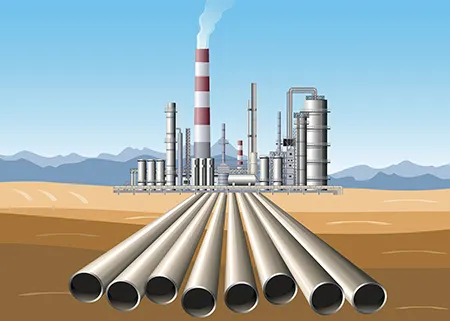
The demand for energy fuels will never end. It includes many upstream oil and gas operations. This sector is at the heart of our energy supply chain. It finds, drills, and moves these vital resources up. Think of this as a treasure hunt. But, instead of gold coins, companies look for secret pockets of oil and gas below the Earth’s crust.
Exploration
Here’s when the detective work begins. Geologists and geophysicists use cutting-edge equipment like seismic surveys to find “treasure troves.” These are locations with promising formations that might contain oil and gas. Imagine sending sound waves deep into the soil. Then, evaluate the echoes to map out possible reserves.
Drilling
When a promising region is located, drilling begins. Here is where the heavy artillery arrives. They are gigantic drilling rigs. They serve as our advanced pickaxes. Engineers design and run these rigs to dig deep wells in specific areas. They let us confirm the presence of oil or gas and assess if it is worth drilling. Consider it as carefully puncturing the Earth’s crust to reveal what lies beneath.
Production
Finally, if the “treasure chest” proves successful, production begins. This step involves taking oil and gas from the reservoir through the wellbore. Then, we process it to remove contaminants and split it into functional parts. Imagine a complex filter and separator. It changes raw materials into valuable fuels.
| Stage of Upstream Operations | Application | Function of Steel |
| Exploration | Seismic Survey Equipment | Durability and maneuverability in harsh environments |
| Drilling | Drill Pipes & Well Casings | Withstand pressure and high temperatures during drilling |
| Production | Offshore Platforms & Rigs | Support heavy equipment and personnel, withstand harsh weather |
Steel is used extensively throughout these stages. It is the foundation for infrastructure and equipment. Moreover, it assures them that they will be reliable and safe. It spans from the vast drilling rigs to the complex pipes. They move the harvested resources. Steel’s strength and versatility are the unsung heroes of this energy revolution.
What Are the Properties of Steel for Upstream Applications?
Have you ever wondered how the massive oil rig stays upright in the ocean? How does it endure the constant hammering of waves? Or, how do long-distance pipelines move oil and gas safely and well? The solution to each of these challenges lies in a standard material, which is steel.
Materials must survive harsh conditions during exploration, drilling, and production. It is critical to the success of upstream activities. Steel has many vital properties. They make it well-suited for many uses.
Strength and Durability Under High Pressure and Temperature Conditions
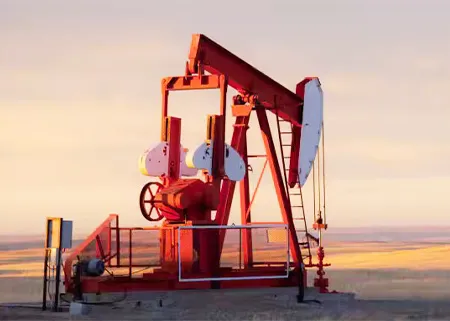
In high-pressure and high-temperature environments, steel is solid and durable. It has an incredible strength-to-weight ratio. This lets it withstand enormous pressures in deep wells and pipelines. This strength is critical. It maintains the structure of wellbores, pipelines, and pressure vessels. Also, steel can handle high temperatures linked to hydrocarbon production. It prevents significant breakdowns.
Corrosion Resistance in Harsh Environments
Upstream operations may include contact with corrosive components. These include saltwater and formation fluids containing acidic gases (like hydrogen sulfide). They may also include produced water itself. Steel formulations can have corrosion-resistant characteristics. Protective materials can also coat steel components. Examples are galvanization and epoxy linings. These coatings improve steel’s corrosion resistance in harsh environments.
Weldability and Formability for Fabrication and Construction
Steel has good weldability and formability when making things. This lets it make strong, leak-proof joints. Those joints are essential for pipelines, pressure tanks, and other vital parts. It allows for connecting steel pieces during construction. It ensures the system’s structural integrity. Steel is very formable. You can shape it into the many configurations required for a wide range of uses. This trait is helpful in designing components. They need shapes that work well with many kinds of upstream equipment.
Availability and Cost-Effectiveness
Steel is common and cheap. It is more so than other high-performance options. Cost-effectiveness is required for large-scale upstream projects and infrastructure expansion.
15 Critical Applications of Steel in Upstream Oil and Gas Operations
There is no question about Steel’s dominance in the upstream oil and gas industry. Its distinct qualities make it the top material for many vital uses. They range from exploration to production. Here’s a detailed look at 15 such applications:
Drill Rigs and Platforms
Steel is standard in the frames and supports. Large offshore and onshore drilling structures use these. It’s also used in their drilling equipment. Steel is strong. It ensures the rigs can bear heavy gear, fluids, and harsh weather. It also ensures they can handle the moving forces in drilling. The main derrick structure supports the drill string and related equipment. It consists of high-grade steel with excellent tensile strength. Selecting steel grades for drilling rigs and platforms is a big decision. It is based on many criteria, including:
- The steel must be strong. It must hold up the weight of the drilling equipment and the platform. It must also resist the stresses of drilling.
- For land-based mobile rigs, weight becomes an important consideration. Advanced high-strength steels(AHSS) may give the needed strength. They can do so while cutting weight. It will allow for efficient mobility.
- The expanding trend of deepwater exploration needs lighter but more sturdy platforms. Composite structures mix steel with high-performance materials, such as carbon fiber. They offer potential ways to achieve this strength-to-weight balance.
Casing and Tubing
Steel casing lines the wellbore. This prevents it from collapsing during drilling. It keeps fluids from entering the annulus. Steel tubing positioned within the casing serves as a conduit for oil and gas flow to the surface. Designers create steel grades with unique qualities for these applications. They handle downhole challenges.
- The casing must resist collapse. It must be sturdy enough to handle the formation pressure. It prevents wellbore collapse. Designers have developed high-strength, collapse-resistant steels (HSCR) for this application.
- High temperatures expose deep wells. This heat can reduce steel strength. So, we make particular “high-temperature” steel types. They keep their strength at high temperatures.
- The design of the connection is a crucial issue. It is where the casing and tubing often fail. Threaded and linked connections rely on the steel’s strength and thread design. They create a leak-proof, high-pressure seal. Advancements in connection technology have improved wellbore. For example, the creation of premium threaded connections increases integrity.
Wellheads
Wellheads are the key interfaces at the top of the wellbore. They guide and control production fluids. Manufacturers build steel wellheads to handle high pressures. They come fitted with valves and other parts to control flow. They also prevent uncontrolled releases and help with intervention when needed.
- Wellheads are designed to handle the high pressures of produced fluids. They are for pressure control. Steel is chosen based on factors such as yield strength and pressure rating. This choice ensures wellheads can resist harsh conditions.
- Depending on the production environment, different steel grades may be used. For wells with high H2S, we use specific steels. They have higher resistance to H2S embrittlement. Also, improvements in clad materials help. These materials have a corrosion-resistant covering bonded to a high-strength steel core. They provide an effective solution for wellheads exposed to hostile conditions.
Pipelines and FlowLines
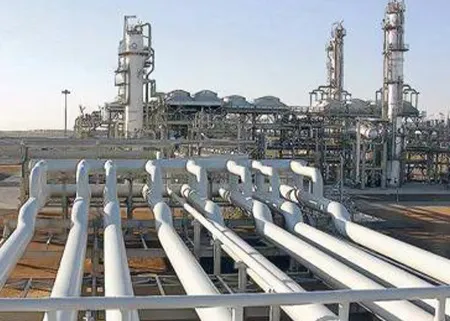
Steel pipelines are the upstream sector’s arteries. They carry oil and gas from wells to processing facilities. Their ability to endure tremendous pressure sets them apart. They can survive being buried underground or laid on the seabed. This makes them the ideal choice for long-distance transit.
Steel pipelines come in many grades. The grades are based on the pipe’s diameter, pressure needs, and the conveyed fluid. API 5L is a standard grade for general-purpose pipelines. HSLT steels are strong and used for low-temperature applications. These applications involve fluids like natural gas.
Ensuring pipeline integrity throughout their operating life is critical. Pipeline inspection instruments include intelligent pigs (in-line inspection devices). They detect possible flaws, such as fractures or corrosion. Regular maintenance programs are based on these exams. They ensure that pipes operate safely and reliably.
The industry is now focused on “smart pipelines.” These use sensors to monitor pressure, temperature, and strain in real time. This information can be used for early diagnosis of issues and preventive maintenance. It will improve pipeline safety and make them last longer.
Storage Tanks and Vessels
Storage tanks and vessels contain crude oil and water. They also hold other fluids. These fluids are from various stages of upstream activities. Steel provides the strength and durability to retain these fluids. It can do so even under pressure. Special steel grades can also be used for tanks. They store very corrosive fluids, such as water with high H2S or cryogenic fluids.
The type of fluid to be held determines the steel used in storage tanks. For crude oil storage, conventional carbon steel grades are frequently adequate. However, to store very corrosive fluids, like water with lots of H2S, we use special steel. Duplex stainless steel is an example of steel with better corrosion resistance.
Storage tanks are subject to many environmental standards. These rules govern how to manage emissions. Steel tanks store volatile liquids. They might have internal floating roofs or vapor recovery systems. These systems reduce emissions of hydrocarbons.
Offshore Platforms and Jackets
Offshore oil and gas exploration and production use big platforms. They are anchored to the seafloor. Steel jackets, or massive steel structures, are the primary support for these platforms. They are designed to withstand huge forces from waves, currents, and wind. They also resist corrosion from prolonged saltwater exposure. We make specific design considerations. They ensure that the jackets stay structurally sound. It happens during their operational life in severe offshore settings.
- Offshore platforms and jackets are usually built in parts onshore. Then, they are transported and installed offshore. Workers cut steel plates. They weld and assemble them using unique processes. It ensures the platform’s stability.
- Offshore platforms experience cyclic loads from waves and currents. Steel must resist fatigue. It has to endure these pressures often and keep the platform sound for its whole life.
- Mitigation of environmental impact is the goal. Offshore platforms are designed and built with this in mind. It could include using cleaner welding to cut emissions. It could also involve adding safeguards to stop oil spills after accidents.
Mud Pumps and Drilling Equipment
Drilling fluids, often called mud, are vital. They cool the well, manage pressure, and remove cuttings. Mud pumps are mostly made of steel. They produce the high pressure needed to circulate drilling mud through the well. Other drilling equipment, like drill pipes and top drives, also rely heavily on steel. Steel gives them strength and longevity. Drill pipes connect surface drilling equipment to drill bits. They are made of strong steel to handle the twisting and bending forces of drilling.
- Mud pumps and drilling equipment face extreme conditions. They need high-strength steel. These steels must withstand the pressure from drilling fluids. They also must handle the twisting and bending loads of drilling.
- Drill pipes and other downhole tools wear down as they touch the formation. We use unique steel grades. They have more wear resistance. They make these components last longer and need fewer replacements.
- 3D printing is emerging. It’s a promising way to make complex drilling equipment parts. They have higher performance and less weight. Researchers are studying if this technology can be used for some drilling.
Separators and Dehydration Units
Once retrieved from the wellbore, the stream usually has oil, gas, and water. Steel separators are essential. They separate these components based on their physical traits. Steel vessels are also used in dehydration units. They remove water vapor from produced gas. It prevents pipeline hydrate formation and ensures effective gas transport.
- Separators and dehydration units are pressure vessels. So, their steel structure must follow strict design rules and laws. It ensures that they can hold the fluids. It keeps them at the correct pressure and temperature.
- Fluids treated in separators and dehydration units can be corrosive. This is especially true if they include a lot of H2S. The steel used in these vessels is chosen for specific corrosion resistance.
Compressors and Pumps
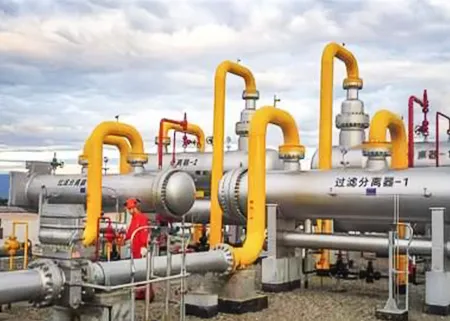
Compressors are commonly used in upstream activities. They increase the pressure of natural gas to move it through pipelines. Similarly, pumps transport fluids throughout the production process. Both compressors and pumps are in heavy-duty steel housings. The housings keep them safe and able to bear internal pressures.
- Compressors and pumps are enclosed in steel housings. The housing must contain the pressure they make. The rating of the equipment sets steel’s thickness and grade.
- Compressors and pumps have steel parts. They need special seals and gaskets to prevent leaks. The seals’ materials must fit the fluids and be strong. They must also handle high pressure and heat.
- Condition Monitoring is key. It requires regular maintenance and monitoring of compressors and pumps. This is vital to ensure their safe and efficient functioning. Vibration analysis and other methods can cause problems with steel parts. They do this before problems cause big breakdowns.
Flare Systems
Too much gas is made during well testing, production, or unforeseen events. It may not be treated or moved. Flare systems have steel pipelines and high flares. They safely burn off extra gas while causing little harm to the environment. Steel has a high melting point. It is also resilient to high temperatures. This makes it ideal for the harsh environments seen in flare systems.
- Flare systems burn excess gas at high temperatures. The steel used in flare stacks and pipes must resist extreme heat. It needs this resistance to survive these tough conditions. These applications use special steels. They can withstand high heat and low creep. Creep is deformation under sustained load at high temperatures.
- Flare systems often have reliable igniters. They ensure the safe burning of excess gas. Steel is essential for housing these ignition systems and their parts. It shields them from harsh conditions and high temperatures.
- Flare emissions must adhere to environmental rules. Flare systems often use emissions-reducing techniques. These include smokeless flares and high-velocity burners. They help gas burn more thoroughly. Steel helps to facilitate these emission-control techniques.
Cranes and Lifting Equipment
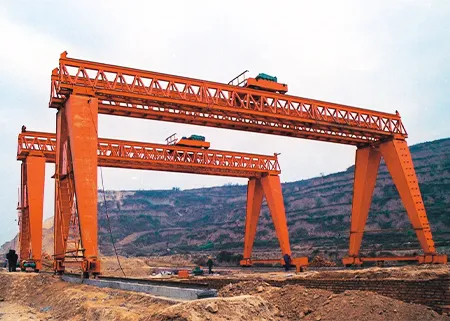
Upstream processes require the transportation of large equipment and supplies. Steel cranes and hoisting equipment play an essential role in these tasks. The sturdy design of steel cranes enables safe and effective handling of huge loads. They lift drill pipes on drilling rigs and carry equipment on offshore platforms.
- Cranes and lifting equipment are used in upstream activities. They must be very sturdy and steady. They must be this way to move massive loads safely. Steel has a high strength-to-weight ratio. This makes it suitable for many uses.
- Lifting equipment is subjected to multiple stress cycles while in operation. Steel must have good fatigue resistance. It gives long-term structural integrity and stops big breakdowns.
- Non-destructive testing (NDT) is critical. It involves regular inspections of cranes and lifting equipment. NDT uses methods like ultrasonic testing. They find cracks or faults in steel. This proactive strategy promotes the safe running of this vital equipment.
Offshore Support Vessels
A wide range of support vessels play an essential part in offshore oil and gas activities. These vessels are often made of steel. They move workers and equipment. They help with diving and maintaining offshore platforms. The vessels will use specific steel grades. We will choose these grades based on their needs and the conditions they will face.
- Offshore support vessels come in many types. Each has its own operational needs. The steel grade used will depend on the vessel’s function. For example, vessels designed for anchor handling may need strong steels. They use them for towing and mooring. But, crew and supply vessels may prefer lighter grades. It’s for better fuel efficiency.
- Offshore support vessels are often exposed to saltwater. This raises the danger of corrosion. Like offshore platforms, ships use techniques to protect steel from corrosion. They use cathodic protection and coatings. These techniques extend the ships’ lives.
Subsea Production Systems
They are used more in deepwater or hard-to-reach places. These systems consist of steel wellheads, manifolds, and production trees. They sit on the seabed near the well. They allow for the extraction and control of fluids before they go to the surface via pipes. Steel can endure high pressure. It can also prevent corrosion from seawater. This makes it essential for subsea production systems.
- Deepwater brings challenges. Subsea production systems work in deep water with high pressure and cold. The steel used in these systems must be very strong. It must also resist corrosion and stay strong at low temperatures. Duplex and super-duplex stainless steel are often used for their outstanding traits. They work well in many applications.
- Subsea production systems are getting advanced monitoring and control systems. They are part of a trend of adding such systems to these systems. Steel protects and houses these electronic parts from the harsh undersea environment. It lets us gather real-time data and run these systems from afar.
Offshore Loading and Unloading Facilities
After passing via pipelines, oil and gas are loaded onto tankers or barges. They will be carried to their next destination. Offshore facilities are for loading and unloading. They are often made of steel. They make this process safer and faster. These facilities may include offshore-specific steel loading arms, mooring structures, and pipelines.
Offshore loading and unloading facilities use many steel structures. These include loading arms, mooring structures, and support platforms. The facility’s size and capacity will determine the steel grades used. It will also depend on the environmental conditions and fluids.
Safety is a big concern. Offshore loading and unloading move lots of oil or gas. They need strict safety rules. Steel structures are designed to accept safety devices. These include emergency release couplings and breakaway systems. They reduce the risk of leaks in accidents.
Temporary Workover Rigs
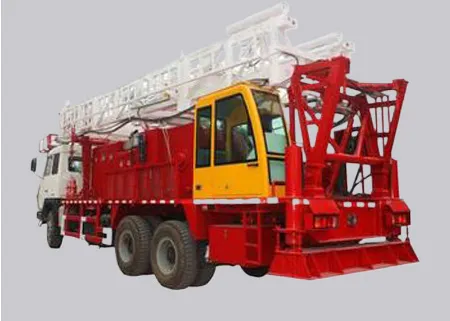
Existing wells may need maintenance or intervention. This is to raise production or fix technical issues. Temporary workover rigs are used to do these activities. They are moved to well locations and often built of strong, lighter-weight steel. The design is modular. It allows for easy deployment and operation. Steel construction ensures they can handle the loads needed for workover activities.
Workover rigs are designed to be temporary. They are made to move easily and deploy efficiently to well locations. Steel grades for these rigs prioritize strength and lightness. They must withstand heavy weights during workover operations. But, they must also stay light to be moved between well sites.
Temporary workover rigs are often modular. They allow for easy assembly and disassembly at well locations. The steel parts for these rigs are designed to be easy to connect and disconnect. They are also designed to keep their strength.
Challenges and Solutions – AlloyXpert’s Take on Steel Production!
The Oil and Gas sector is evolving and pushing boundaries in tough settings. Better steel metallurgy will make more specialized grades. These will meet the changing demands of upstream oil and gas.
Here are some new steel breakthroughs. They show promise for the future.
- High-strength, low-weight steels: High-strength, low-weight steels are critical. We need to develop stronger and lighter grades for deepwater exploration and production. Steel helps us build lighter and tougher platforms and subsea infrastructure. This will lower total project costs and environmental harm.
- Corrosion-resistant alloys: Steel alloys resist corrosion. Ongoing efforts aim to make them even more resistant. This will be big for applications in hostile environments with high H2S or CO2 levels. It will lengthen equipment life and cut maintenance needs.
- Smart steels: Smart steels have sensors and monitoring. This is a new area of research. They are “smart steels.” They could provide real-time data on stress, strain, and corrosion. This data would allow for proactive maintenance. It would also boost infrastructure safety and reliability.
- Sustainable steel manufacturing: Concerns about the environmental impact of steel production are developing. The industry is always looking for ways to lower the carbon footprint of steelmaking. This could include using recycled steel. It could also involve switching to clean energy for production. And it could mean making manufacturing more efficient.
Final Thoughts!
Steel remains a critical element throughout the upstream oil and gas value chain. Its features are strength, durability, and corrosion resistance. They also include weldability and cost-effectiveness. These features make it the preferred material for many uses.
Steel will remain important. It will continue to play a significant role in upstream oil and gas production. The industry is working for higher efficiency. It also needs to be more responsible for the environment. And it wants to explore more challenging environments.
Steel technology will continue to be essential. It enables safe and sustainable hydrocarbon extraction. Connect with AlloyXpert for any inquiries regarding steel.