
Introduction
Looking for the finest 18-8 stainless steel? This blog assists you decide. Read about tensile strength, yield strength, and hardness. They apply this in constructing buildings, bridges, and machines. Using this guide, learn about some properties and uses. Shall we choose the best one?

What is 18-8 Stainless Steel?
18-8 stainless steel, also known as Type 304, is austenitic steel containing 18% chrome and 8% nickel. It resists corrosion. This metal is used in sinks, pots, and screws. The tensile strength is 515 MPa.
It also exhibits good performance at up to 870°C. ASTM standards give it high ratings. This alloy is made of iron, carbon, and silicon. It can be easily cleaned and welded. In most cases, applications are related to the marine environment. The density is 8.00 g/cm³. The elongation at break of this steel is 40%.
How is 18-8 Stainless Steel Made?
18-8 stainless steel is created by combining specific metals in a very hot furnace. It is made stronger and shinier by other steps. Now, let’s watch how it is done!
· Electric Arc Furnace
It smelts the metal in a large furnace known as the Electric Arc Furnace (EAF). The furnace reaches a temperature of about 1,800°C. This combines iron, 8% nickel, and 18% chromium to produce 18 8 stainless steel. The electricity consumption is quite high, approximately 450 volts and 70,000 amperes.
The EAF process takes approximately 90 minutes. It is then transferred to a ladle at a temperature of 1,550°C.
· Continuous Casting
This process involves cooling of the melted steel into designed shapes and sizes. They apply water with a special mold to cool it. The steel begins at 1,540°C. These molds produce slabs with thickness ranging between 150 and 300 mm. The properties of 18-8 stainless steel harden as it goes through the caster, with a speed of 1 m/min. The slabs come out at 900°C. Secondary cooling sprays water at 20°C. These slabs are then sized to the appropriate dimensions.
· Hot Rolling
The slab is reheated to a temperature of 1,200°C. This makes it ready for rolling. They employ rollers to reduce the thickness of the slab. The pressure is up to 100 MPa. The rolled steel is cooled on a belt. It transforms the metal to the right shape in this process. The hot-rolled coil is then ready to undergo further processing.
· Annealing
It softens the steel. The steel is heated to a temperature of 1,040°C in a furnace. The coil then cools at a slower rate. This process makes the 18-8 stainless steel shear strength less hard and easier to bend.
The annealing can take from 1 to 8 hours. The furnace works with an inert gas. This prevents the metal from rusting. Annealing alters the microstructure of the steel.
· Pickling
This washes the steel. They immerse it in acid such as hydrochloric or sulfuric acids. The acid ranges between 70 to 90°C. Pickling only requires several minutes to complete.
It makes stainless steel 18-8 shiny. The acid concentration varies between 10% and 15%. The steel then passes through many tanks. Then, they wash the steel with water. This step is prior to cold rolling.
· Cold Rolling
The thickness of the steel does decrease. This occurs at the ambient temperature. The steel goes through rollers. Cold rolling also gives 8-18 stainless steel a very smooth surface.
The final thickness is between 0.5 and 3 mm. Rollers press very hard. Lubricants assist the rollers in their operations. The surface becomes shiny. This steel is now ready for quenching.
· Quenching
It strengthens the steel. They heat it to 900°C and then rapidly cool it down. Water or oil is used. This process makes 18-8 stainless steel composition stronger. This steel cools very fast. Quenching alters the interior of the metal. In this way, the steel is cooled uniformly.
· Tempering
This makes the steel less brittle. The steel rises again to between 540 to 760°C. Then, it cools in the air. This process makes stainless steel 18/8 tough. The heating time determines how powerful it will be. Tempering lasts 1-2 hours. It also aids in relieving stresses within the metal.
· Finishing
It makes the steel look good. They either polish or grind the surface. This step erases any marks. The finish is shiny or matte. The roughness is from 0.2 to 0.8 microns. They employ special tools and compounds. Cleaning is done on the steel after it has gone through the finishing process.
This step is also the final one. The final product of the 18 8 stainless steel properties is now done and can be used.
What are the Key Properties of 18-8 Stainless Steel?
18-8 stainless steel has cool features! It’s very strong, flexible, and retains its shine. This metal is amazing. Let’s find out more!
· Tensile Strength
This reveals just how sturdy the metal is. Tensile strength of 18-8 stainless steel is 515 MPA. This means that it can support a lot of weight. The machines determine to what extent it can be stretched.
Inoxidable 18/8 is used in buildings. That is why it is in bridges too. The metal is very strong and cannot so easily be broken.
· Yield Strength
This tells us when the metal starts to bend. The 18-8 stainless steel has yield strength of 205 Mpa. Stainless steel 18 8 yield strength can be bent slightly without getting fractured.
Manufacturers use it for creating components that have to bend. The yield strength assists in the designing of structures. This property makes the metal flexible. It is useful for machines and tools.
· Ductility
This demonstrates how far the metal can be pulled apart. 18-8 stainless steel is very ductile. It can be drawn into wires and can also be made into sheets.
Stainless steel 18-8 properties do not break when stretched apart. This property is used in making cables. It is easier to shape the metal. That is why ductility is often a desirable attribute in many products. It’s used in manufacturing.
· Hardness
This tells how hard the metal is. 18-8 stainless steel has a hardness of 70 HRB. Stainless steel 18-8 material properties are not susceptible to scratching and wearing out.
This property is measured with the help of special instruments. The metal stays smooth and shiny. It plays a role in making of hard products. The steel is used for making cutleries and tools. Stiffness makes it resistant to damages.
· Thermal Conductivity
This refers to the extent to which the metal allows heat to pass through it. Thermal conductivity of 18-8 stainless steel is 16 W/m*K. It heats up slowly. 18 8 stainless properties are used in cooking utensils. This property is good for regulating temperature. That is why it is used in insulation. It retains heat on the metal side.
· Electrical Resistivity
This is a measure of how well the metal conducts electricity. The electrical resistivity of 18-8 stainless steel is 720 nΩ*m. 18-8 stainless steel density is a good insulator of electricity. The metal is used in electrical enclosures. This property protects people from getting shocked. Electrical resistivity is significant for safety purposes.
· Density
This is a measure of how ‘weighty’ the metal is. The density of 18-8 stainless steel is 8 g/cm³. It is denser than most other metals. Density of 18-8 stainless steel is strong.
Due to its high density, it is strong. This property is useful in construction. The metal is non-corrosive and has high tensile strength. Density is suitable for applications where high loads are to be supported.
· Corrosion Resistance
This demonstrates how resistant the metal is to rusting. 18-8 stainless steel is known to have very good corrosion resistance. 18 8 stainless steel density is not very prone to rusting.
This property is subjected to salt spray tests. Durability contributes to its usages in outdoor conditions. The metal is applied in marine and chemical industries. This property maintains its appearance.
What is the Composition of 18-8 Stainless Steel?
18-8 stainless steel is an alloy of metals, which is very strong and has a shiny surface. It is special. Now, let’s consider what goes into this metal!
· Iron (Fe)
This metal, Fe, makes things strong. It’s found in 18-8 stainless steel at 74%. Iron enables metal to be hard. They use iron in many things. Iron is the primary component of the alloy. Iron affects the stainless tensile strength.
· Chromium (Cr)
Chromium, or Cr, makes up 18% of the mix. It maintains the shine and prevents rust on the 18-8 stainless steel. Cr forms a protective layer. This metal provides luster and hardness. They use Cr to make things durable. Cr has important stainless properties. It assists metal to remain clean.
· Nickel (Ni)
Nickel (Ni) is 8-10% of the mix. 18-8 stainless steel has this metal for toughness. Ni also makes metal strong and shiny. It assists in preserving things for a longer time. This element stops rust. They use it in many things. Ni affects stainless steel tensile strength. The metal is non-magnetic.
· Carbon (C)
Carbon, or C, makes metal hard. The 18-8 stainless steel has 0.08% carbon. This small amount makes it strong. Of this, C contributes to keeping it tough. They utilize it for strength. Carbon impacts chemical properties of stainless steel. This little bit goes a long way.
· Manganese (Mn)
Manganese is symbolized as Mn and constitutes 2%. 18-8 stainless steel uses this to remain strong. This element makes metal tough. Mn helps it work better. They use manganese to prevent the formation of cracks. Mn affects stainless steel ultimate tensile strength. It assists in making things endure.
· Silicon (Si)
Silicon, Si, is up to 1%. It makes 18-8 stainless steel strong. Si aids in maintaining the strength of the metal. This element stops rust. They use Si to make things durable. Si affects tensile strength of stainless. It helps with strength. Silicon makes things last.
· Phosphorus (P)
The atomic number for phosphorus, or P, is 0.045%. The 18-8 stainless steel has it to aid in cutting. It is easy to shape P. This element adds strength. They use P for improved work. P affects 18 8 stainless steel means. This makes things to last longer.
· Sulfur (S)
Sulfur, S, is 0.03%. This assists 18-8 stainless steel in cutting. S makes things easier to mold. This element stops cracks. They include S for strength. It helps with cutting. S affects stainless steel tensile. The alloy steel needs sulfur.
· Nitrogen (N)
Nitrogen, N, is 0.1%. 18-8 stainless steel utilizes it for its ability to be hard and tough. N is for making something hard and strong. This element stops rust. N affects 18/8 stainless steel. They employ N to increase the durability of metal. This small part is required.
| Element | Symbol | Atomic Number | Weight % | Density (g/cm³) | Melting Point (°C) | Boiling Point (°C) |
| Iron | Fe | 26 | ~70% | 7.87 | 1538 | 2862 |
| Chromium | Cr | 24 | 18% | 7.19 | 1907 | 2671 |
| Nickel | Ni | 28 | 8% | 8.90 | 1455 | 2732 |
| Carbon | C | 6 | <0.08% | 2.26 | 3550 | 4827 |
| Manganese | Mn | 25 | 2% | 7.43 | 1246 | 2061 |
| Silicon | Si | 14 | 1% | 2.33 | 1414 | 3265 |
| Phosphorus | P | 15 | <0.045% | 1.82 | 44.2 | 280.5 |
| Sulfur | S | 16 | <0.03% | 2.07 | 115 | 444.6 |
| Nitrogen (N) | N | 7 | <0.1% | 1.25 | -210 | -196 |
Table on the Composition of 18-8 Stainless Steel!
How to Test the Quality of 18-8 Stainless Steel?
Vibrant and durable 18-8 stainless steel is checked to guarantee its efficacy and appearance. Various tests determine its quality. That is important. Let’s see how to test this metal!
· Tensile Test
They pull it to check how strong the metal is. 18-8 stainless steel can take a good deal of pull in Newtons (N). 18 8 stainless steel yield is important to know. The strength is given as 515 MPa on the machine.
It bends a little and they quantify the amount of bending that the metal is capable of. Wuxi Chengjiu Metal offers you the best in metals for all your requirements.
· Hardness Test
To determine how hard the metal is, there is a special tool that applies pressure on the metal. 18-8 stainless steel should be very hard, with reading such as 70 HRB or 20 HRC.
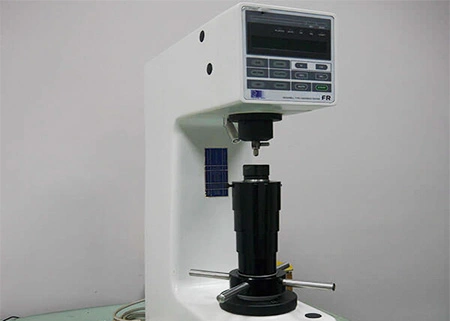
The tool makes an indentation, and that tells me how hard the metal is. 18 8 stainless steel material properties are crucial. They employ a scale to obtain these numbers. It assists us in determining how resistant the metal is to scratches and dents. Our company has the finest metals for challenging tasks.
· Corrosion Test
Corrosion test is used to determine whether the metal gets rusty or not. 18-8 stainless steel exposed to salty water. If the metal remains shiny and does not become rusty then that is okay.
18-8 stainless steel yield strength matters a lot. These numbers like 18% chromium help the metal remain strong. This test is important for metal used near water. We make certain that our metals do not rust.
· Spectroscopy
In order to discover what is in the metal, we employ light in something called spectroscopy. 18-8 stainless steel is a type of stainless steel that contains 18% chromium and 8% nickel.
18-8 stainless steel properties are shown here. This test illuminates different colors to indicate what is inside it. They use special machines to look at the light. It assists in informing us of the composition of the metal. Our products have the best combination of materials.
· X-Ray Fluorescence
To determine what the metal is composed of, we employ a test called X-ray fluorescence, or XRF, which uses X-rays. 18-8 stainless steel is an X-ray-transparent material that reflects light.
18-8 yield strength is checked in tests. The light reveals to us the parts of the metal such as chromium and nickels. It only takes a few minutes and lets us know if the metal has the right stuff. Our company specializes in the best metal products.
· Ultrasonic Testing
To examine inside the metal, we utilize sound waves which is called as ultrasonic testing. There should not be any crack or hole in the 18-8 stainless steel. 18-8 stainless steel tensile strength is verified here.
The sound waves reflect off the metal to create a picture. The test indicates whether the metal is strong right through. They use this test to diagnose latent issues. We ensure that our metals are strong.
· Magnetic Permeability
The test done to determine whether a metal is magnetic or not, is known as magnetic permeability. The 18-8 stainless steel should not be magnetic with a number close to 1.0.
Yield strength 18-8 stainless steel must be noted. This test involves placing the metal in a magnetic field to observe the outcome. If the metal remains non-magnetic then it is perfectly fine. Our metals are ideal for special tasks.
· Chemical Analysis
This is where chemical analysis comes in handy so that we can see all the tiny parts that are in the metal. To test their parts, 18-8 stainless steel is immersed in acid.
18 8 stainless steel yield strength is analyzed here. The test reveals 18% of chromium and 8% of nickel. They apply this test to ensure that the metal is flawless. Quality is guaranteed for all products produced in our company.
What are the Mechanical Properties of 18-8 Stainless Steel?
Mechanical properties are used to determine how strong 18-8 stainless steel is. It can stretch, bend, and remain strong. This metal has many outstanding characteristics. Let’s learn more!
· Ultimate Tensile Strength
Ultimate tensile strength refers to how much of a load an object can withstand. What is 18-8? 18-8 stainless steel can withstand a maximum of 73000 psi. That is why engineers like it for buildings and bridges. These numbers demonstrate its might.
· Elongation
Elongation determines the extent to which 18-8 stainless steel can be elongated. It can stretch up to 40% before breaking. Stainless steel grade 18-8 is flexible. Engineers use this for things that are supposed to bend, such as springs and wires.
· Hardness (Rockwell B)
The hardness of 18-8 stainless steel is in the Rockwell B scale. It scores around 85. This indicates how stiff and rigid it is. Stainless material properties make it good for tools. It can be long-lasting.
· Impact Toughness
Impact toughness tells us about the ability of an object to absorb energy when struck. The 18-8 stainless steel can withstand up to 100 joules (J). This toughness is useful in cars and airplanes. Stainless steel material properties tell us that it will not be easily brittle. 18-8 stainless steel is popular among engineers because of its durability.
· Fatigue Resistance
Fatigue strength means to what extent something can be repeatedly stressed. 18-8 stainless steel can withstand the pressure of 30000 psi repeatedly. Yield strength 18 8 stainless steel is excellent for airplane parts. Designers require materials that are capable of not cracking.
· Shear Strength
Shear strength demonstrates the resistance of one material sliding over another. 18-8 stainless steel can take up to 30,000 psi. This property makes it ideal for bolts and rivets. Stainless steel 18-8 yield strength is good. Architects require suitable materials to ensure safe structures are constructed.
· Creep Resistance
Creep resistance implies durability under heat and pressure. 18-8 stainless steel does not succumb to bending over time. It’s great for power plants. 18 8 stainless steel composition is well-functioning. They use it in hot places.
How Does the Density of 18-8 Stainless Steel Affect Its Use?
The density of 18-8 stainless steel makes it a very sturdy material. It is ideal for construction of large structures. This metal is important. Let’s explore why!
· 8.00 G/Cm³
18-8 steel is strong! It has a density of 8.00 g/cm³. That makes things very sturdy. It is used in large structures. The metal stays firm. Engineers trust it. What is stainless steel 18/8? It is stiff and non-compressible. They employ it in many hard tasks.
· Load-Bearing
This metal has the capacity to hold big things. The 18-8 stainless steel is ideal for making strong buildings. It supports a lot of weight. This makes it safe. Engineers love it. That strength is useful in construction work. They employ it in bridges. Stainless steel yield point matters.
· Structural Stability
18-8 steel does not succumb to pressure. This metal is reliable. What is 18 8 stainless? This metal is being used in tall buildings. That stability helps keep buildings safe. They trust it a lot. The metal is strong.
· Fabrication Ease
This type of steel is ductile. 18-8 stainless steel can be cut and welded. Shear strength of stainless steel is important. The steel helps to save time within the factories. That flexibility helps to create products. The metal is perfect for constructing objects and structures.

· Strength-To-Weight Ratio
This steel is tough but not overly rigid. The 18-8 stainless steel is used in planes. It can accommodate a lot. This metal is light. Engineers need it. They use it a lot. Stainless steel yield matters. This metal is useful in many ways. It’s strong and light.
· Durability
This metal lasts long. It resists rust. Physical properties of stainless steel are good. This makes it perfect for ships. The steel does not fracture. Engineers choose it often. The metal is tough. It can last many years.
· Handling Efficiency
This steel is easily transportable. The 18-8 stainless steel is widely used in many places. It’s easy to carry. They like it in factories. Stainless steel young’s modulus is noted. The steel is easy to work with.
· Material Cost
This steel is not very costly. The choice of 18-8 stainless steel is quite reasonable. It is applied in many structures. This makes it valuable. What is stainless steel 18 8? The metal is worth it. It helps engineers to save some money. This is useful in large projects.
· Machinability
This steel is easy to cut. The 18-8 stainless steel has a good shape. 18-8 SST is versatile. This metal is easy to manipulate. They incorporate it in machines. The steel saves time. The metal is useful in creating objects. Engineers like its ease.
How to Choose 18-8 Stainless Steel for Specific Applications?
Deciding on 18-8 stainless steel depends on what you require. It is tough, sleek and does not corrode. That is great. Now let me show you how to select the right steel!
· Corrosion Resistance
18-8 refers to stainless steel containing 18% chromium and 8% nickel. It prevents rust and pitting. What is stainless steel 18-8? The metal does not corrode up to 870°C. The low 0.08% carbon also assists in this regard. It is perfect for both indoor and outdoor use.
· Mechanical Strength
18-8 stainless steel is very strong. It has a tensile strength of 550 MPa. Stainless yield strength is high. The strength remains even in hot or cold conditions.
· Weldability
18-8 stainless steel is easily welded. The low carbon (0.08%) prevents the formation of cracks. Is 18/8 stainless steel good? It is used with TIG and MIG procedures. Anti-rust properties of the steel are preserved. It is ideal for construction and repair work. Check out this video on how to weld 18-8 stainless steel!
· Formability
18-8 stainless steel gives easily to bending and shaping. 18-8 stainless magnetic features are to be noted. This assists in the manufacture of auto and aircraft components. The metal does not lose its strength when it is shaped.
· Cost-Efficiency
18-8 stainless steel is economical. The steel is durable. This helps in avoiding costly repair bills. Is 18 8 stainless steel good? The price is reasonable because everybody uses it. This metal is efficient and cost-effective.
· Temperature Resistance
The handles are made of 18-8 stainless steel and are capable of withstanding high temperatures. It remains strong up to 870°C. Stainless steel modulus of elasticity helps. It works in extremely hot or extremely cold climates. Temperature changes do not make the steel fatigue.
· Availability
You can easily find 18-8 stainless steel. It is available in the form of sheets, bars, and plates. Elastic modulus of stainless steel helps. The standard quality makes it certain that the product is good.
How to Maintain and Care for 18-8 Stainless Steel?
Maintenance of 18-8 stainless steel makes it to be shiny and strong. This metal is special. It is time to know how to take care of it!
· Regular Cleaning
You should always wash 18-8 stainless steel to maintain its shiny look. For washing use a soft cloth and warm water. This helps remove dirt. Remember to thoroughly dry it to prevent water stains.
What is 18 8 stainless steel? The pH of the solution should be close to 7. These steps help to safeguard the steel. Cleaning it often helps to keep it in good condition and thus it will last longer.
· Avoid Chlorides
Do not expose 18-8 stainless steel to chlorides. These chemicals are capable of inflicting harm. Stainless steel grades 18/8 are sensitive. Examples of chlorides are salt and bleach. Use cleaners without chlorides. A chloride level below 50 ppm is safe. This prevents corrosion. It is important to rinse well after using salt as a seasoning.
· Use Mild Detergents
When washing the 18-8 stainless steel, use mild detergents. The pH of the detergent should be 6-8. These cleaners are gentle. Use stainless steel 18 8 material properties.
Avoid harsh chemicals. Use a soft sponge. Make sure to wash off well with clean water to eliminate the soap. Dry completely to avoid formation of spots. Mild detergents are used to keep the steel surface shiny.
· Dry Thoroughly
Ensure 18-8 stainless steel is dried all the time. This eliminates formation of spots and corrosion. 18 8 ss dries quickly. Use a soft, dry cloth. Remove all moisture. In the long run, water can bring harm. Drying can also enhance the shininess of the steel. Never air dry. It can leave streaks.
· Inspect For Damage
The 18-8 stainless steel should be checked for damages frequently. Check for scratch marks, dents, and rust formations. Check modulus of stainless steel. Use a bright light.
Small things become big things. Fix issues right away. It is important to perform regular checks to ensure the surface of the steel remains smooth. This makes it to endure longer.
· Polish Surfaces
Polish any 18-8 stainless steel to keep it shiny. Use a stainless-steel polish. Check stainless steel modulus first. Wipe gently with a soft cloth. This prevents scratches.
Polish also helps to get rid of smudges and fingerprints. For small scratches, use micro-abrasives. Always polish to the direction of grains. This maintains the finish even.
· Avoid Abrasives
Do not use abrasive material to clean 18-8 stainless steel. These can only scratch the surface. Use soft cleaning tools. 18 8 stainless steel magnetic properties matter. Steel wool and abrasive sponges are too abrasive. Non-abrasive cloths are best. Abrasive materials can create small roughness. These lead to rust.
· Proper Storage
Proper storage of 18-8 stainless steel is a must. Do not expose it to water or any other chemical substances. Keep modulus of elasticity stainless steel safe. The storage area should be clean and dry.
Do not expose the product to other metals. This can cause scratches. Storing the steel properly is important in increasing its life span. If possible, a padded area should be used.
· Regular Inspection
The 18-8 stainless steel should be checked more often. This aids in identifying issues at an early stage. Stainless steel grades 18/8 vary. It is advisable to check for rust or any form of damage at least after every three months. Use a magnifying glass. Routine checkups maintain the strength of the steel. These checks ensure that it looks good.
What are the Thermal Properties of 18-8 Stainless Steel?
Thermal characteristics depict the behavior of 18-8 stainless steel when exposed to heat. It remains solid when hot. This is important. Now let us see how this metal behaves with heat!
· Thermal Conductivity
Heat transfers quickly in 18-8 stainless steel. Its thermal conductivity is 16.2 W/mK. This makes it good for pans. These steel parts remain cool in machines. That’s great for gadgets. Metals like this are good conductors of heat.
· Specific Heat Capacity
Stainless steel 18-8 use to retain heat. Specific heat capacity at constant pressure is 500 J/kgK. This makes pots heat up evenly. Ultimate tensile strength of stainless steel is high. Engines also use this steel to deal with heat. Having a high capacity means that it can store more amounts of heat energy.
· Coefficient Of Expansion
18-8 stainless steel undergoes expansion when exposed to heat. Its coefficient of expansion is 16 µm/mK. This matters in bridges. They use it for safe joints. Tensile yield strength of stainless steel is high. The expansion keeps machines stable.
· Melting Point
18-8 stainless steel melts at 1400°C. This helps in welding. Tensile strength of stainless steel is good. Some of them rely on high heat for joining the parts together. Engines work at these high temperatures. The melting point indicates when metals transition.
· Thermal Diffusivity
18-8 stainless steel conducts heat effectively. It has a thermal diffusivity of 3.6mm²/s. This assists pans heat evenly. Engines use this to regulate heat. Stainless steel young modulus is high. The diffusivity of the steel means it can change temperature very fast.
· Heat Resistance
It is made of 18-8 stainless steel and can withstand heat up to 800°C. Modulus of elasticity of stainless steel is good. This is especially important in ovens. These materials stay strong. The steel’s resistance contributes to the part’s longevity. Engines are designed to function in hot environments.
· Thermal Stability
Stainless steel 18-8 maintains stability up to 800°C. This means it doesn’t warp. Stability matters in tools. 18-8 ss is durable. They need reliable materials. Thermal stability means to remain unaffected with temperature.
· Thermal Fatigue
18-8 stainless steel does not undergo thermal fatigue. It is involved in heating and cooling. This is especially important in engines. They face temperature changes. 18 8 stainless steel is strong. Long life is also guaranteed by the fatigue resistance of the steel.
· Thermal Cycling
The 18-8 stainless steel is capable of withstanding thermal cycling. Temperature change is well managed. This is especially important in engines. 18/8 stainless steel works well. Through cycling ability, the durability of the steel is well maintained.
| Property | Unit | 18-8 Stainless Steel | 304 Stainless Steel | 316 Stainless Steel | Carbon Steel | Aluminum |
| Thermal Conductivity | W/m·K | 16.2 | 16.2 | 13.4 | 43 | 237 |
| Specific Heat Capacity | J/kg·K | 500 | 500 | 500 | 486 | 897 |
| Coefficient Of Expansion | 10⁻⁶/K | 17.2 | 17.2 | 16 | 12 | 23.1 |
| Melting Point | °C | 1400-1450 | 1400-1450 | 1375-1400 | 1425-1540 | 660 |
| Thermal Diffusivity | mm²/s | 3.96 | 3.96 | 3.69 | 12.1 | 97.1 |
| Heat Resistance | °C | Up to 870 | Up to 870 | Up to 870 | Up to 500 | Up to 400 |
| Thermal Stability | Rating | High | High | High | Moderate | Low |
Table on the Thermal Properties of 18-8 Stainless Steel!
How to Weld 18-8 Stainless Steel?
Welding is the process of using heat to join pieces of 18-8 stainless steel. Various processes strengthen the welds. This is cool. Okay, let’s discover how to weld this metal!
· TIG Welding
TIG welding requires a tungsten electrode. It employs 10-200 amps in the process. AC or DC power is required for 18-8 stainless steel. This gives clean welds. The gas is argon. Maintain the size of the weld pool. That ensures strength. Use a foot pedal. It helps precision. Torch angles have to be cylindrical. These prevent defects.
· MIG Welding
MIG welding employs a wire feeder. The process operates at 50-250 amps. 18-8 stainless steel uses a consumable electrode. This means faster welding. The shielding gas is argon or CO₂. It reduces splatter. What is required is a stable and steady hand. Inspect them often.
· Filler Material
Use ER308L rods. These provide strength for 18-8 stainless steel. The diameter matters. It affects weld integrity. They are of the same material as the base metal. Proper storage is vital. Keep them dry. The material must be clean.
· Shielding Gas
Shielding gas protects welds. Use 100% argon or argon-CO₂ mix. 18/8 steel requires it to avoid corrosion. The flow rate is 20-30 CFH. It covers well. Use a gas lens. That spreads gas evenly. A stable supply of gas is required. Monitor pressure.
· Preheating
Preheating is crucial. Preheat 18-8 stainless steel to a temperature range of 50-150°C. It reduces thermal shock. This helps weld penetration. An oxy-fuel torch is used. The heating must be even. Use an infrared thermometer. Preheating avoids cracks. Let it cool slowly.
· Post-Weld Heat Treatment
Heat treatment after welding is necessary. Preheat 18-8 stainless steel to 900-1150°C. This reduces stress. It improves weld properties. A furnace ensures accuracy. The heating has to be uniform. Cool slowly. A pyrometer monitors temperature. Inspect the welds afterward.
· Clean Surfaces
Clean surfaces are needed. Cleanse the surface of grime, grease, and tarnish. The 18-8 stainless steel material properties must be clean. Use acetone or alcohol. This prevents contamination. You should use a stainless steel brush. Keep tools separate. This keeps things clean. Inspect visually for residues.
· Control Heat Input
Control heat input carefully. Use short arc lengths. 18-8 stainless steel requires this to prevent heat build-up. Monitor amperage. It ensures proper fusion. A pulsed welding technique helps. Keep travel speed consistent. That avoids burn-through. Cooling rates have to be regulated.
· Inspect Welds
Inspect welds carefully. Seek out defects such as cracks, pores, and inclusions. Use a magnifying glass. It reveals defects. What is 18-8 stainless steel? An ultrasonic tester identifies flaws internally. Inspect weld beads visually.
What is the Magnetic Behavior of 18-8 Stainless Steel?
18-8 stainless steel cannot be attracted by a magnet! It is non-magnetic which means that it does not stick to magnets. That is useful. Now let’s see why non-magnetic characteristic is crucial!
· Non-Magnetic
18-8 stainless steel is not magnetic which means it does not attract magnets. Its special structure prevents magnetism. What is 18/8 stainless steel? This steel is for technical application. It ensures no interference. Steel’s characteristic of non-magnetic property remains constant. It keeps things precise.
· Low Permeability
Low magnetic permeability with 18-8 stainless steel at μ₀ =1.2566 μH/m. That stops magnetic flux. Yield stress of stainless steel helps in shielding. Steel stays reliable. It meets technical needs. Permeability stays constant.
· Austenitic Structure
This steel containing 8% Ni and 18% Cr is known as 18-8 stainless steel. It’s non-magnetic. Properties of ss stop rust. Steel remains tough. This makes it durable. Steel suits various uses.
· Stable Magnetic Properties
Through using 18-8 stainless steel, μ≈1.02 is maintained. This stability aids precision. Stainless steel mechanical properties don’t change. Steel performs well. It helps sensitive tasks. Steel stays reliable.
· Low Residual Magnetism
This means that after exposure 18-8 stainless steel has low magnetic qualities. That stops interference. This steel is suitable for accurate usage. Shear strength 304 stainless steel remains steady. Steel ensures accuracy. It meets technical needs.
· Suitable For Sensitive Applications
18-8 stainless steel is used often in areas that require a higher level of sensitivity. They do not allow external interference since it is a non-magnetic material. Mechanical properties of stainless steel ensure precision. Steel meets specific needs. It remains constant and trustworthy.
· Consistent Behavior
Consequently, the 18-8 stainless steel holds μ≈1.02. This consistency is helpful in such tasks. Is 18/8 stainless steel food grade? Steel remains dependable. It meets technical demands. Consistency makes steel ideal. It’s valued for reliability.
· Low Magnetic Response
According to the given characteristic, 18-8 stainless steel is found to possess low magnetic properties. It makes it ideal for accurate work to be done and provide the exact results that are required. Young’s modulus of stainless steel stays stable. It ensures accuracy. This steel satisfies technical requirement.
· Non-Ferromagnetic
The 18-8 stainless steel does not contain any ferromagnetic material. This stops magnetic attraction. What is 18/8 stainless steel? Steel suits many fields. Its trait stays steady. Steel remains consistent. It performs well.
How to Determine the Shear Strength of 18-8 Stainless Steel?
Shear strength demonstrates the capability of 18-8 stainless steel to withstand sliding forces. Tests measure this strength. It is important. Now let’s find out how to verify this metal.
· Shear Testing
Shear testing aids in determining the strength of the metal. A force of 50 kN pushes 18-8 stainless steel. The tools measure carefully. That helps us understand whether the metal is safe or not.
· Tensile Testing
Tensile testing places a metal under tension to determine how long it grows. A force of 100 MPa is applied to pull 18-8 stainless steel. The testing machine measures this. It demonstrates whether the metal is strong or not. They use graphs to understand the outcomes in detail.
· Compression Test
Compression tests squash metal. This applies a 200 MPa force on 18-8 stainless steel. It measures how much the metal compresses. This test assists in informing whether the metal can stand. They use these results.

· Torsion Test
Torsion testing twists metal. A 300N.m torque is applied to twist 18-8 stainless steel. This machine quantifies the amount of turn it makes. They collect this data. These results are used by engineers to make strong things.
· Load Measurement
Tensile measurement determines how much load metal can take. This utilizes load cell with a capacity of up to 10 kN. 18-8 stainless steel is tested. It’s very accurate. It means that the system writes down the weights. They employ this data to construct something.
· Stress Analysis
Stress analysis determines the ability of the metal to resist pressure. It employs FEA to consider 18-8 stainless steel. The graphs indicate stress points. Technicians require this to construct safe products. They employ such information to counter break. This keeps everyone safe.
· Force Application
Force application tries to make metal act in certain way in order to study its behavior. Applying a force of 5 kN on 18-8 stainless steel is used. This uses a hydraulic press. It measures the push very cautiously. Engineers need this data. They use it to confirm its stability.
· Data Collection
Data collection helps in recording metal tests. Forces and stresses are detected by sensors on 18-8 stainless steel. All the information is recorded by the machines. Engineers use this data. It assists them in making right decisions.
· Structural Analysis
Structural analysis focuses on the use of metals in structures. This utilizes software to simulate 18-8 stainless steel. It depicts stress and strain. Architects require this to design secure buildings. It assists in identifying the areas that need improvement. They use this to prevent problems.
Conclusion
18-8 stainless steel is strong. It is done on buildings, machines, bridges and the likes. Be able to state its tensile strength, yield strength and percentage elongation. For more information please visit ALLOYXPERT. Choose the most appropriate metal to be used in the project. Choose AlloyXpert for the right decision!