
What Is 316 Stainless Steel?
316 stainless steel is an austenitic stainless steel known for its excellent corrosion resistance and mechanical properties. It belongs to the 300 series of stainless steels, which are defined by their high chromium and nickel content, making them particularly suitable for harsh environments.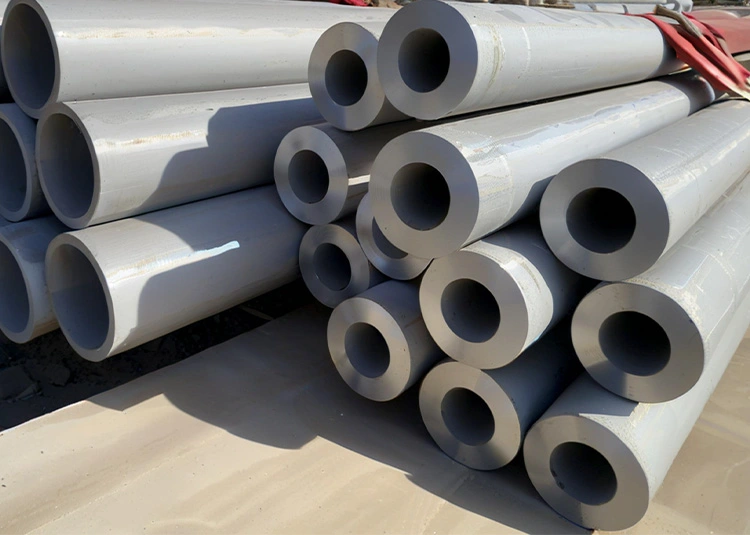
Composition of 316 Stainless Steel
316 stainless steel typically contains around 16-18% chromium, 10-14% nickel, and 2-3% molybdenum. The addition of molybdenum is what sets 316 apart from other stainless steel grades, as it enhances the steel’s resistance to pitting and crevice corrosion, especially in chloride-rich environments such as coastal regions or chemical plants.
Key Properties of 316 Stainless Steel
316 stainless steel is highly valued for its combination of strength and corrosion resistance. Some of its key properties include:
- Corrosion Resistance: 316 is highly resistant to corrosion in a variety of environments, including saltwater and acidic conditions.
- Heat Resistance: It can withstand high temperatures, making it suitable for heat-exposed applications.
- Toughness: Even at cryogenic temperatures, 316 retains its toughness, making it versatile across a wide temperature range.
Common Uses of 316 Stainless Steel
316 stainless steel is used in a broad range of industries due to its durability and resistance to corrosive environments. Common applications include:
- Marine Equipment: Because of its superior corrosion resistance, 316 is widely used in marine environments for components like boat fittings and coastal infrastructure.
- Medical Devices: Its biocompatibility makes it a popular choice for surgical instruments and medical implants.
- Food Processing Equipment: 316 is also frequently used in the food industry due to its ability to withstand food acids and maintain hygiene standards.
What is 904L Stainless Steel?
904L stainless steel is a high-alloy austenitic stainless steel known for its exceptional corrosion resistance, especially in aggressive environments. Originally developed for use in sulfuric acid-related processes, 904L is commonly used in industries that require higher resistance to corrosion than what standard stainless steels like 316 can offer.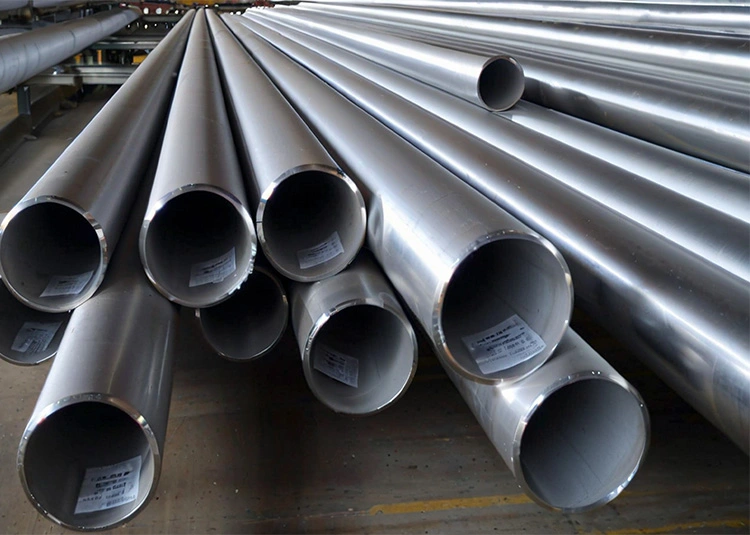
Composition of 904L Stainless Steel
904L contains higher amounts of nickel (23-28%) and chromium (19-23%) than typical austenitic stainless steels, along with 4-5% molybdenum and a small amount of copper (1-2%). The combination of molybdenum and copper significantly enhances its resistance to pitting, crevice corrosion, and acidic environments, making it ideal for chemical processing and other corrosive applications.
Key Properties of 904L Stainless Steel
904L offers some distinct properties that make it suitable for highly demanding environments:
- Superior Corrosion Resistance: 904L provides excellent resistance to a wide range of corrosive environments, including sulfuric acid, phosphoric acid, and seawater. It is highly resistant to pitting and stress corrosion cracking.
- High Weldability and Formability: Despite its high alloy content, 904L maintains excellent weldability and formability, which is essential in industries where custom fabrication is required.
- Durability in Extreme Conditions: 904L can withstand high temperatures and acidic environments, making it suitable for use in both high-pressure and high-corrosion situations.
Applications for 904L Stainless Steel
904L stainless steel is used in industries where resistance to corrosion is a critical factor. Some of its common applications include:
- Chemical Processing Plants: Due to its superior resistance to sulfuric and phosphoric acids, 904L is widely used in chemical processing and acid production industries.
- Desalination Plants: Its resistance to chloride corrosion makes 904L ideal for use in seawater desalination equipment.
- Pharmaceutical and Biotechnology Equipment: 904L is often used in pharmaceutical processing and biotechnology applications where cleanliness, corrosion resistance, and durability are vital.
How Do 316 and 904L Stainless Steel Compare in Terms of Corrosion Resistance?
316 and 904L stainless steel both provide excellent corrosion resistance, but 904L offers superior protection in highly aggressive environments.
Performance in Marine Environments
316 stainless steel performs well in marine environments due to its molybdenum content, which helps resist pitting and crevice corrosion. However, 904L, with its higher nickel and molybdenum content and the addition of copper, provides even better protection against chlorides, making it ideal for harsh marine conditions like desalination plants and offshore structures.
Resistance in Acidic and Chemical Environments
While 316 stainless steel handles most chemicals well, it is less effective in highly acidic environments. 904L, designed for resistance to sulfuric and phosphoric acids, excels in chemical processing applications. Its superior resistance to stress corrosion cracking and crevice corrosion makes it a more durable choice in extreme conditions.
How Do 316 and 904L Stainless Steel Compare in Strength and Durability?
316 and 904L stainless steel are both strong and durable, but 904L excels in harsher environments.
Durability Under Mechanical Stress
316 stainless steel is tough and handles mechanical stress well, making it suitable for most standard applications. 904L, while not significantly stronger, offers better resistance to cracking under extreme stress, making it ideal for industries like chemical processing.
Long-Term Use in Harsh Conditions
While 316 performs well in corrosive environments, 904L provides superior durability in extreme conditions with less maintenance. Its resistance to acidic and chloride-rich environments ensures longer service life in demanding settings.
Which Stainless Steel is More Cost-Effective?
316 stainless steel is generally more affordable than 904L, but the choice depends on application needs.
Cost Differences Between 316 and 904L
316 is less expensive due to its lower alloy content, making it a good option for most standard applications. 904L, with higher nickel and molybdenum content, is significantly more expensive due to its enhanced corrosion resistance.
When 904L is Worth the Investment
Though pricier, 904L can be more cost-effective in harsh environments like chemical processing or marine settings, where its durability and lower maintenance needs justify the higher upfront cost.
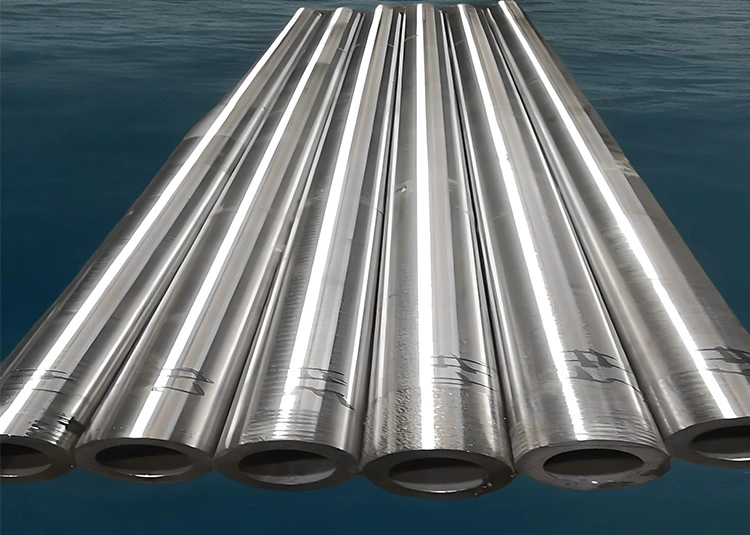
Which Should You Choose: 316 or 904L Stainless Steel?
Choosing between 316 and 904L stainless steel depends on the environment, budget, and specific application requirements.
Key Factors to Consider
316 stainless steel is ideal for most general applications, offering a good balance between performance and cost. It’s a reliable choice for marine, food processing, and medical applications where corrosion resistance is needed but not in extreme conditions.
904L, on the other hand, is designed for highly corrosive environments. Its superior resistance to acids and chlorides makes it perfect for industries like chemical processing, desalination, and offshore structures, where long-term durability is essential despite the higher cost.
Ideal Grade for Marine Applications
For standard marine environments, 316 stainless steel is typically sufficient. However, for more extreme conditions with higher chloride concentrations or exposure to harsh chemicals, 904L is the better choice.
When to Choose 904L Over 316
If the application involves aggressive acids, extreme temperature fluctuations, or long-term exposure to corrosive substances, 904L will outperform 316, making it worth the investment for industries like oil and gas or chemical manufacturing.
FAQs
How long can 316 stainless steel last in marine environments?
316 stainless steel can last for many years in standard marine environments, typically ranging from 10 to 20 years, depending on exposure and maintenance. Regular cleaning and maintenance help extend its lifespan.
Is 904L stainless steel worth the higher cost?
Yes, 904L is worth the higher cost in environments with extreme corrosion risks, such as chemical plants or high-chloride marine settings. Its durability and low maintenance needs make it a more cost-effective choice in the long term for harsh environments.
Can 316 stainless steel be used in chemical processing?
316 can handle mild chemical environments but may not be suitable for highly acidic or chloride-rich processes. For harsher chemical exposure, 904L is a better option due to its superior resistance.
Which stainless steel is better for outdoor use?
316 stainless steel is a reliable choice for outdoor use in most environments. However, for exposure to harsher elements like industrial pollution or coastal areas with high salt content, 904L offers better protection and longer life.
Read More:
Understanding the Differences Between 304 and 316L Stainless Steel Plates
How to Select the Best Tube Stainless Steel 316L for Your Needs?