
Introduction
SS400 is a commonly used structural steel, but there’s often confusion about whether it’s mild steel or stainless steel. This article explores the key differences in composition, properties, and uses of SS400 compared to mild steel and stainless steel, helping you make informed material choices.

What is SS400 Steel?
SS400 is a structural carbon steel under JIS G3101, commonly used in construction and industrial applications for its good weldability, moderate strength, and flexibility. With a low carbon content (0.05%–0.25%) and small amounts of manganese and silicon, SS400 offers decent tensile strength (400–510 MPa) and ductility, but lacks the chromium and nickel found in stainless steel, limiting its corrosion resistance. It is ideal for general structural purposes, though it requires protective measures in corrosive environments.
SS400: Mild Steel or Stainless Steel?
What is Mild Steel?
Mild steel, also known as low-carbon steel, contains a carbon content of less than 0.25%, making it highly ductile and easy to work with. It is widely used in construction, machinery, and manufacturing due to its affordability, weldability, and moderate strength. However, it lacks corrosion resistance, requiring protective coatings in certain environments.
What is Stainless Steel?
Stainless steel is an alloy containing at least 10.5% chromium, which provides its well-known corrosion resistance. It is often used in applications where durability and resistance to rust or high temperatures are critical, such as in kitchenware, medical equipment, and outdoor structures. In addition to chromium, stainless steel often includes nickel, further enhancing its properties.
Is SS400 Mild Steel or Stainless Steel?
SS400 is classified as mild steel. It has low carbon content, typical of mild steel, and lacks the chromium and nickel required for stainless steel’s corrosion-resistant properties. While SS400 is strong and flexible, its inability to resist rust places it firmly in the category of mild steel, making it suitable for general construction and manufacturing rather than environments prone to moisture or chemical exposure.
What Are the Key Differences Between SS400 and Stainless Steel?
Composition
SS400 and stainless steel differ significantly in their chemical composition. SS400 is primarily a carbon steel with low carbon content, while stainless steel contains at least 10.5% chromium, which provides its corrosion resistance.
| Material | Carbon Content | Chromium Content | Nickel Content |
| SS400 | Low (0.05%-0.25%) | None | None |
| Stainless Steel | Low to Moderate | Minimum 10.5% | Varies (common in 304, 316) |
Performance and Durability
SS400 performs well in structural applications but lacks corrosion resistance, making it unsuitable for environments exposed to moisture or chemicals. Stainless steel, due to its chromium content, provides superior corrosion resistance and is ideal for harsh environments.
| Material | Strength | Corrosion Resistance | Suitable Environments |
| SS400 | Moderate | Low | Indoor or controlled environments |
| Stainless Steel | Moderate to High | High | Outdoor, chemical, and high-moisture environments |
Pricing and Availability
SS400 is more affordable and widely available, especially in regions following JIS standards. Stainless steel, particularly higher grades like 304 and 316, is more expensive due to its chromium and nickel content.
| Material | Cost | Availability |
| SS400 | Lower | High, especially in Asia |
| Stainless Steel | Higher | Widely available globally |
What Are the Applications of SS400 Mild Steel?
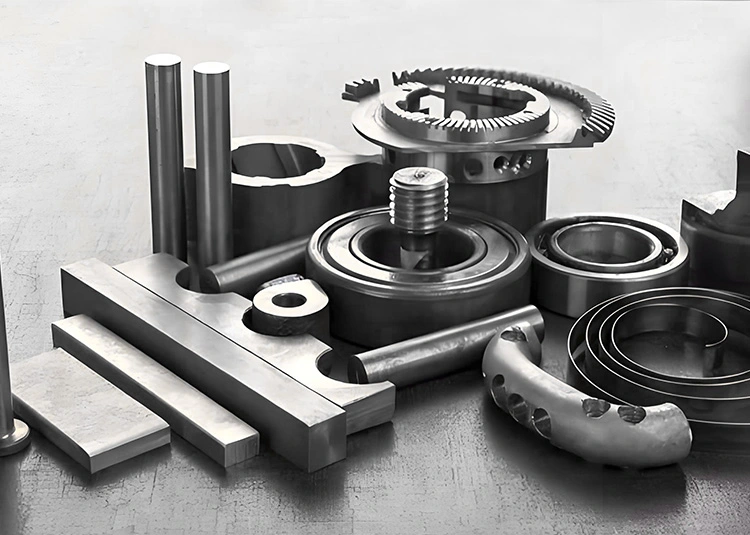
SS400 mild steel is widely used in structural and industrial applications. Its strength, weldability, and affordability make it ideal for constructing buildings, bridges, and manufacturing machine parts. In comparison to other mild steel grades like A36 and S235, SS400 offers similar properties but is primarily used in regions adhering to Japanese Industrial Standards (JIS).
What Are the Advantages of SS400?
SS400 offers several key advantages that make it an ideal choice for many structural and industrial applications:
- Cost-Effective: SS400 is highly affordable compared to other steel grades, making it a preferred option for large projects with budget constraints.
- Excellent Weldability: Due to its low carbon content, SS400 can be easily welded without sacrificing structural integrity, which is crucial in construction and manufacturing.
- Versatility in Applications: SS400 is widely used in a variety of sectors, including construction, machinery, and industrial equipment, thanks to its moderate strength and flexibility.
- Wide Availability: Being a standard steel grade in regions that follow JIS standards, SS400 is readily available in the market, ensuring quick procurement and supply.
- Ease of Fabrication: SS400 is easy to machine and form into various shapes, making it suitable for different fabrication needs in structural and mechanical applications.
Final Thoughts!
SS400 is a versatile mild steel, known for its strength, weldability, and affordability. While it excels in structural and manufacturing applications, it lacks the corrosion resistance of stainless steel. Choosing the right material depends on your project’s specific requirements, such as durability, cost, and environmental exposure.
For projects requiring high-quality steel, whether SS400 or stainless steel, AlloyXpert offers a wide range of options tailored to your needs. Contact us today for expert guidance and to secure the best materials for your next project!
Read More:
Which Mild Carbon Steel Grades Are Best For Manufacturing?