
Introduction
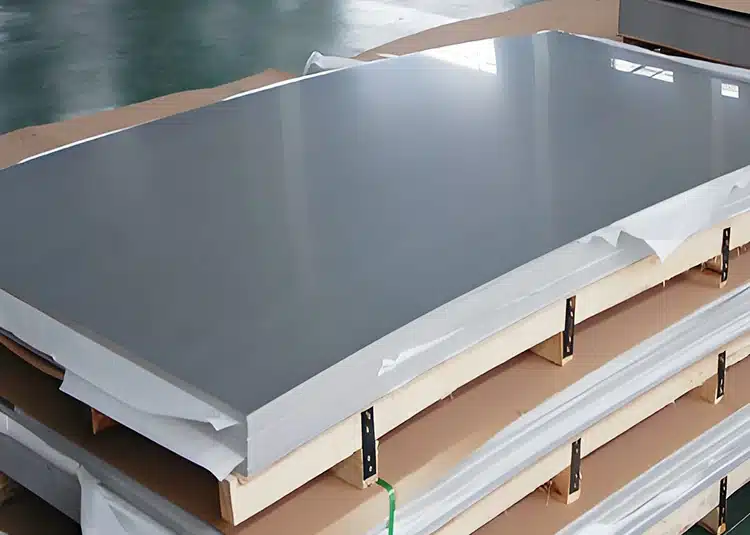
Stainless steel surface finishes are key to both performance and appearance. The right finish enhances corrosion resistance, durability, and aesthetics, making it essential to choose the right one for specific applications. This article explores various stainless steel finishes, their uses, and benefits, from the versatile 2B finish to the decorative mirror finish, helping you select the best option for your needs.
What Are Stainless Steel Finishes?
Stainless steel finishes are surface treatments that enhance the material’s look and performance. These finishes can range from smooth and shiny to matte and textured, affecting both appearance and functionality, such as corrosion resistance and ease of cleaning. Choosing the right finish ensures the stainless steel meets both aesthetic and practical needs.
What Are the Common Types of Stainless Steel Finishes?
2B Finish
- Description: The 2B finish is a bright, cold-rolled finish that is smooth and reflective. This finish is obtained by passing stainless steel through cold rollers, followed by annealing and descaling, which gives it a clean, polished appearance.
- Applications: It is widely used in industrial settings, kitchen equipment, and food processing surfaces due to its smooth appearance, ease of cleaning, and hygienic properties.
- Benefits: The 2B finish is highly corrosion-resistant and cost-effective, making it a versatile option for a wide range of applications, particularly in environments requiring cleanliness and durability.
BA (Bright Annealed) Finish
- Description: The BA finish is highly reflective and smooth, achieved through annealing in a controlled atmosphere to prevent oxidation. This process gives it a bright, mirror-like appearance that’s more reflective than a 2B finish.
- Applications: Often used in architectural features, high-end kitchen appliances, and decorative applications where a premium, reflective finish is desired. It’s also found in commercial refrigeration units and automotive components.
- Benefits: In addition to its visual appeal, the BA finish offers durability and corrosion resistance, making it suitable for both functional and decorative purposes.
Brushed Finish (No. 4 Finish)
- Description: The No. 4 finish is a satin-like texture created through mechanical brushing. This process produces fine lines on the surface, providing a uniform, grainy appearance that softens the stainless steel’s natural shine.
- Applications: Commonly found in elevators, kitchen backsplashes, automotive trim, and appliance panels. It’s popular in areas where aesthetics are important but where surfaces are subject to frequent use or wear.
- Benefits: The brushed finish not only provides a modern, sleek appearance but also effectively hides fingerprints, scratches, and other wear, making it practical for high-traffic or high-touch areas.
Mirror Finish (No. 8 Finish)
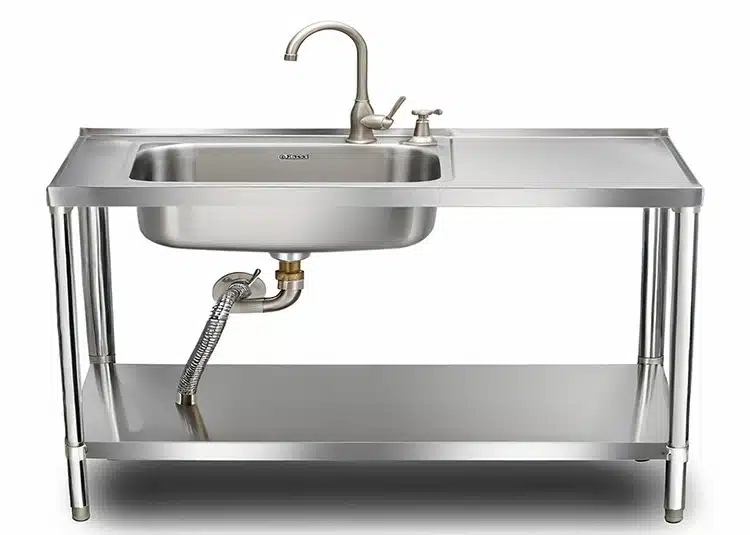
- Description: The mirror finish, also known as No. 8 finish, is the most reflective surface finish for stainless steel, offering a smooth, mirror-like appearance. This finish is achieved through extensive polishing, resulting in a surface that reflects light very well.
- Applications: Primarily used for decorative purposes, the mirror finish is ideal for architectural panels, luxury interiors, and high-end products where aesthetics are crucial. It’s also used in reflectors and precision instruments.
- Benefits: The mirror finish provides maximum visual appeal and a highly polished, high-end look. However, it requires regular maintenance to prevent smudging and fingerprints, as its glossy surface shows imperfections easily.
Matte Finish (No. 1 Finish)
- Description: The No. 1 finish, also known as a matte finish, is a non-reflective surface created through hot rolling. The rougher texture and lack of reflectivity make this finish less visually appealing but highly functional for industrial use.
- Applications: It is used in heavy-duty industrial environments, such as construction, chemical processing, and structural applications, where aesthetics are not a priority, but strength and durability are essential.
- Benefits: The No. 1 finish is highly durable and cost-effective, making it suitable for tough environments that require long-lasting materials capable of withstanding wear and exposure to harsh conditions. Its non-reflective surface makes it ideal for structural uses and heavy industrial applications.
Why Is Stainless Steel Finish Important?
The finish applied to stainless steel is crucial because it directly affects both the material’s appearance and its performance in different environments. The right finish enhances the steel’s corrosion resistance, durability, and overall functionality, making it more suitable for specific applications.
Corrosion Resistance
Stainless steel’s ability to resist corrosion is one of its most valued properties. A proper finish can enhance this trait by creating a smoother surface where contaminants or moisture are less likely to accumulate, reducing the chances of rust or degradation.
Aesthetic Appeal
The visual impact of stainless steel is significantly influenced by its finish. From a sleek, modern brushed look to a mirror-like surface, the right finish can elevate the aesthetic appeal of products in architectural, decorative, and consumer-facing applications.
Durability and Maintenance
Different finishes can affect how durable and easy to maintain stainless steel is. For instance, finishes like No. 4 brushed or matte No. 1 are less likely to show wear and tear, making them ideal for high-traffic or industrial areas. A reflective mirror finish, while beautiful, may require more frequent cleaning to maintain its pristine look.
Application-Specific Performance
Each finish serves a specific function based on the environment it will be used in. In industrial settings, a rougher matte finish may be preferable for strength and durability, while in consumer goods or architectural projects, a more polished or brushed finish is typically selected for its visual appeal and ease of maintenance.
What Are The Factors Affecting Stainless Steel Finishes?
The finish of stainless steel is determined by several surface treatment processes that influence its appearance, texture, and performance. These processes play a vital role in creating the diverse range of finishes available, each suited for specific applications. Here are the key factors that affect stainless steel finishes:
Polishing
Polishing is a process that smoothens the surface of stainless steel by removing imperfections and providing a more reflective appearance. Different levels of polishing can create finishes ranging from a dull matte to a highly reflective mirror finish. Polishing is essential for achieving a smooth, sleek surface, especially in decorative and architectural applications.
Grinding
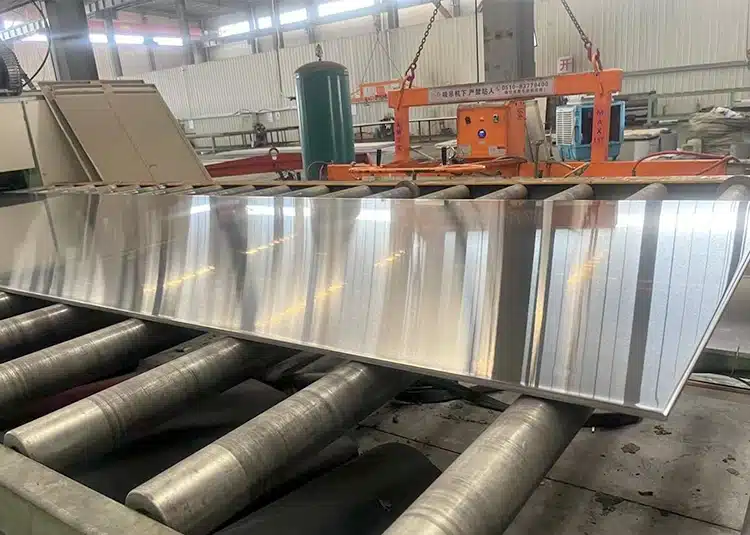
Grinding is used to remove surface defects, improve flatness, and create a uniform texture. This process is particularly important in creating finishes like No. 1 (matte), where roughness is necessary for industrial or structural uses. Grinding prepares the stainless steel for further processing, such as brushing or polishing, by removing surface irregularities.
Brushing
Brushing creates a consistent grain on the stainless steel surface, producing a satin finish with fine lines. This method is commonly used for finishes like No. 4, where aesthetics and functionality are balanced. The brushing process helps reduce the visibility of scratches and imperfections, making it ideal for applications in high-touch areas like elevators or kitchen appliances.
Heat Treatment
Heat treatment, such as annealing, is another critical factor that affects the final finish of stainless steel. For example, the Bright Annealed (BA) finish is achieved through controlled heat treatment, which produces a smooth, reflective surface. This process not only enhances the appearance but also improves the material’s mechanical properties, such as corrosion resistance.
Tips For Maintaining Different Stainless Steel Finishes
For polished or brushed stainless steel finishes, use mild detergents and soft microfiber cloths to clean without causing scratches or dulling. Avoid harsh chemicals to prevent corrosion. To protect reflective surfaces like mirror finishes from scratches and fingerprints, consider using protective coatings or films. Regular cleaning and protection help maintain the appearance and durability of stainless steel finishes.
Conclusion
Choosing the right stainless steel finish is crucial for balancing durability, aesthetics, and performance. We’ve discussed various finishes and how to select and maintain them. For expert advice and high-quality stainless steel products, contact AlloyXpert today and let us help you find the perfect solution for your project.
Read More: