
Introduction
Monel, a nickel-copper alloy, is valued for its corrosion resistance and strength, making it ideal for marine and chemical applications. However, welding Monel poses challenges due to its high melting point and tendency to crack. This article explores whether Monel can be welded, the best techniques to use, and key preparations and treatments to ensure successful welds.
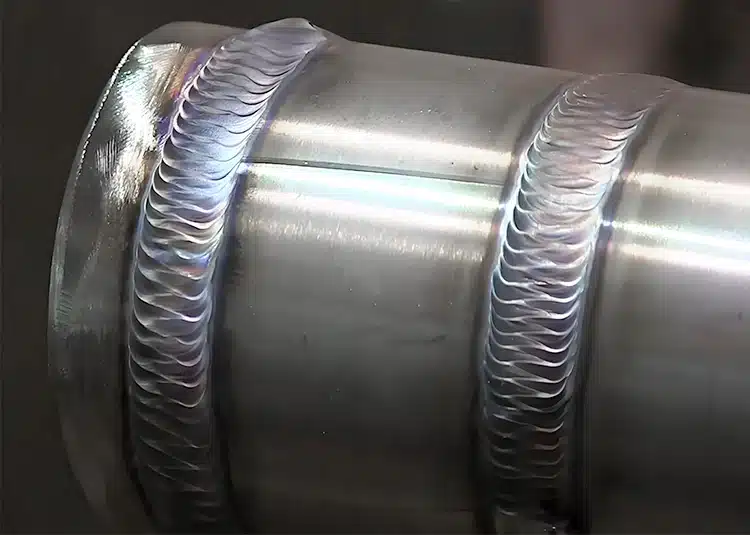
What Are the Key Challenges of Welding Monel and How to Fix Them?
Welding Monel can be challenging due to its specific material properties, but these issues can be managed with the right solutions.
- Cracking: Monel tends to crack under high heat due to thermal stress.
Solutions: Use low heat input and slow cooling methods to minimize thermal stress. Additionally, choose the correct filler material, such as nickel alloy fillers, to reduce cracking risks. - Heat Management: Monel has a high melting point, making it difficult to manage heat during welding. Excessive heat can cause warping or distortion, affecting the weld’s integrity.
Solutions: Use intermittent welding, control welding speed, and preheat thicker sections of Monel to manage heat. Employ efficient cooling methods like water or air to prevent overheating. - Porosity: Contaminants on the Monel surface or improper shielding can lead to gas pockets, weakening the weld.
Solutions: Clean the surface thoroughly before welding and use high-quality shielding gases like argon or helium. Maintaining a stable arc during welding helps reduce porosity.
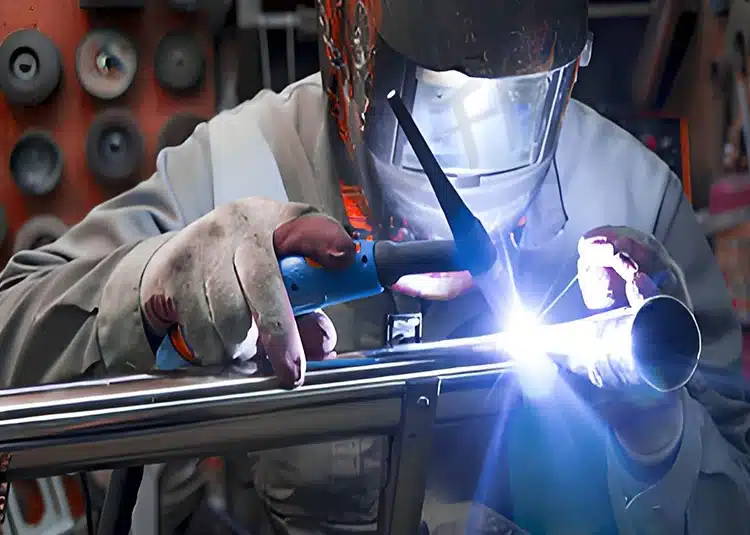
Which Welding Techniques Are Best for Monel?
Several welding methods can be used to weld Monel, but each comes with its pros and cons. We’ll provide a comparison of the most effective techniques for welding Monel.
Shielded Metal Arc Welding (SMAW)
Shielded Metal Arc Welding (SMAW), or stick welding, is an effective method for welding Monel, particularly in fieldwork due to its portability and minimal equipment. It works well for thicker sections, providing deep penetration. However, SMAW can produce slag that requires post-weld cleaning, and controlling heat input can be challenging, leading to potential cracking. To ensure strong welds, use nickel-based electrodes designed for Monel and clean the surface thoroughly. Managing heat by adjusting welding speed and cooling between passes will help prevent defects. When properly handled, SMAW can create durable Monel welds.
Gas Tungsten Arc Welding (GTAW)
Gas Tungsten Arc Welding (GTAW), or TIG welding, is ideal for precise, high-quality Monel welds, especially in applications like aerospace and chemical processing. Its non-consumable tungsten electrode allows for excellent heat control, making it suitable for thin Monel sections where minimal spatter and clean welds are required. However, GTAW is slower, requires skilled operation, and involves higher costs due to the use of high-purity shielding gases like argon or argon-helium. For best results, ensure proper surface cleaning and careful control of heat input, using compatible nickel-based filler rods.
Gas Metal Arc Welding (GMAW)
Gas Metal Arc Welding (GMAW), or MIG welding, is a faster, more efficient method for welding Monel, ideal for industrial applications requiring higher productivity. It works well for thicker sections and generates less slag, but it offers less precision than GTAW. The higher heat input can lead to cracking, so proper adjustment of voltage and shielding gas, such as argon or argon-helium, is essential. Surface cleaning and the use of nickel-based filler wires help ensure strong, reliable welds in Monel applications.
Each welding technique offers unique advantages and challenges when working with Monel. The following table provides a comparison of these techniques, outlining their advantages, challenges, and best practices to help you choose the most appropriate method for your specific welding needs.
| Welding Technique | Best For | Key Benefits | Challenges | Recommended Practices |
| SMAW (Shielded Metal Arc Welding) | Thicker sections, fieldwork | Portable, simple setup, deep penetration | Produces slag, harder heat control | Use nickel-based electrodes, clean surface, control heat input |
| GTAW (Gas Tungsten Arc Welding) | Precision welding, thin sections | High-quality, precise, minimal spatter | Slower, more expensive | Use argon/helium gas, maintain steady arc, clean surface |
| GMAW (Gas Metal Arc Welding) | Large-scale production, thicker sections | Faster, continuous wire feed, less slag | Less precision, higher heat input | Adjust voltage and amperage, clean surface, control heat input |
What Are the Pre-Weld Preparations for Monel?
Effective pre-weld preparation is essential for welding Monel. Key steps include:
- Surface Cleaning: Remove all contaminants such as dirt, oil, and oxides using mechanical cleaning (wire brushing or grinding) followed by solvent wiping to prevent contamination.
- Preheating: Preheat thicker Monel sections (100°C-200°C) to reduce thermal stress and minimize cracking risk.
- Filler Material: Select nickel-based fillers compatible with the specific Monel alloy (e.g., Monel 400 or K-500) to ensure strong, defect-free welds.
- Joint Preparation: Ensure tight fit-up with proper beveling to allow for good penetration and a solid weld.
What Are the Post-Weld Treatments for Monel?
Post-weld treatments are essential for ensuring Monel weld durability and performance:
- Stress Relief: Apply controlled cooling or heat treatment to reduce residual stress and prevent cracking, especially in thicker sections.
- Heat Treatment: Restore corrosion resistance and mechanical properties with heat treatment as needed, followed by controlled cooling.
- Post-Weld Cleaning: Clean the weld area to remove slag and contaminants, maintaining Monel’s corrosion resistance.
- Inspection: Use non-destructive testing (NDT) like X-ray or ultrasonic testing to detect any internal weld defects.
Conclusion
Welding Monel is possible with the right preparation, technique, and post-weld treatment. By following the best practices outlined above, you can overcome the challenges associated with welding this unique material.
For top-quality Monel alloys and expert support, choose AlloyXpert. Contact us today to get the best materials for your projects and achieve superior results!
Read More:
Can Stainless Steel Sheets Be Welded?
A Close Look at 904L Stainless Steel and Its Unique Properties!