
Introduction
Choosing the right metal material is key to making sure a product works well, lasts long, and is cost-effective. As a mechanical engineer, understanding the properties, uses, and limits of various metal materials is essential to making smart design and manufacturing decisions. Here are 20 metal materials every mechanical engineer should know about, with a focus on both metals and non-metals.
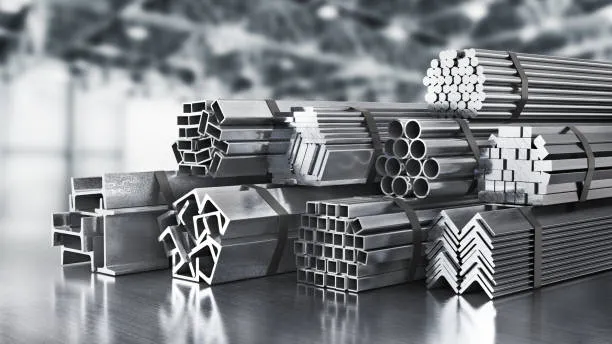
Metal Materials
45 Steel (High-Quality Carbon Steel)
- Properties: 45 steel is a popular medium-carbon steel. It has good mechanical properties but low hardenability. It can crack during water quenching.
- Uses: It’s used in parts that need high strength, such as turbine rotors, compressor pistons, shafts, gears, and racks.
Q235A (A3 Steel)
- Properties: This steel offers good weldability, plasticity, and toughness with decent strength. It’s also great for cold bending.
- Uses: It’s used for general parts and welded structures like rods, links, pins, screws, nuts, and supports.
40Cr (Alloy Steel)
- Properties: After heat treatment, 40Cr has excellent mechanical properties. It is impact-resistant at low temperatures and has great hardenability.
- Uses: Used in medium-speed, medium-load parts, like machine gears, shafts, and splined shafts.
HT150 (Gray Cast Iron)
- Properties: Known for good machining properties, vibration dampening, and moderate strength. It has a tensile strength of at least 150 MPa.
- Uses: Commonly used in gearboxes, machine beds, valve bodies, flywheels, and cylinder heads.
35 Steel
- Properties: Offers moderate strength and good plasticity, with decent cold workability.
- Uses: Ideal for parts that need to bear heavy loads, such as crankshafts, levers, and hooks.
0Cr18Ni10 (304 Stainless Steel)
- Properties: Known for excellent corrosion resistance, heat resistance, and low-temperature strength. It also has good formability and no magnetic properties.
- Uses: Widely used in food equipment, chemical equipment, and nuclear applications.
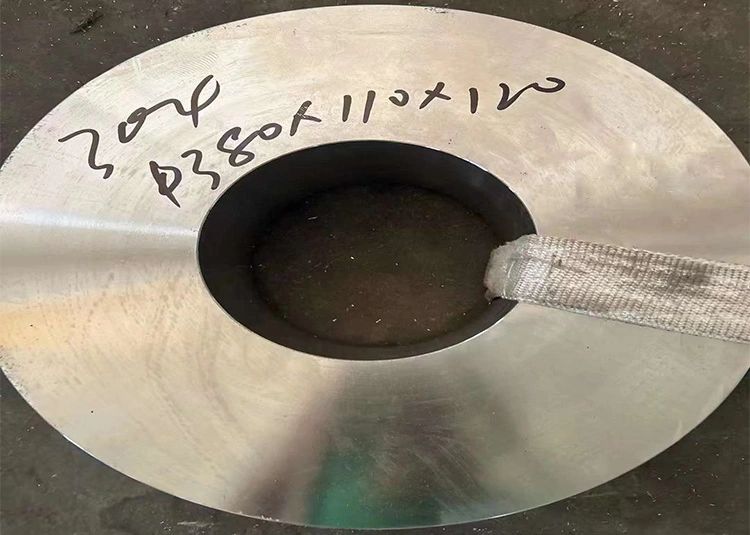
65Mn (Spring Steel)
- Properties: Offers great elasticity and resistance to fatigue.
- Uses: Commonly used in small springs, seat springs, and watch springs.
Cr12 (Cold Work Tool Steel)
- Properties: High wear resistance and hardenability.
- Uses: Ideal for making cold-work dies and punches, with less impact load.
DC53 (High Toughness Cold Work Tool Steel)
- Properties: After tempering, it maintains high hardness and toughness with good wire-cutting performance.
- Uses: Common in precision stamping dies and stretch dies.
SKD11 (Tough Chromium Steel)
- Properties: Has excellent toughness and wear resistance, extending the life of tools.
- Uses: Used for high-precision, long-lasting dies and cutting tools like stretch dies and cold-extrusion dies.
ASP-23 (Powder Metallurgy High-Speed Steel)
- Properties: Excellent wear resistance, toughness, and ease of machining. Stable during heat treatment.
- Uses: Ideal for long-lasting cutting tools, including punches, deep drawing dies, and drills.
P20 (Plastic Mold Steel)
- Properties: Suitable for electrical erosion, with hardness between 270-300 HB.
- Uses: Commonly used in plastic injection molding.
718 (High-Performance Plastic Mold Steel)
- Properties: Suitable for electrical erosion with hardness of 290-330 HB.
- Uses: Ideal for demanding plastic molds.
Nak80 (High-Precision Plastic Mold Steel)
- Properties: Pre-hardened with HB370-400, ideal for mirror finishes and high-precision parts.
- Uses: Perfect for making high-precision plastic molds with mirror finishes.
S136 (Corrosion-Resistant Plastic Mold Steel)
- Properties: Excellent for corrosion resistance and mirror polishing.
- Uses: Used for molds that need corrosion resistance and polishing.
H13 (Common Die Casting Material)
- Properties: Great heat resistance and wear resistance.
- Uses: Used in die casting for materials like aluminum and zinc.
SKD61 (High-End Die Casting Material)
- Properties: Improved life after electric furnace remelting.
- Uses: Ideal for hot stamping and aluminum extrusion molds.
8407 (Premium Die Casting Material)
- Properties: High strength and wear resistance.
- Uses: Used in high-stress dies like hot stamping and extrusion molds.
Cr12MoV (Alloy Tool Steel)
- Properties: Excellent hardenability, wear resistance, and high strength.
- Uses: Used in cold-work dies and tools for complex shapes and heavy-duty work.
0Cr18Ni9 (Common Stainless Steel)
- Properties: Similar to 304 stainless steel, it’s known for excellent corrosion and heat resistance.
- Uses: Used in food, chemical, and nuclear equipment.
Non-Metal Materials
GFRP (Glass Fiber Reinforced Plastic)
- Properties: Lightweight, high strength, and corrosion-resistant.
- Uses: Used for vehicle bodies, ship hulls, and wind turbine blades.
PC (Polycarbonate)
- Properties: Excellent clarity, impact resistance, and heat resistance.
- Uses: Used for safety glasses, CDs, and medical devices.
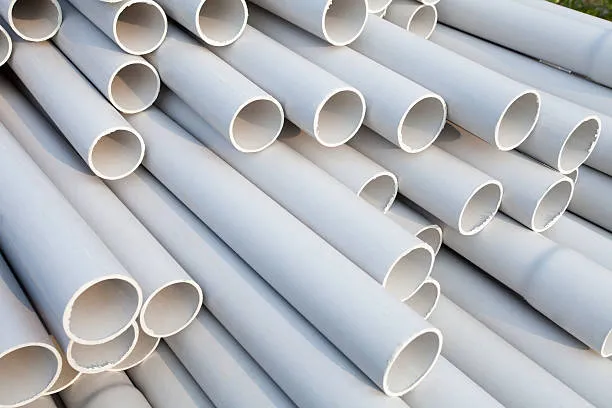
PVC (Polyvinyl Chloride)
- Properties: Cost-effective, good processability, and weather resistance.
- Uses: Used for pipes, flooring, and electrical insulation.
Nylon
- Properties: Excellent wear resistance, elasticity, and self-lubrication.
- Uses: Used for gears, bearings, and ropes.
Rubber
- Properties: Excellent elasticity, wear resistance, and sealing properties.
- Uses: Common in tires, seals, and shock absorbers.
Ceramics
- Properties: High hardness, high melting point, and corrosion resistance.
- Uses: Used for tools, engine components, and artwork.
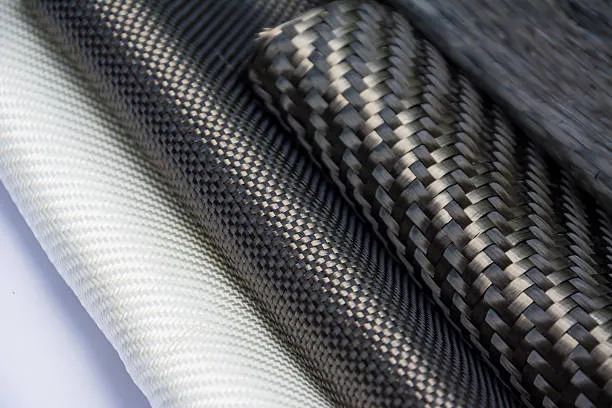
Composites
- Properties: Strong, lightweight, and corrosion-resistant due to the combination of materials.
- Uses: Increasingly important in high-performance parts across mechanical engineering.
Conclusion
Understanding metal material properties is crucial in mechanical engineering. Knowing which metal materials to use for each type of project is key to ensuring high performance, reliability, and durability. The metal materials listed above represent some of the most commonly used in the industry, and understanding them will serve you well in your career as a mechanical engineer.
FAQs
Why is material selection important in mechanical engineering?
The right material affects the product’s performance, durability, and cost. Choosing poorly can lead to breakdowns, inefficiency, and higher production costs.
How do I choose the right material for my project?
Consider the material’s strength, durability, cost, and how it will be used. Testing and research can help ensure you select the best material.
What are some common materials for structural parts?
Steel, stainless steel, and cast iron are common choices due to their strength and ability to handle stress.
Read More:
How to Prevent Cracks in High Manganese Steel Castings
Understanding the 316LN Stainless Steel Casting Process
Types and Applications of Cemented Carbide: A Clear Overview