
Introduction to Stainless Steel Sheet
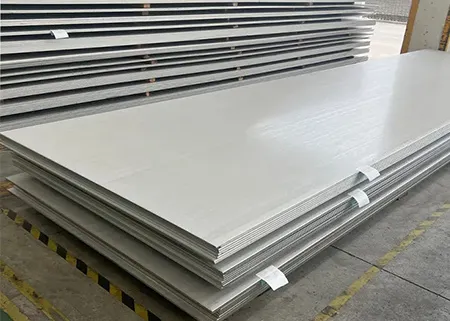
What is Stainless Steel Sheet
Stainless steel sheet is a type of metal material, usually made from an alloy of iron, carbon, chromium, nickel, and other elements. Its characteristics include excellent corrosion resistance, heat resistance, mechanical properties, and aesthetics, making it widely used in many industrial fields and daily life. The thinnest thickness can be 0.015mm.
Importance of Stainless Steel Sheet
Durability
Stainless steel sheet is renowned for the exceptional durability, making it ideal for demanding industrial applications.
Corrosion Resistance
One of the primary advantages is its resistance to corrosion, especially in harsh environments where exposure to chemicals, moisture, and extreme temperatures is common.
Hygienic Properties
Stainless steel’s smooth, non-porous surface is easy to clean and maintain, making it a preferred choice for industries with strict hygiene standards.
Aesthetic Appeal
Beyond its functional properties, stainless steel sheet offer a sleek, modern appearance that enhances the visual appeal of products and structures.
Versatility in Various Industries
Stainless steel sheet find extensive use across a range of industries due to the unique properties:
Nuclear Power Industry
Corrosion Resistance: Critical components in nuclear power plants require materials that can withstand harsh conditions without degrading.
Radiation Resistance: Stainless steel’s ability to resist radiation damage is crucial for components exposed to nuclear radiation.
Longevity: The longevity of stainless steel sheet ensures the safety and reliability of nuclear power infrastructure.
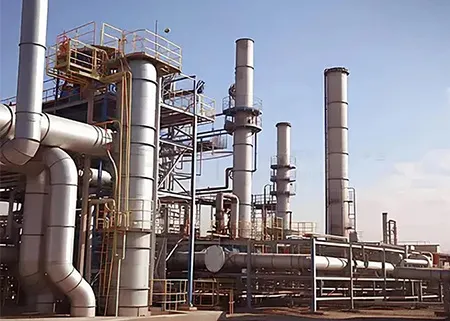
Chemical Industry
Corrosive Environments: Chemical processing facilities often deal with highly corrosive substances, where stainless steel’s corrosion resistance is invaluable.
Strength and Reliability: Stainless steel sheets maintain their structural integrity even in aggressive chemical environments.
Purity: Stainless steel’s non-reactive nature ensures that it does not contaminate chemicals or products in the manufacturing process.
Machinery Industry
Strength-to-Weight Ratio: Stainless steel’s strength-to-weight ratio makes it ideal for manufacturing machinery parts that require both strength and lightness.
Machinability: Stainless steel can be easily machined and fabricated into complex shapes, meeting the diverse needs of machinery manufacturers.
Low Maintenance: Machinery made with stainless steel requires minimal maintenance, reducing downtime and costs.
Oil and Gas Industry
Corrosion and Abrasion Resistance: In oil rigs and pipelines, stainless steel sheets are used for their resistance to corrosion from saltwater and abrasive materials.
High Temperatures: Stainless steel’s ability to withstand high temperatures without losing strength is crucial in the oil and gas sector.
Longevity in Harsh Environments: Stainless steel components have a long service life, even in offshore or onshore environments with extreme conditions.
Medical and Food Industries
Medical Industry:
Surgical Instruments and Equipment: Stainless steel is used to manufacture surgical instruments such as scalpels, scissors, forceps, and more. Its smooth surface and resistance to rust ensure the hygiene and safety of surgical procedures.
Medical Devices and Instruments: Medical-grade stainless steel is widely applied in the production of medical devices and instruments like surgical tables, syringes, and medical needle tubes, ensuring the cleanliness and durability of the equipment.
Medical Tools and Consumables: Stainless steel is also used to make various medical tools and consumables such as IV needles, catheters, and stents, ensuring their safety and durability within the human body.
Food Industry:
Food Processing Equipment: Stainless steel is extensively used in the manufacturing of food processing equipment such as food processing machinery, conveyors, and tanks. Its corrosion resistance and high-temperature performance ensure the hygiene and safety of the food processing process.
Storage and Transportation Equipment: Stainless steel tanks and containers are used for storing and transporting various liquid and solid foods such as dairy products, fruit juices, and alcoholic beverages. Their resistance to rust and easy-to-clean properties help maintain the quality and hygiene of the food.
Kitchen Equipment and Utensils: Stainless steel is widely used in the manufacturing of kitchen equipment and utensils such as cookware, knives, and bowls. Its durability and ease of cleaning ensure the hygiene and safety of food preparation and consumption processes.
Economic Significance
Contribution to GDP
Stainless steel’s role in these industries is not just technical but also economic, contributing significantly to GDP through manufacturing and exports.
Employment
The production and use of stainless steel sheets support a wide range of employment opportunities, from manufacturing to maintenance.
Environmental Considerations
Recyclability
Stainless steel is highly recyclable, making it an environmentally sustainable choice for industries concerned with reducing their carbon footprint.
Green Credentials
Its long lifespan and recyclability contribute to a positive environmental image for industries using stainless steel sheets.
Understanding Stainless Steel Sheets
Stainless Steel Sheets/Plates Division
Stainless steel sheets are classified based on their thickness, which can range from ultra-thin foils to thicker plates.
Common thickness categories include:
| Thickness Category | Thickness Range (mm) | Thickness Range (inches) | Examples of Applications |
| Foil | Less than 0.25mm | Less than 0.01 inches | – Aluminum foil for packaging and insulation |
| – Thin copper foil for circuit boards | |||
| – Thin plastic films for packaging | |||
| Thin Sheet | 0.25mm – 6mm | 0.01 – 0.24 inches | – Corrugated metal roofing |
| – Automotive body panels | |||
| – Thin stainless steel sheets for appliances | |||
| – Thin plastic sheets for signs and displays | |||
| Medium Plate | 6mm – 20mm | 0.24 – 0.79 inches | – Structural components in buildings and bridges |
| – Shipbuilding for hulls and decks | |||
| – Machinery and equipment manufacturing | |||
| – Aluminum plates for aerospace components | |||
| Thick Plate | 20mm and above | 0.79 inches and above | – Industrial machinery bases |
| – Large structural components in construction | |||
| – Heavy-duty truck frames and chassis | |||
| – Armor plating for military vehicles and fortifications |
Stainless Steel Sheet Types and Grades
Austenitic Stainless Steel Sheets
Description: Austenitic stainless steel sheets are known for their excellent corrosion resistance and formability.
Applications: Widely used in food processing, chemical tanks, and architectural applications.
Examples: Types 304, 316, and 321 stainless steel sheets.
Ferritic Stainless Steel Sheets
Description: Ferritic stainless steel sheets are notable for their magnetic properties and good corrosion resistance.
Applications: Used in automotive applications, appliances, and industrial equipment.
Examples: Types 430 and 444 stainless steel sheets.
Martensitic Stainless Steel Sheets
Description: Martensitic stainless steel sheets are known for their high strength and wear resistance.
Applications: Used in cutlery, surgical instruments, and aerospace components.
Examples: Types 410 and 420 stainless steel sheets.
Duplex Stainless Steel Sheets
Description: Duplex stainless steel sheets combine the properties of austenitic and ferritic stainless steels.
Applications: Commonly used in chemical processing, oil and gas, and marine environments.
Examples: Types 2205 and 2507 stainless steel sheets.
Precipitation Hardening Steel
Description: Precipitation hardening steel is a type of steel that achieves enhanced hardness and strength through the formation of stable precipitates of alloying elements during a specific heat treatment process.
Applications: This steel is commonly used in industries such as aerospace, automotive, and medical, where high strength, corrosion resistance, and dimensional stability are crucial.
Examples: Examples of precipitation hardening steels include 17-4PH (0Cr17Ni4Cu4), 17-7PH (0Cr17Ni7Al), and 15-5PH (0Cr15Ni7Mo2Al).
Advantages over Other Materials
Corrosion Resistance
Stainless steel sheets offer superior corrosion resistance compared to materials like carbon steel, especially in acidic or corrosive environments.
Strength
Stainless steel sheets maintain their strength at high temperatures, making them suitable for applications where structural integrity is crucial.
Hygiene and Cleanliness
The smooth surface of stainless steel sheets is easy to clean and maintain, making it ideal for industries with stringent hygiene requirements like food processing and healthcare.
Aesthetic Appeal
Stainless steel sheets provide a sleek, modern appearance that enhances the visual appeal of products and structures.
Longevity
Due to its resistance to corrosion and wear, stainless steel sheets have a long service life, reducing the need for frequent replacements.
Recyclability
Stainless steel is 100% recyclable without any loss of quality, contributing to sustainability and reducing environmental impact.
Comparison to Other Materials
Stainless Steel vs. Carbon Steel
Stainless steel sheets offer better corrosion resistance than carbon steel, making them suitable for outdoor and marine applications.
Carbon steel may be stronger in some cases, but stainless steel maintains its strength at high temperatures.
| Characteristic | Stainless Steel | Carbon Steel |
| Corrosion Resistance | Highly resistant to corrosion | Susceptible to corrosion, requires protection |
| Strength | Good strength, varies by grade | Generally strong and durable |
| Aesthetic Appeal | Shiny, attractive appearance | Plain appearance, often needs coatings |
| Hygiene | Suitable for hygienic environments | Used in non-sanitary environments |
| Cost | More expensive due to corrosion resistance | More cost-effective option |
| Machinability | Less machinable than carbon steel | Easier to machine and fabricate |
| Weldability | Generally weldable | Easily weldable |
| Grades | Various grades (e.g., 304, 316, 430) | Different grades (mild, medium, high carbon) |
| Common Applications | Food processing, medical equipment, marine | Construction, pipelines, automotive, |
| applications, decorative | machinery, structural applications |
Stainless Steel vs. Aluminum
Stainless steel sheets have superior corrosion resistance compared to aluminum, especially in acidic environments.
Aluminum may be lighter, but stainless steel provides better strength and durability.
| Characteristic | Stainless Steel | Aluminum |
| Corrosion Resistance | Highly resistant to corrosion | Prone to corrosion in certain environments |
| Strength | Strong and durable, varies by grade | Less strong than steel, but still durable |
| Aesthetic Appeal | Shiny, attractive appearance | Can have a shiny or matte finish |
| Weight | Heavier than aluminum | Lightweight |
| Cost | More expensive than aluminum | Generally less expensive than stainless steel |
| Conductivity | Poor thermal and electrical conductivity | Excellent thermal and electrical conductivity |
| Machinability | More difficult to machine than aluminum | Easy to machine and fabricate |
| Weldability | Weldable but requires skill | Easily weldable |
| Recyclability | Recyclable but energy-intensive process | Highly recyclable, energy-efficient process |
| Corrosion Resistance | Highly resistant to corrosion | Prone to corrosion in certain environments |
| Durability | Very durable, resistant to scratches and dents | Can dent or scratch more easily |
| Applications | Food processing, marine, medical equipment | Aerospace, automotive, construction, |
| Architectural, automotive parts, cutlery | packaging, electronics |
Stainless Steel Sheet Properties
Mechanical Properties
Tensile Strength
Tensile strength is a basic mechanical property found in materials like stainless steel. It simply means the maximum stress a material can handle when it’s being stretched or pulled before it breaks. In the case of stainless steel, its tensile strength is crucial for understanding how well it will perform and whether it’s suitable for different uses. Here are examples of different stainless steel materials and their tensile strength values:
Examples of Tensile Strength in Stainless Steel:
| Stainless Steel Grade | Tensile Strength (MPa) | Tensile Strength (ksi) |
| 304 | 515 – 690 | 74.7 – 100 |
| 316 | 515 – 690 | 74.7 – 100 |
| 430 | 450 – 600 | 65.3 – 87.0 |
| 410 | 450 – 600 | 65.3 – 87.0 |
| 201 | 655 – 930 | 95.0 – 135 |
| 2205 (Duplex) | 620 – 860 | 89.9 – 124.7 |
| 17-4 PH | 1000 – 1200 | 145 – 174 |
| 301 | 515 – 965 | 74.7 – 140 |
Yield Strength
Yield strength is another important mechanical property of materials, including stainless steel. It refers to the stress at which a material begins to deform plastically, meaning it undergoes permanent deformation without further increase in load. In the context of stainless steel, yield strength is a crucial parameter for determining its ability to withstand loads and stresses without permanent deformation. Here are examples of different stainless steel materials and their yield strength values:
Examples of Yield Strength in Stainless Steel:
| Stainless Steel Grade | Yield Strength (MPa) | Yield Strength (ksi) |
| 304 | 205 – 275 | 29.7 – 39.9 |
| 316 | 205 – 275 | 29.7 – 39.9 |
| 430 | 205 – 275 | 29.7 – 39.9 |
| 410 | 205 – 275 | 29.7 – 39.9 |
| 201 | 275 – 360 | 39.9 – 52.2 |
| 2205 (Duplex) | 450 – 620 | 65.3 – 89.9 |
| 17-4 PH | 860 – 1000 | 124.7 – 145 |
| 301 | 205 – 275 | 29.7 – 39.9 |
| 904L | 220 – 250 | 31.9 – 36.3 |
| 316L | 170 – 310 | 24.7 – 45.0 |
Hardness
Hardness is a measure of a material’s resistance to penetration, indentation, or scratching. In the context of stainless steel, hardness is an important property that indicates the material’s ability to withstand wear, abrasion, and deformation. There are different hardness tests used to measure the hardness of stainless steel, such as Rockwell hardness (HRC), Brinell hardness (HB), and Vickers hardness (HV). Here are examples of different stainless steel materials and their hardness values:
Examples of Hardness in Stainless Steel:
| Stainless Steel Grade | Rockwell Hardness (HRC) | Brinell Hardness (HB) | Vickers Hardness (HV) |
| 304 | 70 – 90 | 143 – 213 | 140 – 200 |
| 316 | 70 – 90 | 137 – 209 | 140 – 210 |
| 430 | 55 – 75 | 183 – 253 | 200 – 220 |
| 410 | 20 – 45 | 196 – 250 | 200 – 250 |
| 201 | 75 – 90 | 183 – 248 | 210 – 260 |
| 2205 (Duplex) | 31 – 34 | 293 – 310 | 300 – 320 |
| 17-4 PH | 26 – 46 | 363 – 400 | 360 – 400 |
| 301 | 45 – 55 | 196 – 280 | 200 – 300 |
| 904L | 65 – 85 | 150 – 190 | 160 – 190 |
| 316L | 70 – 85 | 126 – 170 | 130 – 190 |
Elongation
Elongation is a mechanical property that measures the percentage increase in length of a material when subjected to tensile (pulling) forces before it fractures. In stainless steel, elongation is an important indicator of ductility, which is the ability of a material to deform before breaking. Here are examples of different stainless steel materials and their elongation values:
Examples of Elongation in Stainless Steel:
| Stainless Steel Grade | Elongation (%) |
| 304 | 40 – 60 |
| 316 | 40 – 60 |
| 430 | 22 – 36 |
| 410 | 20 – 30 |
| 201 | 40 – 50 |
| 2205 (Duplex) | 25 – 35 |
| 17-4 PH | 10 – 20 |
| 301 | 40 – 60 |
| 904L | 35 – 45 |
| 316L | 40 – 60 |
Corrosion Resistance
Resistance to Corrosive Environments
Resistance to corrosive environments is a critical property of stainless steel, making it suitable for various applications where exposure to corrosive substances is common. Here are examples of different stainless steel materials and their resistance to corrosive environments:
Examples of Resistance to Corrosive Environments in Stainless Steel:
| Stainless Steel Grade | Corrosion Resistance | Applications |
| 304 | Excellent resistance to many corrosive environments, particularly in mild conditions. | – Kitchen equipment – Architectural trim – Food processing equipment |
| 316 | Excellent resistance to corrosion, especially in marine and chemical environments. | – Marine applications – Chemical processing equipment – Medical devices |
| 430 | Fair resistance to some corrosive environments, especially atmospheric conditions. | – Household appliances – Indoor applications |
| 410 | Moderate resistance to corrosion, mainly in dry or mildly corrosive environments. | – Cutlery – Fasteners – Industrial equipment |
Passivation
Passivation is a process in which a protective oxide layer is formed on the surface of stainless steel. This oxide layer enhances the material’s corrosion resistance by making it more resistant to attack from corrosive substances.
Thermal and Electrical Conductivity
Thermal Conductivity
Thermal conductivity refers to the ability of a material to conduct heat. In the context of stainless steel, thermal conductivity is an important property that determines how efficiently heat can be transferred through the material. Here are some key points regarding the thermal conductivity of stainless steel.
Electrical Conductivity
Thermal conductivity refers to the ability of a material to conduct heat. In the context of stainless steel, thermal conductivity is an important property that determines how efficiently heat can be transferred through the material.
Thermal Conductivity and Electrical Conductivity Table
| Stainless Steel Grade | Thermal Conductivity (W/(m·K)) | Electrical Conductivity (S/m) |
| 304 | 14.4 – 19.2 | 1.45×10^6 |
| 316 | 14.6 – 16.3 | 1.39×10^6 |
| 430 | 12.0 – 17.2 | 1.25×10^6 |
| 410 | 24.9 | 3.68×10^6 |
| 201 | 16.2 | 1.45×10^6 |
| 2205 | 15.0 – 17.0 | 1.1×10^6 |
Stainless Steel Sheet Properties Table
| Properties | Austenitic Stainless Steel (Type 304) | Ferritic Stainless Steel (Type 430) | Martensitic Stainless Steel (Type 410) | Duplex Stainless Steel (Type 2205) |
| Tensile Strength (MPa) | 520 – 720 | 450 – 600 | 450 – 600 | 620 – 800 |
| Yield Strength (MPa) | 210 – 350 | 205 – 275 | 205 – 275 | 450 – 620 |
| Hardness (Brinell) | 160 – 210 | 150 – 180 | 150 – 200 | 230 – 280 |
| Elongation (%) | 40 – 60 | 22 – 30 | 20 – 30 | 25 – 30 |
| Corrosion Resistance | Excellent | Good | Good | Excellent |
| Thermal Conductivity (W/m·K) | 16.2 | 24.0 | 24.9 | 14.2 |
| Electrical Conductivity (%IACS) | 2.4 | 2.3 | 2.4 | 3.0 |
Notes:
- Thermal conductivity is expressed in watts per meter per Kelvin (W/(m·K)).
- Electrical conductivity is expressed in Siemens per meter (S/m).
- The values provided are approximate and can vary based on specific alloy composition and manufacturing processes.
- These properties play a crucial role in selecting the appropriate stainless steel grade for various applications, considering heat transfer and electrical requirements.
This table provides a comparison of several stainless steel grades, highlighting their thermal conductivity and electrical conductivity properties. Different grades exhibit different levels of these properties, making them suitable for specific applications based on thermal and electrical requirements.
Stainless Steel Sheet Sizes, Weight Chart, and Tolerance
Standard Sizes and Dimensions
Stainless Steel Sheet Width Chart
| Thickness (mm) | Width (mm) |
| 0.5 – 1.2 | 1000, 1219, 1500, 1524, 2000, 2032, 2500, 3048 |
| 1.5 – 2.0 | 1000, 1219, 1500, 1524, 2000, 2032, 2500, 3048 |
| 2.5 – 3.0 | 1000, 1219, 1500, 1524, 2000, 2032, 2500, 3048 |
Stainless Steel Sheet Coil Width Chart
| Thickness (mm) | Coil Width (mm) |
| 0.3 – 0.5 | 1000, 1219 |
| 0.5 – 1.2 | 1000, 1219, 1500 |
| 1.2 – 2.0 | 1000, 1219, 1500, 1524 |
| 2.0 – 3.0 | 1000, 1219, 1500, 1524, 2000 |
Stainless Steel Sheet Gauge Chart
| Gauge (GA) | Thickness (mm) | Thickness (inch) |
| 3 | 6.073 | 0.2391 |
| 4 | 5.189 | 0.2043 |
| 5 | 4.621 | 0.1819 |
| 6 | 4.115 | 0.1620 |
| 7 | 3.665 | 0.1443 |
| 8 | 3.264 | 0.1285 |
| 9 | 2.906 | 0.1144 |
| 10 | 2.588 | 0.1019 |
| 11 | 2.304 | 0.0907 |
| 12 | 2.052 | 0.0808 |
| 13 | 1.829 | 0.0720 |
| 14 | 1.628 | 0.0641 |
| 15 | 1.449 | 0.0571 |
| 16 | 1.291 | 0.0508 |
| 17 | 1.151 | 0.0453 |
| 18 | 1.024 | 0.0403 |
| 19 | 0.912 | 0.0359 |
| 20 | 0.812 | 0.0320 |
| 21 | 0.723 | 0.0285 |
| 22 | 0.643 | 0.0253 |
| 23 | 0.573 | 0.0226 |
| 24 | 0.511 | 0.0201 |
| 25 | 0.455 | 0.0179 |
| 26 | 0.405 | 0.0159 |
| 27 | 0.361 | 0.0142 |
| 28 | 0.321 | 0.0126 |
| 29 | 0.286 | 0.0113 |
| 30 | 0.255 | 0.0100 |
| 31 | 0.227 | 0.0089 |
| 32 | 0.202 | 0.0080 |
| 33 | 0.180 | 0.0071 |
| 34 | 0.160 | 0.0063 |
| 35 | 0.143 | 0.0056 |
| 36 | 0.127 | 0.0050 |
These are standard sizes and dimensions for stainless steel sheets commonly used in the industry. Custom sizes can also be manufactured based on specific requirements.
Stainless Steel Sheet Weight Calculator
The weight of stainless steel sheets can be calculated using the following formulas :
Weight (kg) = Thickness (mm) x Width (mm) x Length (mm) x Density (g/cm³)
Stainless Steel Sheet Density
| Stainless Steel Type | Density (g/cm³) | Density (lb/in³) |
| Austenitic (e.g., 304, 316) | 7.9 | 0.285 |
| Martensitic (e.g., 410) | 7.7 | 0.278 |
| Ferritic (e.g., 430) | 7.7 | 0.278 |
Stainless Steel Sheet Weight Chart
The weight chart provides estimated weights for stainless steel sheets of different thicknesses, widths, and lengths.
| Thickness (mm) | Thickness (inches) | Size (mm x mm) | Size (inches x inches) | Weight (kg/sheet) | Weight (lb/sheet) |
| 0.5 | 0.0197 | 1000 x 2000 | 39.37 x 78.74 | 7.85 | 17.32 |
| 0.8 | 0.0315 | 1000 x 2000 | 39.37 x 78.74 | 12.56 | 27.70 |
| 1.0 | 0.0394 | 1000 x 2000 | 39.37 x 78.74 | 15.70 | 34.61 |
| 1.5 | 0.0591 | 1000 x 2000 | 39.37 x 78.74 | 23.55 | 51.92 |
| 2.0 | 0.0787 | 1000 x 2000 | 39.37 x 78.74 | 31.40 | 69.23 |
| 2.5 | 0.0984 | 1000 x 2000 | 39.37 x 78.74 | 39.25 | 86.53 |
| 3.0 | 0.1181 | 1000 x 2000 | 39.37 x 78.74 | 47.10 | 103.84 |
| 4.0 | 0.1575 | 1000 x 2000 | 39.37 x 78.74 | 62.80 | 138.46 |
| 5.0 | 0.1969 | 1000 x 2000 | 39.37 x 78.74 | 78.50 | 173.08 |
| 6.0 | 0.2362 | 1000 x 2000 | 39.37 x 78.74 | 94.20 | 207.69 |
Stainless Steel National Standards
Stainless steel is a versatile and widely used material in various industries, known for its corrosion resistance and durability. National standards help ensure uniformity and quality in the production and use of stainless steel. Here are some common national standards for stainless steel:
ASTM International (United States)
| Standard | Description |
| ASTM A480 | General Requirements for Flat-Rolled Stainless and Heat-Resisting Steel Plate, Sheet, and Strip |
| ASTM A240 | Chromium and Chromium-Nickel Stainless Steel Plate, Sheet, and Strip for Pressure Vessels and for General Applications |
| ASTM A276 | Stainless Steel Bars and Shapes |
| ASTM A312 | Seamless, Welded, and Heavily Cold Worked Austenitic Stainless Steel Pipes |
| ASTM A479 | Stainless Steel Bars and Shapes for Use in Boilers and Other Pressure Vessels |
| ASTM A554 | Welded Stainless Steel Mechanical Tubing |
European Standards (EN)
| Standard | Description |
| EN 10088-2 | Technical Delivery Conditions for Sheet/Plate and Strip of Corrosion Resisting Steels for General Purposes |
| EN 10259 | Cold-Rolled Stainless Steel Wide Strip and Plate/Sheet – Tolerances on Dimensions and Shape |
| EN 10217 | Welded Steel Tubes for Pressure Purposes – Technical Delivery Conditions – Part 7: Stainless Steel Tub |
Japanese Industrial Standards (JIS)
| Standard | Description |
| JIS G4303 | Stainless Steel Bars |
| JIS G4304 | Hot-Rolled Stainless Steel Plate, Sheet, and Strip |
| JIS G4305 | Cold-Rolled Stainless Steel Plate, Sheet, and Strip |
| JIS G4318 | Cold Finished Stainless Steel Bars |
| JIS G3468 | Large Diameter Welded Stainless Steel Pipes |
British Standards (BS)
| Standard | Description |
| BS EN 10088-2 | Technical Delivery Conditions for Sheet/Plate and Strip of Corrosion Resisting Steels for General Purposes |
| BS EN 10259 | Cold-Rolled Stainless Steel Wide Strip and Plate/Sheet – Tolerances on Dimensions and Shape |
| BS 1449 | Steel Plate, Sheet, and Strip – Specification for Stainless and Heat-Resisting Steel Plate, Sheet, and Strip |
Deutsches Institut für Normung (DIN) – Germany
| Standard | Description |
| DIN EN 10088-2 | Technical Delivery Conditions for Sheet/Plate and Strip of Corrosion Resisting Steels for General Purposes |
| DIN EN 10259 | Cold-Rolled Stainless Steel Wide Strip and Plate/Sheet – Tolerances on Dimensions and Shape |
| DIN EN 10272 | Stainless Steel Bars for Pressure Purposes |
| DIN 59381 | Stainless Steel Tubes of a Kind Used for Water Piping |
| DIN 17441 | Stainless Steels – Technical Delivery Conditions for Cold Rolled Strips and Slit Coils, Wide Strips, Plates, Sheets, and Cut Lengths |
Chinese National Standards (GB/T) – China
| Standard | Description |
| GB/T 3280-2015 | Cold-Rolled Stainless Steel Plate/Sheet and Strip |
| GB/T 4237-2015 | Hot-Rolled Stainless Steel Plate/Sheet and Strip |
| GB/T 14975-2012 | Seamless Stainless Steel Tubes for Structure |
| GB/T 14976-2012 | Seamless Stainless Steel Pipes for Fluid Transport |
| GB/T 18705-2002 | Welded Stainless Steel Pipes for Decoration |
International Organization for Standardization (ISO)
| Standard | Description |
| ISO 15510 | Stainless Steels – Chemical Composition |
| ISO 16143 | Stainless Steels for General Purposes |
| ISO 9445 | Continuously Cold-Rolled Stainless Steel – Tolerances on Dimensions and Form |
Tolerance Standards
Tolerance standards for stainless steel sheet manufacturing ensure the specified dimensions are met within acceptable limits.
| Standard | Thickness Tolerance (mm) | Width Tolerance (mm) | Length Tolerance (mm) | Flatness Tolerance (mm/m) |
| ASTM A480 | ||||
| Type 304/304L, 316/316L, 321, 347 | ± 0.13 | ± 6.4 | Specified* | Not Specified |
| Type 201, 202 | ± 0.20 | ± 6.4 | Specified* | Not Specified |
| ASTM A666 | ||||
| Type 304/304L, 316/316L | ± 0.030 (CR) | ± 0.38 (CR) | Specified* | Not Specified |
| EN 10259 | ||||
| Cold-Rolled Stainless Steel Wide Strip | ± 0.05 (CR) | ± 0.5 (CR) | Specified* | Not Specified |
| EN 10029 | ||||
| Hot-Rolled Steel Plates (not specific to SS) | ± 0.3 (3 – 100mm) | ± 5 (1000 – 1500mm) | Specified* | Not Specified |
| JIS G4305 | ||||
| Cold-Rolled Stainless Steel Plate, Sheet | ± 0.05 (CR) | ± 0.5 (CR) | Specified* | Not Specified |
| JIS G4304 | ||||
| Hot-Rolled Stainless Steel Plate, Sheet | ± 0.5 (HR) | ± 5 (HR) | Specified* | Not Specified |
| GB/T 3280-2015 | ||||
| Cold-Rolled Stainless Steel Plate/Sheet | ± 0.03 (CR) | ± 6 (CR) | Specified* | Not Specified |
| GB/T 4237-2015 | ||||
| Hot-Rolled Stainless Steel Plate/Sheet | ± 0.5 (HR) | ± 10 (HR) | Specified* | Not Specified |
| DIN EN 10259 | ||||
| Cold-Rolled Stainless Steel Wide Strip | ± 0.05 (CR) | ± 0.5 (CR) | Specified* | Not Specified |
| DIN 1543 | ||||
| Flat Steel Products | ± 0.3 (3 – 100mm) | ± 3 (1000 – 2000mm) | Specified* | Not Specified |
Note:
- The tolerance values provided are general guidelines and may vary depending on the specific grade, finish, and application of the stainless steel sheet.
- “CR” refers to cold-rolled sheets, while “HR” refers to hot-rolled sheets.
- “Specified*” indicates that the length tolerance is specified for each individual order or contract.
- Flatness tolerance is expressed as the maximum deviation from a perfectly flat surface per meter length.
- For specific applications or critical requirements, always refer to the relevant standard or contact the manufacturer for detailed tolerances.
Manufacturing and Processing Methods
Stainless steel sheets are manufactured through a series of processes that transform raw materials into flat sheets with desired thicknesses, surface finishes, and properties.
The manufacturing process involves melting raw materials, casting, rolling, and finishing to produce sheets ready for various industrial applications.
Hot Rolling
Description
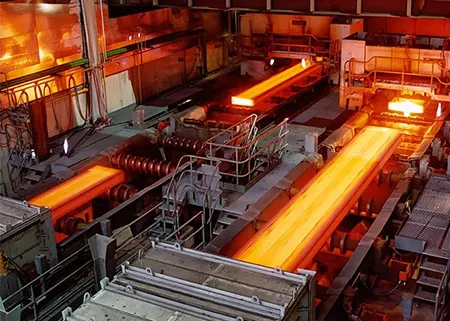
Hot rolling is a metal processing technique used to heat metal ingots to a sufficiently high temperature and then pass them through rolling machinery on rollers to induce plastic deformation. During this process, the metal ingot is pressed, stretched, and deformed, thereby altering its shape and dimensions, ultimately producing the desired metal sheets, profiles, or bars.
Process
- Heating: In the hot rolling process, metal ingots are first heated to an appropriate temperature, typically above their recrystallization temperature, to increase their plasticity and reduce stress during deformation, thereby facilitating subsequent rolling operations.
- Rolling: The heated metal ingots undergo plastic deformation through rolling mills. Usually, the metal ingots are pressed and squeezed between the rollers of the mill, causing plastic deformation and ultimately achieving the desired product shape and dimensions. Rolling mills typically consist of a series of rollers, including roughing and finishing mills, used for continuous rolling operations until the target dimensions are achieved.
- Cooling: After rolling, the products undergo cooling treatment, often through methods such as air cooling or water quenching, to lower the temperature, solidify their structure, and achieve the desired mechanical properties and microstructure.
- Shaping and Leveling: In some cases, the products after rolling may need shaping and leveling operations to eliminate surface defects and adjust size deviations, ensuring the products meet specification requirements.
Advantages
Quick production with high throughput.
Improved mechanical properties due to grain refinement.
Better surface finish compared to the starting material.
Applications
Used for thicker stainless steel sheets and plates.
Cold Rolling
Description
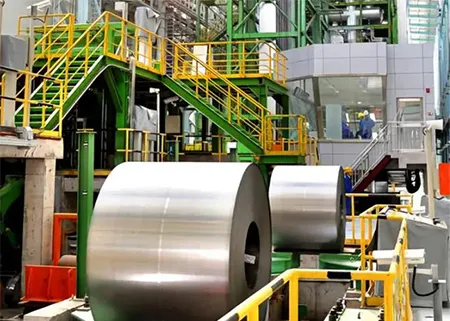
Cold rolling is a metal processing technique that, unlike hot rolling, involves plastic deformation of metal ingots at room temperature or near-room temperature. During the cold rolling process, metal ingots undergo multiple passes through a cold rolling mill, where they are squeezed, stretched, and deformed, thereby altering their shape, dimensions, and surface quality. This process ultimately produces the desired cold rolled products such as cold rolled sheets and coils.
Process
- Processing Temperature: During the cold rolling process, metal ingots are processed at room temperature or near-room temperature. Unlike hot rolling, there is no need for heating the metal ingots. This helps reduce energy consumption and issues related to metal surface oxidation.
- Rolling: At processing temperatures, metal ingots undergo plastic deformation through a cold rolling mill. Cold rolling mills typically consist of a series of rollers where the metal ingots pass through multiple times, inducing plastic deformation and achieving the desired product shape and dimensions. Components of a cold rolling mill usually include roughing mills, finishing mills, and polishing machines to ensure product surface quality and dimensional accuracy.
- Cooling and Annealing: Products after cold rolling may require cooling and annealing processes to solidify their structure and achieve the desired mechanical properties and surface quality. Cooling can be done through methods like air cooling or water quenching, while annealing involves heating and controlling the cooling rate to adjust the product’s structure and properties.
- Surface Treatment: Further treatment of the surface of cold rolled products is often necessary, such as pickling, coating, or polishing, to improve surface quality and appearance, as well as enhance corrosion resistance.
Advantages
Precise control over thickness and surface finish.
Improved flatness and straightness.
Increased strength and hardness due to work hardening.
Applications
Used for thinner stainless steel sheets, foils, and strips.
Other Forming Methods
Deep Drawing
Used to create complex shapes from stainless steel sheets.
The sheet metal is drawn into a die cavity to form intricate parts like kitchen sinks, automotive parts, and containers.
Stamping
Similar to deep drawing but involves compressing the sheet metal with a stamp or die to create shapes.
Used in automotive, aerospace, and appliance industries.
Water Jet Cutting
High-pressure water jets with abrasive materials are used to cut stainless steel sheets into specific shapes and sizes.
Ideal for intricate designs and precision cutting without heat-affected zones.
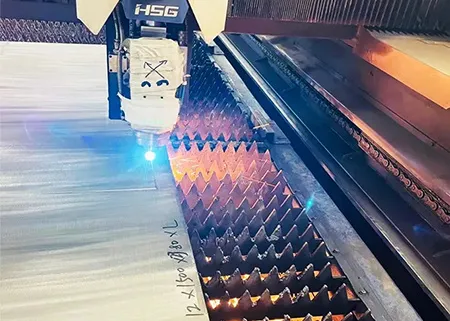
Laser Cutting
Polishing stainless steel sheets is done to achieve a smooth, shiny appearance, enhancing their decorative appeal and aesthetics. The process of polishing stainless steel sheets typically includes the following steps:
- Preparation:Firstly, the stainless steel sheets need to be cleaned to remove surface impurities, dirt, and grease. This can be accomplished through methods such as chemical cleaning, mechanical cleaning, or solvent cleaning.
- Coarse Grinding:After cleaning, abrasive materials such as grinding wheels or sandpaper are used to perform coarse grinding on the stainless steel sheets. This step removes surface irregularities and scratches, making the surface smoother.
- Selection of Polishing Compound and Media:Choose appropriate polishing compounds and media suitable for stainless steel materials. Common polishing compounds include metal polishing pastes, alumina polishing pastes, etc. Polishing media can be metal balls, ceramic balls, etc.
- Polishing Operation:Apply the selected polishing compound to the surface of the stainless steel sheets, then use a polishing machine for the polishing operation. The polishing machine can be a handheld electric polisher or a stationary polishing machine. Choose the appropriate equipment and method based on the requirements.
- Fine Grinding:After polishing, it may be necessary to perform fine grinding to further improve the surface smoothness and flatness. This can be done using fine sandpaper or fine grinding wheels.
- Cleaning and Inspection:Finally, clean the polished stainless steel sheets to remove any residual polishing compound and media. Then inspect the surface to ensure it meets the expected level of smoothness and flatness.
Surface Treatment and Finishing Processes
Pickling
Stainless steel sheets are treated with a pickling solution (usually nitric-hydrofluoric acid) to remove scale, oxides, and contaminants.
This process improves surface cleanliness and prepares the sheet for subsequent treatments.
Passivation
After pickling, stainless steel sheets are often passivated to enhance corrosion resistance.
Passivation involves immersing the sheets in an oxidizing acid solution to promote the formation of a protective oxide layer.
Polishing
Polishing stainless steel sheets is done to achieve a smooth, shiny appearance, enhancing its decorative and aesthetic appeal. Polishing includes Mirror Polishing, Electropolishing, Sandblasting, Chemical Polishing, Hairline etc.
The process of polishing stainless steel sheets typically includes the following steps:
- Preparation:First, the stainless steel sheets need to be cleaned to remove impurities, dirt, and grease from the surface. This can be done through methods like chemical cleaning, mechanical cleaning, or solvent cleaning.
- Coarse Grinding:After cleaning, abrasive materials such as grinding wheels or sandpaper are used to perform coarse grinding on the stainless steel sheets. This helps remove surface irregularities and scratches, making the surface smoother.
- Selection of Polishing Compound and Media:Choose a polishing compound and media suitable for stainless steel materials. Common polishing compounds include metal polishing paste, alumina polishing paste, etc. Polishing media can be metal balls, ceramic balls, etc.
- Polishing Operation:Apply the selected polishing compound to the surface of the stainless steel sheets, then use a polishing machine for the polishing operation. The polishing machine can be a handheld electric polisher or a fixed polisher. Choose the appropriate equipment and method based on the requirements.
- Fine Grinding:After polishing, it may be necessary to perform fine grinding to further improve the surface smoothness and flatness. This can be done using fine sandpaper or fine grinding wheels.
- Cleaning and Inspection:Finally, clean the polished stainless steel sheets to remove any residual polishing compound and media. Then inspect the surface to ensure it meets the expected level of smoothness and flatness.
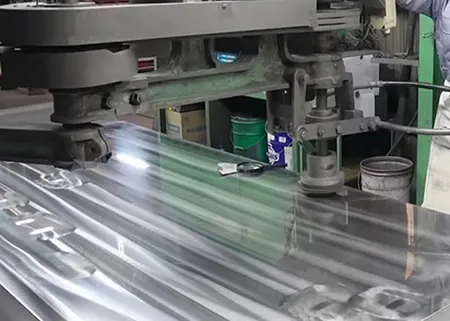
Grinding
Grinding is a metal processing method that involves cutting or wearing down the surface of a workpiece using abrasive materials to improve its surface quality, precision, and shape. This processing method is commonly used in manufacturing components requiring high precision and smooth surfaces, such as automotive parts, mechanical parts, molds, etc.
The grinding process typically includes the following steps:
- Selecting Abrasives: Choose suitable abrasives based on the material, shape, and processing requirements of the workpiece. Common abrasives include grinding wheels, sanding belts, sandpaper, etc., which come in different particle sizes, hardness, and shapes.
- Fixturing the Workpiece: Secure the workpiece to the grinding equipment to ensure stability and safety during the process.
- Choosing Grinding Equipment: Select appropriate grinding equipment based on processing requirements and the shape of the workpiece. Common grinding equipment includes surface grinders, cylindrical grinders, and grinding machines.
- Adjusting Grinding Parameters: Adjust grinding parameters such as grinding speed, feed rate, grinding depth, etc., according to the material and processing requirements of the workpiece.
- Performing Grinding Operation: Start the grinding equipment and bring the abrasive into contact with the workpiece surface to perform the grinding operation. The abrasive cuts or wears down the workpiece surface, gradually removing material to achieve the desired surface precision and shape.
- Inspection and Adjustment: After grinding is completed, inspect the processed workpiece to ensure it meets the expected dimensions and precision requirements. If necessary, perform trimming and adjustments to meet the final processing requirements.
Coating
Stainless steel sheets can be coated with protective films or paints to improve aesthetics and protect against corrosion during storage or transportation.
Applications in Various Industries
Nuclear Power Industry
Specific Applications and Requirements
Containment Vessels: Stainless steel sheets are used in the construction of containment vessels for nuclear reactors.
Heat Exchangers: Sheets are utilized in heat exchangers to transfer heat between reactor coolant loops.
Fuel Storage Tanks: Stainless steel sheets provide durability and corrosion resistance for fuel storage tanks.
Case Studies or Examples
Case Study: In the construction of a nuclear reactor’s containment vessel, stainless steel sheets (such as 304 stainless steel sheet or 316) are used due to their excellent corrosion resistance and strength. This ensures the integrity of the vessel, crucial for containing radioactive materials.
Chemical Industry
Corrosion-Resistant Properties for Chemical Processing
Stainless steel sheets are highly sought after in the chemical industry for their exceptional resistance to corrosion from acids, alkalis, and other harsh chemicals.
They are used in the construction of tanks, pipes, valves, and reactors where corrosive substances are handled.
Common Uses in Chemical Plants
Storage Tanks: Stainless steel sheets are used to construct storage tanks for corrosive chemicals due to their durability and resistance to chemical attack.
Piping Systems: Sheets are utilized in piping systems to transport corrosive fluids safely.
Reaction Vessels: Stainless steel sheets are ideal for constructing reaction vessels where chemical reactions take place.

Case Study
In a chemical processing plant, Type 316 stainless steel sheets are used to fabricate storage tanks for storing sulfuric acid. The corrosion resistance of Type 316 ensures the tanks can withstand the acidic environment without degradation.
Machinery Industry
Applications in Manufacturing Machinery Parts
Stainless steel sheets are used in the machinery industry for a wide range of applications due to their strength, durability, and resistance to wear and corrosion.
Machine Frames and Panels: Sheets are used to construct machine frames, panels, and enclosures due to their structural integrity.
Gears and Shafts: Stainless steel sheets are used to manufacture gears and shafts for their hardness and wear resistance.
Benefits of Using Stainless Steel Sheets in Machinery
Strength: Stainless steel sheets provide high tensile strength, crucial for machinery parts that undergo heavy loads and stress.
Corrosion Resistance: Machinery operating in diverse environments can benefit from stainless steel’s corrosion resistance, ensuring longevity and reliability.
Precision Machining: Stainless steel sheets allow for precise machining, important for creating intricate machinery components.
Case Study
In the production of CNC machines, Type 420 stainless steel sheets are used to manufacture precision gears. The hardness of Type 420 ensures the gears can withstand high loads and maintain accuracy during operation.
Oil and Gas Industry
Resistance to Corrosion in Harsh Environments
Stainless steel sheets are essential in the oil and gas industry, where equipment is exposed to harsh environments with corrosive elements.
Pipelines: Sheets are used to construct pipelines for transporting oil and gas over long distances due to their corrosion resistance.
Oil Rigs and Platforms: Stainless steel sheets are used in the construction of offshore oil rigs and platforms, where they withstand exposure to saltwater and harsh weather conditions.
Typical Applications in Oil Rigs, Pipelines, etc.
Drilling Equipment: Sheets are used in drilling equipment and tools for their strength and resistance to abrasion.
Storage Tanks: Stainless steel sheets are used to fabricate storage tanks for storing crude oil and chemicals used in drilling operations.
Pipe Fittings: Sheets are used to manufacture pipe fittings, valves, and connectors for their corrosion resistance.
Case Study
In an offshore oil rig, Type 2205 duplex stainless steel sheets are used in the construction of the platform’s structural components. The duplex stainless steel offers a combination of strength and corrosion resistance, crucial for withstanding the harsh marine environment.
Medical and Food Industries
Resistance to Corrosion in Highly Sanitary Environments
One of the most important characteristics of stainless steel sheets in the medical and food industries is their excellent corrosion resistance. This makes stainless steel a preferred material for many medical devices and food processing equipment. In the medical field, various surgical instruments and medical equipment are often made from stainless steel because they need to be used for long periods in highly sanitary environments and require frequent cleaning and disinfection. In the food industry, stainless steel is used for manufacturing equipment used for storing and processing food, such as food processing machinery, tanks, conveyors, etc. Due to the nature of food, equipment needs to have excellent corrosion resistance to ensure the quality and safety of food products.
Typical Applications in Specific Equipment
Medical Industry: Stainless steel sheets find widespread use in surgical instruments and medical equipment. For example, surgical knives, scissors, forceps, surgical tables, syringes, catheters, and other medical devices are commonly made from stainless steel. These devices require characteristics such as corrosion resistance, heat resistance, and ease of cleaning to ensure safety and hygiene during medical procedures.
Food Industry: Stainless steel sheets are also crucially important in food processing and storage equipment. For instance, food processing machinery, tanks, conveyor belts, and other equipment are often made from stainless steel to meet the hygiene requirements of food processing. Additionally, stainless steel sheets are commonly used to manufacture kitchen equipment and utensils such as pots, knives, bowls, etc., providing durability and hygienic properties during food processing and consumption.
Case Studies
Medical Industry: A hospital’s operating rooms are equipped with surgical tables and instruments made from stainless steel. These devices undergo fine polishing to ensure smooth, corrosion-resistant surfaces, aiding doctors in performing clean and safe surgical procedures.
Food Industry: A food processing plant uses stainless steel tanks and conveyor systems to ensure the quality and hygiene of its produced juices and dairy products. The stainless steel material of these equipment pieces exhibits excellent corrosion resistance and ease of cleaning and disinfection, meeting the hygiene standards of the food industry.

Design and Engineering Considerations
Design Guidelines for Using Stainless Steel Sheets
Material Selection
Consider the environment and application requirements when selecting stainless steel sheets.
Match the grade of stainless steel to the specific conditions it will be exposed to (e.g., corrosive environments, high temperatures).
| Stainless Steel Grade | Example | Corrosion Environment | High Temperature Behavior | Typical Applications |
| Austenitic | 304 (S30400)
316 (S31600) |
Used in atmospheres, fresh water, many chemicals | Good heat resistance at higher temperatures (up to 500°F) | Food processing, chemical equipment, medical devices |
| Ferritic | 430 (S43000) | Good resistance to water, steam, most organic & inorganic acids | Performs well at moderate temperatures, not recommended above 600°F | Household appliances, automotive parts |
| Martensitic | 410 (S41000)
420 (S42000) |
Resistant to water, steam, most organic & inorganic acids | Can be used at moderate temperatures (around 600°F),but may anneal at higher temperatures | Cutlery, bearings, valves |
| Duplex | 2205 (S31803) | Excellent corrosion resistance, especially in chloride environments | Good heat resistance for some high-temperature applications | Marine engineering, chemical processing, oil & gas |
| High Alloy Stainless | Inconel 718 | Excellent in extreme corrosion environments | Designed for high-temperature use, often above 2000°F | Aerospace, petrochemicals, nuclear industry |
Thickness and Gauge
Determining the appropriate thickness or gauge of stainless steel sheets depends on several factors, including structural requirements, load-bearing considerations, and the intended application. Thicker sheets generally provide higher strength and rigidity but can be heavier, while thinner sheets are lighter but may require additional support or reinforcement.
Here are some general guidelines:
Structural Requirements
For structural applications where strength and load-bearing capacity are critical, thicker stainless steel sheets are usually preferred. These could include platforms, walkways, bridges, and support structures.
Thicker sheets, such as 1/4 inch (6.35 mm) or more, are commonly used for heavy-duty structural components.
Load-Bearing Considerations
The anticipated loads and stresses the stainless steel sheet will be subjected to should be carefully assessed.
Thicker sheets are better suited for heavy loads, while thinner sheets may be sufficient for lighter loads.
Factors like dynamic loads, impact resistance, and vibration should also be considered.
Application and Function
If the stainless steel sheet is part of a countertop, wall panel, or decorative element, thinner gauges can be used to reduce weight and cost.
Thinner sheets (around 22 to 24 gauge) are common for applications like kitchen backsplashes, cabinet panels, and decorative trim.
Corrosion Protection
In corrosive environments, thicker stainless steel sheets can provide better protection against corrosion.
Thicker sheets with proper finishes (such as 2B or #4) are often used in marine environments or chemical processing plants.
Standard Gauges
Stainless steel sheets are often available in standard gauges ranging from 7 to 30 gauge.
The lower the gauge number, the thicker the sheet. For example, 7 gauge is approximately 0.1875 inches (4.76 mm) thick, while 30 gauge is about 0.012 inches (0.305 mm) thick.
Here is a rough guideline for stainless steel sheet thickness based on application:
| Application | Gauge Range | Approx. Thickness Range (inches) | Approx. Thickness Range (mm) |
| Light-Duty Applications | 22 to 24 gauge | 0.025 to 0.030 | 0.63 to 0.76 |
| General-Purpose Applications | 20 to 18 gauge | 0.036 to 0.048 | 0.91 to 1.22 |
| Heavy-Duty & Structural | 16 gauge and thicker | 0.060 and above | 1.52 and above |
It’s important to consult with a structural engineer or designer to determine the exact thickness required for your specific project, as the load-bearing requirements and environmental factors can vary significantly. Additionally, local building codes and standards should be followed when specifying stainless steel sheet thickness for construction or industrial applications.
Surface Finish
Select the desired surface finish based on aesthetic requirements and functional considerations.
Options include polished, brushed, matte, or textured finishes, each offering different appearance and performance characteristics.
| Finish | Description | Aesthetic | Functionality | Examples |
| Polished Finish | A highly reflective and glossy finish achieved by polishing the stainless steel surface to a mirror-like shine. | Bright and luxurious appearance | – Enhances visual appeal – Easy to clean and maintain – Reflects light, making spaces appear larger | – Elevator doors – Handrails – Decorative trim in buildings – Stainless steel appliances (e.g., refrigerators, ovens) – Automotive trim (cars, motorcycles) |
| Brushed Finish | Created by brushing the stainless steel surface with abrasive materials, resulting in a uniform linear grain. | Satin-like appearance with visible grain | – Hides fingerprints and scratches well – Suitable for high-traffic areas – Provides a modern and industrial look | – Kitchen countertops – Sinks – Furniture frames – Signage panels |
| Matte Finish | A non-reflective, dull finish that offers a muted appearance. | Modern and industrial aesthetic | – Resistant to fingerprints and scratches – Low maintenance – Provides a smooth, low-gloss surface | – Wall panels (commercial) – Matte finish appliances – Building facades – Outdoor sculptures |
| Textured Finish | Various patterns and textures applied to the stainless steel surface for a unique appearance. | Adds visual interest and depth | – Hides surface imperfections – Provides enhanced grip in some applications – Can be used for artistic and decorative purposes | – Textured wall panels – Cladding for buildings – Industrial machinery panels |
| Patterned Finish | Custom patterns or designs embossed or etched onto the stainless steel surface. | Unique and decorative | – Allows for branding or artistic expression – Creates visual interest – Can be functional for wayfinding or identification purposes | – Patterned countertops – Display shelves – Bars and tables – Artistic sculptures |
Joining Methods
Choose appropriate welding or fastening methods compatible with stainless steel.
Avoid carbon steel contact to prevent galvanic corrosion.
| Joining Method | Description |
| Welding Methods | |
| TIG (GTAW) Welding | Uses a tungsten electrode and shielding gas (e.g., argon) for precise control and high-quality welds. |
| MIG (GMAW) Welding | Uses a consumable wire electrode and shielding gas (e.g., argon + CO2) for faster welding, but may be less precise than TIG. |
| Resistance Spot Welding | Suitable for thin stainless steel sheets; uses electrodes to clamp and weld together. |
| Orbital Welding | Rotates welding arc around a static workpiece, providing consistent weld quality, often used for pipes and tubes. |
| Brazing and Soldering | |
| Brazing | Uses a filler metal with a lower melting point than the base metal, useful for joining dissimilar metals. |
| Soldering | Similar to brazing but with lower temperatures, suitable for thin stainless steel parts where high strength isn’t required. |
| Mechanical Fastening | |
| Screws and Bolts | Commonly used with stainless steel components; use correct grade stainless steel to prevent galvanic corrosion. |
| Nuts and Washers | Use stainless steel nuts and washers with screws or bolts to maintain corrosion resistance. |
| Riveting | Provides a strong mechanical joint, useful when welding is not feasible or for applications requiring disassembly. |
| Avoiding Carbon Steel Contact | |
| Use Stainless Steel Fasteners/Tools | Ensure fasteners, welding rods, and tools in contact with stainless steel are also stainless steel to prevent galvanic corrosion. |
| Isolation Materials | Use plastic washers or gaskets between stainless steel and carbon steel components to prevent direct contact and galvanic corrosion. |
| Post-Weld Cleaning | |
| Passivation | After welding, clean stainless steel welds to remove contamination and oxides; passivation restores protective oxide layer on surfaces. |
Cutouts and Holes
When incorporating cutouts and holes in stainless steel sheets, it’s crucial to consider their placement, size, and reinforcement to maintain structural integrity:
Placement and Size Considerations
Structural Integrity: Ensure that the placement of cutouts and holes does not compromise the overall strength and stability of the stainless steel sheet.
Avoid Stress Concentrations: Strategically place cutouts to avoid stress concentrations, especially in areas prone to high loads or stress.
Size Optimization: Optimize the size of cutouts and holes to meet functional requirements while minimizing the impact on structural integrity.
Reinforcement Around Cutouts: Reinforcement Design: Provide adequate reinforcement around cutouts and holes to distribute stresses and prevent stress concentrations.
Methods
Gussets: Use gussets or stiffeners around cutouts to add strength and stiffness to the sheet.
Doublers: Add additional layers of stainless steel around cutouts to reinforce the area.
Flanges: Incorporate flanges or raised edges around holes to increase rigidity and distribute loads.
Avoid Sharp Corners: Ensure that corners of cutouts are rounded or chamfered to reduce stress concentration points.
Importance of Design
Optimized Design: A well-designed layout of cutouts and holes contributes to the overall efficiency and functionality of the stainless steel sheet.
Prevent Failure: Properly reinforced cutouts and holes prevent premature failure and improve the longevity of the structure.
Examples of Application
Machine Components: Cutouts for mounting bolts or components in machinery.
Architectural Features: Holes for fasteners in stainless steel panels used in architectural cladding.
Structural Members: Reinforced holes for connecting stainless steel beams or columns in structural applications.
Guidelines Summary
Placement: Strategically place cutouts to avoid stress concentration areas.
Size: Optimize cutout size for functionality while maintaining structural integrity.
Reinforcement: Use gussets, doublers, or flanges to reinforce cutouts and prevent stress concentrations.
Avoid Sharp Corners: Round or chamfer corners of cutouts to reduce stress concentration points.
Factors Affecting Material Selection
Corrosion Resistance
Assess the level of corrosion resistance required based on the application’s exposure to chemicals, saltwater, acids, or other corrosive substances.
Select an appropriate stainless steel grade (e.g., austenitic, ferritic, duplex) with the necessary corrosion resistance.
Temperature Resistance
Evaluate the operating temperatures to choose a stainless steel grade that maintains its mechanical properties at high or low temperatures.
Austenitic stainless steels, such as Type 304 and 316, offer good high-temperature strength.
Mechanical Properties
Consider the required tensile strength, yield strength, hardness, and elongation for the application.
Different stainless steel grades offer varying mechanical properties, so select the grade that best meets the structural demands.
Cost and Availability
Factor in the stainless steel sheet cost and their availability in the required sizes and grades.
Balance the cost with the desired performance and longevity of the structure or component.
Aesthetic Requirements
If appearance is important, consider the desired finish (polished, brushed, etc.) and its maintenance requirements.
Some finishes may require more upkeep to maintain their appearance.
Structural Analysis and Performance Considerations
Load-Bearing Capacity
Performing a structural analysis is crucial to ensure that stainless steel sheets can adequately support the intended loads and stresses. Factors such as dead loads, live loads, wind loads, seismic loads, and thermal expansion should be considered.
Here’s an overview in table format:
| Factor | Description |
| Dead Loads | The static weight of the structure and any permanent fixtures attached to the stainless steel sheets. Examples include the weight of the stainless steel itself, equipment, or machinery. |
| Live Loads | The dynamic or moving loads that the structure may experience during its intended use. Examples include people, furniture, or equipment that can change in position or magnitude. |
| Wind Loads | The force exerted by wind on the structure, which can vary based on the location, height, and shape of the structure. Consider local building codes for wind load requirements. |
| Seismic Loads | The forces exerted on the structure during an earthquake. This includes horizontal and vertical accelerations that can stress the structure in various directions. |
| Thermal Expansion | Stainless steel expands and contracts with changes in temperature. Consider the thermal expansion coefficient of the stainless steel sheets and how it affects the overall structure. |
Structural Analysis Considerations:
| Consideration | Description |
| Material Properties | Understand the mechanical properties of the specific grade of stainless steel being used, such as yield strength, ultimate tensile strength, and modulus of elasticity. |
| Stainless Steel Thickness | Thicker stainless steel sheets generally provide higher load-bearing capacity. Consider the appropriate gauge or thickness based on the expected loads and structural requirements. |
| Support Structure | Ensure that the supporting structure (beams, columns, frames) can adequately distribute loads to the stainless steel sheets. |
| Connections and Joints | Welds, fasteners, and joints should be designed to withstand the expected loads and ensure proper load transfer between components. |
| Load Distribution | Analyze how loads will be distributed across the stainless steel sheets and supporting structure to prevent localized stress concentrations. |
| Deflection Limits | Determine acceptable deflection limits based on the intended use of the structure. Excessive deflection can affect functionality and safety. |
| Code Compliance | Ensure compliance with local building codes and standards, which may specify minimum requirements for load-bearing capacity, wind resistance, seismic design, and material properties. |
Steps for Load-Bearing Analysis:
- Identify Loads:Determine all potential loads (dead, live, wind, seismic) that the structure will encounter.
- Calculate Loads:Quantify the magnitude and distribution of each load based on applicable codes and standards.
- Stress Analysis:Perform stress analysis considering material properties, sheet thickness, and load distribution.
- Deflection Analysis:Evaluate deflection limits to ensure the structure meets performance requirements.
- Connection Design:Design appropriate connections (welds, fasteners) to safely transfer loads between components.
- Code Compliance:Ensure the design complies with relevant building codes and standards for structural integrity and safety.
By conducting a thorough load-bearing capacity analysis, structural engineers can ensure that stainless steel sheets are appropriately sized and supported to withstand the anticipated loads and stresses. This analysis is critical for safety, durability, and compliance with building regulations.
Stress Concentrations:
Stress concentrations can significantly reduce the strength of a structure. To avoid this, it’s important to design stainless steel components with care:
Avoid Sharp Corners:
Sharp corners or sudden changes in geometry can create stress concentrations. Instead, use rounded profiles or incorporate fillets in interior corners.
Incorporate Fillets, Chamfers, or Radiuses: Fillets are rounded interior corners that help distribute stress more evenly. Chamfers involve beveling edges to reduce stress concentrations at corners. Radiuses (curved edges) can also be used to minimize stress risers.
Design Best Practices:
For cutouts or holes, use rounded or chamfered edges rather than sharp corners.
Create components with smooth transitions between sections to reduce stress concentration areas.
Importance of Design:
By incorporating fillets, chamfers, or radiuses, the stress distribution across the stainless steel sheet becomes more uniform.
Validation:
It’s advisable to use computer simulations or physical testing to validate designs and ensure stress concentrations are within acceptable limits.
These design practices help in maintaining the structural integrity of stainless steel components by distributing stresses more evenly and avoiding localized areas of high stress.
Material Compatibility
Ensuring material compatibility is crucial to prevent galvanic corrosion, especially when stainless steel is in contact with other metals or components in the system:
Galvanic Corrosion: Galvanic corrosion occurs when dissimilar metals are in contact in the presence of an electrolyte (such as moisture).
Prevention Methods:
- Use Compatible Materials: Select materials that are compatible with stainless steel. Avoid combinations that lead to galvanic corrosion, such as stainless steel with carbon steel.
- Isolating Materials: When different metals must be in contact, use isolating materials such as plastic washers, gaskets, or coatings to prevent direct contact.
- Coatings: Apply appropriate coatings or finishes to stainless steel surfaces when they are in contact with other materials that could cause corrosion. For example, use corrosion-resistant paints or coatings.
Factors to Consider:
- Electrolytes: Moisture, saltwater, or other corrosive environments can accelerate galvanic corrosion.
- Environmental Exposure: Consider the conditions the stainless steel will be exposed to, such as humidity, temperature variations, and chemical exposure.
Design Considerations:
- Insulation: Provide electrical insulation or insulation sleeves if stainless steel comes into contact with electrical components.
- Cathodic Protection: In some cases, cathodic protection methods such as sacrificial anodes can be employed to protect stainless steel from galvanic corrosion.
- Regular Inspection: Periodic inspection of the system to check for signs of corrosion or material degradation is essential for long-term performance.
By ensuring material compatibility and taking preventive measures against galvanic corrosion, the integrity and longevity of stainless steel components can be preserved in diverse applications.
Durability and Maintenance:
When designing stainless steel structures, it’s important to assess the expected service life and maintenance requirements:
Expected Service Life:
Determine the desired service life of the stainless steel structure based on its application and environmental conditions.
Stainless steel is known for its durability and resistance to corrosion, making it suitable for long-term use in various environments.
Factors to Consider:
- Exposure to Weather: Stainless steel’s corrosion resistance makes it ideal for outdoor applications, but consideration should be given to factors like saltwater exposure, UV radiation, and temperature fluctuations.
- Chemical Exposure: If the structure will be exposed to chemicals or corrosive substances, select the appropriate grade of stainless steel with the necessary corrosion resistance.
- Abrasion and Wear: In high-traffic or abrasive environments, consider the finish and surface treatment of the stainless steel to resist wear and maintain appearance.Maintenance Requirements:
- Stainless steel is generally low-maintenance, but regular cleaning and inspection are recommended to maintain its appearance and corrosion resistance.
- Cleaning: Use mild detergents or stainless steel cleaners to remove dirt, grime, or contaminants. Avoid abrasive cleaners that can scratch the surface.
- Inspections: Periodic inspections should be conducted to check for signs of corrosion, especially in critical areas or where different materials are in contact.
- Surface Treatments:
- Passivation: After fabrication or welding, passivation treatments can be applied to restore the protective oxide layer on the stainless steel surface.
- Coatings: Protective coatings or finishes can be applied to enhance corrosion resistance, improve aesthetics, or provide additional durability.
- Design for Maintenance:
Consider accessibility for maintenance activities such as cleaning and inspections when designing the structure.
Use modular or easily replaceable components where possible to simplify maintenance tasks.
By assessing the expected service life, considering environmental factors, and implementing appropriate maintenance practices, stainless steel structures can maintain their durability and appearance over time.
Fatigue Resistance
Fatigue resistance is crucial for components subjected to cyclic loading conditions. When designing stainless steel structures, consider the following to ensure adequate fatigue resistance:
- Cyclic Loading Conditions
Evaluate the expected cyclic loading conditions, such as repeated stress cycles, vibrations, or dynamic forces acting on the stainless steel sheets.
Consider factors like machinery operation, wind-induced vibrations, traffic loads, or other dynamic forces the structure may encounter.
- Design Considerations
Smooth Out Stress Risers: Avoid sharp corners, notches, or abrupt changes in geometry that can create stress concentrations and serve as potential fatigue initiation points.
Surface Finishing: Proper surface finishing, such as polishing or grinding, can help eliminate surface imperfections and reduce the risk of fatigue cracks.
Use Fillets or Radii: Incorporate fillets or radii in design to distribute stress more evenly and reduce stress concentrations at corners and edges.
- Material Selection
Choose stainless steel grades with good fatigue resistance properties, such as austenitic or duplex stainless steels, depending on the application requirements.
Higher strength stainless steels like martensitic grades can also offer good fatigue resistance but may be more susceptible to stress corrosion cracking.
- Analysis and Testing
Conduct fatigue analysis using methods such as Finite Element Analysis (FEA) to predict potential fatigue failure points and optimize the design.
Consider performing fatigue testing on prototypes or representative samples to validate the design and ensure it meets the required fatigue life.
- Maintenance and Inspections
Regular inspections should be conducted to detect any signs of fatigue cracking or damage.
Implement a maintenance schedule to address any issues promptly and prevent fatigue failure.
- Importance of Fatigue Resistance
Fatigue failures can occur even at stresses below the material’s yield strength, making fatigue resistance crucial for the structural integrity and safety of components.
- Examples
In structures like bridges, crane components, or machinery parts, fatigue resistance is essential due to the repetitive loading they experience.
By evaluating cyclic loading conditions, designing to avoid stress risers, selecting appropriate stainless steel grades, and conducting analysis/testing, the fatigue resistance of stainless steel structures can be enhanced. Regular maintenance and inspections further ensure the structure’s longevity and reliability.
Find Stainless Steel Sheet Suppliers in China
Define Your Requirements
Determine the specifications of the stainless steel sheets you need, such as grade, thickness, size, finish, and quantity.
Have a clear understanding of your budget and timeline.
Online Research
Use B2B Platforms: Websites like Alibaba, Made-in-China, and Global Sources are popular platforms for finding suppliers.
Trade Shows: Look for trade shows focused on metalworking, such as Canton Fair or Metal + Metallurgy China.
Industry Directories: Check directories like ThomasNet or Kompass for listings of stainless steel suppliers.
Supplier Verification
- Company Background Check
Verify the company’s legitimacy by checking their business license, registration, and any certifications.
Look for how long they’ve been in business and their reputation in the industry.
- Quality Certifications
Ensure they have relevant certifications like ISO 9001 for quality management.
For stainless steel, quality standards such as ASTM, AISI, or EN are important.
- Samples and Testing
Request samples to check the quality of their stainless steel sheets.
You may also consider independent third-party testing if necessary.
Communication
- Language Barrier
Ensure clear communication. If the supplier doesn’t speak English, consider using a translator or hiring a local agent.
- Ask Questions
Inquire about their production capacity, lead times, payment terms, and shipping options.
Discuss customization options if you need specific sizes or finishes.
- Negotiation
Negotiate ss sheet cost, especially for larger orders.
Be clear about your expectations regarding quality and delivery.
Visit the Factory (Optional)
If feasible, consider visiting the factory to assess their facilities and production processes firsthand.
This step provides valuable insights into their capabilities and quality control measures.
Get Everything in Writing
Once you’ve chosen a supplier, ensure all details are documented in a contract.
Include specifications, pricing, payment terms, delivery schedule, quality standards, and penalties for non-compliance.
Payment and Shipping
Agree on payment terms that are favorable but also secure for both parties.
Discuss shipping arrangements, including packaging, Incoterms (FOB, CIF, etc.), and insurance.
Tips:
Quality Over Price: While pricing is important, prioritize quality. Low prices can sometimes mean low-quality materials.
Multiple Quotes: Don’t settle for the first supplier you find. Get quotes from several suppliers to compare.
Communication Channels: Use email, phone calls, or video conferences for effective communication.
Feedback and Reviews: Look for reviews or feedback from other buyers to gauge the supplier’s reputation.
Stainless Steel Sheet Processing and Fabrication Techniques
In the fabrication of stainless steel sheets, various processing techniques are employed to shape, cut, join, and form the material into desired components. Below are common techniques along with a list of operating machines typically used in these processes:
Cutting Methods
Cut to Size
| Method | Description | Operating Machine(s) | Suitable Condition |
| Shearing | Straight cutting method using shear blades to make straight cuts along the length of the sheet. | Shearing Machine | Suitable for straight cuts with minimal distortion. |
| Laser Cutting | Utilizes a high-powered laser beam to melt, burn, or vaporize the material along a desired path. | Laser Cutting Machine | Ideal for precise cuts on thin to thick stainless steel. |
| Waterjet Cutting | Uses a high-pressure jet of water mixed with an abrasive substance to cut through the material. | Waterjet Cutting Machine | Suitable for thick stainless steel with no heat-affected zones. |
| Plasma Cutting | Involves ionizing gas and applying electrical current to cut through stainless steel sheets. | Plasma Cutting Machine | Effective for cutting thick stainless steel with good edge quality. |
Cutting Tips
- Shearing: Ensure blades are sharp and properly aligned for clean cuts without distortion.
- Laser Cutting: Adjust laser power and speed settings based on material thickness for precise cuts.
- Waterjet Cutting: Check abrasive flow rates and nozzle distance for efficient cutting with minimal kerf.
- Plasma Cutting: Maintain proper gas flow and torch height to achieve smooth and accurate cuts.
Welding Techniques and Best Practices
Welding Description
| Technique | Description | Operating Machine(s) | Suitable Condition |
| TIG Welding | Tungsten Inert Gas welding, uses a non-consumable tungsten electrode to create the weld. | TIG Welding Machine | Suitable for thin to medium thickness sheets. |
| MIG Welding | Metal Inert Gas welding, utilizes a wire electrode and shielding gas to create the weld. | MIG Welding Machine | Ideal for thicker stainless steel sheets and high production rates. |
| Spot Welding | Resistance welding method that creates welds by applying pressure and electrical current at localized points. | Spot Welding Machine | Suitable for joining thin sheets at specific points. |
| Seam Welding | Continuous welding along a joint using rotating wheels to apply pressure and create a continuous weld seam. | Seam Welding Machine | Effective for creating leak-proof seams on stainless steel. |
Welding Tips
- TIG Welding: Maintain a steady arc length and use proper filler rod for clean and precise welds.
- MIG Welding: Adjust wire speed and voltage settings for optimal penetration and weld bead appearance.
- Spot Welding: Ensure proper electrode pressure and timing for consistent and strong spot welds.
- Seam Welding: Control wheel pressure and speed to achieve uniform and leak-proof seams.
Bending, Forming, and Stamping Processes
Description
| Process | Description | Operating Machine(s) | Suitable Condition |
| Bending | Utilizes press brakes to bend stainless steel sheets to specific angles or shapes. | Press Brake | Suitable for forming precise bends in various thicknesses. |
| Forming | Involves shaping the sheet metal by applying force to deform it into the desired shape, such as curves or complex forms. | Forming Press | Ideal for creating complex shapes with uniform results. |
| Stamping | Uses a die and punch set to create impressions, shapes, or designs on the surface of stainless steel sheets. | Stamping Press | Effective for mass production of parts with intricate designs. |
| Roll Forming | Long sheets of stainless steel are passed through a series of rollers to gradually form them into desired profiles. | Roll Forming Machine | Suitable for creating continuous profiles with consistent dimensions. |
Processing Tips
- Bending (Press Brake): Use proper tooling and calculate bend allowance for accurate bending results.
- Forming (Forming Press): Lubricate the sheet surface to reduce friction and prevent scratching during forming.
- Stamping (Stamping Press): Maintain die clearance and apply proper tonnage for consistent stamping results.
- Roll Forming (Roll Forming Machine): Adjust roller pressure and alignment to achieve uniform profiles and shapes.
Quality Control and Standards
Quality control is paramount in stainless steel sheet manufacturing to ensure that products meet stringent standards for durability, corrosion resistance, and dimensional accuracy. Below are quality assurance measures commonly employed, including inspection machines and methods, and industry standards and certifications used in the manufacturing of stainless steel sheets:
Quality Assurance Measures
| Quality Measure | Description | Inspection Machine(s) | Method |
| Material Inspection | Raw material inspection ensures that stainless steel coils or sheets meet specified chemical composition and mechanical properties. | Spectrometer | Chemical analysis to verify material composition. |
| Process Control | Throughout manufacturing processes such as rolling, annealing, and finishing, parameters such as temperature, speed, and pressure are closely monitored. | Thickness Gauge, Tensile Testing Machine | In-process inspections for thickness variations and mechanical properties. |
| Testing and Analysis | Mechanical testing, including tensile strength, yield strength, and elongation, ensures that stainless steel sheets meet required performance criteria. | Universal Testing Machine | Mechanical testing for strength and elongation properties. |
| Surface Inspection | Visual inspection and surface profiling techniques are used to detect surface imperfections, scratches, or irregularities. | Visual Inspection Booth, Surface Profiler | Visual inspection for surface defects and profile measurements. |
| Traceability | Traceability systems track the production history of each stainless steel sheet, from raw material sourcing to final product, ensuring accountability and quality control. | N/A (System Implementation) | Assigning a unique identification code for tracking purposes. |
These quality assurance measures in stainless steel sheet manufacturing encompass various inspection machines and methods for material, process, testing, surface inspection, and traceability. Each measure ensures that stainless steel sheets meet rigorous standards for performance, quality, and consistency. Manufacturers follow these practices to produce reliable and durable stainless steel products for diverse applications.
Industry Standards and Certifications
| Standard/Certification | Description |
| ASTM | ASTM standards establish material specifications, test methods, and performance criteria. |
| ASME | ASME codes and standards cover design, construction, and operation of stainless steel equipment. |
| ISO | ISO standards ensure consistency and quality in stainless steel production. |
| NACE | NACE standards relate to corrosion prevention and control in stainless steel materials. |
Maintenance and Care
Stainless steel sheets are known for their durability and resistance to corrosion, but proper maintenance is crucial to preserve their appearance and performance over time. Here are guidelines for maintaining stainless steel sheet surfaces, cleaning methods and products, and preventive measures against corrosion and damage:
Guidelines for Maintaining Stainless Steel Sheet Surfaces
Avoid Harsh Chemicals
Refrain from using abrasive cleaners, bleach, ammonia, or chlorine-based cleaners as they can damage the surface.
Regular Cleaning
Clean stainless steel surfaces regularly to prevent buildup of dirt, dust, and residues.
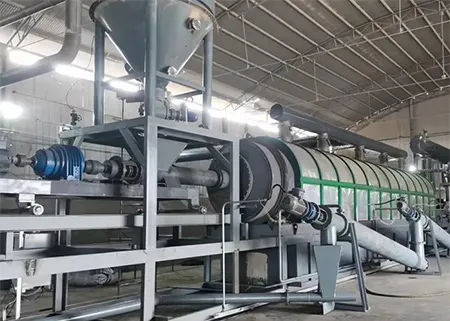
Direction of Grain
Stainless steel sheets have a grain direction, usually visible in brushed or polished finishes. When cleaning, wipe in the direction of the grain for a smoother finish.
Avoid Scratches
Use soft, non-abrasive cloths or sponges to prevent scratches. Microfiber cloths are ideal for gentle cleaning.
Dry Thoroughly
After cleaning, ensure the surface is thoroughly dried to prevent water spots or streaks.
Cleaning Methods and Products
Mild Soap and Water
The most common and effective method is to use a mild detergent or soap with warm water. Rinse thoroughly and dry with a soft cloth.
Vinegar Solution
For tougher stains or spots, a mixture of equal parts water and vinegar can be used. Apply with a soft cloth, rinse, and dry.
Commercial Stainless Steel Cleaners
There are specific stainless steel cleaners available in the market. Follow the manufacturer’s instructions for best results.
Baking Soda Paste
For stubborn stains, mix baking soda with water to form a paste. Apply, let it sit for a while, then scrub gently and rinse.
Preventive Measures Against Corrosion and Damage
Protective Coatings
Consider applying a protective coating or film to stainless steel surfaces, especially in high-traffic or corrosive environments.
Avoid Contact with Harsh Chemicals
Keep stainless steel surfaces away from direct contact with harsh chemicals, acids, or salts, as they can cause corrosion.
Regular Inspection
Periodically inspect stainless steel surfaces for signs of corrosion, scratches, or damage. Promptly address any issues.
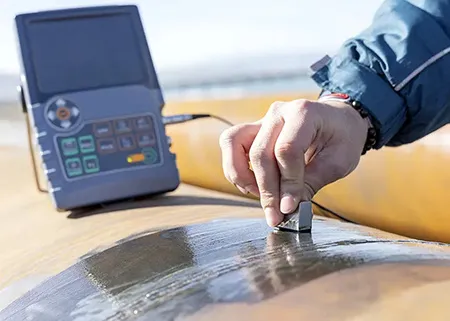
Proper Storage
Store stainless steel sheets in a clean, dry area away from exposure to moisture, humidity, or extreme temperatures.
Avoid Metal-to-Metal Contact
When possible, avoid metal-to-metal contact to prevent galvanic corrosion. Use insulating materials or coatings if necessary.
Future Trends and Innovations
Stainless steel sheet technology continues to evolve with advancements that enhance its properties, sustainability, and applications in various industries. Here are the future trends, innovations, and predictions for stainless steel sheets:
Advances in Stainless Steel Sheet Technology
High-Strength Alloys
Development of high-strength stainless steel alloys for lightweight applications without compromising on strength and corrosion resistance.
Nano-Coatings
Integration of nanotechnology for advanced coatings that provide superior protection against corrosion and wear.
Digital Manufacturing
Implementation of digital manufacturing techniques such as 3D printing to create complex stainless steel components with high precision.
Smart Materials
Integration of smart materials into stainless steel sheets for self-healing properties, enhanced corrosion resistance, and sensing capabilities.
Sustainable Practices and Materials
Recycled Stainless Steel
Increased use of recycled stainless steel materials, promoting circular economy practices and reducing environmental impact.
Green Manufacturing
Adoption of green manufacturing processes, such as energy-efficient production methods and waste reduction, to minimize the carbon footprint.
Life Cycle Assessment
Emphasis on life cycle assessments to understand the environmental impact of stainless steel production and optimize sustainability.
Predictions for the Future of Stainless Steel in Industrial Applications
Energy Sector
Stainless steel’s use in energy production, including renewable energy technologies like solar and wind power, is expected to grow.
Transportation
Increased adoption of stainless steel in automotive and aerospace industries for lightweight, durable components.
Medical Sector
Advancements in medical-grade stainless steel for implants, surgical instruments, and medical equipment.
Infrastructure
Stainless steel’s role in infrastructure projects, such as bridges, buildings, and water treatment facilities, is predicted to expand.
Conclusion
This guide aims to equip professionals in the steel industry with comprehensive knowledge about stainless steel sheets. Encouragement is given for further exploration and application of these materials to drive innovation and sustainability in the future.
Stainless steel sheets continue to be at the forefront of material innovation, offering durability, versatility, and sustainability in various industrial applications. As technology advances and sustainable practices become more prevalent, stainless steel is poised to play an increasingly vital role in shaping the industries of tomorrow.