
Stainless steel is a remarkable material known for its strength, durability, and corrosion resistance. Among its many forms, stainless steel rods stand out as versatile components with a wide range of applications across various industries. This comprehensive guide aims to delve into the world of stainless steel rods, covering their types, properties, applications, and how to choose the right one for specific needs.
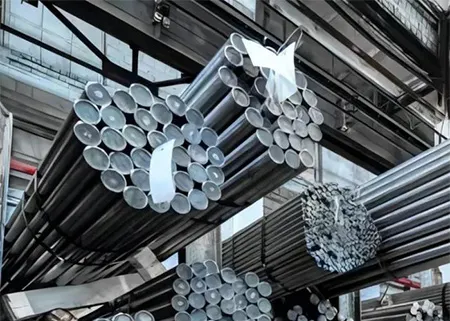
Definition of Stainless Steel Rods
Stainless steel rods are solid cylindrical bars made from stainless steel, an alloy of iron with a minimum of 10.5% chromium content by mass. This chromium content creates a passive layer of chromium oxide, which gives stainless steel its corrosion-resistant properties. Compared to other types of steel rods, stainless steel rods offer superior resistance to corrosion, staining, and rusting, making them ideal for numerous applications where longevity and aesthetics are important.
Properties of Stainless Steel Rods
Corrosion Resistance
Stainless steel rods excel in resisting corrosion, making them highly suitable for harsh and corrosive environments. The key to this resistance lies in the formation of a chromium oxide layer on the surface, which acts as a protective barrier against corrosive elements.
Chromium Oxide Layer: The passive chromium oxide layer on stainless steel rods prevents rust and corrosion by blocking the interaction between the metal and its environment.
Strength and Durability
Stainless steel rods offer outstanding strength and durability, making them reliable components in various applications. Their inherent strength ensures structural integrity even under high loads and harsh conditions.
Structural Integrity: Stainless steel rods maintain their structural integrity, making them ideal for load-bearing applications.
Corrosion Resistance Enhances Durability: The corrosion resistance of stainless steel rods contributes to their durability, ensuring a longer service life.
Temperature Resistance
Stainless steel rods exhibit remarkable temperature resistance, maintaining their properties across a wide range of temperatures. Whether subjected to high heat or extreme cold, stainless steel rods retain their strength and structural integrity.
High-Temperature Performance: Stainless steel rods can withstand high temperatures without significant loss of strength, making them suitable for applications in aerospace, automotive, and industrial ovens.
Low-Temperature Performance: Even in extremely cold environments, stainless steel rods remain resilient, making them valuable in cryogenic applications.
Aesthetic Appeal
In addition to their impressive mechanical properties, stainless steel rods offer aesthetic benefits with their clean, shiny appearance. This aesthetic appeal makes them a popular choice in architectural and decorative applications.
Sleek Appearance: Stainless steel rods have a smooth and polished surface that enhances aesthetics, making them suitable for modern designs.
Versatile Design Element: Architects and designers appreciate the versatility of stainless steel rods in creating visually appealing structures and elements.
Types of Stainless Steel Rods
Stainless steel rods come in various types based on their material composition and shapes:
Material Composition
Austenitic Stainless Steel Rods
Austenitic stainless steel rods are a type of stainless steel that belongs to the 300 series of stainless steels, specifically grades like 304 and 316. These rods are highly corrosion-resistant, making them ideal for a wide range of applications, particularly in environments where exposure to corrosive elements is a concern.
Material Composition: Chromium (16-26%), Nickel (6-22%), and sometimes Manganese (up to 2%).
- 304: This is the most widely used stainless steel, known for its good corrosion resistance, formability, and weldability.
- 316: Contains molybdenum, which enhances its corrosion resistance, particularly against chlorides such as those found in seawater. It’s often used in marine environments and chemical processing.
- 321: This grade contains titanium, which stabilizes it against chromium carbide precipitation, making it suitable for high-temperature applications.
- 347: Similar to 321 but with the addition of niobium, providing better creep resistance.
Applications: Food processing equipment (due to corrosion resistance)./ Pharmaceutical equipment./ Kitchen appliances.

Ferritic Stainless Steel Rods
Ferritic stainless steel rods are another type of stainless steel, belonging to the 400 series of stainless steels. These steels are known for their magnetic properties, moderate corrosion resistance, and good formability. They are not as corrosion-resistant as austenitic stainless steels but have other properties that make them suitable for various applications.
Material Composition: High Chromium (17-27%) with low Carbon content.
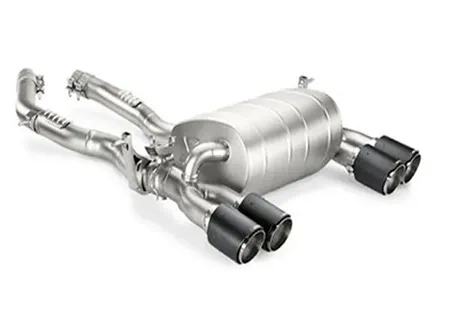
- 409: Contains 10.5-11.75% chromium. Good resistance to corrosion, especially in exhaust systems and automotive parts.
- 430: Contains 16-18% chromium. Commonly used for applications such as kitchen appliances due to corrosion resistance.
- 434: Contains molybdenum, which improves corrosion resistance compared to 430. Used in automotive trim and interior parts.
- 436: Contains 16-18% chromium and 0.75% molybdenum. Offers improved corrosion resistance compared to 430.
Applications: Automotive applications (exhaust systems, decorative trims)./ Kitchen equipment (sinks, appliances).
Martensitic Stainless Steel Rods
Material Composition: High Carbon (0.1-1.2%) and moderate Chromium content.
- 410: Contains 11.5-13.5% chromium. This grade offers good corrosion resistance and high strength but is mainly used for its hardness.
- 416: Contains added sulfur for improved machinability. Used for components requiring excellent machinability combined with high hardness and corrosion resistance.
- 420: Contains 12-14% chromium. Used for cutlery, surgical instruments, and similar applications requiring high hardness and wear resistance.
- 440: Contains 16-18% chromium and added elements such as molybdenum and vanadium for enhanced hardness and corrosion resistance. Different variations include 440A, 440B, and 440C, each offering varying levels of hardness and corrosion resistance.
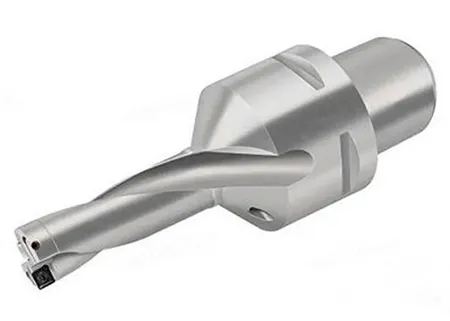
Applications: Manufacturing tools (drill bits, cutting tools)./ Shafts and pump parts./ Valve components.
Duplex Stainless Steel Rods
Material Composition: Mix of Austenitic and Ferritic grades.
- 2205: This is the most widely used duplex stainless steel grade, containing 22% chromium, 5% nickel, and 3% molybdenum. It offers good corrosion resistance and high strength.
- 2507: Known as “super duplex,” this grade contains higher levels of chromium (25%) and molybdenum (7%) for even greater corrosion resistance in harsh environments.
- 2304: This is a lean duplex stainless steel, containing lower amounts of nickel and molybdenum compared to 2205. It offers good resistance to stress corrosion cracking and is used in structural applications.
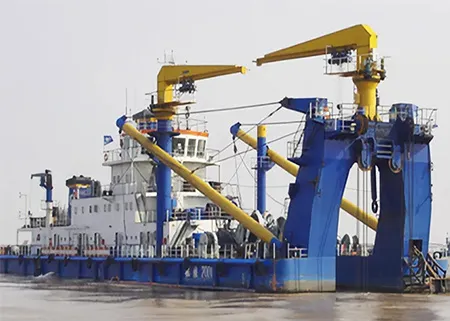
Applications: Chemical processing plants./ Offshore and marine applications./ Structural components in bridges and buildings.
Stainless Steel Rods Shape
Round Stainless Steel Rods
| Diameter | Size in inches | Size in millimeters |
| 1/8 inch | 0.125 inch | 3.2 mm |
| 3/16 inch | 0.1875 inch | 4.8 mm |
| 1/4 inch | 0.25 inch | 6.4 mm |
| 5/16 inch | 0.3125 inch | 7.9 mm |
| 3/8 inch | 0.375 inch | 9.5 mm |
| 1/2 inch | 0.5 inch | 12.7 mm |
| 5/8 inch | 0.625 inch | 15.9 mm |
| 3/4 inch | 0.75 inch | 19.1 mm |
| 1 inch | 1 inch | 25.4 mm |
Applications: General-purpose applications./ Tooling and machining./ Fasteners and fixings.
Square Stainless Steel Rods
| Size | Size in inches | Size in millimeters |
| 1/8 inch x 1/8 inch | 0.125 inch x 0.125 inch | 3.2 mm x 3.2 mm |
| 3/16 inch x 3/16 inch | 0.1875 inch x 0.1875 inch | 4.8 mm x 4.8 mm |
| 1/4 inch x 1/4 inch | 0.25 inch x 0.25 inch | 6.4 mm x 6.4 mm |
| 5/16 inch x 5/16 inch | 0.3125 inch x 0.3125 inch | 7.9 mm x 7.9 mm |
| 3/8 inch x 3/8 inch | 0.375 inch x 0.375 inch | 9.5 mm x 9.5 mm |
| 1/2 inch x 1/2 inch | 0.5 inch x 0.5 inch | 12.7 mm x 12.7 mm |
| 5/8 inch x 5/8 inch | 0.625 inch x 0.625 inch | 15.9 mm x 15.9 mm |
| 3/4 inch x 3/4 inch | 0.75 inch x 0.75 inch | 19.1 mm x 19.1 mm |
| 1 inch x 1 inch | 1 inch x 1 inch | 25.4 mm x 25.4 mm |
Applications: Structural applications./ Architectural designs./ Fasteners and supports.
Hexagonal Stainless Steel Rods
| Across Flats | Size in inches | Size in millimeters |
| 1/8 inch | 0.125 inch | 3.2 mm |
| 3/16 inch | 0.1875 inch | 4.8 mm |
| 1/4 inch | 0.25 inch | 6.4 mm |
| 5/16 inch | 0.3125 inch | 7.9 mm |
| 3/8 inch | 0.375 inch | 9.5 mm |
| 1/2 inch | 0.5 inch | 12.7 mm |
| 5/8 inch | 0.625 inch | 15.9 mm |
| 3/4 inch | 0.75 inch | 19.1 mm |
| 1 inch | 1 inch | 25.4 mm |
Applications: Fastening applications./ Construction and machinery./ Tool handles.
Applications of Stainless Steel Rods
Construction and Architecture
Structural Supports: Stainless steel rods are used as reinforcement bars in concrete structures due to their strength and corrosion resistance.
Architectural Elements: They are also employed in facades, canopies, and interior designs for their aesthetic appeal.
Fasteners and Fixings: Stainless steel rods in various shapes serve as durable fastening solutions in construction projects.
Manufacturing and Machining
Tooling: Stainless steel rods are used to make cutting tools, drill bits, and machine parts due to their hardness and wear resistance.
Shafts and Bearings: In manufacturing, stainless steel rods provide reliable shafts for various machinery and bearings.
Valve Components: They are integral in the production of valves for controlling flow in pipelines and industrial processes.
Marine and Coastal Applications
Shipbuilding: Stainless steel rods are crucial in constructing ships, boats, and marine equipment due to their corrosion resistance in saltwater environments.
Offshore Platforms: For offshore drilling rigs and platforms, stainless steel rods offer durability against the harsh marine environment.
Coastal Structures: From seawalls to piers, stainless steel rods are used in coastal infrastructure for their longevity and resistance to corrosion.
Medical and Pharmaceutical
Surgical Instruments: Stainless steel rods are used in the manufacture of surgical instruments due to their sterile properties and corrosion resistance.
Medical Implants: In the medical field, stainless steel rods serve as components for implants such as bone screws and plates.
Pharmaceutical Equipment: Stainless steel rods are utilized in pharmaceutical machinery for their cleanliness and resistance to chemical reactions.
Food and Beverage Industry
Food Processing Equipment: Stainless steel rods are ideal for food processing due to their hygienic properties and resistance to corrosion from food acids.
Kitchen Appliances: From sinks to countertops, stainless steel rods are used in kitchen fixtures for their cleanability and durability.
How to Choose the Right Stainless Steel Rod
Selecting the appropriate stainless steel rod involves careful consideration of several key factors to ensure optimal performance and longevity in various applications. Here’s a detailed guide on how to choose the right stainless steel rod for your specific project needs:
Material Composition
The material composition of stainless steel rods greatly influences their properties, including corrosion resistance, strength, and temperature resistance. Different grades of stainless steel offer varying levels of these characteristics, so it’s essential to choose the type that best suits your application requirements:
- Corrosion Resistance: Consider the environment in which the rod will be used. If it will be exposed to corrosive elements such as saltwater, chemicals, or acidic substances, opt for a stainless steel grade with high corrosion resistance, such as Austenitic or Duplex stainless steel.
- Strength: Determine the load-bearing requirements of your application. For heavy-duty structural components or machinery parts, select a stainless steel grade with high tensile strength, such as Martensitic stainless steel.
- Temperature Resistance: If the rod will be subjected to extreme temperatures, whether high or low, choose a stainless steel grade that maintains its mechanical properties in those conditions. Austenitic stainless steel is known for its excellent performance across a wide temperature range.
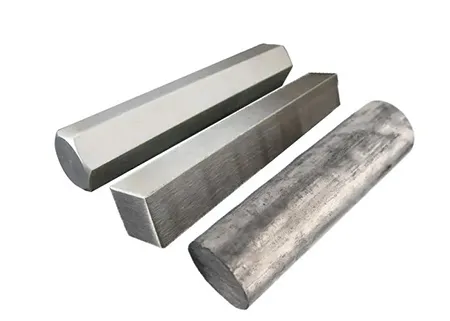
Shape
The shape of the stainless steel rod plays a crucial role in its functionality, strength, and aesthetic appeal. Different shapes offer varying levels of strength and versatility, so consider the following options:
- Round Rods: These are the most common and versatile shape, suitable for general-purpose applications. Round rods offer balanced strength and are easy to machine.
- Square Rods: Ideal for structural applications where high strength and stability are required. Square rods provide excellent load-bearing capabilities and are often used in construction and architectural designs.
- Hexagonal Rods: With their six-sided shape, hexagonal rods offer good grip and are commonly used in fastening applications. They are also preferred for their strength and durability.
Size
The diameter and length of the stainless steel rod should match the specific requirements of your project. Consider the load it will bear, the structural needs, and the space constraints. Here are some considerations:
- Diameter: Choose a diameter that can withstand the expected load without bending or deformation. Larger diameters offer higher strength but may be heavier and more expensive.
- Length: Ensure the rod is long enough to fulfill its intended purpose. Consider factors such as anchoring depth, fastening requirements, or cutting needs.
- Weight vs. Strength: Balancing diameter and length is essential to achieve the desired strength without adding unnecessary weight to the structure or machinery.
Environment
Evaluate the environment in which the stainless steel rod will operate. Different environments pose various challenges, including corrosion, temperature extremes, and exposure to chemicals. Consider the following:
- Corrosive Environments: For marine, chemical processing, or outdoor applications, choose stainless steel rods with high corrosion resistance, such as Duplex or Austenitic grades.
- High-Temperature Environments: In applications where the rod will be exposed to elevated temperatures, select a grade that maintains its mechanical properties under heat, such as Martensitic stainless steel.
- Low-Temperature Environments: For cryogenic applications, ensure the stainless steel rod retains its strength and ductility at low temperatures. Austenitic stainless steel is a good choice for such conditions.
Cost
While considering the properties and specifications of stainless steel rods, it’s essential to keep the project budget in mind. Different grades and shapes of stainless steel rods come with varying costs, so balance the desired properties with the project’s budgetary constraints:
- High-End Properties: If the application requires high corrosion resistance, strength, and temperature resistance, be prepared for higher costs associated with premium stainless steel grades.
- Cost-Effectiveness: Sometimes, a balance can be struck by choosing a stainless steel grade that meets the necessary requirements without over-engineering. Consider the long-term savings in maintenance and replacement costs.
Maintenance and Care
Stainless steel rods are known for their durability and resistance to corrosion, but proper maintenance is essential to ensure they remain in optimal condition throughout their service life.
Here are some tips on how to effectively maintain and care for stainless steel rods:
Regular Cleaning
Mild Soap and Water: Use a solution of mild soap or detergent and warm water to clean the surface of the stainless steel rod. This will help remove dirt, grime, and surface contaminants.
Soft Cloth or Sponge: Avoid using abrasive materials such as steel wool or abrasive pads, as they can scratch the surface of the rod.
Rinse Thoroughly: After cleaning, rinse the rod thoroughly with clean water to remove any soap residue.
Dry Completely: Use a clean, soft cloth to dry the rod thoroughly after cleaning. This helps prevent water spots and corrosion.
Passivation
Purpose: Passivation is a process that enhances the corrosion resistance of stainless steel by promoting the formation of a protective chromium oxide layer on the surface.
Citric Acid Passivation: This environmentally friendly method involves immersing the stainless steel rod in a citric acid solution to remove contaminants and encourage the formation of the oxide layer.
Nitric Acid Passivation: Nitric acid passivation is a more aggressive method suitable for highly contaminated surfaces. It provides a more thorough removal of contaminants but requires proper safety precautions.
Professional Service: For large or critical applications, consider professional passivation services to ensure the stainless steel rods are properly treated.
Preventing Corrosion
Avoid Harsh Chemicals: When cleaning stainless steel rods, avoid using harsh chemicals such as bleach or chlorine, as they can damage the protective oxide layer.
Avoid Carbon Steel Contamination: When working with stainless steel rods in environments with carbon steel, be cautious to prevent contamination. Tools and equipment used should be dedicated to stainless steel or thoroughly cleaned to avoid iron contamination.
Proper Storage: Store stainless steel rods in a clean, dry environment to prevent exposure to moisture and corrosive substances.
Maintenance Tips
Regular Inspection: Periodically inspect stainless steel rods for signs of corrosion, discoloration, or damage. Early detection allows for timely intervention.
Spot Treatment: If localized corrosion is observed, spot treatment can be done using stainless steel cleaners or polishes. These products can help remove light stains and restore the rod’s appearance.
Avoid Abrasive Cleaners: Avoid using abrasive cleaners or scouring pads on stainless steel rods, as they can scratch the surface and compromise the protective layer.
Use Stainless Steel Cleaners: For stubborn stains or fingerprints, use stainless steel cleaners specifically designed for this purpose. These cleaners can help restore the rod’s shine without damaging the surface.
Guidelines for Specific Environments
Marine Environments: In marine applications, rinse stainless steel rods with fresh water regularly to remove salt deposits. Apply a protective coating if necessary to enhance corrosion resistance.
High-Temperature Environments: For stainless steel rods exposed to high temperatures, ensure proper ventilation and cooling to prevent overheating and thermal degradation.
Low-Temperature Environments: In cryogenic applications, monitor the stainless steel rods for signs of embrittlement. Choose stainless steel grades suitable for low-temperature service.
Professional Maintenance
Periodic Maintenance Schedule: Consider establishing a periodic maintenance schedule for stainless steel rods in critical applications. This may involve professional inspections and treatments.
Consultation with Experts: When in doubt about the maintenance of stainless steel rods, consult with stainless steel experts or manufacturers. They can provide guidance on best practices and recommend specific products for maintenance.
In conclusion, stainless steel rods stand as versatile and durable components essential for modern applications. Their ability to withstand harsh conditions, provide structural support, resist corrosion, and enhance aesthetics makes them a preferred choice across industries. By understanding their properties, types, applications, and maintenance requirements, businesses and individuals can make informed decisions when incorporating stainless steel rods into their projects, ensuring long-lasting performance and reliability.