
Think about a world without rust, where equipment can perform good under harsh conditions. It is the reality that stainless steel offers. Stainless steel resists corrosion. Additionally, it is durable. Hence, it is found in modern industrial applications.
Among stainless steel grades, 904L represents high performance. It does not rust and has excellent tensile properties. 904L isn’t just unique because it doesn’t rust. Its strength, durability, and usability make it stand out.
There are several things to know about this alloy steel. Those working in metallurgy, manufacturing, or industrial design sectors must understand the properties of 904L stainless steel. So, this page discusses 904L stainless steel extensively. It covers properties, applications, standards, and more.

Image Source: Pixabay
Key Takeaways:
- 904L stainless steel is a highly corrosion resistant and tough alloy. These properties make it perfect for challenging applications.
- It has the best combination of mechanical properties and chemical composition.
- 904L is used in various industries, especially oil and gas. It is suitable in industries where corrosion resistance is crucial.
- Many factors influence the pricing of 904L. It includes grade, dimensions, quantity, market conditions, and lead time.
- For reliable performance and best solutions, consider sourcing 904L directly from Alloyxpert. You can get various 904L products at affordable prices.
904L Stainless Steel – What Is It?
904L is the heavyweight champion in the world of steel. It isn’t the material rusting away in a backyard grill. 904L is designed for the most challenging jobs that would crack other metals. Austenitic stainless steel does not rust in severe environments.
Since 904L is from this steel family, it performs effectively. The steel’s 904L marking indicates its composition. The 904 shows highly alloyed austenitic stainless steel.
The letter L signifies low carbon content. That shows it is easier to weld.
Where corrosion protection is vital, this particular alloy works well. Hence, it is used in oil and gas and chemical processing. Small molybdenum makes it more pitting and corrosion-resistant. Adding 1-2% copper enhances steel’s mechanical properties. It also improves corrosion resistance.
904L stainless steel resists corrosion and has good mechanical qualities. It is formable, durable, and weldable but not magnetic. Its varied sharpnesses make it durable in harsh situations. To sum up, 904L is a strong alloy.
It’s unique because it has low carbon and high chromium. Nickel, molybdenum, and copper are other materials it contains. Thus, corrosion-resistant applications benefit from it.
What Are the Key Properties of 904L?
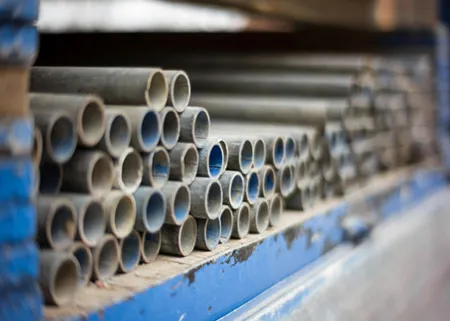
Image Source: Unsplash
Grade 904L contains unique properties that separate it from other grades. The following explores the critical properties of 904L:
1) Chemical Composition of 904L
904L exhibits excellent mechanical qualities. Its corrosion resistance level is almost unmatched. The chemical properties of 904L stainless steel give it unique properties. In severe environments, it works well. The primary alloying elements are:
| Alloying Element | Function |
| Chromium (19-23%) | This primary element forms an inert oxide layer on the surface. That makes it corrosion-resistant. High chromium content makes 904L resistant to pitting, crevice rust, and oxidation.
|
| Nickel (23-28%) | It stabilizes austenitic microstructure, making steel flexible, robust, and rust-resistant. Nickel-rich 904L resists corrosion, especially in acidic environments. It also influences its great mechanical qualities.
|
| Molybdenum (4-5%) | It is a significant alloying element. It strengthens steel against pitting and crevice rust. This property is crucial in chloride-rich areas. The steel becomes stronger and rust-resistant.
|
| Copper (1-2%) | Copper strengthens steel against sulfuric acid. It also makes it robust against other metal-reducing environments. It enhances the alloy’s form and corrosion resistance.
|
| Low Carbon | 904L has less carbon content. It contains less than 0.02% carbon. Low carbon makes the steel easier to weld. It reduces splitting and other welding issues.
|
The proper alloying elements make 904L stainless steel unique. Aside from corrosion resistance, it is solid and weldable. That makes it perfect for challenging uses across various fields.
2) Physical Properties
904L stainless steel has unique physical properties that contribute to its performance.
Density: It has a density of approximately 8.0 g/cm³. Thus, 904L stainless steel is slightly denser than austenitic grades. However, it is still lightweight because of its strength.
Melting Point: The melting point of this steel ranges from 1400°C to 1450°C. That makes it suitable for high-temperature applications.
Electrical Conductivity: It has low electrical conductivity compared to other stainless steel grades.
3) Mechanical Properties of 904L
Here is the mechanical composition of 904L:
Strength: Mostly, 904L’s least yield strength is 310 MPa. The lowest tensile strength is 655 MPa. It is employed when structural stability and deformation resistance are crucial.
Hardness: Rockwell B scales 904L’s hardness is 90-100. The material can survive harsh conditions and wear at this level.
Ductility: 904L stainless steel is robust and flexible. Within 2 inches (50.8 mm), it may stretch 30%. Ductility makes it easier to form and reduces brittle splits.
Weldability: This steel is easy to weld. So, it finds several welding uses. Weld cracking and other problems related to welding are less likely to happen. That’s because it has a low carbon content and a controlled composition. Proper procedures and filler metals are essential for optimal corrosion resistance.
4) Corrosion Resistance Properties of 904L
Corrosion resistance is a top-quality of 904L stainless steel. This metal is brutal to crack or corrode under stress. Even in the most challenging conditions, it stays in shape. Its high amounts of chromium, molybdenum, and nickel help make a firm layer. It protects against corrosion better than regular austenitic stainless steel.
Its copper content makes it more robust against sulfuric acid and other reducing agents. Good or bad conditions don’t matter. Its corrosion resistance is between super austenitic and 316L.
Nitric acid degrades 904L. It goes beyond molybdenum-free grades 304L and 310L. This type of steel needs solution treatment after cold working. It gets the best stress corrosion cracking resistance in harsh environments.
5) Thermal Properties of 904L
904L has good thermal properties. Hence, it is usable in conditions where temperatures are very high or low. It remains solid and corrosion-resistant at high temperatures. High oxidation resistance is one of 904L’s most essential thermal features.
Since the metal contains chromium, an oxide layer forms on the surface. This layer resists oxidation and scaling at 1,100°C (2,012°F). Thus, 904L is ideal for high-temperature applications where other stainless steel falls short.
Compared to other metals, 904L has low heat conductivity. When heat transfer must be restricted or monitored, this is beneficial. Like other austenitic stainless steels, 904L expands thermally. It allows dimension changes to be planned and controlled as temperature changes.
In situations where thermal cycling is essential, this is very important. It helps keep stresses and deformations from getting too high. 904L is suitable for oxidation and high temperatures. Its thermal characteristics are ideal for thermal cycling.
What Are Commonly Used Standards and Specifications of 904L?
Various industry standards specify 904L’s chemical and mechanical properties. These criteria guarantee quality and uniformity independent of the manufacturer. Some popular 904L standards are:
1) ASTM Standards

Image Source: WikiMedia Commons
The ASTM has specific 904L stainless steel standards. It includes:
ASTM A240: It covers sheets, bars, and plates. It ensures these products meet certain specifications. It specifies the strength and how much it can bend before breaking. Besides, it checks the heat conducting capacity.
ASTM A312: It ensures the 904L has the suitable composition, strength, and size. A312 sets quality standards for high-corrosion applications. It includes yield strength and elongation standards.
ASTM A789: It covers cold-formed tubular products. These are made by welding and bending stainless steel sheets. The 904 designation appears as “ASTM A789/A 904.”
2) AISI and SAE Specifications
The AISI and SAE set 904L stainless steel standards. Thus ensuring consistency in the material’s composition and properties. A summary of their 904L criteria follows:
AISI Specification: It specifies 904L’s chemical composition. Also, it defines the lowest and highest amounts of critical alloying elements. It gives the material the correct mechanical properties. It also provides appropriate corrosion resistance for varied usage.
SAE Specification: SAE specifies 904L stainless steel. The SAE and AISI specify chemical criteria for this austenitic stainless steel grade. It provides an apparent reference for manufacturers and end-users. It verifies the material fulfills use guidelines.
AISI and SAE specifications are commonly used in metals. These specifications serve as a common language. Manufacturers, suppliers, and end-users can accurately comprehend 904L’s chemical composition.
Also, manufacturers can ensure 904L stainless steel quality by following these requirements. No matter the location or manufacturer, they work the same way.
Additionally, end users can use these specs to choose the suitable material. Thus, it ensures that it has the proper corrosion resistance. It also guarantees the mechanical properties and other essential features.
3) Other International Standards
Besides ASTM, AISI, and SAE, other international 904L stainless steel standards exist. It standardizes material quality and specifications worldwide. Here are different global standards for 904L:
European Standards (EN): The EN has set rules for stainless steel, such as 904L. It spells out the chemical composition and mechanical properties. Also, it defines the testing requirements for 904L stainless steel. It ensures similar quality and performance of materials across the European Union. It also guarantees consistency in other regions that adopt these standards.
International Organization for Standardization (ISO): They regulate nickel alloys. 904L stainless steel is an example. It lists the chemicals that make up different nickel alloys. Also, it comprises their mechanical qualities and the tests they must undergo.
Japanese Industrial Standards (JIS): The group regulates 904L and other stainless steel products. It covers 904L stainless steel bar and wire properties and tests. It ensures that materials used in Japan are of the same quality and performance. Also, it applies to foreign JIS-compliant products.
The same 904L quality can be sourced from any manufacturer worldwide. With these specifications, the quality and capacity remain the same. One only has to specify the appropriate international standard identification.
Understanding the Production Process of 904L Stainless Steel
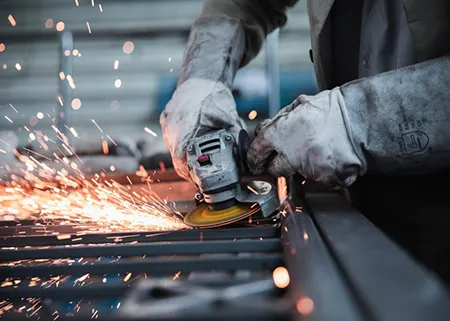
Image Source: Pixabay
The 904L production process requires precise techniques. These guarantee chemical composition and mechanical properties. It also determines its corrosion resistance. The production process is explained below:
1) Raw Material Selection and Preparation
The selection of raw materials comes first. These materials include chromium and nickel. Other alloying elements include copper. These raw materials are carefully chosen. They must meet the high standards for making 904L stainless steel. Beforehand, they undergo treatment and purification.
2) Alloy Formulation Design
Before manufacturing, 904L stainless steel’s chemical composition is carefully managed. Doing this helps to achieve the appropriate properties. Metallurgists carefully determine and regulate the content of each element. Doing this ensures the alloy meets standards.
3) Smelting and Casting
High-temperature furnaces melt purified raw materials. Most temperatures exceed 1,500°C. Carefully blending the molten metal ensures consistency. After alloying, molten metal is cast into ingots or continuous-cast billets. Then, it is processed further.
4) Heat Treatment and Surface Treatment
After casting, ingots or billets undergo heat treatment. It includes annealing and quenching. Doing this produces the appropriate microstructure and mechanical qualities.
Final product surface treatments include pickling and passivation. It also comprises electropolishing. Thus, surface polish and corrosion resistance improve.
Understanding the Processing of 904L Stainless Steel
904L stainless processing involves many steps. Each has advantages and disadvantages. The processing characteristics of 904L are:
1) Forging and Rolling
There are two main ways of processing 904L steel. These are forging and rolling. Metallic is put under compressive pressure during the shaping process.
It results in higher strength and an improved grain structure. By rolling, the metal’s thickness decreases. Running it through a set of rollers makes the shine on the surface better.
Forging and rolling are good ways to make different 904L stainless steel items. But, temperature, deformation rates, and lubrication must be considered. Doing this helps to achieve the best possible outcomes.
2) Cutting Processing
904L processing involves drilling, milling, turning, and sawing. The proper cutting parameters and tools are critical for effective and accurate cutting. The material’s strength and work-hardening make this vital.
The use of carbide-tipped tools for cutting 904L stainless steel is ideal. These tools withstand wear and retain sharpness.
Minimizing excessive tool wear and guaranteeing consistent surface finishes is vital. So, it’s essential to accurately apply the coolant and cut it at the appropriate rates.
3) Welding Process
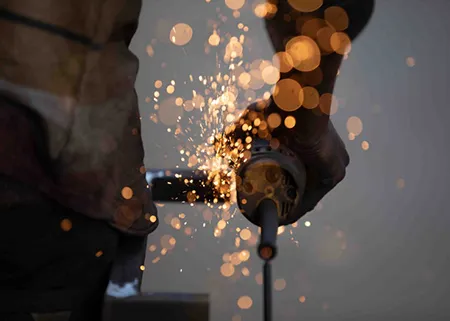
Image Source: Pixabay
Gas tungsten and arc welding are popular 904L welds. Shielded metal and submerged arc welding are also employed. Using the proper welding tools is vital. Also, following the correct welding procedures is crucial.
Also, ensure you take the correct safety measures to get good welds. It also keeps rust and cracking to a minimum.
4) Surface Treatment
904L stainless steel goods often receive surface treatments. The aim of doing this is to improve appearance. It also improves corrosion resistance and surface quality. There are a variety of common surface treatments. These include polishing, sandblasting, and electropolishing.
Sandblasting roughens surfaces for adherence and anti-slip. Meanwhile, polishing 904L components improves their appearance. Sandblasting also coarsens surfaces.
However, electropolishing and passivation are two chemical techniques. They aid in removing impurities from the surface. The latter also improves the protective passive layer. Hence, it increases the resistance to corrosion.
Key Comparisons!
Comparing 904L Stainless Steel to different grades and standards is crucial. It will help in better understanding its distinctive qualities. Note these critical comparisons:
1) SAE 904L Stainless Steel and Other Austenitic Stainless Steel
SAE 904L contains more molybdenum and copper. Besides, SAE 904L doesn’t rust or pit in small cracks. Stress corrosion splitting is less likely to happen with this. That makes it better for very corrosive environments.
2) AISI 904L vs. ASTM 904L
Both set 904L stainless steel guidelines. ASTM has more specifications than AISI. The latter mainly emphasizes chemical composition. These specifications include mechanical qualities, testing requirements, and product forms.
3) 1.4539 vs. 904L
First, 1.4539 is a material number that refers to a particular type of stainless steel. Likewise, 904L is also a designation of a kind of stainless steel alloy. As you can see, both are austenitic stainless steel grades. However, we must note some critical differences between 1.4539 and 904L.
| Property
|
1.4539 | 904L |
| Type
|
Austenitic Stainless Steel | Highly Alloyed Austenitic Stainless Steel |
| Chromium Content
|
Approx. 19% | 19-23% |
| Nickel Content
|
9-12% | 23-28% |
| Molybdenum Content
|
Approx. 1.5% | 4-5% |
| Corrosion Resistance
|
Good | Excellent |
| Mechanical Strength
|
Good | Excellent |
| Cost
|
Moderate | High |
| Applications
|
Food Processing
Pharmaceutical Chemical Processing |
Marine
Chemical Processing Offshore Highly Corrosive Environments |
4) 904L vs. 316L vs. Duplex vs. Super Duplex
These grades are chosen based on application requirements. It considers corrosion resistance, strength, and cost. Below is a comparison:
316L: Common stainless steel 316L is versatile. 904L resists corrosion resistance better. It is particularly so in severe chloride conditions. 904L and 316L are priced differently. The former is more expensive. It is found in food equipment and construction.
Duplex: These stainless steels may not be as resistant to rust as 904L in some situations. Still, duplex grades often offer a higher strength than 316L. Compared to 316L, Duplex resists rust better.
Super Duplex: Unique for its strength and corrosion resistance. Regarding price, it’s more expensive than 904L. It blends high strength and corrosion resistance. Also, it can handle very harsh environments like hot, salty seawater. Offshore oil rigs and desalination plants find it useful.
| Feature | SAE 904L | 304L | 316L | 2205 Duplex |
| Copper | Yes (1.0-2.0%) | No | No | No |
| Corrosion Resistance | Excellent | Good | Very good | Excellent (higher than 904L) |
| Strength | Lower | Moderate | Moderate | Higher |
| Weldability | Good | Excellent | Excellent | Good |
| Cost | High | Low | Moderate | Moderate |
| Applications | Chemical processing, Marine environments, Pulp & paper, Offshore, High-end watches | Food processing, Architectural panels | Chemical processing, Marine environments, Food processing | Chemical processing, Marine environments, Oil & gas |
What Are Different 904L Stainless Steel Product Forms?
904L has several shapes and sizes. These are called product forms. The primary product forms are flat sheets, thick plates, long bars, and hollow tubes. The following paragraphs cover the different 904L product forms:
1) Sheets
The sheets are very thin and flat. They are rolled out at a factory. Sheets are used to cover surfaces and line equipment. They can be used for building structures. These include pressure vessels that hold liquids and gasses.
Workers cut and bend the sheets to make boxes, tanks, and other shapes. Its average thickness is 0.5-6 mm. They also help in architectural applications. This condition requires corrosion resistance and formability.
2) Bars
Bars are long and solid, with the same shape throughout the length. The cross-section can be cylindrical or rectangular. It could also take other shapes. They are used for machining, fabrication, and building purposes. Shafts, bolts, supports, and other vital pieces are made of bars.
3) Tubes
Tubes have a hollow center running the whole length. The outside is a circular shape. They transport fluids or gases. They find use in several industries. It includes chemical processing, oil and gas production, and power generation.
Their use in heat exchangers transfers heat between fluids. They have different diameters and wall thicknesses. These can be welded or seamless, depending on choice.
Alloyxpert has you covered with our 904L stainless steel products. We offer;
- Plates for pressure vessels
- Bars for machining and fabrication
- Tubes for fluid transportation and heat exchangers
We have an extensive inventory of 904L stainless steel products. You will get thick plates, long bars, and hollow tubes. We also offer various dimensions and specifications to cater to your specific requirements.
What Are the Suitable Welding Processes of 904L?
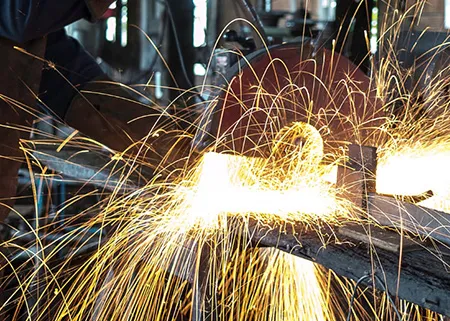
Image Source: Pexels
904L stainless steel can be joined in many ways due to its ease of welding. Following appropriate procedures is crucial. It is so irrespective of the chosen welding process. Also, using suitable filler materials is vital. Consider the joint shape, preheating, and heat treatment after the welding.
By doing this, the corrosion protection of 904L stainless steel is kept. It also produces high-quality welds. That being said, here are some of the most common ways to weld:
1) GTAW
GTAW is gas-tungsten arc welding. TIG welding also describes this procedure. This method is popular for joining 904L stainless steel. GTAW improves control, accuracy, and edges. Hence, it can be used with thin-gauge materials. Also, it is ideal for applications that need high precision levels.
2) GMAW
It is Gas Metal Arc Welding. One can also call it MIG welding. GMAW is a semi-automatic or automatic way to weld 904L. It provides high deposition rates and excellent weld quality. This material is applicable for a wide variety of fabrication and manufacturing applications.
3) SMAW
SMAW is versatile and cost-effective. It welds 904L stainless steel exceptionally. It is ideal for usage in field applications. Also, it is suitable in a variety of settings and a variety of positions.
4) Saw
SAW is submerged arc welding. This welding joins thick 904L stainless steel parts. It has a high deposition rate. Hence, it offers high productivity and deep penetration. It suits construction and heavy fabrication.
Also Read: How to Weld Stainless Steel Coils on Site?
What Are the Applications of 904L Stainless Steel?
904L is suitable for many applications. That’s because it doesn’t rust and is solid and easy to make. The following industries use 904L steel:
1) Oil and Gas Industry
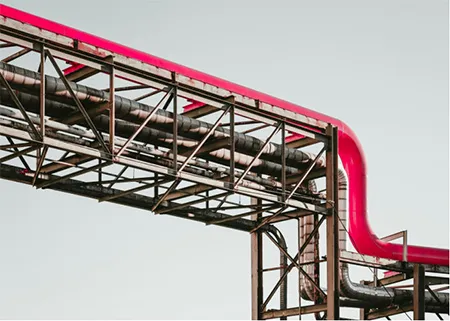
Image Source: Unsplash
This sector relies on 904L stainless steel. This strong material is ideal for extreme conditions. These include underwater pipes and offshore oil rigs. For reliability, 904L is an excellent choice. It resists saltwater corrosion and stress cracking.
We have already covered more information on this – What Are the Types of Pipelines Used in the Oil and Gas Sector?
2) Chemical Processing
Chemical plants are like giant mixing bowls for all sorts of powerful ingredients. 904L is the perfect spoon for this job. It resists getting eaten away by these chemicals. Thus ensuring the plant runs efficiently and securely.
It helps with severe oxidizing agent operations due to its corrosion resistance. It is also applicable for operations involving chlorides and high temperatures. Throughout the process, it doesn’t compromise safety.
3) The Pulp and Paper Industry
Turning trees into paper involves some pretty intense bleaching processes. 904L steps up to the challenge here, too. It doesn’t rust or corrode quickly, even when exposed to the harsh chemicals used in bleaching. In the papermaking industry, 904L is a popular choice.
Machines that handle harsh chemicals are produced with it. This special steel is excellent at resisting pitting and cracks that can form on metal. So, it is perfect for equipment used in the papermaking process.
4) Marine and Coastal Environments
You must know how to determine a suitable stainless steel grade for marine environment.
Saltwater can be brutal on metal. But 904L handles the ocean’s content well. It’s super resistant to rust and corrosion. Thus, it is ideal for boat parts and offshore platforms. Desalination plants and other seawater-exposed structures use it. It is also used in offshore buildings.
5) Other Industries
The uses for 904L don’t stop there. It is the hero of the material world, ready to tackle any challenge that throws its way. 904L stainless steel finds applications in various other industries. It includes power, pharmaceuticals, food, and beverages. It’s also used in architecture and power generation.
These industries value its corrosion resistance, strength, and longevity. 904L is ideal for demanding, durable environments.
Also Read:
15 Critical Applications of Steel in Upstream Oil and Gas Operations
Common Oil & Gas Pipeline Issues and How Our Steel Pipes Can Help
What Factors Affect the Pricing of 904L?
Several variables affect 904L’s pricing. It is crucial to note that these components often interplay. Hence, 904L stainless steel’s cost may involve a combination of various elements.
These factors include grade, dimension, market conditions, and quantity. Below is a review of these factors affecting the cost of 904L stainless steel:
1) Grade
Grades play a crucial role in determining the quality control measures of stainless steel pipes.
Grade affects stainless steel prices. 904L stainless steel has high alloy. It contains more expensive alloying elements. These alloying elements improve the steel’s mechanical qualities. Additionally, it enhances its corrosion resistance. Hence, the presence of these raw materials increases costs.
As a better-grade alloy, 904L attracts an excellent price. It costs more than 304 or 316 austenitic grades. This is due to the alloy’s exceptional quality. The surface finish also affects the price. The cost of a smoother, more polished finish is higher. That’s because it takes more processing stages.
2) Dimensions
Dimensions influence the price of the 904L stainless steel product. These dimensions comprise its thickness, diameter, or length, among other factors. Large or complex dimensions require extra processing.
It may involve more intensive rolling or forging. These extra processing steps increase the manufacturing costs. In return, they reflect in the final product price.
A thicker 904L stainless steel plate needs increased effort. The outcome will be a higher price per unit weight than a thinner sheet. That’s because the thicker plate requires more effort to produce.
3) Quantity
The quantity of 904L one buys can also affect the price. Economies of scale often favor customers who buy in bulk or place oversized orders. It leads to lower unit prices. Those who purchase lesser quantities tend to pay more.
Such happens because manufacturers can streamline their production processes. They spread their fixed costs over a significant amount of material. Hence, it results in cost savings that they pass on to the buyer as cheap prices per unit.
4) Market Conditions
The global supply and demand for 904L stainless steel can affect pricing. Additional price swings in basic materials like chromium, nickel, and molybdenum occur. If the material is restricted, prices tend to rise with strong demand. If there is limited supply, prices also increase.
In contrast, prices fall when supply exceeds demand. That’s because manufacturers move inventories. Also, the different prices of alloying components can impact 904L’s cost. Subsequently, they reflect on the pricing of the end product.
5) Lead Time
The lead time also affects the prices. That reflects how long the manufacturer takes to make and ship the goods. There may be extra costs for shorter wait times or faster deliveries. These are costs associated with prioritizing production, expedited shipping, or overtime labor.
It is common practice to pass on these increased expenses to the purchaser. It leads to higher prices for shorter lead times. But, long lead times can allow manufacturers to optimize their production schedules better. The result would be competitive pricing.
You can seek advice from the experts in the stainless steel industry. They will help you get instant quotes, better pricing, and lower MOQ.
What Is the Typical 904L Stainless Steel Price Range?
904L stainless steel has a high price compared to other stainless steel types. However, its unique composition justifies this cost compared to standard stainless steel. That’s because it has superior corrosion resistance and high alloy content.
The typical price range for 904L stainless steel is between $8,000 and $16,700 per tonne. The exact price depends on various factors. You can assess the cost based on the grade, quantity, market conditions, and supplier.
Buyers can contact Alloyxpert and request a quote. Ensure you provide a complete order summary, like the grade, dimensions, quantity, etc.
Final Thoughts!
904L stainless steel is a testament to the remarkable advancements in materials engineering. You almost can’t find another alloy like it. It’s solid and non-rusting. What’s more? It is easy to weld. 904L is ideal for industries that need durability and corrosion resistance.
It is simple to work with and protects better than regular stainless steel. Its unique chemical qualities make it practical for corrosion resistance. But, it can be more expensive than regular steel.
Understanding its capabilities helps producers and users choose projects well. 904L stainless steel is trustworthy and can withstand extreme conditions.
Also, buying 904L from reputable sellers can yield long-term profits. You can skip suppliers and get them directly from Alloyxpert for better deals. Taking this route ensures reliable performance and reduces maintenance costs. Check out our extensive range of 904L products. You can enjoy competitive pricing and great customer service from us. Contact us today!