
Introduction
Carbon steel pipe is a vital infrastructure component. It is essential for transporting fluids and gases efficiently. Understanding carbon steel pipes is crucial for diverse projects. This guide covers properties, uses, and benefits. Professionals in construction, production, and transportation need this guide. Let’s explore the essential aspects of this material.
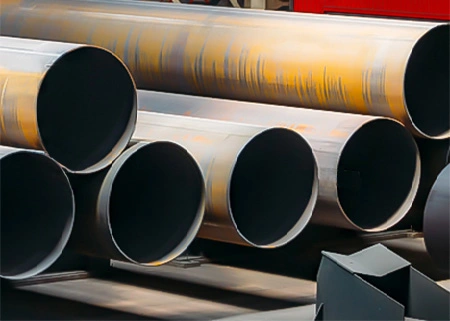
What is Carbon Steel Pipe?
Carbon steel pipe is made from an alloy of iron and carbon. It is fundamental in many industries. Known for durability, versatility, and cost-effectiveness, it is essential in oil and gas, construction, water treatment, and HVAC systems. These pipes are produced by perforating steel ingots into capillary tubes, followed by hot-rolling, cold-rolling, or cold-drawing. They withstand high pressure and temperature, making them ideal for heavy industries. Carbon steel pipes play a crucial role in the steel pipe sector.
What Are the Properties of Carbon Steel Pipes?
Carbon steel pipes possess a range of properties that make them suitable for various applications across industries. Here are the key properties:
· Strength
Carbon steel pipes exhibit high strength, capable of handling high pressures and heavy loads. This property is crucial for applications where structural integrity is paramount.
· Durability
With proper maintenance and protection against corrosion, carbon steel pipes can have a long service life. Their durability ensures reliable performance in demanding environments.
· Corrosion Resistance
Naturally resistant to rust, especially when compared to materials like cast iron. Additional coatings or linings can further enhance their corrosion resistance, extending their lifespan in harsh environments.
· Weldability
Easily welded using various techniques such as arc welding and resistance welding, enabling the construction of complex structures and systems.
· Formability
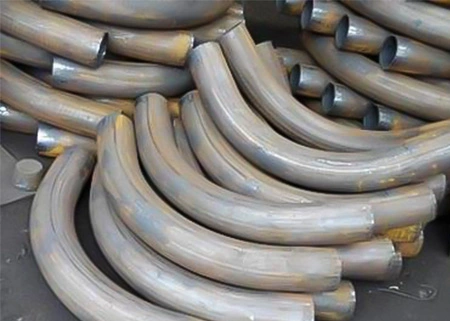
Highly formable, allowing them to be bent, rolled, and shaped into various configurations without compromising structural integrity.
· Heat Resistance
Can handle moderate temperatures well, though they might expand or contract under extreme temperatures. Special grades are available for high-temperature applications.
· Cost-effectiveness
Cheaper than many other materials, making them a preferred choice for large-scale projects with limited budgets.
What Are the Applications of Carbon Steel Pipes?
Carbon steel pipes are indispensable across various industries due to their versatility. Here are some key applications:
· Oil and Gas Industry
Used for transporting crude oil, natural gas, and refined petroleum products in both upstream and downstream processes. For example, carbon steel pipes are utilized to transport oil and gas from extraction sites to refineries. Their ability to withstand high pressure and temperature variations makes them ideal for these demanding applications.
· Petrochemical Industry
Employed in petrochemical plants for conveying chemicals, gases, and fluids used in manufacturing plastics, fertilizers, and solvents. These pipes handle the high temperatures and pressures typical in these environments. For instance, in a petrochemical plant, carbon steel pipes might be used to transport raw materials and intermediates between processing units.
· Water and Wastewater Treatment
Used in water treatment plants and wastewater facilities for conveying potable water, industrial water, and sewage. Their strength and longevity make them ideal for large-scale systems. An example includes their use in municipal water systems, where durability and resistance to corrosion are critical for maintaining water quality and system reliability.
· Construction and Infrastructure
Integral to construction projects for building frames, bridges, highways, and laying underground utilities such as water and gas pipelines. On construction sites, carbon steel pipes are used for plumbing and fire sprinkler systems in buildings. For example, carbon steel pipes are often used in high-rise buildings for water supply and fire protection systems.
· HVAC (Heating, Ventilation, and Air Conditioning)
Used in HVAC systems for transporting hot and cold water, steam, and refrigerants in buildings. In large buildings, carbon steel pipes are used to circulate hot and cold water for heating and cooling. Their robustness and ability to handle temperature fluctuations make them suitable for these applications.
· Mechanical and Automotive Engineering
Used for manufacturing components like chassis, exhaust systems, and hydraulic tubing. In car manufacturing, carbon steel pipes are used in exhaust and cooling systems, handling the high heat from engines. An example is their use in automotive exhaust systems, where their ability to withstand high temperatures and corrosive gases is essential.
· Power Generation
Crucial in power plants for conveying steam, coolant, and fuel in boilers, turbines, and heat exchangers. In power plants, carbon steel pipes carry steam and cooling water to generate electricity. For instance, they are used in the steam generation systems of thermal power plants, where high strength and heat resistance are necessary.
· Mining and Minerals Processing
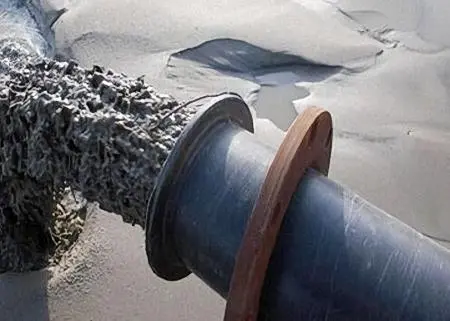
Used in mining operations for transporting slurries, ores, and chemicals due to their resistance to abrasion and erosion. In mines, carbon steel pipes transport materials like slurry and waste. Their toughness and resistance to wear make them ideal for these harsh environments.
· Agriculture and Irrigation
Employed in agricultural applications for irrigation systems, drainage networks, and water supply lines. Farmers use carbon steel pipes in irrigation systems to bring water and fertilizers to crops. An example includes their use in large-scale irrigation projects where durability and cost-effectiveness are key considerations.
· Manufacturing and Fabrication
Serve as raw materials for manufacturing pipe fittings, valves, and flanges due to their weldability and formability. In factories, carbon steel pipes are used in machinery and production lines. For example, they might be used in the construction of industrial machinery, where their strength and formability are advantageous.
What Are the Advantages of Carbon Steel Pipe?
Carbon steel pipes offer numerous benefits, making them a top choice for various industrial applications:
· Cost-effectiveness
Cheaper than alternatives like stainless steel or PVC, easily sourced, and suitable for large projects with budget constraints.
· Strength and Toughness
Capable of handling high pressures and heavy loads, maintaining structural integrity and reducing maintenance needs.
· Adaptability
Perform well in diverse environments, from extreme temperatures to corrosive settings, ensuring reliability in various applications.
· Ease of Installation and Maintenance
Lightweight and flexible, easy to install and maintain with minimal upkeep required.
· Eco-friendly and Recyclable
Recyclable, reducing environmental impact and conserving natural resources.
What is The Difference Between Carbon Steel And Stainless Steel Pipe?
The primary difference lies in their composition and properties:
| Aspect | Carbon Steel Pipes | Stainless Steel Pipes |
| Composition | Mostly iron and carbon with other elements like manganese and silicon | Mainly iron, chromium, and nickel |
| Corrosion Resistance | Can rust if not protected | Naturally resists rust |
| Strength and Hardness | Very strong and hard | Less strong but can be enhanced with heat |
| Appearance | Dull and may rust without protection | Shiny and retains appearance over time |
| Cost | Generally cheaper | Usually more expensive |
Factors to Consider When Purchasing Carbon Steel Pipes
When selecting carbon steel pipes, consider the following factors:
- Application Needs: Understand the specific requirements and conditions the pipes will face.
- Standards Compliance: Ensure the pipes meet industry standards for size and strength.
- Type Selection: Decide between seamless or welded pipes based on pressure requirements and budget.
- Grade Choice: Select the appropriate grade of carbon steel.
- Corrosion Protection: Assess the need for protective coatings.
- Size Compatibility: Ensure compatibility with existing systems.
- Connection Type: Choose the right type of pipe ends.
- Quality Assurance: Select pipes from reputable manufacturers.
- Cost Evaluation: Consider both initial and long-term costs.
- Supplier Reputation: Choose a reliable supplier known for quality and service.
FAQs
- Does Carbon Steel Pipe Rust?
Yes, carbon steel pipes can rust when exposed to moisture and oxygen. Regular maintenance and protective measures are essential to prevent corrosion.
- What Are The Disadvantages of Carbon Steel Pipes?
Carbon steel pipes can corrode, become brittle in cold temperatures, and crack under stress. They are also not ideal for high temperatures or environments requiring high corrosion resistance.
- Is Black Steel Pipe The Same as Carbon Steel Pipe?
Yes, black steel pipe is typically made from carbon steel coated with a black oxide layer for rust prevention.
- Does Carbon Steel Pipe Need to be Painted?
Painting can help protect against corrosion and improve appearance and identification depending on the usage environment.
Final Thoughts!
After reading this comprehensive guide, you should have a thorough understanding of the properties, uses, and benefits of carbon steel pipes. Their strength, durability, and versatility make them a cost-effective and dependable choice across various industries. For any further assistance, don’t hesitate to seek expertise from Alloyxpert.