
Introduction
This article provides a comprehensive comparison of alloy and carbon steel. It explores their definitions, compositions, and characteristics. Learn about their applications and key differences. Make informed decisions on the best steel for your needs. Whether in construction, manufacturing, or other industries, this guide helps. Gain valuable insights for choosing the right material.
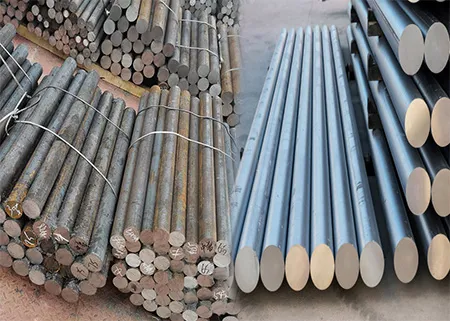
What is Alloy Steel?
Alloy steel is enhanced with additional elements. These elements improve its mechanical properties and performance. Unlike carbon steel, alloy steel has various alloying elements. These elements provide specific characteristics for engineering needs.
-
Composition of Alloy Steel
- Chromium (Cr):Adds hardness and corrosion resistance, commonly found in stainless steel.
- Nickel (Ni):Enhances toughness, strength, and resistance to corrosion and oxidation.
- Manganese (Mn):Improves strength, toughness, and wear resistance.
- Molybdenum (Mo):Increases hardness, strength, and resistance to wear and corrosion.
- Vanadium (V):Enhances strength, toughness, and resistance to shock and vibration.
-
Characteristics of Alloy Steel
| Property | Value Range |
| Tensile Strength | 600 – 2000 MPa |
| Yield Strength | 350 – 1800 MPa |
| Hardness (Rockwell) | 20 – 65 HRC |
| Elongation at Break | 10% – 25% |
| Corrosion Resistance | High (varies by alloy) |
| Density | 7.8 g/cm³ (typical) |
| Thermal Conductivity | 20 – 30 W/m·K |
| Modulus of Elasticity | 190 – 210 GPa |
-
Detailed Characteristics
- Tensile Strength:Alloy steel has tensile strength between 600 to 2000 MPa. This makes it suitable for high-strength applications.
- Yield Strength:The yield strength of alloy steel is 350 to 1800 MPa. It can withstand significant stress before deforming.
- Hardness:Alloy steel has Rockwell hardness from 20 to 65 HRC. It provides excellent wear and abrasion resistance.
- Elongation at Break:The elongation at break is 10% to 25%. This shows its ductility and ability to stretch under stress without breaking.
- Corrosion Resistance:Alloy steels with chromium and nickel resist corrosion well. They are suitable for harsh environments.
- Density:The typical density of alloy steel is around 7.8 g/cm³, which is comparable to other types of steel.
- Thermal Conductivity:Alloy steel has a thermal conductivity of 20 to 30 W/m·K, allowing it to conduct heat effectively.
- Modulus of Elasticity:Alloy steel’s thermal conductivity is 20 to 30 W/m·K. It conducts heat effectively.
-
Common Grades of Alloy Steel
| Type | Grade | Characteristics | Uses |
| Chromium-Molybdenum | AISI 4140 | High strength and toughness | Gears and heavy-duty machinery |
| Nickel Alloy Steel | AISI 4340 | Excellent toughness and fatigue resistance | Aerospace and automotive components |
| Stainless Alloy Steel | 304 and 316 | High chromium and nickel content, exceptional corrosion resistance | Food processing, medical instruments, marine applications |
-
Applications of Alloy Steel
Common Uses in Industry:
- Construction:Used for buildings, bridges, and infrastructure due to strength and durability.
- Automotive:Manufacturing of parts like gears, shafts, and engine components.
- Aerospace:Aircraft parts requiring high strength, toughness, and temperature resistance.
Examples of Products Made from Alloy Steel:
- Structural Components:Beams, columns, and frames for buildings and bridges.
- Automotive Parts:Axles, crankshafts, and suspension components.
- Aerospace Parts:Landing gear, engine parts, and structural elements of aircraft.
- Tools and Machinery:Cutting tools, drill bits, and industrial machinery parts.
Alloy steel’s versatility and enhanced properties make it a preferred choice for applications that demand superior performance and reliability.
What is Carbon Steel?
Carbon steel is steel with carbon as the main alloying element. The carbon content ranges from 0.05% to 2.1% by weight. It is known for its high strength, hardness, and wear resistance.
-
Composition of Carbon Steel
- Low Carbon Steel (Mild Steel): Carbon content: 0.05% to 0.25%;
- Medium Carbon Steel: Carbon content: 0.25% to 0.60%;
- High Carbon Steel: Carbon content: 0.60% to 1.25%.
-
Characteristics of Carbon Steel
| Property | Value Range |
| Tensile Strength | 400 – 900 MPa |
| Yield Strength | 250 – 700 MPa |
| Hardness (Rockwell) | 55 – 80 HRB (Low Carbon)
70 – 100 HRB (Medium Carbon) 55 – 66 HRC (High Carbon) |
| Elongation at Break | 10% – 25% (varies by grade) |
| Corrosion Resistance | Low (without coating) |
| Density | 7.85 g/cm³ |
| Thermal Conductivity | 43 – 60 W/m·K |
| Modulus of Elasticity | 190 – 210 GPa |
-
Detailed Characteristics
- Tensile Strength:400 to 900 MPa. Higher carbon increases strength.
- Yield Strength:250 to 700 MPa. Indicates stress before plastic deformation.
- Hardness:Increases with carbon content. Low carbon: 55-80 HRB, Medium carbon: 70-100 HRB, High carbon: 55-66 HRC.
- Elongation at Break:The ductility varies by grade, typically ranging from 10% to 25%.
- Corrosion Resistance:Generally low; often needs protective coatings.
- Density:The density of carbon steel is approximately 7.85 g/cm³, typical for steels.
- Thermal Conductivity:High, ranging from 43 to 60 W/m·K.
- Modulus of Elasticity:190 to 210 GPa, similar to alloy steels.
-
Common Grades of Carbon Steel
| Type | Grade | Characteristics | Uses |
| Low Carbon Steel | ASTM A36 | High ductility and weldability | Construction and manufacturing |
| Medium Carbon Steel | AISI 1045 | Good strength and ductility balance | Machinery and automotive applications |
| High Carbon Steel | AISI 1095 | High hardness and wear resistance | Cutting tools, springs, high-strength wires |
-
Applications of Carbon Steel
Common Uses in Industry:
- Construction:Extensively used in structural components like beams, columns, and reinforcements for strength and affordability.
- Machinery:Ideal for manufacturing parts requiring high strength and wear resistance, such as gears and shafts.
- Tools:High carbon steel makes cutting tools, drills, and other hand tools needing a sharp, hard edge.
Examples of Products Made from Carbon Steel:
- Structural Components:Building frames, bridges, and reinforcements.
- Machinery Parts:Gear wheels, axles, and crankshafts.
- Tools:Hand tools like hammers, wrenches, and saw blades.
- Automotive Components:Chassis parts, engine components, and fasteners.
- Pipes and Tubes:Used in plumbing, gas lines, and as conduit in construction.
Carbon steel’s properties and grades suit many applications. It is used in everyday tools and critical infrastructure projects.
Key Differences Between Alloy Steel and Carbon Steel
-
Composition
| Property | Alloy Steel | Carbon Steel |
| Alloying Elements | Chromium, Nickel, Manganese, Molybdenum, Vanadium | Primarily Carbon (0.05% to 2.1%) |
| Carbon Content | Low to Medium | Low (0.05% to 0.25%), Medium (0.25% to 0.60%), High (0.60% to 1.25%) |
Alloy Steel: Contains elements like chromium, nickel, manganese, molybdenum, vanadium. Elements added in different proportions for specific properties. Increases strength, hardness, and corrosion resistance.
Carbon Steel: Primarily consists of iron and carbon. The carbon content can range from 0.05% to 2.1%. Other elements are present in trace amounts. Properties influenced mainly by carbon content.
-
Mechanical Properties
| Property | Alloy Steel | Carbon Steel |
| Tensile Strength | 600 – 2000 MPa | 400 – 900 MPa |
| Yield Strength | 350 – 1800 MPa | 250 – 700 MPa |
| Hardness | 20 – 65 HRC | 55 – 80 HRB (Low), 70 – 100 HRB (Medium), 55 – 66 HRC (High) |
| Ductility | Good | Varies (high in low carbon, low in high carbon) |
-
Physical Properties
| Property | Alloy Steel | Carbon Steel |
| Corrosion Resistance | High (varies by alloy) | Low (without coating) |
| Thermal Conductivity | 20 – 30 W/m·K | 43 – 60 W/m·K |
-
Cost and Availability
| Property | Alloy Steel | Carbon Steel |
| Cost | Higher (varies by alloy) | Lower (low and medium carbon), Moderate (high carbon) |
| Availability | Specialized suppliers | Widely available from many suppliers |
How to Select the Right Steel for Your Needs?
-
Application Requirements
Alloy Steel: Chosen for high strength, toughness, and corrosion resistance. Ideal for high-stress and critical structural components.
Carbon Steel: Suitable for cost-effective, easy-to-fabricate applications. Common in construction, machinery, and everyday tools.
-
Environmental Conditions
Alloy Steel: Best for harsh environments with enhanced corrosion resistance and high-temperature tolerance. Used in marine, chemical, and high-temperature settings.
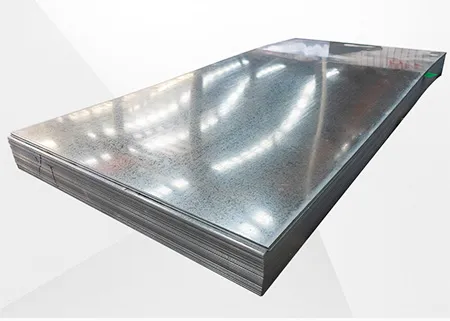
Carbon Steel: Better for indoor or protected environments. Often coated or galvanized for corrosion protection.
-
Cost Constraints
Alloy Steel: More expensive due to alloying elements and production processes.
Carbon Steel: Offers a cost-effective alternative when alloy steel’s superior properties are unnecessary. Low and medium carbon steels provide economical solutions.
-
Case Studies
| Industry | Case | Choice | Reason |
| Construction | Building a high-rise office tower in a coastal city. | Alloy Steel | Requires strength, durability, and corrosion resistance for wind and salt air. |
| Automotive | Manufacturing a fleet of commercial trucks. | Carbon Steel (Medium Carbon) | Needs strength and wear resistance, cost-effective for mass production. |
| Aerospace | Producing components for a new aircraft model. | Alloy Steel | Requires high strength-to-weight ratio, toughness, and temperature resistance. |
| Manufacturing Tools | Fabricating precision cutting tools for a machine shop. | High Carbon Steel | Needs extreme hardness and sharp edge retention. |
| Pipeline Construction | Installing water pipelines for a municipal project. | Carbon Steel (Low Carbon) | Needs strength and flexibility, cost-effective for large projects. |
By considering these factors and examining real-world applications, you can make an informed decision about whether alloy steel or carbon steel is best suited for your specific needs.
Conclusion
Choosing between alloy and carbon steel depends on application requirements, environmental conditions, and budget. Alloy steel is ideal for high-performance, durable, and extreme condition applications. Carbon steel suits cost-effective and adequately strong general applications. Understanding your project’s specific needs is crucial for selecting the right steel. Visit ALLOYXPERT for more!
Frequently Asked Questions (FAQs)
-
What are the main differences between alloy steel and carbon steel?
The main differences lie in composition and properties. Alloy steel contains elements like chromium, nickel, and molybdenum, enhancing strength, hardness, and corrosion resistance. Carbon steel, made of iron and carbon, is affordable, strong, and versatile, with properties based on carbon content.
-
Which type of steel is more corrosion-resistant?
Alloy steel is generally more corrosion-resistant than carbon steel. Elements like chromium and nickel form protective oxide layers, making alloy steel suitable for moist, chemical, and corrosive environments. Carbon steel has low corrosion resistance and often needs protective coatings.
-
Is carbon steel cheaper than alloy steel?
Yes, carbon steel is typically cheaper than alloy steel. Its cost-effectiveness comes from a simpler composition and manufacturing process, involving mainly iron and carbon. Alloy steel is more expensive due to added elements and complex production. For budget-sensitive projects, carbon steel is a more economical choice.
Related Articles:
Understanding The Differences Between Stainless Steel, Carbon Steel, And Alloy Steel