
Introduction
Schedule 10 steel pipes have specific wall thickness. The schedule number denotes this thickness. They have relatively thin walls. This makes them lightweight and easy to handle. These pipes are made from stainless steel or carbon steel. They are strong and durable for various applications. Standardized dimensions ensure consistent quality. Schedule 10 steel pipes are popular in many industries.

Importance in Various Industries
Schedule 10 steel pipes are crucial in many industries. Oil and gas use them for fluid and gas transport. Chemical processing relies on them for corrosion resistance. They withstand high temperatures in the chemical industry. Water treatment uses them for efficient flow management. Construction projects value their ease of installation. They are also easy to maintain. Their versatility and reliability are unmatched. Schedule 10 pipes are indispensable in various industries.
What Are the Dimensions and Thickness of Schedule 10 Steel Pipe?
The dimensions of Schedule 10 steel pipes are standardized, ensuring consistency across different manufacturers and suppliers. Below is a detailed chart showcasing common dimensions:
| Nominal Pipe Size (NPS) | Outside Diameter (OD) | Wall Thickness (in) | Wall Thickness (mm) |
| 1/8 | 0.405 | 0.049 | 1.24 |
| 1/4 | 0.540 | 0.065 | 1.65 |
| 3/8 | 0.675 | 0.065 | 1.65 |
| 1/2 | 0.840 | 0.083 | 2.11 |
| 3/4 | 1.050 | 0.083 | 2.11 |
| 1 | 1.315 | 0.109 | 2.77 |
| 1 1/4 | 1.660 | 0.109 | 2.77 |
| 1 1/2 | 1.900 | 0.109 | 2.77 |
| 2 | 2.375 | 0.109 | 2.77 |
| 2 1/2 | 2.875 | 0.120 | 3.05 |
| 3 | 3.500 | 0.120 | 3.05 |
| 3 1/2 | 4.000 | 0.120 | 3.05 |
| 4 | 4.500 | 0.120 | 3.05 |
| 5 | 5.563 | 0.134 | 3.40 |
| 6 | 6.625 | 0.134 | 3.40 |
| 8 | 8.625 | 0.148 | 3.76 |
Explanation of Nominal Sizes and Wall Thickness
Nominal Pipe Size (NPS) identifies standardized pipe sizes. It represents the approximate pipe diameter. NPS does not show exact inside or outside diameter. The outside diameter (OD) stays constant for a given NPS. Wall thickness varies with the schedule number. This affects the pipe’s internal diameter. Schedule 10 pipes have relatively thin walls. They are thinner than Schedule 40 and Schedule 80. Thinner walls make Schedule 10 pipes lighter. They are easier to handle but not for high-pressure use.
Comparison with Other Schedules (Schedule 40, Schedule 80)
Schedule 10 vs. Schedule 40:
Schedule 10 pipes have thinner walls compared to Schedule 40 pipes. This makes Schedule 10 pipes lighter and less expensive but also less durable under high pressure.
Example: A 1-inch NPS pipe with Schedule 10 has a 0.109-inch wall thickness. Schedule 40 for a 1-inch NPS pipe has a 0.133-inch wall thickness.
Schedule 10 vs. Schedule 80:
Schedule 80 pipes have thicker walls than Schedule 10 pipes. This provides greater strength and pressure resistance. For a 1-inch NPS pipe, Schedule 80 has a 0.179-inch wall thickness. Schedule 10, in contrast, has a 0.109-inch wall thickness. Choosing the right schedule depends on application requirements. Consider pressure and environmental conditions for selection.
What Is the Material Composition for Schedule 10 Steel Pipe?
Common Materials Used (Stainless Steel, Carbon Steel)
- Stainless Steel: Schedule 10 pipes are often made from stainless steel. Stainless steel offers excellent corrosion resistance and high durability. Types 304 and 316 are commonly used. They are known for their robustness. They resist various chemicals and environmental conditions.
- Carbon Steel: Carbon steel is also used for Schedule 10 pipes. It is valued for its strength and cost-effectiveness. Carbon steel pipes are suitable for non-corrosive environments.
Relevant Standards (ASTM A312, A358)
- ASTM A312: Covers seamless, straight-seam welded, and heavily cold worked welded austenitic stainless steel pipes. These are intended for high-temperature and general corrosive service.
- ASTM A358: Specifies electric-fusion-welded austenitic chromium-nickel alloy steel pipes. These are used for high-temperature service.
Chemical Composition Breakdown
The chemical composition varies by the type of steel used. Below is a breakdown for typical grades:
Stainless Steel 304:
- Chromium (Cr):18-20%
- Nickel (Ni):8-10.5%
- Carbon (C):Max 0.08%
- Manganese (Mn):Max 2%
- Silicon (Si):Max 1%
- Phosphorus (P):Max 0.045%
- Sulfur (S):Max 0.03%
Carbon Steel:
- Carbon (C):12-0.20%
- Manganese (Mn):30-0.60%
- Phosphorus (P):Max 0.04%
- Sulfur (S):Max 0.05%
These compositions ensure necessary mechanical properties and corrosion resistance. Material choice and standards like ASTM A312 and A358 ensure reliability. They guarantee performance in various industrial settings.
What Are the Pressure Ratings for Schedule 10 Steel Pipe?
| Nominal Pipe Size (NPS) | Schedule 10 Pressure Rating (psi) |
| 1/8 | 240 |
| 1/4 | 200 |
| 3/8 | 180 |
| 1/2 | 150 |
| 3/4 | 145 |
| 1 | 135 |
| 1 1/4 | 125 |
| 1 1/2 | 115 |
| 2 | 110 |
| 2 1/2 | 105 |
| 3 | 100 |
| 4 | 90 |
| 5 | 85 |
| 6 | 80 |
| 8 | 75 |
Pressure Rating Chart
Factors Affecting Pressure Capacity
- Material Composition:Stainless and carbon steel have different tensile strengths. Stainless steel handles higher pressures better.
- Temperature:Higher temperatures reduce steel pipes’ pressure capacity. Materials expand, and tensile strength decreases with temperature.
- Pipe Diameter:Larger diameters reduce pressure capacity. Larger pipes have thinner walls relative to size, reducing internal pressure resistance.
- Pipe Wall Thickness:Thicker walls have higher pressure capacity. Schedule 10 pipes have thinner walls and lower pressure ratings than Schedule 40 or 80 pipes.
Typical Applications Requiring Specific Pressure Ratings
- Oil and Gas Industry:Used for transporting liquids and gases under moderate pressure. Corrosion resistance and durability are key.
- Chemical Processing:Ideal for transporting chemicals without high-pressure containment needs. They resist various chemicals well.
- Water Treatment:Used in water transport systems with moderate pressure requirements. Corrosion resistance ensures long service life.
- HVAC Systems:Used in heating, ventilation, and air conditioning systems for low-pressure applications.
These applications highlight Schedule 10 steel pipes’ versatility and utility in moderate pressure and high durability environments.
How Do You Calculate the Weight of Schedule 10 Steel Pipe?
| Nominal Pipe Size (NPS) | Outside Diameter (OD) | Wall Thickness (in) | Weight per Foot (lbs) | Weight per Meter (kg) |
| 1/8 | 0.405 | 0.049 | 0.19 | 0.28 |
| 1/4 | 0.540 | 0.065 | 0.28 | 0.42 |
| 3/8 | 0.675 | 0.065 | 0.38 | 0.56 |
| 1/2 | 0.840 | 0.083 | 0.57 | 0.85 |
| 3/4 | 1.050 | 0.083 | 0.77 | 1.15 |
| 1 | 1.315 | 0.109 | 1.13 | 1.68 |
| 1 1/4 | 1.660 | 0.109 | 1.48 | 2.20 |
| 1 1/2 | 1.900 | 0.109 | 1.72 | 2.56 |
| 2 | 2.375 | 0.109 | 2.26 | 3.37 |
| 2 1/2 | 2.875 | 0.120 | 3.06 | 4.56 |
| 3 | 3.500 | 0.120 | 3.65 | 5.44 |
| 4 | 4.500 | 0.120 | 5.10 | 7.59 |
Weight Chart for Different Sizes
Calculation Formulas
The weight of Schedule 10 steel pipes can be calculated using the following formula:
Weight (kg/m)=(Outside Diameter (mm)−Wall Thickness (mm))×Wall Thickness (mm)×0.0246615
For stainless steel pipes, the formula is:
Weight (kg/m)=(Outside Diameter (mm)−Wall Thickness (mm))×Wall Thickness (mm)×0.02515
Practical Examples of Weight Calculation
Example for Carbon Steel Pipe:
For a 2-inch Schedule 10 carbon steel pipe:
Outside Diameter (OD): 60.3 mm; Wall Thickness (WT): 2.77 mm
Weight=(60.3−2.77)×2.77×0.0246615≈3.37kg/m
Example for Stainless Steel Pipe:
For a 1-inch Schedule 10 stainless steel pipe:
Outside Diameter (OD): 33.4 mm; Wall Thickness (WT): 2.77 mm
Weight=(33.4−2.77)×2.77×0.02515≈1.68kg/m
These examples demonstrate the calculation process for determining the weight of Schedule 10 steel pipes, which is essential for logistical planning and material cost estimation.
What Are the Applications of Schedule 10 Steel Pipe?
Industrial Uses (Oil & Gas, Chemical Processing, Water Treatment)
Oil & Gas: Schedule 10 pipes transport oil, gas, and fluids. They offer corrosion resistance and moderate pressure capacity.
Chemical Processing: In chemical plants, these pipes handle chemicals safely, resisting corrosion and reactions. Essential for processes with acids, bases, and reactive substances.
Water Treatment: Used in water facilities for potable and non-potable water. Durable and resistant to rust and corrosion, ideal for distribution and wastewater systems.
Construction and Infrastructure
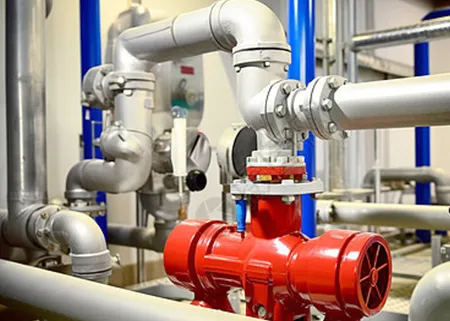
Schedule 10 pipes are used in structural applications. They are common in building frameworks, handrails, and support columns. Lightweight and easy to install, preferred by contractors. Also used in HVAC, fire protection, and plumbing systems. Reliable and compliant with building codes.
Comparison with Schedule 40 and 80 Pipes in Specific Applications
Schedule 10 vs. Schedule 40:
- Weight and Ease of Installation:Schedule 10 pipes are lighter and easier to install. This reduces labor costs and speeds up project completion.
- Pressure Capacity:Schedule 40 pipes have thicker walls for higher pressure. Suitable for high-pressure applications.
Schedule 10 vs. Schedule 80:
- Durability and Strength:Schedule 80 pipes have the thickest walls. They offer maximum strength for high-pressure environments.
- Cost and Material Usage:Schedule 10 pipes use less material and cost less. Not suitable for high-pressure and extreme durability needs.
Selecting the right pipe schedule depends on application requirements. Balance pressure capacity, ease of installation, cost, and material properties.
What Are the Advantages and Disadvantages of Using Schedule 10 Steel Pipe?
Benefits of Using Schedule 10 Pipes
- Lightweight and Easy to Handle: Thinner walls make them lighter, easier to transport and install. This saves on labor and transportation costs.
- Cost-Effective: They require less material, making them cheaper than Schedule 40 or 80 pipes. Ideal for low to moderate pressure applications.
- Corrosion Resistance: Stainless steel Schedule 10 pipes resist corrosion and chemical reactions. Suitable for harsh environments and chemical processing industries.
- Versatility: Used in various applications, from industrial and chemical processing to water treatment and construction. Preferred in many sectors.
Limitations and Considerations
- Lower Pressure Capacity: Thinner walls result in lower pressure ratings compared to Schedule 40 and 80 pipes. Not suitable for high-pressure applications.
- Less Durability: Thinner walls can reduce durability under certain conditions. May not withstand high-stress environments or heavy impacts as well as thicker pipes.
- Application-Specific Limitations: Versatile but not ideal for all scenarios. Important to consider specific application requirements, including pressure, temperature, and environment.
Case Studies or Examples of Use
Case Study 1: Chemical Plant Installation A chemical plant used Schedule 10 stainless steel pipes for transporting chemicals. The pipes’ corrosion resistance and moderate pressure capacity met the plant’s needs, resulting in a successful, cost-effective installation.
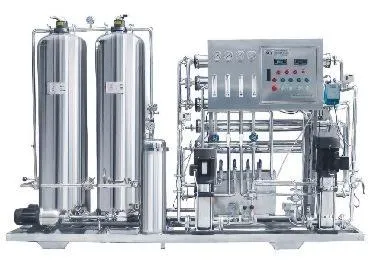
Case Study 2: Water Treatment Facility A water treatment facility used Schedule 10 pipes for its distribution system. Their lightweight nature and ease of installation allowed quick deployment. The pipes’ durability ensured long-term reliability in transporting treated water.
Case Study 3: Construction Project In a commercial building project, Schedule 10 pipes were used for the HVAC system. Their cost-effectiveness and ease of handling kept the project on budget and schedule. The pipes met the building’s performance specifications.
These examples showcase Schedule 10 pipes’ practical applications and benefits, demonstrating their effectiveness in various industrial and construction settings.
What Are the Best Practices for Installing and Maintaining Schedule 10 Steel Pipe?
Best Practices for Installation
- Proper Planning:Before installation, ensure that you have a detailed plan and accurate measurements. This helps in minimizing wastage and errors.
- Cutting and Handling:Use appropriate tools for cutting to avoid damaging the pipes. Handle with care to prevent dents and scratches.
- Joining Methods:Utilize welding or mechanical joints as per the application requirements. Ensure that all joints are properly aligned and secured.
- Support and Alignment:Install adequate supports to maintain alignment and prevent sagging or vibration. Supports should be spaced according to the pipe diameter and material.
- Leak Testing:After installation, perform pressure testing to check for leaks. Use appropriate testing methods to ensure the integrity of the piping system.
Maintenance Tips to Ensure Longevity
- Regular Inspections:Conduct periodic inspections to identify any signs of wear, corrosion, or damage. Early detection can prevent major failures.
- Cleaning:Keep the pipes clean, especially in corrosive environments. Use appropriate cleaning agents that do not damage the pipe material.
- Corrosion Protection:Apply anti-corrosion coatings or wraps in environments prone to rust. This is particularly important for carbon steel pipes.
- Monitoring:Use sensors and monitoring equipment to track pressure, temperature, and flow. This helps in maintaining optimal operating conditions and identifying issues early.
Common Issues and Troubleshooting
- Leaks:Commonly caused by improper joining or damage during installation. Inspect joints and repair or replace damaged sections promptly.
- Corrosion:More prevalent in carbon steel pipes. Regular inspections and protective coatings can mitigate this issue.
- Blockages:Debris or scale buildup can cause blockages. Regular cleaning and use of filters can prevent this.
- Pressure Drops:Could be due to leaks or blockages. Check the entire system for any visible signs of these issues and address them accordingly.
By following these best practices and maintenance tips, you can ensure the longevity and reliability of Schedule 10 steel pipes in various applications.
Conclusion
Summary of Key Points
Schedule 10 steel pipes are popular for being lightweight, cost-effective, and versatile. They are used in oil and gas, chemical processing, and water treatment. Benefits include ease of handling and corrosion resistance. However, they are not suitable for high-pressure environments. Proper installation and regular maintenance are essential for longevity and performance.
Future Trends and Innovations in Steel Piping
The steel piping industry is evolving with innovations for better durability, efficiency, and sustainability. Future trends may include advanced materials with enhanced corrosion resistance and higher pressure capacities. Smart piping systems with real-time monitoring sensors are becoming popular. These advancements will improve steel piping reliability and efficiency, meeting modern industry demands. If you have any questions regarding professional knowledge, please do not hesitate to seek out our experts to assist you!
Read More:
Schedule 40 Steel Pipe – How to Choose the Best One?
Why Schedule 80 Steel Pipe is Best for High-Pressure Systems?