
Introduction
Steel is heavy. This blog is about weight formula steel. Scientists measure it and engineers use math to do so. Density is one of the numbers. Volume helps too. Tensile strength (σ) helps to make machines strong. For more, read this blog.
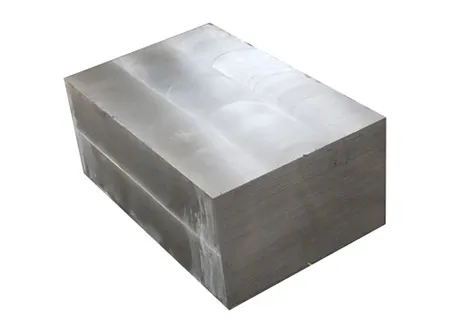
What is Weight Formula Steel in Precision Engineering?
Weight formula steel is strong. It has density (ρ) of 7.85 g/cm³. This density means 7.85 grams per cubic centimeter. The tensile strength (σ) is 400 MPa. This means it can pull very hard without breaking. Use the formula: Weight (W) = density × volume × gravity.
The gravity (g) is 9.81 m/s². So, W = ρ × V × g. They measure thickness in mm. Engineers use these for gears and rods. Elasticity (E) is 210 GPa. That helps make strong machines.
How Do You Calculate the Weight Formula for Steel?
To find out how much steel weighs, one has to put into consideration figures such as length and thickness. Now let me tell you how different ways help in finding weight! This superb short video can be very helpful in calculating the weight!
· Diameter × π²
The steel rod has a diameter of the 12mm. The unit weight of steel in lb ft3 is 490. Steel density in g/cm3 is 7.85. The density of steel g cm3 is used. Weight formula steel is π² which equals 9.87. This number aids in mathematics. Ensure that you take the diameter of the rod with great precision.
Calculate the weight of steel formula accurately. It is necessary to ensure that a digital caliper is used. When it comes to 12mm, the figure is 118.44. That helps you find the weight.
· Thickness × Density
This is a 10mm thick steel plate. Density is 7.85 g/cm³. Unit weight of steel pcf is 490. How do you calculate the weight of steel? Use the formula. Weight formula steel utilizes both of these numbers.
Thickness is how thick it is. Density is how compact it is. Density steel g cm3 is important. These numbers also assist us in determining the weight. That is why they are important.
· Length × Volume
The length of the steel bar is 3m; take the measurement of its length. Volume can be calculated by length multiplied by the width by the height. Weight formula steel employs volume in computing weight. Calculate weight of mild steel carefully. This way, length matters.
The measurement is a very crucial aspect that should be undertaken in the right manner. Calculate stainless steel weight with precision. The volume lets us obtain the weight.
· Cross-section × Area
The steel beam used has a cross-sectional area of 50mm². Steel weight calculation formula uses area and density. Area is obtained through cross-section × length.
Weight formula steel uses this to find the weight. These numbers therefore assist us in our ability to measure. It is essential to ensure accuracy of weights. Measure the cross-section carefully.
· Unit weight × Mass
The steel rod has a mass density of 0.78 kilograms per meter. Mass is the total weight of a particular object. Weight formula steel utilizes this to determine mass.
These numbers are very helpful. They assist us to find weight in the shortest time possible. Unit weight of steel is important. Unit weight of water in kg m3 is 1000. It can be readily applied because of its simplicity.
· Steel grade × Density
Choose steel grade S275. Density is 7.85 g/cm³. Weight formula steel utilizes these numbers to come up with weight. This is very important. The steel grade matters. But it also helps us get the right weight.
· Material constant × Volume
Employ the value of 2.1 for the material constant. Volume is 3m³. Weight formula steel employs such numbers. This constant assists in calculations. Volume is very important. It assists us to determine the weight. Calculate the weight of steel accurately. That’s why it matters.
· Length × Area × Density
The steel piece is of a length of 2 meters. Area is 0.5m². Density is 7.85 g/cm³. All these are used in weight formula steel. These numbers assist in finding the weight. In construction it is very important to ensure that measurements are done accurately. That aids in acquiring the correct weight.
· Density × Cross-section
The density of the used steel bar was 7.85 g/cm³. Cross-section area is 40mm². Weight formula steel uses these to identify the weight. These numbers are very crucial. Measure the cross-section accurately. Density of steel g cm3 is 7.85. It is useful in helping one to achieve the right weight.
| Formula | Components | Units | Common Usage | Variables | Example Calculation |
| Diameter × π² | Diameter, π | mm, π (unitless) | Basic calculations | D, π² | D=10mm, π²=9.87 |
| Thickness × Density | Thickness, Density | mm, kg/m³ | Material science | T, ρ | T=5mm, ρ=7850 kg/m³ |
| Length × Volume | Length, Volume | m, m³ | Structural engineering | L, V | L=2m, V=0.01m³ |
| Cross-section × Area | Cross-section, Area | m², m² | Cross-sectional study | A, A | A=0.02m², A=0.02m² |
| Unit weight × Mass | Unit weight, Mass | kg/m, kg | Density distribution | Uw, M | Uw=20kg/m, M=40kg |
| Steel grade × Density | Steel grade, Density | grade, kg/m³ | Material selection | G, ρ | G=Grade 50, ρ=7850 kg/m³ |
| Material constant × Volume | Material constant, Volume | constant, m³ | Custom applications | C, V | C=1.5, V=0.01m³ |
| Length × Area × Density | Length, Area, Density | m, m², kg/m³ | Engineering projects | L, A, ρ | L=2m, A=0.02m², ρ=7850 kg/m³ |
| Density × Cross-section | Density, Cross-section | kg/m³, m² | Mass calculations | ρ, A | ρ=7850 kg/m³, A=0.02m² |
Table on Calculating the Weight Formula for Steel!
Why is Accurate Weight Calculation Vital in Precision Engineering?
Precision is key! Now it is high time to consider what particular purpose engineers require accurate weights for.
· Design Integrity
The strong building requires the right weight. For instance, consider a steel beam that has a weight of 10 kg. Steel weight formula lets it remain perfect. This beam consists of Fe (26) and must be the right size.
Engineers use exact numbers. How much does steel weigh is critical. That ensures the beam does not bend. It maintains the safety and solidity of the entire structure.
· Load Distribution
Bridges must distribute loads correctly. A bridge supports 5000 N on steel beams with a thickness of 50mm. Knowing how to calculate weight of steel assists distribute the load. This stops bending.
Engineers verify each part with numbers. That way, they have the confidence that each piece is good enough to be published in the newspaper. Steel weight calculation assists in maintaining the safety and stability of the bridge.
· Structural Balance
Tall buildings need balance. A skyscraper requires 1000 beams of 5 meters each. Steel calculation tells their weight. This helps to maintain the stability of the building. Engineers weigh each beam.
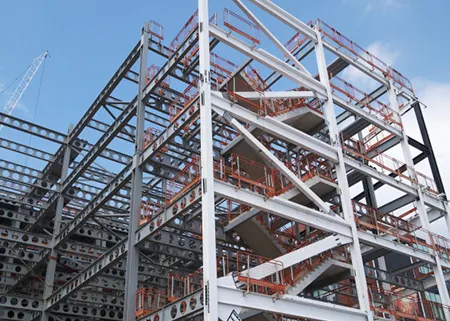
Like that, it will not tilt. Specific weight steel maintains the stability of the building and ensures that it is safe. They ensure that everything remains intact.
· Safety Margins
In simple terms, safe beams are good in terms of holding weights. With a safety factor of 50%, a beam holds 1000 kg. Calculate weight of steel plate reveals ways to set safe limits.
This keeps everyone safe. Numbers help engineers avoid mishaps, which ensure the beams are strong. The safety margin allows the beams to support heavier loads.
· Material Optimization
Less use of material is economical. Density of steel is 7.85 g/cm³. How to figure weight of steel plate informs us of the amount of steel to use. In this manner, engineers do not waste steel.
They measure every gram. That helps save resources. The buildings remain stable and functional. How much does steel weight is wise to use only as much as is necessary.
· Manufacturing Precision
It requires that parts need to be of exact sizes. This is a steel rod with a width of 10 mm and a length of 1m. Steel weight formula keeps it precise. This assists machines to cut parts right.
Numbers are employed by engineers to verify the sizes. Wt of steel helps in this. In this way, everything just clicks into place. It makes strong good products. It makes strong good products. The rod remains accurate and functional.
· Quality Control
Quality checks require precise weights. Measuring accuracy of steel beams is to a variance of ±0.5%. Also, specific weight of steel checks that they are correct or not.
This ensures that parts are kept up to standard. Engineers look for differences. Steel unit weight is crucial. That is how they maintain quality. The beams are indeed meeting all these specifications. It keeps buildings safe.
· Project Feasibility
The construction of a bridge requires 500 tons of steel. Steel formula informs the costs. Weights are checked by engineers in order to maintain correct budgets. This assists in planning good projects.
They employ numbers to ensure that everything is well-fitted. Unit weight of steel is key. The bridge stays strong. It keeps costs low.
· Compliance Standards
Rules need exact weights. ASTM standards should be followed for steel parts and the tolerance level should be within ±2%. How to calculate weight of steel assists in checking this.
Weights are used by engineers to adhere to rules. This keeps everyone safe. They take measurements to conform to set measures. Specific weight of steel helps. The parts stay correct. It follows all the rules.
What Tools Are Used for Measuring Steel?
Special tools are applied by engineers to measure steel. Let’s see which ones!
· Digital Scales
Digital scales assist to inform us how to compute the quantity of steel. They display figures such as 5000 kg. This scale has electrical power of 220V.
The LCD informs how to calculate units in kilograms and pounds. It can tell you within the shortest time possible. The tare button is useful when one is using a container.
· Calipers
Calipers are unique instruments that are used to measure the size of steel. This tool displays measurements in millimeters. It measures up to 150mm, and the size is displayed on the digital display. It is very accurate with an accuracy of ±0.02mm. The thumb wheel makes the adjustments very simple.
· Micrometers
Micrometers measure very thin thicknesses of steel. It is presented in micrometers, commonly abbreviated as μm. The range is 0-25 mm, and the accuracy of this tool is ±1 μm. The ratchet stop helps maintain constant pressure. It can measure very accurately indeed. The digital display makes numbers very legible.
· Ultrasonic Thickness Gauges
Ultrasonic thickness gauges make use of sound waves. This gauge works at a frequency of 5 MHz.
It has a scale of 0-300mm with an accuracy of +/-0.1mm and is operated using a 9V battery. The probe comes in direct contact with the steel. The LCD displays the thickness in millimeters.
· Laser Measurement Devices
Laser devices use light to measure steel. This tool works at a 635 nm wavelength. It can measure up to 150m. Its accuracy is ±1.5mm. It is operated by two AAA batteries. The measurements are given on the digital display as soon as the test is done. Lasers provide highly accurate, non-intrusive measurements.
· Vernier Calipers
Vernier calipers gauge the thickness of steel in a manual manner. It measures size in cm. Its accuracy is +0.05mm and it can measure up to 200mm. The scale consists of both Imperial and Metric units. The movement of the sliding jaw is very fluid. It also measures depth very well.
· Density Meters
Density meters determine the density of steel. This tool indicates results in grams per cubic centimeter. It works at 20°C. The accuracy of the density measurements is ±0.001 g/cm³.
It has an LCD display that makes it easier to read the messages. It can auto-calibrate. The built-in temperature sensor comes in handy for this purpose.
· Weighing Platforms
Weighing platforms are used to weigh heavy steel pieces. This tool can lift up to 10,000 kg. The accuracy is ±0.1kg. Four load cells support it. The digital indicator is easy to read and shows the measurement accurately. They use power input of 110V or 220V. The tare function is useful in the case of the containers.
· Strain Gauges
Strain gauges sense small variations in steel. This tool measures in microstrain. They function up to 150°C. The accuracy is ±0.1%. It adheres firmly to steel. The Wheatstone bridge circuit is inside. It is very precise due to the thin-film technology.
How Does Steel Density Affect Weight Formula Calculations?
Density matters! The weights of the Steels vary depending on its composition. Let’s learn how!
· Material Composition
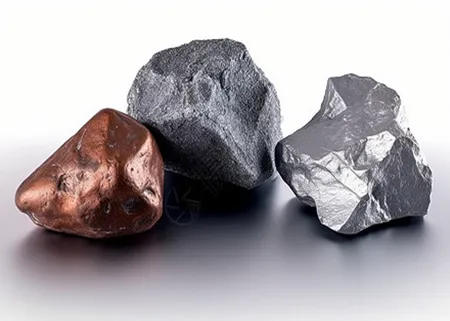
Steel has different parts. It is composed of iron, carbon, manganese, and silicon. Fe is strong. C makes steel harder. The Mn content such as 1.2% alters it. How heavy is steel? Weight formula steel uses 7.85 g/cm³ density. Each part is important. This mix influences the heaviness of steel. The numbers have to be right.
· Temperature Coefficient
Steel changes with heat. The density at 20°C is 7.85 g/cm³ for the steel. Heat makes it bigger. And at 100°C, it is equal to 7.83 g/cm³. How to compute steel weight? Weight formula steel employs these numbers. They indicate whether steel is hot or cold. This is referred to as the temperature coefficient (0.0001/°C). These changes have to be measured.
· Density Variations
Steel has different weights. Density is commonly 7.85 g/cm³. Sometimes it’s 7.83 g/cm³. How to calculate wt of steel? Weight formula steel helps know the weight.
The individual components contribute, for instance, hot-rolled steel and cold-rolled steel. Steel weight per cubic foot alters the feel of heavy steel. They are used in the process of making things.
· Alloy Content
Steel combines with other metals. Ni and Cr are examples. High Ni is 8.9 g/cm³. Low Ni is 7.85 g/cm³. Steel weight per feet employs these densities. Different metals change steel. This is why steel is special. They alloy the metals in order to produce the best steel. How to calculate the weight of steel? The numbers assist in identifying the weight.
· Carbon Percentage
Steel contains C in it. Density of Low C steel is 7.85 g/cm³. High C steel is 7.90 g/cm³. Weight of mild steel uses this info. C shapes steel to make it either hard or soft. It can be inferred that the more C, the heavier the steel. These numbers are important. How to calculate the weight of steel? This makes steel suitable for various uses.
· Elemental Impurities
Impurities are small particles present in steel. Some of them are P, S, and O. They change the weight. Formula for unit weight uses pure numbers. It also changes S at 0.03%. How to work out the weight of steel? Impurities must be controlled. They count a lot. This assists in maintaining the strength of the steel.
· Manufacturing Processes
Steel can be produced in various methods. Hot-rolled is 7.83 g/cm³. Cold-rolled is 7.85 g/cm³. Steel weight per cubic foot utilizes these numbers. One must be aware of how steel is produced. Different ways change the weight. Weight of steel cubic foot assists in making things. These methods are key.
· Heat Treatment
This occurs because steel is heated to alter it. The density of annealed steel is 7.85 g/cm³. Quenched steel has a density of 7.87 g/cm³. Formula of unit weight uses these numbers. Heat makes steel different. It is a very accurate process. It makes steel either strong or flexible. These treatments are important.
· Density Measurement
The density of Steel is checked properly. One method is with water. Placing steel in water reveals steel’s weight. Density of steel in lbs/ft3 requires this data. Tools must be accurate. How to find unit weight? This method is known as Archimedes’ principle. They measure carefully. Density of steel in lb/ft3 has to be perfect.
What Are Common Errors in Calculating Steel Weight?
Mistakes happen! These are some of the mistakes that should not be made when calculating the weight of steel.
· Incorrect Units
Wrong units such as cm instead of mm can make the steel weight wrong. Example: 1 cm is not 10 mm. Steel density lb ft3 is a critical unit. It is wrong to use different units in weight formula steel: length, width, thickness. 1 inch is equal to 25.4 mm. Weight of steel in cubic inches must be accurate. Exactly, weight should be in the same units. Substitute 1 m³ with 1,000,000 cm³. Be precise with units.
· Measurement Inaccuracies
That is why steel weight also becomes wrong because of wrong measurements. For instance, 2.45 mm error in thickness affects the weight. Weight of steel cubic inch is sensitive to errors.
Use calipers for accurate numbers. Steel density lb/ft3 must be exact. Weight formula steel: weight=L×W×T×density. An error of just 0.5 mm transforms everything. Measure carefully.
· Density Assumptions
Wrong density such as 8.0 g/cm³ instead of 7.85 g/cm³ alters steel weight. Weight of a cubic inch of steel must use correct density. Different alloys have different densities: stainless steel, 8.0 g/cm³, carbon steel 7.85 g/cm³. Correct the name of the density in weight formula for steel. Check material specs. Weight of cubic inch of steel should be accurate. It is correct weight when density is correct.
· Miscalculated Dimensions
Wrong dimensions such as radius or length make steel weight wrong. Weight of steel per cubic inch depends on correct dimensions. Example: wrong radius alters the volume (V=πr²h).
Use precise numbers. Weight formula steel requires exact measurements. Weight of steel cubic inch must be checked. A radius of 50.2 mm instead of 50 mm can change the weight. Check values twice.
· Overlooked Factors
Exclusion of holes, coatings, or welds makes steel weight wrong. Weight of a cubic inch of steel includes all factors. Example: a 10 mm hole even contributes to weight saving.
Zinc coatings alter density with a value of 7.14 g/cm³. Include all factors in weight formula steel: concentration and density. Density of steel imperial units affects precision. Take into account anything and everything for precise weight.
· Tool Calibration
Inaccurate measuring tools produce wrong dimensions, altering the weight of steel. Example: a wrong thickness is read when the micrometer is not set properly.
Weight of cubic inch of steel can be miscalculated. Calibrate tools regularly. Gauge blocks should be used to check. Weight formula steel needs accurate measurements. That is why accurate tools make correct weight.
· Material Variations
Density and weight change when the material contains impurities or alloys. Example: stainless steel vs. carbon steel density (8.0 g/cm³ vs. 7.85 g/cm³). Cubic inch of steel weight varies.
Identify materials correctly. Use material certificates. Weight formula steel requires special densities. Weight of a cubic foot of steel should reflect material info. Material info contains accurate weight.
· Human Errors
Through human errors in recording data make steel weight wrong. Example: writing 25 mm instead of 2.5 mm. Check entries twice at weight formula steel. 2.47kg in pounds conversion must be correct.
Use digital tools. Mistakes change results. Calculating weight of steel carefully prevents errors. When it comes to weights, make sure to be cautious with data.
· Incorrect Formulas
Incorrect formulas such as area instead of volume conversion alter steel weight. Weight of a cubic inch of steel relies on correct formulas. Example: weight=L×W×T×density vs. area×density.
Utilize an appropriate formula for steel shape. How to steel weight calculation is critical. Weight formula steel needs right calculations. Right formula equals right weight.
How Do Different Steel Grades Impact Weight Calculations?
Grades differ! Different steel grades affect weights in different ways. Let’s find out how!
· Grade Composition
There are different types of steel with varying contents like Fe, C, Cr, Ni, and Mn. For example, 304 SS contains 18% Cr and 8% Ni. These elements alter the mass of steel.
To determine the weight of a structure, engineers make use of the weight formula steel. This helps them know the exact weight of a given grade. How to calculate steel weight? It is very significant to know these numbers.
· Density Differences
Different steels have different specific gravities. 304 SS has a density of 8.03 g/cm³ while 1018 CS has a density of 7.87 g/cm³. These densities are applied in the weight formula of steel by the engineers.
Density of steel in kg/m3 is crucial. It also allows them to locate the specific weight they are looking for. Weight cubic foot steel is calculated. This is because various densities imply that even the same grade of steel will have varying weights. It is useful for making precise measurements for the purpose of calculation.
· Mechanical Properties
Tensile strength and yield strength are some of the mechanical properties which vary between the steel grades. 304 SS has the tensile strength of 505 MPa and yield strength of 215 MPa.
These numbers are used in the weight formula steel to calculate the weight. This ensures that engineers are provided with the right weight of the respective grade of steel. Estimate steel weight carefully.
· Heat Treatment
Heating alters the structure of steel and influences its weight. Such treatments as annealing, quenching, and tempering alter density and strength. Steel weight calculator formula is vital.
Thus, the density of quenched 1045 CS is different. Density of steel lb ft3 is checked. This is used in the weight formula steel for accurate weight by engineers. Formula to find weight is key. The treatment of heat makes the steels harder or softer and this alters the weight of the steel.
· Alloying Elements
Different steels have different alloying components including Cr, Ni, Mo and V etc. 316 SS has 16-18% Cr, 10-14% Ni and 2-3% Mo. These affect the density and strength. Density of steel in kg m3 is noted.
The weight is calculated using these numbers by the steel. Steel weight per cubic inch varies. Understanding the elements assist the engineers to estimate the weight in the best way possible.
· Yield Strength
Yield strength of steel indicates how much stress the steel can bear without bending. The yield strength of 1018 CS is 370MPa. This is used in the weight formula steel to determine weight.
Formula for calculation of weight is needed. Higher yield strength implies that a particular variety of steel is stronger than the other one. But how can it assist engineers to know how much load the steel can support before bending?
· Tensile Strength
Tensile strength refers to the maximum amount of stress a steel material can be subjected to. 304 SS has a tensile strength of 505 MPa. This number is used in the weight formula steel for the calculation of weight. How much does a cubic inch of steel weigh? More often than not, increased hardness in steel is associated with increased density. Tensile strength is the other aspect that engineers employ in a bid to arrive at the true weight of the structure.
· Hardness Levels
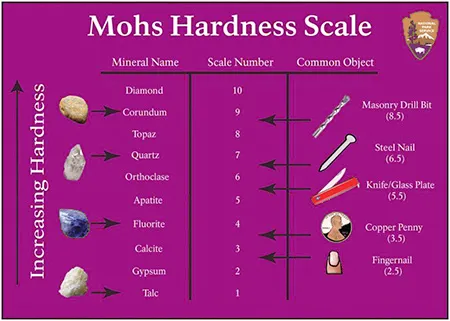
Steel hardness differs, quantified in terms of HRB or HRC. For instance, 1045 CS has 60 HRB, and 440C SS achieves 58 HRC. Stiffer steel might mean stronger steel, or it could simply mean thicker steel.
I beam weight calculator in pounds helps. The weight formula steel utilizes hardness to determine the weight. Weight steel is essential. This assists engineers to precisely determine the weight of hard steel.
· Grade Identification
Every type of steel is characterized by a certain number such as AISI 304. It tells the constitution, density and characteristics. First of all, AISI 304 contains 18% chromium and 8% nickel.
This is used by engineers in the weight formula steel in order to determine weight. Steel calculation table aids engineers. The identification of the grade is thus crucial for proper weight determination. Gm/cc to kn/m3 conversion is used. This helps to ensure they get the right numbers.
What is the Role of Material Composition in Steel Weight?
Materials mix changes weight! Now let me show you what can make the steel heavy or light. Let’s find out more!
· Carbon Content
There is also steel that is heavy and that which is light. When carbon (C) is 0.6-1.4%, the steel gets dense. If C is below 0.3%, it is lighter. This alters the usage of weight formula steel. It’s very important!
· Alloying Elements
This is due to the fact that alloying elements put uniqueness on steel. When chromium (Cr) or nickel (Ni) is incorporated, it becomes heavy. Nickel at 10% enhances its density. Manganese (Mn) helps too. The weight formula steel provides an understanding of how heavy it becomes. It’s neat!
· Impurities Levels
Such unacceptable elements as sulfur (S) and phosphorus (P) transform steel. If P or S is more than 0.05%, it makes it lighter, or if they are too much, this impacts on the weight formula steel. Clean steel is important.
· Manufacturing Process
Making steel is fun! Hot rolling at 1200°C and cold rolling alters the weight of the steel. It makes it thinner or thicker. From the weight formula Steel, we can understand how much heavy it is. It’s so cool!
· Heat Treatment
Heat treatment changes steel. Heating to 850°C it becomes soft. The act of quenching makes it hard as it involves dipping the object in water. The weight formula steel informs us how it turns to be heavy. That’s interesting!
· Grain Structure
Grains are small particles in steel. Fine grains (10µ) are heavy. As previously mentioned, big grains (100 µm) are light. This alters the weight formula steel. Grains are cool!
· Chemical Properties
Steel’s chemical parts matter. To prevent rust, 18% chromium (Cr) and 8% nickel (Ni) are included. This makes it heavier. The weight formula steel lets us find out how. It’s amazing!
· Physical Properties
Metal components such as tensile strength give strength to steel. It is heavy because it has 500 MPa tensile strength. Aluminum content is also important as is hardness at 300 HB. The weight formula steel informs more about something. The weight formula steel tells us more. It’s important!
· Material Analysis
Therefore, we perform material analysis on steel. This finds carbon (C), manganese (Mn), and chromium (Cr). This is beneficial to the weight formula steel. This makes steel better, knowing this. It’s neat!
How to Choose the Right Weight Formula for Your Project?
Every project is different! Here’s how to choose the right weight formula.
· Application Requirements
When selecting the weight formula steel, we consider what it is for. It has to support a load, expressed in kN. This also includes stress, which is in MPa. For bridges, they must examine the fatigue limit, which helps it to be strong. The steel should be heat and rust resistant. These are necessary to make it safe. We assist you with all your metal requirements.
· Material Properties
The weight formula steel requires high strength material attributes. It should have yield strength of 210 MPa and a poisons ration of 0.3. These numbers depict how powerful it is.
This steel must have a density of 7.85 grams per cubic centimeter. These parts enable it to handle large loads. The ASTM standards aid in checking this. They ensure that it meets the project requirements. Wuxi Chengjiu Metal offers steel products of good standard.
· Structural Design
For weight formula steel, we employ figures such as moment of inertia in millimeters to the power of four. This assists in balancing the load. The section modulus in mm³ and cross-sectional area in mm² are significant. It has to conform to the rules of AISC. They keep it safe. Check every part. This makes sure the design is good.
· Load Calculations
We use the weight formula steel to determine loads. This means determining the max load in kN and shear force in kN. These numbers keep it strong. The safety factors are typically between 1.5 – 2.5.
This assists with shock loads. There are dynamic loads and static loads. You should check these to be sure. It has to meet specifications to be safe. Turn to our metal service center for load calculations.
· Project Specifications
The weight formula steel has to conform to project requirements. Other critical characteristics are size in mm and surface finish in Ra, μm. This keeps it right for the job.
Each spec must match the blueprint. Check it with ASTM or ISO standards. These ensure that it is a match. They assist it to meet the project requirements. We make sure all specifications are complied with.
· Safety Standards
Procedures inform us on how to apply weight formula steel safely. Obey OSHA and ISO guidelines. It requires yield strength in MPa and elongation in %. These numbers keep it safe. These rules apply to all parts. This stops accidents. Review them often. They make safety current. Wuxi Chengjiu Metal ensures that all regulatory measures are taken in safety.
· Cost Considerations
When choosing weight formula steel think of costs. Costs of the raw materials are in $ per kilogram. Fabrication costs are $/unit and installation costs are $/hour.
These assist in the preparation of the budget. Compare prices. This ensures that price does not compromise quality. They assist in managing the costs and the work load. Our company has cheap metal solutions.
· Weight Constraints
The right weight formula steel fits weight limits. The important values are unit weight in kg/m and total mass in kg. This makes the structure as light as possible. It needs a density in g/cm³. These assist in sharing the load. Check the design specs. This ensures that it fits weight as well as work. We offer lightweight options.
· Engineering Guidelines
There are specific guidelines that have to be followed when choosing weight formula steel. Load-bearing capacity in kN and stress limits in MPa are primary. These numbers keep it working well. Do not deviate from ASCE and AISC rules. They guide safe work. Update rules often. This puts the project on the right track. Wuxi Chengjiu Metal complies with engineering standards.
What Are the Industry Standards for Weight Calculation in Steel?
Standards guide us! Now it’s high time to know rules for calculating weight of steel.
· ASTM Standards
Specific gravity and volume are described by ASTM about how to calculate weight of steel. This helps engineers. ASTM A6 indicates directional standards. These ensure correct weight.
The precision is necessary for ASTM to maintain the quality. They focus on steel types. It uses many numbers. Weight formula steel comprises of length and thickness. Everyone follows the rules made by ASTM. That is useful for building. ASTM updates rules.
· ISO Regulations
According to ISO 10346, it is possible to determine the weight of steel by means of volume and length. It utilizes numbers such as 10346 for rules. ISO 9001 requires compliance to be followed keenly.
These rules ensure that products are right. Weight formula steel requires volume. ISO helps global trade. It makes everything safe. This updates often. They improve factories. A large number of countries benefit from the standards. That makes things better.
· EN Norms
EN 10025 also provides details on how to calculate the weight of steel. It uses length and volume. These rules maintain continuity in Europe. EN checks quality. It needs good products.
Weight formula for steel is size. EN 10204 is used to identify items. These rules help trade. EN meets EU laws. It updates standards. This makes steel safe. That I think helps build strong things.
· AISI Guidelines
Consequently, AISI S100 provides weight formulas based on thickness and volume. It helps engineers. AISI classifies a large number of grades of steel. Weight of Formula Steel Needs Stress Values.
These keep buildings strong. For the guidelines, the desired number is precision. AISI changes rules often. This helps new tech. AISI helps builders. These guidelines are important.
· ANSI Codes
ANSI MH30.1 explains steel weight based on volume and thickness of the steel. It assists in creating strong items. ANSI keeps things safe. Helps design weight formula steel. The codes have numerous uses.
Z49.1 assists in welding of joints. These ensure that they are strong. ANSI updates codes. This makes industry better. They maintain rules current.
· JIS Standards
In JIS G3101 they explain how to calculate steel weight. It uses volume and length as its dimensions. These rules are helpful in Japan. JIS includes most types of steels. Weight formula for steel requires accurate figures. These guidelines help make products right. JIS updates rules often. This helps global practices. These keep quality.
· DIN Specifications
DIN 17100 explains how the weight of steel can be determined. It employs length and volume. This ensures correct measures. DIN covers steel grades. Weight formula steel is useful in helping design.
DIN 1026 gives profiles. These help build things. The rules keep quality. They update standards. This helps industry. It makes things strong.
· CSA Standards
According to CSA G40.21, there is a weight formula for steel through volume and thickness. It keeps things right. CSA covers steel types. Weight formula steel uses correct sizes.
The standards require proper quality. CSA S16 assists in constructing structures. These rules help engineers. CSA updates standards. This helps new tech. They make safe things.
· Industry Benchmarks
Industrial standards provide average steel weight. They use volume and thickness as some of their strategies they use in their work. These keep things right. Benchmarks match global rules.
Weight formula steel needs numbers still. It helps design things. The benchmarks update often. This makes things better. They help factories. These rules ensure quality. They keep items safe.
How Does Temperature Affect Steel Weight Calculations?
Heat changes steel! Okay, let’s find out how temperature influences weight considerations.
· Thermal Expansion
The steel stretches when it is heated. Suppose now we have a steel bar at 20°C; the size of this bar increases with temperature. It increases by 50°C by 0.6 mm/m. The thickness of the steel bar increases and hence the length which requires us to make corrections in our calculations.
· Density Changes
Heat impacts the density of steel. While the density of the material at 20°C is 7.85 g/cm³, at 200°C it is 7.81 g/cm³. This means we need to use the right numbers to get the measurement right.
· Material Behavior
Steel has different mechanical properties when hot. The tensile strength of it decreases by 40% at 500°C. When steel is hot, its malleability is high and can break or be bent with ease. This helps us learn how sturdy it is and how to create safe things.
· Temperature Coefficients
Depending on the temperatures, steel has different resistance values. The coefficient is 0.0045/°C. It is also important to note that the electrical resistivity of steel rises with increase in temperature. These numbers are important for correct computations.
· Heat Treatment
Heating steel changes it. After cooling, it becomes hard and stronger at 800°C. Annealing and normalizing help to strengthen steel. We must understand the impact of heat on steel to make the right measurements for the process.
· Structural Integrity
Heat weakens the strength of steel. At 700°C, it loses 50% of its strength. This makes steel less strong and we need to understand these facts to construct safe buildings and bridges.
· Stress Factors
Stress in steel is affected by heat. An increase of 100°C can produce 250 MPA stress in it. When steel is used, it is subjected to a lot of pressure when hot. To avoid these problems, we have to know these stress numbers.
· Dimensional Changes
Heat makes steel grow. For a 10°C increment in temperature, the length of a 10m long rod increases by 1.2mm. The length of the rod increases when it’s hot. We have to change the marks for the right dimension.
· Temperature Control
The steel should be maintained at the same temperature. Temperature affects it by altering its density and strength. That way, when the steel maintains equilibrium, it is easier to determine its weight and dimensions. Accurate control is key.
Why is Weight Distribution Critical in Steel Structures?
Balance is important! Distribution of weight helps the steel structures remain rigid.
· Thermal Expansion
To be more precise, the thickness of the steel is bigger when it is hot. Picture a steel bar at 20°C; cross- sectional area increases with temperature. If it warms by 50°C, it lengthens by 0.6mm per meter.
Weight formula steel enables us to quantify this variation. The size of steel bar increases and usually it is necessary to change the size in calculations.
· Density Changes
Steel is known to expand when it is heated and contract when it is cooled. The density of the polystyrene foam is 7.85 g/cm³ at 20°C and 7.81 g/cm³ at 200°C.
Weight formula steel enables us to understand its weight. It makes the steel lighter when hot because of higher density. We must employ the right numbers for measurement to acquire the correct results.
· Material Behavior
However, steel behaves differently when hot. It loses 40% of its strength at the temperature of 500°C. Weight formula steel shows how much it remains powerful. Steel is also known to become brittle or fragile when it is hot. This makes it possible to determine how much it is resistant and how to design safe items.
· Temperature Coefficients
It is true that the resistivity of steel varies with its temperature. The coefficient is 0.0045/°C. Weight formula steel enables determination of this change. One fact is that the electrical resistivity of steel increases when it attains a high temperature. We need to know these numbers for the purpose of performing computations accurately.
· Heat Treatment
Heating steel changes it. After cooling from the temperature of 800°C it then becomes harder and stronger. To measure this change, Weight formula steel is used.
It is noteworthy that quenching and tempering make steel tougher. Proper measurements require knowledge of how heat impacts steel.
· Structural Integrity
Heat also has a direct impact on the strength of the steel. It reduces to 50% of its strength at 700°C. Weight formula steel allows us to grasp how much it is capable of holding. This makes steel less strong, and we, in order to be able to design secure buildings and bridges, need to be aware of this fact.
· Stress Factors
Heat creates a stress on steel. It becomes 250 MPa stressed with a 100°C increase in it. Weight formula steel aids in determining this stress. The reaction is that when steel is heated, it receives a lot of pressure. These are the stress numbers that we must know to avoid such issues.
· Dimensional Changes
Heat makes steel grow. A 10 m rod elongates by 1.2 mm with an increase in temperature by 10°C. Weight formula steel is useful in establishing this growth. The length of the rod is more when it is hot. We have to alter the measurements for the right size.
· Temperature Control
Maintaining steel at the same temperature is essential. Density and strength change with a change in temperature. Weight formula steel enables us to quantify it correctly. Thus, the width and weight of steel could be determined when the material remains stable. Accurate control is key.
How Do Software Tools Assist in Steel Weight Calculations?
Software helps! Here’s how tools work when it comes to weight calculations.
· CAD Software
3D models are best created with the help of CAD software. It uses numbers such as 0.01 mm. The software measures mass with volume in cubic meters (m³) and density in kilogram per cubic meter (kg/m³). Some components of a structure it assists in designing include beams and plates. This is why CAD is used.
· FEA Tools
FEA tools verify how much is strong. They utilize 1000 elements and nodes. It employs pressure which is force per unit area (N/m²) and force (N). Parameters like Young’s modulus of 210 GPa are useful in those aspects. The results are accurate. This keeps things safe.
· Weight Calculators
Weight calculators determine how much weight is present in an object. They use density of (7850 kg/m³) and volume (m³). It is measured in length (m), width (m), and thickness (mm). These calculators save time.
· Simulation Programs
Simulation programs are those in which elements such as real life are tried out. They assess load effects up to 10000N. It employs force per unit area or stress, and deformation per unit length or strain, measured in newton per square meter (N/m²). The program employs parameters such as Poisson’s ratio with a value of 0.3. This improves understanding.
· Design Software
Design software aids in creating objects. It employs basic measurements such as length in meters (m), width in meters (m), and height in meters (m). Some of the parts it helps design include beams, plates, and rods. Such tools make things go fast.
· Engineering Platforms
Engineering platforms are useful in projects. They use density which is 7850 kg/m³ and volume which is m³. These include length in meter (m) and thickness in millimeters (mm). This improves efficiency. The process is smooth. That helps productivity.
· Analysis Tools
Analysis tools check structures. They use stress (N/m²) and strain. It measures load up to 5000 N. The strength of beams and columns is checked. This ensures safety.
· Project Management
Project management plans tasks. It involves the use of Gantt charts and timelines. It has the ability to track with the help of milestones. This ensures that things are wrapped up on time. Those tools employ resource numbers in the form of hours or kilogram.
· Accuracy Enhancement
Accuracy enhancement makes things precise. It uses density (7850 kg/m³) and volume (m³). The software maps length (m) and thickness (mm). These tools reduce errors.
| Feature | CAD Software | FEA Tools | Weight Calculators | Simulation Programs | Design Software | Engineering Platforms | Analysis Tools | Project Management |
| Precision | High (±0.01 mm) | Very High (±0.001) | Moderate (±0.1 kg) | High (±0.05 mm) | High (±0.01 mm) | High (±0.02 mm) | High (±0.01 mm) | Moderate |
| Usability | User-Friendly | Complex | Easy | Moderate | User-Friendly | Moderate | Complex | User-Friendly |
| Automation | Partial | Yes | No | Yes | Partial | Yes | Yes | No |
| Cost Efficiency | Moderate | High | Low | Moderate | Moderate | High | High | Moderate |
| Integration | High | High | Low | High | High | High | High | Moderate |
| Analysis Depth | Moderate | Very High | Low | High | Moderate | High | Very High | Moderate |
| Data Management | Good | Excellent | Basic | Good | Good | Excellent | Excellent | Basic |
Table on How Software Tools assist in Steel Weight!
Conclusion
Weight formula steel requires math. It is discovered through density, volume, and gravity. Engineers use these numbers. It assists in making strong machines. For more information, please visit ALLOYXPERT. This makes projects better. The correct steel weight is very critical. Learn to measure it right.