
Introduction
Pressure systems, particularly the high pressure require robust and sturdy pipes. Schedule 80 Steel Pipe is ideal for them. This blog posts addresses the issue of what it offers. It involves pipe strength, pipe wall thickness, pipe standards, and protection against corrosion. Find out why it is suitable for use in high pressure applications.
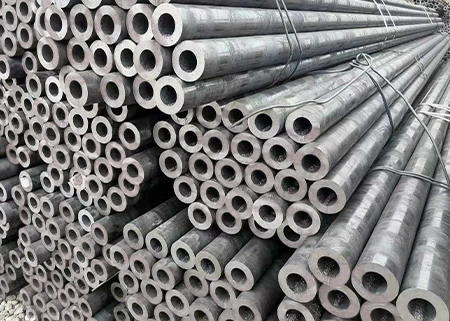
What is Schedule 80 Steel Pipe?
Schedule 80 Steel Pipe is strong. It handles high pressure. This pipe has a wall thickness of 0.276 inches. It uses ASTM standards. Schedule 80 Steel Pipe is used in applications related to gas and oil.
They use it for water and waste disposal system or as we commonly call it – plumbing. This pipe can bear up to 2500psi. The weight per foot comes down to 3.66 pounds.
It has an outside diameter of 1.315 inches. Builders employ it in construction. This pipe is good for high temperature applications.
How Does Schedule 80 Steel Pipe Compare to Schedule 40?
Schedule 80 can be compared to Schedule 40 steel pipes as a bear to a big teddy bear. Let’s compare them and see how different they are! Don’t forget to watch this video that reveals the differences between schedule 80 and schedule 40 steel pipe!
· Higher Pressure Rating
It can withstand a pressure of up to 3,200 psi. This makes Schedule 80 Steel Pipe very strong. The pipe’s thicker walls also come in handy. They make it good for heavy-duty work. Each part is tough. The pipe is ideal for use in hard areas. The schedule 80 steel pipe pressure rating is high.
· Thicker Walls
It has a thicker wall thickness of 0.322 inches. The thick walls are also able to withstand more pressure. They increase the lifespan of the pipe. Each pipe is strong. The thick walls help to prevent any leakage. The 80 sch pipe thickness helps. It is needed in hard jobs.
· Greater Strength
It is very strong. This makes Schedule 80 Steel Pipe useful in tough spots. The strength is derived from thick walls. They are resistant to dents and breaks, which make the pipe have a long lifespan. Each part is tough. The pipe deals with tough tasks. How thick is sch 80 pipe? It is safe in high-stressed areas.
· 0.322″ Thickness
It measures 0.322 inches in thickness. These thick walls are therefore capable of withstanding pressure. They make it last in hard places. That is greater than Schedule 40 which is 0.237 inches.
Each pipe is checked. The extra thickness is safe. The temperature rating of schedule 80 PVC is good. It is important in challenging assignments.
· 2.375″ Outer Diameter
It has an outer diameter of 2.375 inches. Schedule 80 Steel Pipe is suitable. The size assists with setup. They are exact. That reduces mistakes. The size influences the rate of flow. The sch80 size helps engineers. It is very important for engineers.
· ASTM Standards
It meets ASTM standards. This shows quality. Schedule 80 Steel Pipe complies with these rules. The standards are strict. They include size and strength. Each pipe is tested. The standards help builders. The schedule 80 galvanized pipe is safe. It guarantees good performance.
· PSI Ratings
It has a better ranking in terms of PSI rating. Schedule 80 Steel Pipe is rated for up to 3,200 pounds per square inch or PSI. The rating reveals that it is strong in this area. They test each pipe. That ensures safety. The sch 80 galvanized pipe is strong.
· Increased Durability
It is very durable. Schedule 80 Steel Pipe lasts long. The thick walls help. Each pipe is tough. It is effective in tough environments. The pressure rating of schedule 80 PVC helps. The design enables usage for a long time.
· Reduced Friction Loss
It has less friction loss. This improves flow. Schedule 80 Steel Pipe has a smooth internal surface. The friction loss is low. They are efficient. The sch 80 galvanized steel pipe works well. Every pipe is made for flow.
· Weldability
It is also easily weldable. Schedule 80 Steel Pipe fits well. It enables the formation of good welds. They must be secure. Each weld is important. The pipe joins easily. The pressure rating for schedule 80 PVC does matter.
· Pipe Schedule
It follows a schedule. This defines size. Schedule 80 Steel Pipe has fixed dimensions. The schedule affects thickness. They have different uses. Each schedule is unique. The specific size is useful for engineers. The schedule 80 steel pipe thickness helps.
· Burst Pressure
They have high burst pressure. Schedule 80 Steel Pipe can handle up to a pressure of 3,200 psi. They test each pipe. All pipes are designed to handle high pressure. The design is tough. The sch 80 pipe wall thickness is high. It is safe in hard places.
| Property | SCH40 | SCH80 |
| Pressure Rating (PSI) | Lower (3000 PSI) | Higher (5000 PSI) |
| Wall Thickness | Thinner (0.154″) | Thicker (0.322″) |
| Outer Diameter | Same (2.375″) | Same (2.375″) |
| Strength | Lower | Greater |
| ASTM Standards | Same (A53, A106) | Same (A53, A106) |
| Durability | Less | Increased |
| Friction Loss | Higher | Reduced |
| Weldability | Easier | Comparable |
| Burst Pressure | Lower | Higher |
Table on SCH80 and SCH40 steel pipes!
Why is Schedule 80 Steel Pipe Ideal for High-Pressure Applications?
Selecting Schedule 80 Steel Pipe is wise for high pressure work. This pipe ensures the safe completion of difficult tasks. Great! Let’s look at how it works!
· PSI Tolerance
This pipe operates at a pressure of one thousand two hundred PSI. 3/4 schedule 80 pipe dimensions measure well. The pipe’s wall is also 0.276 inches in thickness. The pipe measures 12 feet in length. The pipe is used to contain water as well as gas.
· High Tensile Strength
It possesses 70,000 PSI tensile strength. Schedule 80 Steel Pipe is hard. The pipe has a length of 10 feet. Sch 80 steel pipe thickness is good. It measures 2 inches in width. The pipe can easily carry big loads.
· Robust Construction
Schedule 80 Steel Pipe is available with 0.375-inch thick walls. They are 14 feet long. The pipe has to bear large loads. 2 schedule 80 pvc pressure rating is correct. This pipe is utilized in large structures. It is safe.
· Pressure Ratings
The pipe can operate up to 2,000 pounds per square inch. Schedule 80 Steel Pipe is 16 feet long. Schedule 80 pvc pressure rating matters here. This is 4 inches in width. The pipe is also used to contain water and gas.
· Corrosion Resistance
This pipe does not rust. Schedule 80 Steel Pipe is available in length of 18 feet. The width of the pipe is six inches. It resists chemicals. Thickness of sch 80 pipe is 0.432 inches. The pipe is reliable.
· Seamless Design
It has no seams. Schedule 80 Steel Pipe is smooth. The pipe is twenty feet in length. Schedule 80 ss pipe is strong. It measures 3 inches in width. This pipe does not leak. It is made in one piece.
· Yield Strength
It has a yield strength of 80,000 PSI as a pipe. Schedule 80 Steel Pipe is robust. Thickness of schedule 80 pipe does matter. The pipe is 12 feet in length. The width of this product is 5 inches. It also accommodates large loads.
· Industrial Standards
The pipe is produced according to ASTM A53 specifications. Schedule 80 Steel Pipe is available in length of 24 feet. It has a width of 7 inches. What is sch 80 pipe? It’s this. This pipe is utilized in factories. It can be described as strong.
· Safety Margins
It has a safety margin of 1.5 times. Schedule 80 Steel Pipe is 15 ft long. Thickness of schedule 40 pipe is less. The pipe is 9 inches in width. The pipe maintains the containment of things.
· Fatigue Resistance
This pipe resists fatigue. Schedule 80 Steel Pipe has a length of 22 feet. It is 8 inches wide. Schedule 80 stainless steel grade pipe works here. The pipe handles stress.
· Thermal Stability
The pipe remains strong at heat. Schedule 80 Steel Pipe is 26 feet long. Wall thickness of sch 80 pipe is 0.432 inches. Its width is 5 inches. The pipe deals with the temperatures.
What are the Material Properties of Schedule 80 Steel Pipe?
It is very enjoyable to learn about the material properties of Schedule 80 Steel Pipe. It is also strong and very tough. Let’s see why!
· Carbon Steel
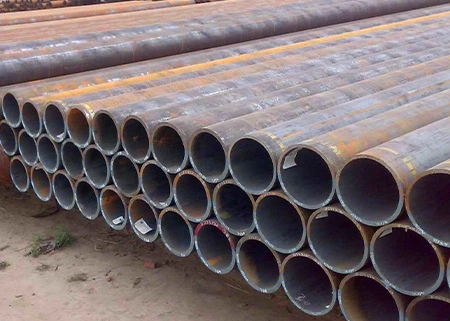
This pipe is resistant and made from carbon steel. Its wall thickness is 0.322 inches. The Schedule 80 Steel Pipe is designed to withstand pressures up to the range of 3000 psi. It measures a diameter of 4 inches. ASTM A53 is the standard. Sch 80 stainless steel pipe is used for backing. It has also iron and carbon.
· Tensile Strength
It can stretch quite a lot. The tensile strength is 70,000 psi. Actually, this Schedule 80 Steel Pipe can elongate itself without actually cracking or breaking. Schedule 80 carbon steel pipe is 6 inches. ASTM A106 defines the rules. Its length may be 20 feet. This pipe is strong. The high strength makes it safe.
· Yield Point
They have a yield point of 60,000 psi. This is where the Schedule 80 Steel Pipe starts bending. It comes in a 3-inch diameter. Pipe schedule 80 pressure rating is shown by ASTM A53.
Yield point suggests strength. This is important for safety’s sake. The thickness is 0.432 inches. This pipe is tough.
· Elongation
It stretches 20% before it fails. It is notable that this Schedule 80 Steel Pipe can bend easily without getting ruptured. Its diameter is 2 inches. From ASTM A106, elongation is revealed to us. Sch 80 pipe is flexible. Its length may be 30 feet. Safety is best when elongation is being practiced. It’s tough and flexible.
· Hardness
That pipe has a hardness of 150 Bhn. The Schedule 80 Steel Pipe is strong. Its diameter is five inches. ASTM A53 specifies the hardness parameters. This makes the pipe strong or I can also say that it makes the pipe hard. 2 inch schedule 80 pipe is capable of withstanding harsh conditions. Hardness makes it last.
· ASTM A106
This pipe conforms to ASTM A106 specification. The Schedule 80 Steel Pipe is seamless. Its diameter is 4 inches. ASTM A106 gives assurance of quality. This standard ensures that the pipe is always dependable. Sch 80 2 inch pipe has a wall thickness of 0.237 inch. ASTM A106 is very important. It guarantees good performance.
· Chemical Composition
That pipe has 0.3% carbon and 98.8% iron. The Schedule 80 Steel Pipe is made according to the ASTM A53. Measuring the size of a circle, it will have a diameter of 3 inches. 6 sch 80 pipe dimensions are key.
The thickness of the wall of this pipe is 0.5 inches. Its makeup affects performance. This is important in regards to safety. It’s a reliable pipe.
· Thermal Conductivity
It also has good thermal conduction. This is 43 W/mK. The Schedule 80 Steel Pipe has good thermal conductivity. Its diameter is 6 inches. From the ASTM A106, we learn this. Schedule 80 steel pipe wall thickness is 0.28 inches. This pipe is designed and used for heat exchangers. Good conductivity is crucial. It controls temperature.
· Density
The density of this pipe is 7.85 g cm³. Schedule 80 Steel Pipe is tough. It has a diameter of 5 inches. ASTM A53 speaks about density. High density is an indication of a strong material. The thickness of this pipe is 0.432 inches. 4 sch 80 pipe dimensions are dependable. This pipe is very strong.
· Elastic Modulus
The elastic modulus is 210 GPa. This Schedule 80 Steel Pipe is quite rigid. Specifically, its diameter is 4 inches. ASTM A106 speaks about Modulus. Sch 80 wall thickness is 0.322 inches. High modulus means low degree of deformation. Elastic properties matter. This pipe stays strong.
· Impact Resistance
It is evident that this pipe is fairly good when it comes to impact. It may require 30 ft-lbs. The Schedule 80 Steel Pipe is strong, yet flexible at the same time. It also has a diameter of 3 inches. ASTM A53 is concerned with impact. Schedule 80 2 inch pipe is key. The thickness of this pipe is 0.432 inches. It is durable when it comes to impact resistance. This is very important.
How Does Wall Thickness Affect Schedule 80 Steel Pipe’s Performance?
Schedule 80 Steel Pipe has a very thick wall making it incredibly strong. This helps the pipe work better. Now, let’s find out how it assists!
· Pressure Tolerance
It is strong with a wall thickness of 0.276 inches. This assists Schedule 80 Steel Pipe manage 2,000 PSI pressure. The inner diameter is 0.957 inches. They have outer diameters of 1.315 inches. 2 schedule 80 steel pipe withstands high pressure.
· Burst Strength
These pipes can withstand burst pressures of up to 6000 PSI. This makes Schedule 80 Steel Pipe very strong. The thickness of the wall is 0.337 inches. This strength is due to their diameter. 1 2 schedule 80 steel pipe is tested. They will not fold when the going gets tough. That makes it reliable.
· Flow Rate
The pipes are narrower, which decreases the flow rate to 5 GPM. Each has an inner diameter of 0.822 inches. This influences the rate at which liquid flows. That makes sch 80 steel pipe unique. These pipes regulate flow well. They are used where slow flow is required. Everything is kept safe with each pipe.
· PSI Capability
It handles 1,200 PSI. This makes Schedule 80 Steel Pipe strong. The wall thickness is 0.25 inches. All the pipes are well capable of withstanding high pressure. They are applied in many industries.
This ensures reliability. Each one doesn’t break easily. This 1/2 sch 80 pipe is used for high pressure systems.
· Structural Integrity
The pipes are capable of handling bending moments of up to 500 Nm. Their wall thickness is 0.322 inches. This makes Schedule 80 Steel Pipe resistant. Each pipe carries large loads. They are applied in structures. Schedule 80 black pipe is not very flexible in their construction. That makes them reliable.
· Weight
It also has a density of 10 pounds per foot. This makes Schedule 80 Steel Pipe heavy. The wall thickness is 0.3 inches. Both pipes are utilized in strong structures. They support heavy loads. The pipe is reliable. How thick is schedule 80 pipe? They ensure stability.
· Temperature Resistance
These pipes can withstand high temperatures of up to 400 degrees Fahrenheit. Their wall thickness is 0.35 inches. This helps Schedule 80 Steel Pipe remain strong. Every one of them copes with heat. They are used in hot environments. The sch 80 black pipe doesn’t deform.
· Durability
It is more than 20 years long. The wall thickness is 0.28 inches. This makes Schedule 80 Steel Pipe strong. Each pipe is durable. They don’t corrode easily. The pipe is employed in harsh environments. It stays strong. Sch 80 pressure rating does not wear out easily.
· Fatigue Life
It has a fatigue life of 100,000 cycles. The thickness of the wall is 0.3 inches. This assists Schedule 80 Steel Pipe withstand stress. Each pipe lasts long. They are used in moving systems. The pipe is not vulnerable to crack. Schedule 80 pressure rating is important.
· Mechanical Strength
It has a tensile strength of 60,000 PSI. This makes Schedule 80 Steel Pipe strong. The wall thickness is 0.32 inches. Each pipe is used in demanding applications. They are reliable. Schedule 80 thickness is not susceptible to cracking.
What Types of High-Pressure Systems Use Schedule 80 Steel Pipe?
Schedule 80 Steel Pipe is applied to many high pressure systems. All of them are active employees and do their best at work every day. Now let’s find out where and why it was used!
· Hydraulic Systems
High pressure hydraulic systems utilize steel pipes for this purpose. It can work under pressures up to 3000 PSI. This pipe is of 1.5 inches in diameter. Schedule 80 Steel Pipe is the type of pipe used. 2 schedule 80 pipe is very strong. The thickness of the pipe wall is 0.2 inches. The steel type of the pipeline is ASTM A53. A PSI gauge is used to measure pressure.
· Pneumatic Lines

Pneumatic lines involve using strong steel pipes. It has the capability to bear 150 PSI pressure. This pipe is having a diameter of 1 inch. The material used is ASTM A106. 3 schedule 80 pipe is needed.
Schedule 80 Steel Pipe is necessary for these lines. They link compressors and actuators. The thickness of the pipe wall is 0.179 inches. It ensures consistent airflow.
· Industrial Pipelines
Industrial pipelines require robust pipes. It can take 1000 pounds per square inch. It has a diameter of 2 inches for the pipe. Sch 80 vs sch 40 is a choice. Schedule 80 Steel Pipe is used here.
This pipe is constructed from ASTM A53 steel. It is applied in manufacturing lines. Wall thickness is 0.218 inches. A flow meter monitors the flow of the fluid.
· Oil and Gas
The oil and gas systems require robust tubing. It supports 2000 PSI. This pipe has a diameter of 3 inch. Schedule 80 Steel Pipe is selected for these systems. 4 sch 80 pipe is for strength. The type of steel is ASTM A106 for the pipes. Its wall thickness is 0.3 inches. There is also pressure valve to control the flow.
· Chemical Plants
Chemical plants use special steel pipes. It withstands 1500 PSI. This pipe has a diameter of 2.5 inches. Schedule 80 Steel Pipe is resistant to corrosion. How thick is schedule 40 compared? It is made from ASTM A53 steel. The pipe wall thickness is 0.276 inch. It connects chemical reactors. A pH sensor measures the characteristics of fluid.
· Power Plants
Power plants utilize steel pipes with a long service life. It has the capacity of dealing with pressure of up to 2500 PSI. Diameter of this pipe is 1.75 inches. Sch 80 pipe is best. Schedule 80 Steel Pipe is utilized in cooling systems. The steel type is ASTM A106. The thickness of the pipe wall is 0.215 inches. A temperature gauge is used to measure heat.
· Water Distribution
Water distribution employs sound pipes. It supports 300 PSI. This pipe pipe is of diameter 1.25 inch. Schedule 80 Steel Pipe is utilized in the main water lines. S 80s is a term. The steel type is ASTM A53. The pipe’s wall thickness is 0.14 inches. A flow sensor monitors water.
· Boiler Systems
Boiler tube systems employ the use of pipes that have high tolerance to heat. It withstands 3500 PSI. This pipe has a diameter of 2.25 inches. Schedule 80 Steel Pipe is selected for its hardness.
2 sch 80 pipe is common. It is made from ASTM A106 steel. The thickness of the wall is 0.25 inches. A pressure relief valve guarantees safety in the system.
· Process Piping
Process piping employs optimum pipes. It handles 1200 PSI. This pipe is 2 inch in diameter. Schedule 80 Steel Pipe is used for manufacturing. 1 sch is enough. The material used is ASTM A53 steel. The thickness of the wall is 0.218 inch. A flow control valve regulates the flow of fluid.
How Does Schedule 80 Steel Pipe Enhance Safety in High-Pressure Systems?
Schedule 80 Steel Pipe emphasizes on safety. It keeps things safe under high pressure. Let’s see how!
· Leak Prevention
Thick walls stop leaks. This pipe is Schedule 80 Steel Pipe and the thickness of the pipe is ⅛ inch. It is 4 inch sch 80 pipe. It handles high PSI. The tight joints are used to prevent the ingress of water and gas. The material prevents failures. The technology provides a snug fit.
· Burst Resistance
Strong walls stop bursts. This pipe, Schedule 80 Steel Pipe, does not rupture. It is a 6 pipe schedule 80. It handles 2,000 PSI. The material stays safe. That thick steel shields systems. The construction is able to keep pressure under control. This design is safe.
· Pressure Ratings
Pressure head is not an issue. This pipe has a pressure rating of 1,000 PSI. It is 8 schedule 80 pipe. Schedule 80 Steel Pipe can withstand large pressure. The design can take high loads. This pipe supports safe use.
· Safety Margins
Large safety margins help. This pipe handles pressure. It is 2 1/2 sch 80 pipe. It has a 2:1 safety ratio. That makes it reliable. Excess strength ensures safety. The system is secure. Schedule 80 Steel Pipe prevents issues.
· Durable Construction
Strong construction lasts. This pipe employs hard steel. It uses 2 1 2 sch 80 pipe. Schedule 80 Steel Pipe stands wear. Its walls are thick. That resists damage. The design is reliable. This construction is strong. The pipe remains good over time. It’s durable and safe.
· Impact Resistance
Thick walls stop impacts. This pipe, Schedule 80 Steel Pipe, acts as a shock absorber. It uses sch 80 pipe dimensions. It handles strikes. The material resists dents. The design stays strong. The structure is secure.
· Fire Safety
Fire safety matters. This pipe uses steel. It is 1 schedule 80 steel pipe. Schedule 80 Steel Pipe is heat resistant. It resists flames. The design stops burning. This pipe remains strong in fire. The structure avoids damage.
· Corrosion Protection
Corrosion won’t happen. This pipe uses steel. It follows sch 80 steel pipe dimensions. Schedule 80 Steel Pipe does not easily corrode. The surface is treated. The material resists chemicals. The design is reliable. It’s safe.
· Reliable Joints
Tight joints matter. This pipe has them. Schedule 80 Steel Pipe does not leak. It is 1 1/4 schedule 80 pipe. It uses strong connectors. The joints handle pressure. The pipe stays intact. The system is secure.
· Consistent Quality
Quality is key. This pipe is made according to standards. It is schedule 80 stainless pipe. Schedule 80 Steel Pipe is made of uniform material. The design is reliable. The walls of that pipe are smooth. The pipe ensures safety. Consistent quality is good.
How Does Schedule 80 Steel Pipe Resist Corrosion in High-Pressure Systems?
Schedule 80 Steel Pipe does not corrode easily. This makes it shiny and strong for a long time. So let’s find out how it remains like that!
· Galvanization
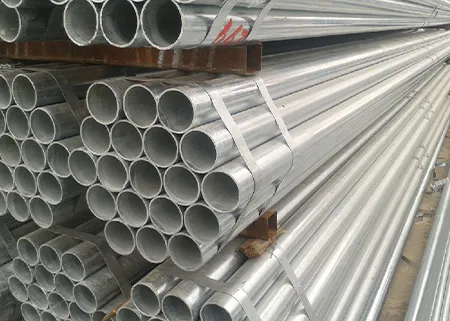
Zinc acts as a shield that prevents rust formation in steel. It makes Schedule 80 Steel Pipe corrosion resistance. The zinc layer made is 85 micrometers thick. Zinc reacts with air. This forms a barrier. The pipe stays strong. 6 inch steel pipe price per foot is affordable. ASTM A53 sets standards.
It prevents rust. That’s how galvanization works. They employ it to prevent rusting of pipes. The pipe lasts long. It is ideal for those areas with high humidity. This zinc layer is to shield steel.
· Coatings
Coatings prevent pipes from corrosion. Schedule 80 Steel Pipe uses epoxy coatings. The epoxy layer has a thickness of 0.5 mm. It keeps water away. This stops rust. ASTM D4060 tests coatings.
2 sch 80 pipe is coated. It can withstand temperatures up to 200°C. The pipe stays strong. Coatings extend the lifespan of pipes. That is why they use them. This is how pipes avoid rust. It’s very effective. Pipes stay rust-free.
· Alloy Composition
Steel has special forms to prevent it from rusting. Schedule 80 Steel Pipe contains chromium. It also includes nickel and manganese. 1 1 2 sch 80 pipe is common. These make the steel strong.
The alloy layer was found to be of 0.1 mm thickness. This prevents rust. ASTM A335 sets standards. The steel is very strong. It handles harsh environments. That is how it neutralizes rust. This makes the pipe durable. It’s very effective.
· Internal Lining
Schedule 80 Steel Pipe employs the use of a 0.5 mm thick lining. This helps prevent moisture from coming into contact with steel. ASTM F1545 stands. 1 sch 80 pipe is lined.
It can endure 1000 psi pressure. The lining stops rust. This makes the pipe to have a long life span. It’s very strong. The pipe stays rust-free. That is how internal lining operates. This maintains the safety of the pipe.
· Corrosion Inhibitors
Corrosion inhibitors stop rust. They dissolve with water in Schedule 80 Steel Pipe. The inhibitors stack up to form a layer. This layer effectively cuts the rust by 75%. ASTM G31 tests them.
Schedule 80 pipe wall thickness matters. It keeps the pipe strong. This layer is important. And that is why they use inhibitors. This stops rust. Pipes last longer. The pipe stays rust-free. This method is very effective.
· Environmental Protection
Environmental barriers stop rust. Schedule 80 Steel Pipe employs the use of either a plastic or metal barrier. The barriers are 1mm wide. They block pollutants. ASTM G85 tests them.
Pipe schedule 80 thickness helps. This protects the pipe. The pipe stays rust-free. Barriers are important. This stops rust. Pipes last long. That is how pipes are protected. The pipe remains strong. This is very effective.
· Maintenance
Such checks prevent the accumulation of rust in the pipes. Cleaning removes rust-causing dirt. Inspections find weak spots. Repairs fix rust patches. Schedule 80 Steel Pipe maintains its strength. ASTM F1173 guides maintenance. 80 schedule pipe thickness helps. Maintenance doubles pipe life. This is important. It keeps pipes safe. The pipe remains rust-free. This method works well.
· Material Quality
High-quality steel stops rust. Schedule 80 Steel Pipe is made of pure steel. It contains not more than 0.03%. The steel contains 1% manganese. Pipe schedule and thickness help.
It is defined by ASTM A106 standards. This makes steel strong. It prevents rust. The pipe stays strong. This material is very good. That is why they use it. The pipe remains rust-free. It’s very effective.
· Protective Layer
Protective layers stop rust. Schedule 80 Steel Pipe utilizes epoxy or plastic. The layer is of 0.5 mm thickness. ASTM B117 tests it. Schedule 80 pipe thickness in mm varies. This keeps water away. The pipe stays strong. That’s how it works. This layer stops rust. Pipes last long. The pipe remains rust-free. It’s very effective. This method is important.
· ASTM Standards
ASTM standards do not allow pipes to rust. Schedule 80 Steel Pipe is manufactured in accordance with some specifications. ASTM A53 is for galvanization. ASTM D4060 tests coatings. ASTM A335 is specifically for alloys. ASTM F1545 checks linings. ASTM G31 tests inhibitors.
ASTM G85 is for barriers. ASTM F1173 guides maintenance. ASTM A106 is applicable to steel material. ASTM B117 tests layers. Sch 80 steel pipe pressure rating also matters. These standards are key. This helps in maintaining the strength of the pipe.
| Grade | Alloy Composition | Galvanization | Coatings | Internal Lining | Corrosion Inhibitors |
| ASTM A53 | C≤0.3%, Mn≤1.2% | Zn Coating: 85 μm | Epoxy (200 μm) | Cement Lining (3 mm) | Na₃PO₄ Inhibitor |
| ASTM A106 | C≤0.3%, Mn≤1.06%, Si≤0.1% | Zn Coating: 75 μm | Polyurethane (150 μm) | Cement Lining (2.5 mm) | MoO₄²⁻ Inhibitor |
| ASTM A312 | Cr: 18%, Ni: 8%, Mo: 2% | None | Powder Coating (100 μm) | Teflon (2 mm) | Benzotriazole |
| ASTM A213 | Cr: 12%, Mo: 1%, Ni: 0.5% | Zn Coating: 70 μm | Ceramic Coating (250 μm) | None | Phosphates |
| ASTM A333 | C≤0.3%, Mn≤1.06%, Si≤0.1% | Zn Coating: 90 μm | Bituminous (300 μm) | Epoxy (3 mm) | Nitrite-Based |
Table on How Does Schedule 80 Steel Pipe Resist Corrosion!
What Installation Methods are Recommended for Schedule 80 Steel Pipe?
Importance of Schedule 80 Steel Pipe installation is vast. They must be properly installed. Now let me show you the best practices for installing it!
· Welding
This involves the use of heat to join two pipes together. It takes 3500°F to melt the metal. 4 inch sch 80 pipe thickness is welded well. This method uses MIG and TIG. The seam withstands 300 psi. Safety goggles protect eyes. Gloves and helmet make you safe. Good ventilation is necessary.
· Threaded Connections
Threaded connections involve the use of screw-like ends. They twist together tightly. Sch 80 pipe thickness is suitable. Threads are 11½ TPI. This holds up to 200 psi. Use Teflon tape. The wrench tightens them. This method is reversible. It helps with repairs.
· Flanged Joints
Flanged joints use flanges fitted at the ends of the pipe. They screw together with gaskets. Schedule 80 steel pipe psi rating conforms to ANSI flange standards. This holds 250 psi. Tighten bolts evenly. Inspect gaskets for wear. It keeps the connection strong.
· Grooved Couplings
Grooved couplings incorporate grooved ends. The coupling fits over these. Pressure rating for schedule 80 steel pipe joins efficiently. This holds 300 psi. Grooves are precise. Inspect the gasket. It stops leaks. This method allows adjustments.
· Socket Welding
Socket welding joins pipes by inserting them into a socket. High heat melts them. Pipe wall thickness schedule 80 bonds well. This supports 600 psi. The weld is leak-proof. Safety gear is essential. Inspect the welds.
· Butt Welding
Butt welding fuses two pipe ends through fusion. The heat is 3500°F. Thompson pipe group pressure goes well in joining. This supports 600 psi. Use MIG or TIG. Inspect welds for leaks. The joint is strong. Safety gear is needed.
· Pipe Bending
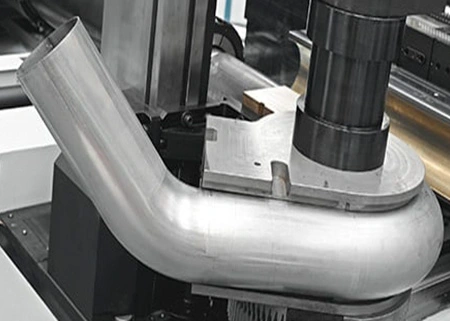
Pipe bending shapes pipes. Use a bender tool. 1 1/2 schedule 80 steel pipe can bend up to an angle of 90°. The radius is 3 times bigger than the diameter. This prevents kinks. A mandrel supports it. Inspect for cracks.
· Joint Inspection
Joint inspection checks connections. Inspect welds and threads. Wall thickness of schedule 80 pipe demands good joints. Ultrasonic tests find flaws. Visual checks spot defects. Pressure tests up to 600 psi. Dye-penetrate show cracks. This keeps joints secure.
· Proper Sealing
Proper sealing stops leaks. Always seal threaded connections with Teflon tape. Schedule 80 steel pipe remains airtight. Gaskets seal flanged joints. Inspect for damage. Replace worn gaskets. O-rings seal grooved couplings.
How Does Schedule 80 Steel Pipe Handle Thermal Expansion in High-Pressure Systems?
Schedule 80 Steel Pipe expands when it is exposed to heat. This ensures its safety. Let’s find out how it does this safely!
· Expansion Joints
It aids the safe transport of pipes. This joint is used as bellows to bend. The pipe expands in length when exposed to heat. Sch 80 thickness is essential. These joints allow for 0.5 inches.
The pressure stays strong. Heat can reach 200°F. That stops breaks. Joints work at the pressure of 300 psi. This helps to protect the pipe. Expansion joints prevent harm.
· Flexible Couplings
These join pipes together. This coupling is bent with the pipe. The pipe works at a temperature of 250 Fahrenheit degrees. Schedule 80 pipe thickness is considered. They stop shakes.
Couplings withstand up to 500 psi pressure. It prevents pipes from bursting. Flexible couplings help pipes. The system stays strong. That stops leaks. Couplings last long.
· Pipe Supports
These hold pipes steady. This support takes the load. The supports manage 600 psi. Schedule 80 steel pipe dimensions are vital. Expansions and contractions due to heat variations are resisted by pipe supports. It keeps pipes straight. This system operates at 250°F. Supports keep pipes safe. They prevent pipes from sliding or shifting. The pipe remains in situ. Ends strengthen the system.
· Temperature Ratings
This illustrates how hot it becomes. The pipe handles 400°F. Schedule 80 wall thickness is crucial. These ratings keep it safe. The rating depicts pipes with robust characteristics.
It assists in cases of high pressure. The temperature rating halts breaks. Pipes stay safe. They guide use. The pipe stays strong. Ratings help pipes. They maintain it going.
· Material Properties
These make pipes strong. This pipe has strength of 35,000 psi. Schedule chart for pipe thickness is used. The pipe has to bear high pressure. It works at 300°F.
Material properties make pipes resistant to become tender. This stops breaks. The properties guide use. The pipe stays strong. They help choose pipes. The properties thus guarantee the pipes are hard.
· Thermal Stress
This shows heat effects. The pipe handles 200°F. Sch 80 pipe pressure rating matters as well. It fights thermal stress. This pipe works at 500 psi. Heat makes pipes grow. These stresses affect pipes.
The pipe stays stable. Thermal stress stops breaks. It keeps pipes safe. The stress stays controlled. The pipe stays tough.
· Anchor Points
These keep pipes fixed. This point halts pipe moves. The system works under pressure of up to 400 psi. Schedule 80 pipe pressure rating is known. They manage heat changes.
References maintain pipes in position. It prevents the movement of pipes. The pipe stays safe. These points help pipes. The system works safely. These anchor points prevent shifts.
· Expansion Loops
These loops aid in the movement of pipes. This loop flexes with heat. 3.5 sch 80 pipe dimensions are checked. It expands when it has been exposed to heat. Loops are capable of withstanding 300 psi pressure. They stop stress. That keeps pipes safe. The loops handle 200°F. Expansion loops protect pipes. The system stays safe. Loops stop breaks. It works well.
· Stress Analysis
This checks pipe stress. The pipe handles 500psi. Dimensions of schedule 80 steel pipe are assessed. It aids in identifying the vulnerabilities. The analysis prevents pipes from being harmed.
The system operates at 200°F. Stress analysis stops breaks. These checks help to keep it working. The pipes stay safe. Analysis controls growth. This guarantees that pipes work.
What Maintenance Practices Ensure the Longevity of Schedule 80 Steel Pipe?
Maintenance of Schedule 80 Steel Pipe makes it strong. It lasts longer especially when it is well maintained. Now let’s see how we can make it last!
· Regular Inspections
Check the pipes daily. It assists to prevent major issues from developing. Check for rust spots. Use a flashlight. Schedule 80 Steel Pipe is safe. Keep it clean. Utilize the brush and cloth.
Sch80 steel pipe lasts long. Look for damage often. This helps pipes last. Write down notes. Employ the correct aids, a gauge for instance. Check inside pipes. Heavy pipes need care. This saves money.
· Corrosion Monitoring
Watch for rust often. It saves pipes. Use a corrosion meter. Look inside the Schedule 80 Steel Pipe. Look for the rusty areas using a sensor. These show rust early. Keep records.
Rust makes pipes weak. Use a cleaner. Schedule 80 pipe dimensions matter here. Wipe it with a cloth. Rust has to be contained as soon as possible. Use the right gear. Keep pipes strong.
· Pressure Testing
Test pressure daily. It finds leaks. Use a pressure gauge. The gauge measures well. Look for drops. Use water tests. They are safe. Check the pressure rating of the Schedule 80 Steel Pipe.
Sch 80s pipe dimensions help in testing. Keep records. This helps track changes. Use air tests. Inspect seals with a tool. A pump adds pressure. Watch the gauge. Pressure tests save pipes.
· Cleaning
Clean pipes often. Dirt causes problems. Use a small brush. Use water to rinse. Moisture causes rust. Use soap. Sch 80 pipe dimensions are useful for cleaning. Dirt hides there. Use tiny brushes. Cleaning keeps pipes strong. Use the right tools. Keep pipes clean.
· Coating Maintenance
Keep coating strong. It stops rust. Use a brush. The brush applies paint. Check for cracks. New paint should be used on the Schedule 80 Steel Pipe. This seals cracks. Schedule 80 pipe steel is durable. Keep coating smooth. Rough spots rust. Check often. Good paint lasts long. Coating keeps pipes strong. Use the right tools. It makes work easy.
· Leak Detection
Check for leaks daily. Leaks cause big problems. Use a sensor. This sensor finds leaks. Look for drops. Use dye tests. They are safe. Test the Schedule 80 Steel Pipe as often as possible.
8 schedule 80 pipe dimensions help detect leaks. Keep records. Pipes must stay dry. Wet pipes leak. Use the right tools. Fix leaks fast. Leaks cause damage.
· Replacement Schedule
Replace pipes on time. Old pipes fail. Use a calendar. Calendars track time. Check dates often. It helps plan. Use new pipes. Old pipes leak. If the Schedule 80 Steel Pipe has been damaged in any way, it must be replaced with another one. Check for wear. Schedule 80 steel pipe sizes vary. Keep records. They track changes. Use good pipes. Good pipes last long.
· Quality Control
Check pipe quality often. Pipes must be strong. Use a gauge. The gauge measures thickness. Check pipes daily. It finds problems. Use good steel. Steel lasts long.
Check for signs of rust on the Schedule 80 Steel Pipe. Rust weakens pipes. Use sensors. 8 sch 80 pipe dimensions are crucial here. Keep records. They track changes. Check all pipes. This keeps them safe. Use right pipes. Pipes must fit well.
· Protective Measures
Use protection for pipes. Use covers. Covers shield pipes. Check pipes often. Find problems early. Use foam. Foam insulates pipes. Keep pipes dry. Moisture rusts pipes. Use tape. Tape seals pipes. Ensure that no leakage occurs in the Schedule 80 Steel Pipe. 1 schedule 80 pipe dimensions help prevent leaks. Use the right tools. Keep pipes safe.
How Does the Manufacturing Process Affect Schedule 80 Steel Pipe Quality?
Getting Schedule 80 Steel Pipe just right is crucial. It has to be robust. It is interesting to know how it is made!
· Material Selection
It requires AISI 4140 steel. The yield strength is 655MPa. This steel is able to handle up to 2500 psi. Schedule 80 Steel Pipe contains carbon percentage of 0.42%.
These pipes are 4 inches in diameter. That’s for high pressure. Such elements make it strong. The thickness of each of the pipes is 0.375 inches. It influences quality depending on its material choice.
· Heat Treatment
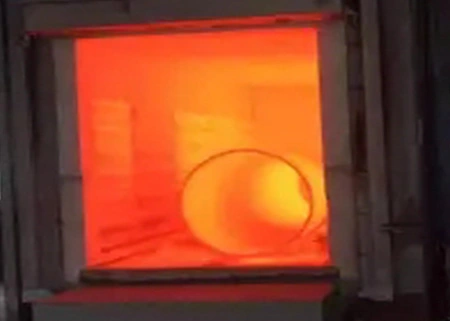
This process hardens pipes. It uses 900°C heat. Schedule 80 Steel Pipe receives 850 MPa strength. These pipes heat for 4 hours. The rapid quenching cools them rapidly. The hardness of each pipe is 250 HB. It stays tough. That is why heat treatment is important.
· Seamless Production
It avoids weak seams. The process utilizes a 5-inch billet. This lowers failure risks. Schedule 80 Steel Pipe extrudes at 1100°C. These pipes have a length of 3 meters. That’s with a 5mm wall. The entire seamless pipe deals with 4000 psi. The method boosts quality.
· Quality Control
This ensures reliability. Inspectors use ultrasonic tests. The frequency is 20 kHz. Schedule 80 Steel Pipe undergoes hydrostatic tests. These detect defects. Every pipe has to be perfect. It ensures strength. Quality control is vital.
· Standards Compliance
These pipes conform to the ASME B36. 10. The standard ensures safety. Every pipe is of a certain size and shape. Schedule 80 Steel Pipe has a diameter of 2 inches. This thickness is 0.2 inches. That’s for consistent quality. It follows codes. Compliance guarantees performance.
· Precision Engineering
This uses CNC machines. The tolerance is ±0.01mm. Schedule 80 Steel Pipe has good roundness. It is 2 inches in bore. These dimensions reduce friction. Each machine is precise. That’s for quality. Precision engineering is key.
· Testing Procedures
These tests check standards. Inspectors use X-ray tests. It detects flaws inside. Schedule 80 Steel Pipe complies with bend tests. The pressure in each pipe is 3000 psi. This ensures strength. Testing is crucial. Procedures verify reliability.
· Dimensional Accuracy
This needs exact measurements. The diameter is 6 inches. Schedule 80 Steel Pipe walls are 0.5 inches thick. The pipes have a length of twelve feet. These precise sizes fit standards. It prevents leaks. Precision is key to perfection.
· Welding Techniques
This uses MIG welding. The wire is ER70S-6. It melts at 1400°C. Schedule 80 Steel Pipe receives strong joints. These are 0.25 inches wide. Each weld is uniform. It avoids weak points. That is why MIG welding is the best.
Why Choose Schedule 80 Steel Pipe for Retrofitting Existing High-Pressure Systems?
Schedule 80 Steel Pipe is very useful in rectifying old systems. This makes it the best choice. So, let’s find out why it is so good!
· Compatibility
This pipe fits systems nicely. Its OD is 6.625”. The wall thickness is 0.432”. Pipe fits standard fittings. Schedule 80 Steel Pipe has got close connecting. This ensures efficiency. Our company, Wuxi Chengjiu Metal, offers these high-quality pipes. The pipe ensures that systems are maintained well.
· Pressure Ratings
It withstands pressure of up to 2000 PSI. Schedule 80 Steel Pipe is tough. The burst strength is 4000 psi. This pipe stops leaks. That makes it perfect for high pressure. It is safe when the rates are consistent.
· Structural Integrity
The pipe has a very robust structure. It won’t bend. This pipe has 0.432 inches thick walls. Schedule 80 Steel Pipe remains rigid. These pipes operate under high pressure. We provide pipes that operate under high pressure. The framework is stable and strong.
· Material Strength
These pipes utilize high-quality steel. It has tensile strength of 50,000 psi. Schedule 80 Steel Pipe is strong. That ensures safety. Pipes handle impacts well. This strength preserves them.
· Corrosion Resistance
The pipe won’t rust. It has a 0.04 inch coating. Schedule 80 Steel Pipe is made from galvanized steel. Pipes last long. This pipe is suitable for severe conditions. Our pipes are suitable for severe conditions. That means less fixing.
· System Upgrades
It supports easy upgrades. Pipes fit new parts. The pipe allows retrofitting. Schedule 80 Steel Pipe enhances performance. These pipes meet standards. Wuxi Chengjiu Metal ensures pipes meet standards. The system gets better.
· Reliability
The pipe ensures reliability. It lasts 2,000 hours. Schedule 80 Steel Pipe is more resistant to stress. Pipes are durable. This guarantees performance. Systems work better. Reliable pipes reduce failures.
· Cost Efficiency
This pipe is cost-efficient. It has low maintenance cost. Schedule 80 Steel Pipe is cost-effective. These pipes last long. That reduces expenses. Cost efficiency improves.
· Performance
The pipe boosts performance. It handles 2000 psi. Schedule 80 Steel Pipe enables unimpeded flow. These pipes have low friction. The performance is high. Systems stay efficient.
· Durability
These pipes are durable. It lasts 20 years. Schedule 80 Steel Pipe withstands heavy usage. That ensures longevity. Pipes stay strong. The system stays sturdy. Long lasting pipes implies that they are not frequently replaced.
Conclusion
Strong pipes matter. Schedule 80 Steel Pipe is ideal for use in systems with high pressure. Learn more at ALLOYXPERT. It provides both the aspects of durability and reliability. Use the specifications, standard and parts for the requirements. Make certain that your system employs the best quality.