
Oil & Gas
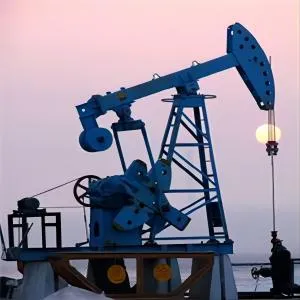
In the oil and natural gas industry, metal materials play a crucial role, whether used for centrifuges, pipeline systems, or other equipment, their performance and quality directly impact the stability and efficiency of the entire production system.
Taking a 26-ton centrifuge as an example:
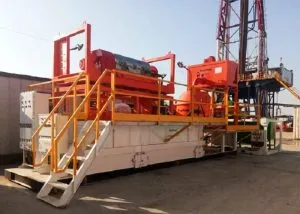
Casing
The casing of a centrifuge is the main structural component that carries the entire equipment, requiring high strength and corrosion resistance. Typically, materials such as stainless steel and nickel-based alloys are chosen for the casing. Stainless steel offers excellent corrosion resistance and mechanical strength, able to withstand high-temperature and high-pressure working environments, ensuring stable operation over long periods. Nickel-based alloys perform well in extremely harsh oil and gas environments with high temperatures, pressures, and corrosiveness.
Base and Support Structure
The base and support structure of a centrifuge are critical components to ensure the stable operation of the equipment. Commonly used metal materials include carbon steel and alloy steel. Carbon steel possesses good strength and toughness, suitable for general support structures, with lower costs and easy machinability. On the other hand, alloy steel excels in higher strength and wear resistance requirements, ensuring long-term stable operation and reducing maintenance costs.
Feed Pipes
The feed pipes of a centrifuge need to withstand impacts and abrasion under high pressure, so high-strength steel is often chosen. For instance, while carbon steel may meet general requirements, it can wear under high pressure and speed. In such cases, more wear-resistant materials like alloy steel or ceramic-coated steel may be used. These materials reduce pipe wear, prolonging the centrifuge’s lifespan.
Rotor (Forgings)
The rotor of a centrifuge is one of the core components responsible for separating oil and gas mixtures. The material requirements for the rotor are high, needing strength, good dynamic balance, and wear resistance. Commonly used materials include stainless steel, high-speed steel, and tungsten steel. Stainless steel offers excellent corrosion resistance to maintain equipment cleanliness; high-speed steel provides excellent cutting performance suitable for high-speed rotating rotors; tungsten steel boasts high hardness and strong wear resistance, ideal for high-load and high-wear situations.
Chengjiu’s Advantages
As a metal materials supplier, our company has unique advantages in the field of metal materials in the oil and natural gas industry. Firstly, we have established long-term stable partnerships with several well-known steel manufacturers, enabling us to obtain high-quality raw materials, and ensuring product quality and performance. Secondly, we have advanced processing equipment and a skilled technical team capable of customizing metal materials of various specifications and materials according to customer requirements, ensuring compliance with different equipment requirements. Additionally, we focus on research and innovation, continuously introducing metal materials that adapt to new equipment and processes, providing customers with more choices and solutions.
In summary, the application of metal materials in the oil and natural gas industry is extensive and critical, directly affecting equipment performance and stability. Our company, as a metal materials supplier, with high-quality raw materials, advanced processing technology, and continuous innovation capabilities, provides high-quality and reliable metal materials to customers in the oil and natural gas industry, helping to optimize equipment operation and long-term stability.
Chemical
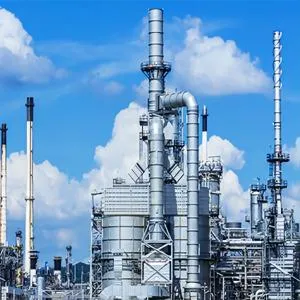
In the chemical industry, metal materials are the foundation for various types of equipment, from hoppers and rotating drums to sieve screens. These materials are indispensable for the operation of such equipment.
Let’s take drying equipment as an example:
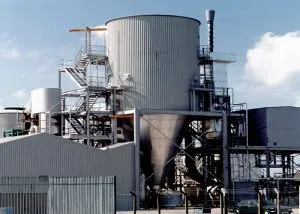
Hopper
The hopper of drying equipment is an important component used to load raw materials. It needs to have certain characteristics such as wear resistance, corrosion resistance, and high-temperature resistance. Commonly used metal materials include stainless steel and wear-resistant alloy steel. Stainless steel has excellent corrosion resistance, preventing chemical reactions between the raw materials and the inner wall of the hopper. Wear-resistant alloy steel can resist the wear of raw materials inside the hopper, extending the hopper’s service life.
Rotary Drum
The rotary drum in drying equipment is a key component for drying or heat treatment, and the choice of material directly affects the drying effect and the equipment’s service life. Commonly used metal materials include carbon steel, stainless steel, and alloy steel. Carbon steel is cost-effective and suitable for general drying applications; stainless steel has corrosion resistance and high-temperature resistance, making it suitable for applications with higher material requirements; alloy steel performs well in applications requiring higher strength and wear resistance, ensuring long-term stable operation of the equipment.
Sieve Screen (Sieve Plate)
The sieve screen (sieve plate) in drying equipment is used for material separation, and its material needs to have good screening efficiency and wear resistance. Commonly used metal materials include stainless steel, wear-resistant alloy steel, and carbon steel plates. Stainless steel sieve screens have good corrosion resistance and are suitable for screening materials with higher humidity; wear-resistant alloy steel can withstand the high-speed impact and wear of materials, suitable for applications requiring stable screening for a long time; carbon steel plate sieve screens are cost-effective and suitable for general material screening.
Chengjiu’s Advantages
As a metal material supplier and processing service provider, our company has significant advantages in the metal materials field of the chemical industry. Firstly, we have a stable supply chain and long-term cooperation with several high-quality steel manufacturers, enabling us to provide various high-quality metal materials and ensure the quality and stable supply of raw materials. Secondly, we have advanced processing equipment and a skilled technical team capable of customizing metal products of various specifications and shapes according to customer requirements, meeting the needs of different equipment. Additionally, we focus on product quality and technological innovation, continuously developing special metal materials and components for chemical equipment to improve equipment performance and service life.
In conclusion, metal materials play an important role in the chemical industry, affecting equipment performance and service life. As a metal material supplier and processing service provider, our company provides high-quality and reliable metal materials and customized processing services for customers in the chemical industry, assisting in the optimization of equipment operation and long-term stability.
Machinery
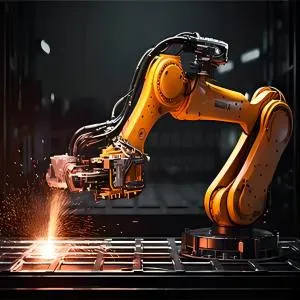
In the machinery industry, metal materials are indispensable and crucial components, affecting the performance, durability, and safety of equipment from crushers to various other types of machinery.
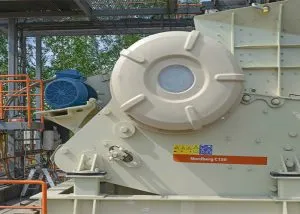
Let’s take a crusher as an example:
Feed Inlet
The feed inlet of a crusher is a critical component for conveying raw materials to the crushing chamber, often requiring metal materials with certain strength and wear resistance. Commonly used materials include high manganese steel and alloy steel. High manganese steel has excellent wear resistance and high strength, performing exceptionally well when dealing with materials of higher hardness; alloy steel, on the other hand, considers both strength and wear resistance, suitable for general crushing applications.
Jaw Plates of Jaw Crusher
The jaw plates of a jaw crusher are the primary crushing tools during the crushing process, requiring high strength and wear resistance. Commonly used metal materials are high manganese steel and cast iron. High manganese steel jaw plates have excellent wear resistance and compressive strength, suitable for crushing materials with higher hardness; cast iron jaw plates are economically practical for some common crushing conditions, being easy to manufacture and replace.
Hammer Heads
The hammerheads of a crusher are used to strike and crush raw materials, requiring high strength and impact resistance. Commonly used metal materials are alloy steel and carbon steel. Alloy steel hammer heads have excellent wear resistance and impact resistance, suitable for processing materials with higher hardness; carbon steel hammerheads are suitable for general crushing conditions, with lower cost and ease of processing.
Shafts
The shaft of a crusher is an important component connecting the power system and the crushing apparatus, requiring sufficient strength and rigidity. Commonly used materials are alloy steel and stainless steel. Alloy steel shafts have high strength and rigidity, able to withstand large torsional forces and impact loads; stainless steel shafts are used in cases where corrosion resistance is required, ensuring long-term stable operation of the equipment.
Discharge Outlet
The discharge outlet of a crusher needs to have wear-resistant and corrosion-resistant properties to ensure smooth discharge of raw materials and prevent blockages. Commonly used materials include high manganese steel and cast iron. High manganese steel has excellent wear resistance and corrosion resistance, suitable for the wear-resistant parts of crusher discharge outlets; cast iron is used in some general crushing conditions, at lower cost.
Control System – Hydraulic System – Hydraulic Cylinder (Forgings)
The hydraulic system and hydraulic cylinder of a crusher are key components for controlling the operation of the crusher and adjusting the crusher’s opening and closing degree, requiring high strength and reliability. Commonly used materials are alloy steel and aluminum alloy. Alloy steel has excellent strength and wear resistance, suitable for high-load operation of hydraulic systems; aluminum alloy is used in cases where lighter weight is required, improving the operating efficiency of the crusher.
Advantages of Chengjiu
As a metal product supplier and processing service provider, our company has unique advantages in the machinery industry. Firstly, we have established long-term and stable cooperation with several well-known steel manufacturers, providing high-quality raw materials to ensure the quality and performance of our products. Secondly, we have advanced processing equipment and a skilled technical team, capable of customizing metal products of various specifications and materials according to customer requirements, meeting the needs of different equipment. Additionally, we focus on research and innovation, continuously introducing metal materials and solutions suitable for new equipment and processes, providing customers with more choices and support.
In conclusion, metal materials are widely and crucially used in the machinery industry, significantly impacting the performance and reliability of equipment. Our company, with high-quality raw materials, advanced processing technology, and continuous innovation, is committed to providing high-quality and reliable metal products and solutions for customers in the machinery industry, helping to optimize the operation and long-term stability of their equipment.
Nuclear Power
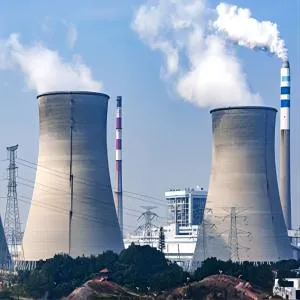
In the nuclear power industry, metal materials play a crucial role as it is a high-tech, high-safety requirement sector.
Using a pressure vessel as an example:

Pressure Shell
Pressure vessels are common equipment in nuclear power plants, and their pressure shells need to have high strength, corrosion resistance, and good sealing properties. In the nuclear power industry, commonly used metal materials include stainless steel, nickel-based alloys, etc. Stainless steel is widely used in nuclear power pressure vessels due to its corrosion resistance and high mechanical strength. Nickel-based alloys exhibit excellent corrosion resistance and high-temperature strength, making them suitable for high-temperature and high-pressure working environments, and are therefore also commonly used in the manufacture of nuclear power pressure vessels.
Liner (Inner Layer)
The liner (inner layer) of nuclear power pressure vessels serves a protective function and needs to have corrosion resistance and high-temperature resistance. Common liner materials include titanium plates, zirconium alloys, nickel-based alloys, etc. These materials can resist corrosion under high-temperature and high-pressure conditions, protecting the pressure vessel’s shell from damage.
Connecting Components
The liner (inner layer) of nuclear power pressure vessels serves a protective function and needs to have corrosion resistance and high-temperature resistance. Common liner materials include titanium plates, zirconium alloys, nickel-based alloys, etc. These materials can resist corrosion under high-temperature and high-pressure conditions, protecting the pressure vessel’s shell from damage.
Inlet and Outlet Pipes
The inlet and outlet pipes of nuclear power pressure vessels need to have characteristics of high temperature and pressure resistance. Commonly used metal materials include stainless steel, tungsten steel, nickel-based alloys, etc. These materials can ensure the safe operation of the pipes under high-temperature and high-pressure conditions, while also resisting corrosion from the medium, maintaining system stability.
Chengjiu’s Advantages
As a metal product supplier and processing testing service provider, our company has unique advantages in the nuclear power industry. Firstly, we have established long-term stable partnerships with several well-known metal material manufacturers, enabling us to provide high-quality metal materials that comply with nuclear industry standards and requirements, ensuring product quality and performance. Secondly, we have advanced processing equipment and a skilled technical team capable of customizing metal products of various specifications and materials according to customer requirements, ensuring they meet the requirements of nuclear power pressure vessels. Additionally, we provide comprehensive processing testing services, including material mechanical property testing, chemical composition analysis, corrosion resistance testing, etc., ensuring product quality and reliability.
In conclusion, metal materials have wide and critical applications in the nuclear power industry, directly affecting the performance, safety, and reliability of equipment. Our company, with high-quality metal material supply, advanced processing technology, and comprehensive testing services, is committed to providing high-quality and reliable metal products to customers in the nuclear power industry, assisting in the optimization of equipment operation and safety stability.