
Introduction
Welding stainless steel sheets is essential in industries like construction, automotive, and manufacturing. While stainless steel offers corrosion resistance and strength, these benefits also complicate heat control and filler selection. Mastering the process ensures durable, high-quality structures.
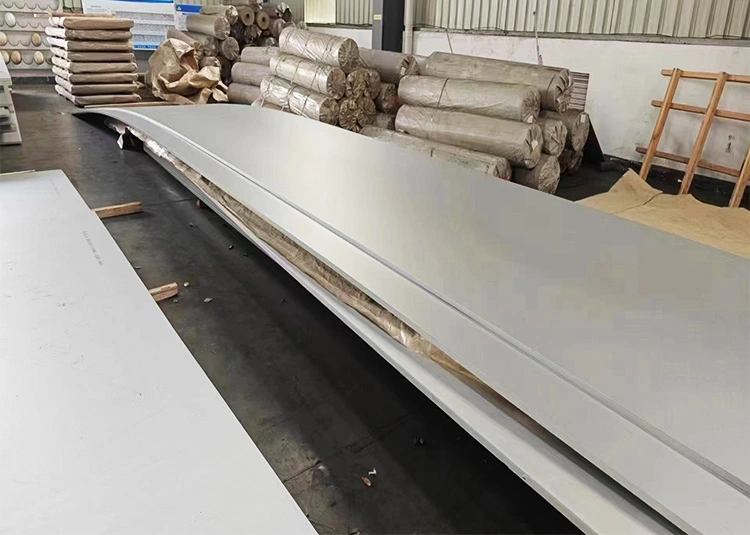
What Types of Stainless Steel Sheets Are Suitable for Welding?
304 Stainless Steel
304 stainless steel is among the most common and versatile grades, widely used due to its excellent formability and weldability. When welding, it maintains a strong balance between corrosion resistance and strength. It can be easily welded by all standard methods, including TIG and MIG welding, with minimal risk of cracking or corrosion.
316 Stainless Steel
316 stainless steel is particularly favored in more corrosive environments due to its molybdenum content. Its weldability is similar to that of 304 stainless steel, but the additional corrosion resistance makes it ideal for marine applications, chemical processing, and industrial equipment. However, it requires more care when welding to prevent heat-affected zones (HAZ) from compromising its performance.
What Are the Key Factors to Consider When Welding Stainless Steel Sheets?
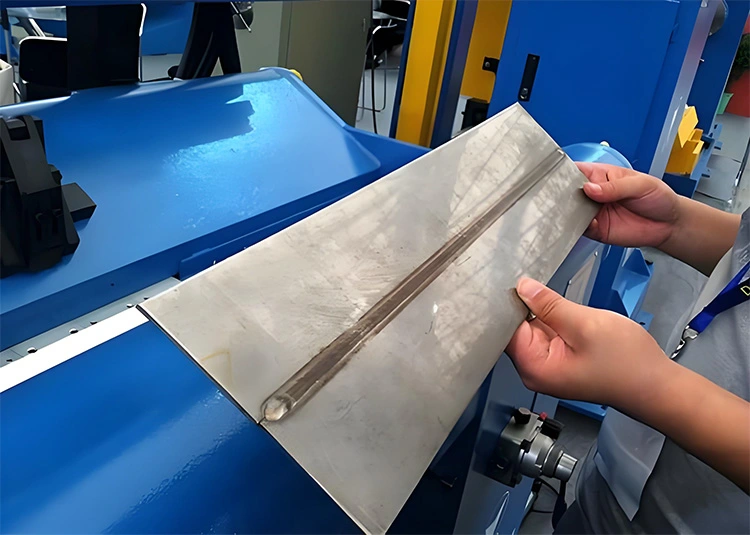
Heat Control and Distortion
Excessive heat during welding can lead to distortion and warping, particularly with thin stainless steel sheets. Managing heat input is critical to maintaining the structural integrity of the sheet. This can be achieved by controlling the welding speed and reducing the number of passes. Heat sinks or cooling mechanisms are often employed to minimize warping and distortion.
Choosing the Right Filler Material
The selection of filler material is crucial to ensure a strong and corrosion-resistant weld. The filler metal should be compatible with the base stainless steel grade to avoid galvanic corrosion. For instance, ER308L is commonly used for 304 stainless steel, while ER316L is preferred for welding 316 stainless steel in corrosive environments.
What Are the Common Welding Techniques for Stainless Steel Sheets?
TIG Welding
TIG (Tungsten Inert Gas) welding is highly preferred for welding stainless steel sheets due to its precision and ability to create clean, high-quality welds. TIG welding offers excellent control over heat input, making it ideal for thin sheets where distortion is a concern. The process is slower but produces aesthetically pleasing and structurally sound welds.
MIG Welding
MIG (Metal Inert Gas) welding is another popular option, especially for thicker stainless steel sheets. It is faster than TIG welding, making it suitable for larger jobs where time is a factor. However, MIG welding requires more attention to heat control, as it can introduce more distortion in thinner sheets if not properly managed.
Spot Welding
Spot welding is ideal for creating small, localized joints in stainless steel sheets, often used in automotive and appliance manufacturing. It is a highly efficient process that quickly joins two pieces of metal without the need for filler material. However, spot welding can create concentrated heat zones, so it is crucial to manage these carefully to avoid corrosion in the heat-affected areas.
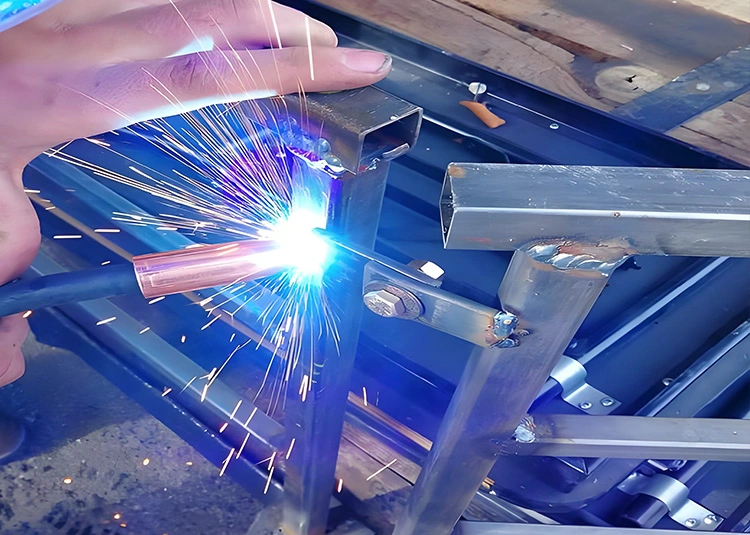
What Are the Challenges in Welding Stainless Steel Sheets?
Heat-Affected Zones (HAZ)
The area surrounding the weld, known as the heat-affected zone (HAZ), can experience changes in material properties. In stainless steel, improper heat management can reduce corrosion resistance or lead to cracking in the HAZ. It’s important to control the welding temperature and cooling rate to preserve the integrity of the material.
Controlling Warping
To minimize warping, welders can use techniques such as clamping the workpieces or using heat sinks to dissipate heat quickly. Another effective strategy is to stagger welds, allowing one area to cool before proceeding to another. These methods reduce the risk of distortion and maintain the flatness of the stainless steel sheet.
How Can You Achieve High-Quality Welds on Stainless Steel Sheets?
Pre-Weld Cleaning
Before welding, it is essential to clean the surface of the stainless steel sheet to remove contaminants like oil, dirt, and oxide layers. Failure to do so can introduce impurities into the weld, leading to poor weld quality and reduced corrosion resistance.
Post-Weld Treatment
Post-weld treatments such as pickling and passivation are vital to restoring the corrosion resistance of the stainless steel. Pickling removes the surface scale that forms during welding, while passivation re-establishes the protective oxide layer that gives stainless steel its anti-corrosive properties.
Conclusion
Stainless steel sheets can be welded successfully by managing heat, selecting the right filler material, and using proper pre- and post-weld treatments. Despite challenges like heat-affected zones and warping, the right techniques ensure durable, high-quality welds.
For complex welding needs, consult a professional. Ready to source quality stainless steel sheets? Contact AlloyXpert today for expert solutions and premium products!
Read More: