
Introduction
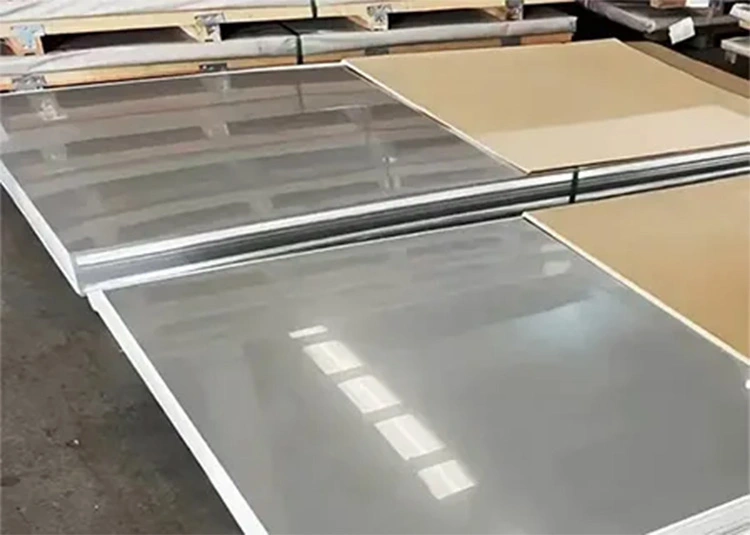
Cold rolled stainless steel sheet and hot rolled stainless steel sheet are two common forms of stainless steel products that undergo different manufacturing processes, resulting in distinct characteristics.
Here are the main differences between them:
Manufacturing Process
Cold Rolled Stainless Steel Sheet: Cold rolling involves passing the stainless steel through rollers at room temperature. This process reduces the thickness of the steel and improves its surface finish and dimensional accuracy.
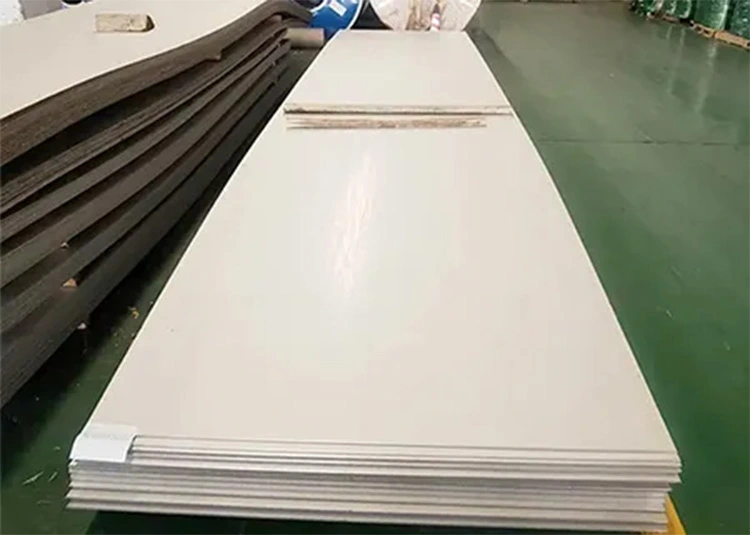
Hot Rolled Stainless Steel Sheet: Hot rolling involves heating the stainless steel above its recrystallization temperature and passing it through rollers. This process results in a thicker product with a rougher surface finish.
| Process Step | Cold Rolled Stainless Steel Sheet | Hot Rolled Stainless Steel Sheet |
| Raw Material Preparation | Raw stainless steel is inspected and cleaned. | Raw stainless steel is inspected and cleaned. |
| Heating (if applicable) | Not applicable. | Stainless steel is heated above its recrystallization temperature. |
| Rolling | Stainless steel is passed through rollers at room temperature, reducing thickness. | Heated stainless steel is passed through rollers to achieve desired thickness. |
| Annealing (if needed) | Stainless steel may undergo annealing for improved properties. | Hot rolled stainless steel may be annealed for stress relief. |
| Pickling and Cleaning | Sheet undergoes pickling to remove scale and impurities. | Not always necessary, but may undergo light cleaning. |
| Cold Rolling (if needed) | If further reduction in thickness is needed, sheet is cold rolled again. | Not applicable. |
| Final Annealing (if needed) | Final annealing may be done for desired properties. | Not applicable. |
| Surface Finishing | Sheet is processed for desired surface finish (e.g., polishing). | Surface finish may be achieved through mechanical means or grinding. |
| Inspection and Quality Check | Sheet is inspected for thickness, surface finish, and other properties. | Sheet is inspected for thickness, surface finish, and other properties. |
| Packaging and Shipping | Finished sheets are packaged and shipped. | Finished sheets are packaged and shipped. |
Surface Finish
Cold rolled stainless steel sheets are known for their smooth and polished surface finish.
| Cold Rolled Stainless Steel Sheet | Hot Rolled Stainless Steel Sheet | |
| Surface Finish | Smooth and polished | Rougher surface finish compared to cold rolled sheets |
| Reason | Cold rolling at room temperature allows better control | High temperatures in hot rolling process result in oxidation and scale formation on the surface |
| Appearance | Shiny, consistent, and uniform texture | Scaly or uneven texture, darker color due to oxidation |
| Applications | Ideal for appearance-sensitive applications | Used where surface finish is not critical, such as structural components, industrial equipment |
| Advantages | – Enhanced aesthetic appeal due to polished finish | – Cost-effective production process compared to cold rolling |
| – Improved surface flatness and dimensional accuracy | – Quick production of thicker sheets with reduced processing steps | |
| – Better surface consistency without variations or defects | – Suitable for applications where surface finish is not a primary concern |
Thickness
Cold rolled sheets are typically thinner compared to hot rolled sheets since they undergo additional processing to reduce thickness.
| Cold Rolled Stainless Steel Sheet | Hot Rolled Stainless Steel Sheet | |
| Typical Thickness Range | Very Thin Gauges: 0.5mm or less Thin to Medium Gauges: 0.5mm to 6mm | Starting Thickness: Around 3mm Thicker Gauges: Up to 20mm or more |
Strength and Hardness
Cold rolled stainless steel sheets tend to have higher strength and hardness compared to hot rolled sheets.
Reason: The cold rolling process induces strain hardening in the material, which increases its strength and hardness.
Application: The increased strength and hardness of cold rolled sheets make them suitable for applications where strength, hardness, and durability are important, such as in structural components, precision instruments, and machinery parts.
| Cold Rolled Stainless Steel Sheet | Hot Rolled Stainless Steel Sheet | |
| Strength (MPa) | 520 – 1030 | 330 – 620 |
| Hardness (HV) | 150 – 300 | 110 – 160 |
Grain Structure
Cold Rolled Stainless Steel Sheet: Cold rolling typically results in a finer and more uniform grain structure in the stainless steel, which can improve its mechanical properties.
Hot Rolled Stainless Steel Sheet: Hot rolling may result in a coarser grain structure compared to cold rolling, which could affect the mechanical properties of the stainless steel.
| Cold Rolled Stainless Steel Sheet | Hot Rolled Stainless Steel Sheet | |
| Grain Structure | Finer and more uniform | Coarser compared to cold rolling |
| Resulting Effect | Improved mechanical properties | May affect mechanical properties |
Applications and Selection Recommendations
Cold Rolled Stainless Steel Sheet
Applications
Decorative items: The smooth and polished surface finish of cold rolled sheets makes them ideal for decorative applications such as trim, signage, and architectural elements.
Appliances: Cold rolled sheets are used in appliances like refrigerators, ovens, and dishwashers due to their aesthetic appeal and corrosion resistance.
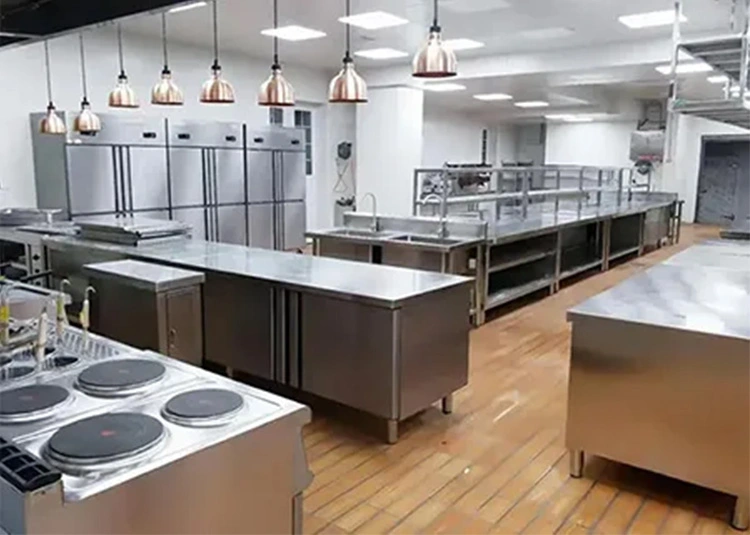
Kitchen equipment: Sinks, countertops, and kitchen backsplashes often use cold rolled stainless steel for its cleanliness, durability, and appearance.
Automotive trim: Cold rolled sheets are utilized in automotive applications for trim, molding, and other decorative features due to their attractive finish.
Selection Recommendations
- Appearance Critical Applications: Choose cold rolled sheets for applications where appearance is crucial, such as decorative items and visible surfaces.
- Corrosion Resistance: Cold rolled stainless steel offers good corrosion resistance, making it suitable for applications in corrosive environments.
- Dimensional Accuracy: For applications requiring precise dimensions and flatness, cold rolled sheets are preferred due to their improved dimensional accuracy.
- Strength and Hardness: Cold rolled sheets are stronger and harder than hot rolled sheets, making them suitable for applications requiring these properties.
Hot Rolled Stainless Steel Sheet
Applications
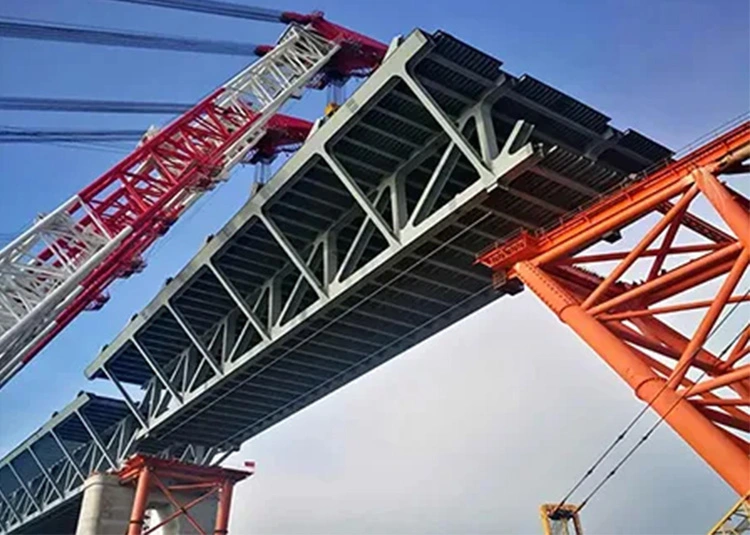
Structural components: Hot rolled sheets are commonly used in structural applications such as beams, columns, and frames due to their strength.
Industrial equipment: Heavy machinery, tanks, and industrial equipment often use hot rolled stainless steel sheets for their durability and strength.
Construction: Hot rolled sheets are suitable for construction applications like roofing, cladding, and building facades.
Welded components: Due to their formability, hot rolled sheets are often used in welded assemblies and fabrications.
Selection Recommendations
- Strength and Toughness: Hot rolled sheets offer higher strength and toughness, making them suitable for structural and heavy-duty applications.
- Cost-Effectiveness: Choose hot rolled sheets for cost-effective solutions in applications where appearance is less critical.
- Formability: Hot rolled sheets are more easily formed and shaped, making them ideal for applications requiring complex shapes and weldability.
- Thickness: Hot rolled sheets are available in thicker gauges, making them suitable for applications requiring thicker materials.
General Selection Guidelines
- Consider Appearance: Cold rolled sheets are preferable for applications where appearance is critical, while hot rolled sheets are suitable for applications prioritizing strength and cost.
- Corrosion Resistance: Both types offer corrosion resistance, but cold rolled may have an edge in appearance-sensitive applications.
- Strength and Toughness: Hot rolled sheets are generally stronger and tougher, suitable for heavy-duty and structural applications.
- Formability: Hot rolled sheets are more easily formed and welded, making them ideal for fabrications.
- Cost Considerations: Hot rolled sheets are often more cost-effective for structural and heavy-duty applications, while cold rolled sheets might be preferred for their aesthetics and precision.
Conclusion
In summary, the main differences between cold rolled and hot rolled stainless steel sheets lie in their manufacturing processes, surface finish, thickness, strength, hardness, and grain structure. The choice between them depends on the specific requirements of the application, including factors such as surface finish, dimensional accuracy, mechanical properties, and cost considerations.
Read More: