
Introduction
High-temperature environments challenge materials in industries like aerospace, power generation, and chemical processing. From gas turbines to aerospace engines, components must perform reliably under extreme heat. Understanding the high-temperature mechanical properties of metallic materials is key to ensuring safety and performance in these demanding conditions.
The high-temperature mechanical properties of metallic materials, including strength, plasticity, toughness, and the ability to resist creep and fatigue, are crucial in industries where materials face extreme heat. These properties vary with temperature, and a deeper understanding can help improve the longevity and reliability of parts exposed to such conditions.

Let’s dive into the main factors that affect the high-temperature performance of metals and how we can optimize these properties for specific applications.
What Are High-Temperature Mechanical Properties?
High-temperature mechanical properties describe how metals behave under heat, including their strength, plasticity, toughness, and their ability to resist changes like creep and fatigue over time. As the temperature increases, atomic movement in metals increases, which impacts how they react to stress and heat.
At high temperatures, metals undergo changes in their mechanical properties due to increased atomic movement. Understanding these changes is crucial when selecting materials for high-stress, high-heat environments.
 How Do High-Temperature Mechanical Properties Affect Materials?
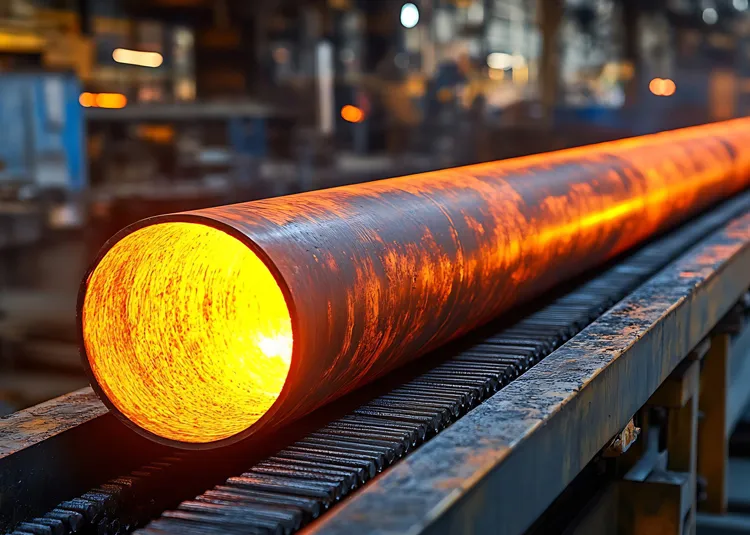 How Do High-Temperature Mechanical Properties Affect Materials?
Strength at High Temperatures
- Strength Reduction: As the temperature rises, tensile strength and yield strength tend to decrease. This happens because the increased atomic motion weakens atomic bonds, making metals more prone to deformation.
Claim: The grain strength and grain boundary strength decrease with rising temperature, making the material more likely to fail under stress.
- High-Temperature Strengthening: Some alloys, such as precipitation-hardened or solid solution-strengthened materials, may become stronger at higher temperatures within a specific range.

Changes in Plasticity
- Increased Plasticity: As temperatures rise, metals typically become more ductile and easier to deform. This makes materials more flexible and less likely to break.
- Overheating Risks: If the temperature becomes too high, materials can undergo grain growth or develop coarse microstructures, which can reduce their plasticity.
Toughness at High Temperatures
Toughness improves as heat increases, up to a certain point. Metals can absorb more energy before breaking at higher temperatures. However, excessive heat can degrade the material internally, reducing toughness.
Creep and Stress Relaxation
Creep occurs when metals slowly deform under constant stress over time at high temperatures.
Stress relaxation happens when internal stress decreases under constant strain at high temperatures, leading to shape changes.
Claim: Both creep and stress relaxation can alter the material’s shape, potentially affecting its long-term performance.
Fatigue Resistance
Fatigue Resistance decreases at high temperatures, as heat accelerates micro-crack formation and crack propagation. This can significantly shorten the lifespan of materials exposed to repeated loading and unloading cycles.
What Affects High-Temperature Mechanical Properties?
Several factors determine how metallic materials perform under heat. These include:
Chemical Composition
Adding alloying elements like chromium, molybdenum, and titanium can improve properties like oxidation resistance and strength at high temperatures.
Microstructure
The arrangement of atoms in a material greatly impacts its properties. For example, fine grain size typically increases strength and hardness, while the distribution of different phases can affect creep resistance and fatigue strength. To learn more about how heat treatments influence microstructure, check out Microstructural Changes in Steel Under Various Heat Treatments.
Heat Treatment Processes
Proper heat treatment controls the temperature and duration of heating or cooling, which affects the material’s microstructure and mechanical properties. Quenching increases hardness, while annealing can reduce brittleness.
Surface Coatings
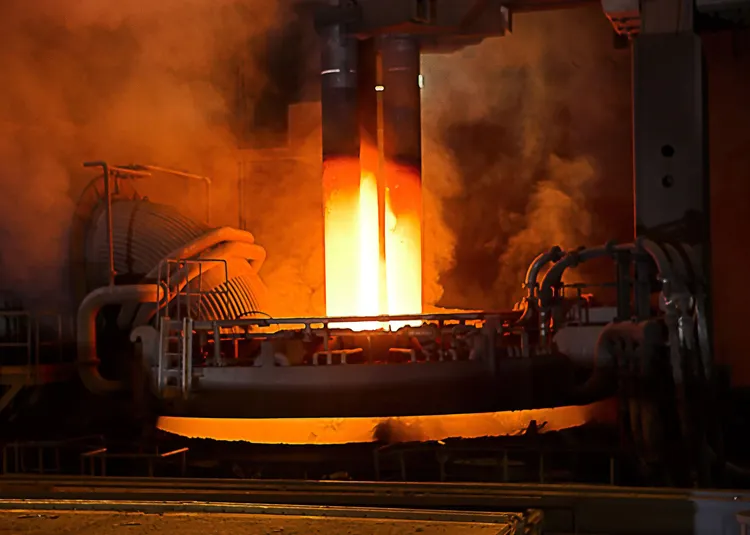 Surface Coatings
Protective coatings like alumina and silicon carbide are often applied to materials to improve their oxidation resistance, thermal stability, and abrasion resistance, especially in high-temperature applications like gas turbines and aerospace engines.
How to Improve High-Temperature Mechanical Properties?
If you want to enhance the high-temperature mechanical properties of metallic materials, here are some strategies:
- Optimize Chemical Composition: Add specific alloying elements like chromium to improve strength, or titanium for better creep resistance.
- Improve Microstructure: Refining grain size or controlling phase distribution can increase strength and hardness. Techniques like shot peening can help achieve this.
- Advanced Surface Coatings: Apply coatings such as alumina or silicate to protect materials from heat and oxidative damage.
- Test High-Temperature Performance: Perform high-temperature tensile tests and creep tests to understand how materials behave under extreme conditions.
Conclusion
Understanding the high-temperature mechanical properties of metallic materials is essential for applications that demand safety and performance under heat. By considering factors like chemical composition, microstructure, and heat treatment processes, you can select and optimize materials that will perform reliably in extreme environments.
Need help choosing the right materials for your high-temperature applications? Contact Alloyxpert today for expert advice and guidance tailored to your project’s needs.
FAQs
How does temperature affect the strength of metallic materials?
As temperature increases, the strength of most metals decreases. This is because higher temperatures weaken atomic bonds, making the material more prone to deformation.
What is creep in metallic materials?
Creep is the slow, permanent deformation of materials under constant stress at high temperatures. This can affect the material’s shape and performance over time.
How can I improve the high-temperature properties of my materials?
You can improve high-temperature properties by adding specific alloying elements, refining microstructure, and applying protective surface coatings. Heat treatment processes also play a crucial role.
Read More:
Stainless Steel Surface Defects: How to Deal with Them?
How Does Solution Treatment Temperature Affect 304 Stainless Steel?
High-Temperature Pipeline Solutions: The Role of Stainless Steel