
Introduction
Choosing the best boiler tube helps your boiler work better. In this blog, we’ll talk about material composition, size, pressure rating, temperature range, and system compatibility.
Learn how to select the right tube. Engineers use stainless steel, carbon steel, and alloys. Proper choices prevent rust, cracks, and leaks. Follow our guide to keep your boiler efficient.
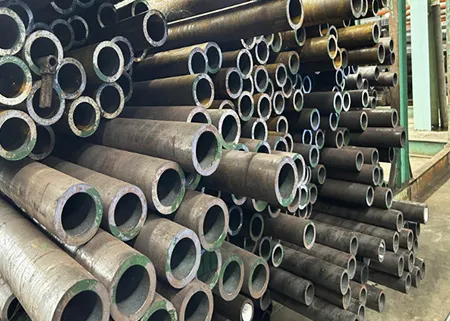
What Is A Boiler Tube?
A boiler tube is a special kind of pipe used in a boiler to produce steam. Boilers require these tubes in order to transport hot steam. The steam inside can reach high temperatures and they can be even higher than 1,000°F. They are made strong using stainless steel and other alloys.
Boiler tubes have to be strong enough to withstand high temperatures and high pressure. The size and thickness of these tubes are very crucial. Technicians examine them to ensure they are free from cracks or leaks. To this end, they employ special tests known as non-destructive testing (NDT).
The tubes need to fit the boiler precisely. If they do not, the boiler will not function effectively. Appropriate maintenance prevents rust and makes the tubes last longer.
What Factors Should You Consider When Selecting a Boiler Tube?
To pick the best boiler tube, think about the material, size, pressure, and temperature. Each part is important. Read below to learn more. It will help you choose the right tube for your boiler.
Material Composition
Pick the right material for your boiler tube. Stainless steel and carbon steel are common choices. Carbon steel is more susceptible to rust formation. A240 grade of stainless steel has better rust resistance than regular stainless steel. Yield strength is also much higher in stainless steel making it withstand pressure much better. The material you choose affects how long the tube lasts. Think about where the boiler will be used.
Size Specifications
The size of the tube matters. Tubes can be small, like 1 inch, or big, like 24 inches. The right size helps steam flow smoothly. The wall thickness is important too. Boilers need right sizes to work well.
Pressure Rating
Make sure the tube can handle the pressure. High-pressure boilers need tubes that can handle lots of pressure, like 2,500 PSI. If the tube isn’t strong enough, it can crack. Check the pressure needs carefully to keep things safe.
Temperature Range
Boiler tubes need to handle heat. Some systems get very hot, up to 1200°F. The material should handle this heat without breaking. Wrong temperature ratings can cause problems. Pick a tube that matches your boiler’s heat needs.
System Compatibility
The tube must fit your boiler system. Think about the tube’s length, width, and how it connects. The right fit helps the boiler work well. Wrong tubes can cause failures. Always check the tube’s fit before installing it.
| DN(mm) | D(mm) | PN10(1.0MPa) Wall thickness(mm) |
PN16(1.6MPa) Wall thickness(mm) |
PN25(2.5MPa) Wall thickness(mm) |
PN40(4.0MPa) Wall thickness(mm) |
PN64(6.4MPa) Wall thickness(mm) |
| 15 | 21.3 | 2.6 | 2.8 | 3 | 3.2 | 3.6 |
| 20 | 26.9 | 2.6 | 2.8 | 3 | 3.2 | 3.9 |
| 25 | 33.7 | 2.6 | 3 | 3.2 | 3.6 | 4.4 |
| 32 | 42.4 | 2.6 | 3 | 3.6 | 4 | 5.3 |
| 40 | 48.3 | 2.9 | 3.2 | 4 | 4.5 | 6 |
| 50 | 60.3 | 2.9 | 3.2 | 4.5 | 5.6 | 7.5 |
| 65 | 76.1 | 3.2 | 3.6 | 5 | 6.5 | 8.6 |
| 80 | 88.9 | 3.5 | 4 | 5.6 | 7 | 11 |
| 100 | 108 | 3.2 | 3.6 | 4.5 | 5.4 | 7 |
| 125 | 133 | 3.6 | 4 | 5 | 6.2 | 8.1 |
| 150 | 159 | 4 | 4.5 | 5.6 | 6.9 | 9 |
| 200 | 219 | 6.3 | 7.1 | 8.8 | 11 | 14.4 |
| 250 | 273 | 7.9 | 8.9 | 11 | 13.7 | 17.9 |
| 300 | 325 | 9.5 | 10.7 | 13.3 | 16.7 | 21.9 |
Pressure Table
What Are the Types of Boiler Tubes?
There are different kinds of boiler tubes. Each type works in a special way. Read below to learn about fire-tube, water-tube, superheater, economizer, and reheater tubes. It will help you understand their unique jobs.
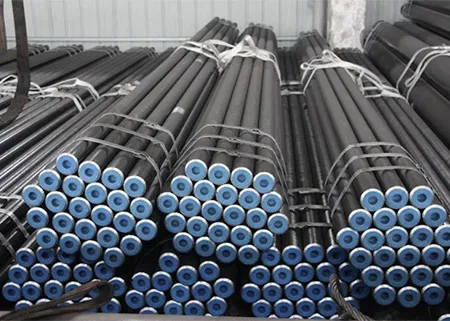
Fire-tube Boilers
The fire-tube boilers have tubes through which the hot gases are passing. These tubes are in the water. The water heat up from the gases’ heat. It is a simple and effective design.
Fire-tube boilers are widely applied for low pressure processes. They cater well for small to medium industrial operations. A fire-tube boiler generally functions at 250 psi pressure or less.
The tubes in these boilers are easier to clean and maintain. This is the reason why they are used by many industries.
Water-tube Boilers
Water-tube boilers have water tubes that are filled with water. These pipes are externally heated with combustion gases. The water turns into steam inside the pipes.
These steams are then utilized for diverse uses. Water-tube boilers can be useful for high-pressure applications as well. They can withstand pressure up to 500 psi.
This type of boiler is found in large power plants and industrial settings. This design provides for the rapid transfer of heat and effective operation. Maintenance of water-tube boilers is normally more complicated.
Superheater Tubes
The superheater tubes are designed to increase the steam temperature. They are put in the hottest part of the boiler. These tubes get steam from a boiler drum. Next, the steam is heated beyond the saturation point. This process increases the heating efficiency of the boiler.
Superheater tubes play a key role in power generation. They have to tolerate high temperatures and pressures. Stainless steel is a material that is commonly employed for these tubes. Proper maintenance guarantees long-term performance and safety.
Economizer Tubes
Economizer tubes take excess heat from the expelled gases. They preheat the boiler feedwater. As a result, it reduces the overall boiler efficiency. Economizers are designed to save fuel and lower emissions. The tubes are located in the exhaust area of boiler.
Heat transfer is made to the water through the tubes. The economizer tubes are fundamental for the saving of energy. They are running under different pressure parameters.
The design prolongs the service life of the boiler. Inspection must be performed on a regular basis to ensure the best performance.
Reheater Tubes
Reheater tubes reheat the steam after the initial work is over. They increase the steam pressure supply. It increases the turbine performance. Reheater tubes are installed in the flue gas stream.
The high pressure steam from the turbine enters these tubes. The hot gas leaves the combustion chamber, ready for the low pressure turbine.
These pipes should be able to withstand high stress and temperature. The high-grade alloys are applied in construction. Reheater tubes improve the total efficiency of power plants.
| Type | Function | Material | Size Range | Pressure Capacity | Temperature Tolerance | Application |
| Fire-tube Boilers | Heat Exchange | Carbon Steel, Alloy | Diameter: 2-4 inches | Up to 300 PSI | 300-500°F | Residential, Industrial |
| Water-tube Boilers | Heat Transfer | Stainless Steel, Alloy | Diameter: 1-3 inches | Up to 900 PSI | 500-1200°F | Power Plants, High-Pressure |
| Superheater Tubes | Steam Heating | High Alloy Steel | Diameter: 1-2 inches | Up to 2000 PSI | Up to 1200°F | Power Plants |
| Economizer Tubes | Heat Recovery | Carbon Steel | Diameter: 1-3 inches | Up to 600 PSI | Up to 400°F | Energy Efficiency |
| Reheater Tubes | Steam Reheating | Chromium-Molybdenum | Diameter: 1-2 inches | Up to 2000 PSI | Up to 1200°F | Power Plants |
Table on Types of Boiler Tubes!
How Does Material Choice Impact Boiler Tube Performance?
Carbon Steel Properties
Carbon Steel is tough and long lasting. It is highly tolerant to high temperatures and pressure. Common grades are ASTM A106 and ASTM A53. They are less expensive and can be easily found.
Carbon steel tubes are well suited for fabrication. Nevertheless, the likelihood of corrosion increases with time. Proper maintenance is essential.
They are used in many business categories because of their flexibility. The mechanical properties of carbon steel place it among the popular choices.
Stainless Steel Benefits
Corrosion and oxidation do not affect stainless steel. It is able to tolerate high temperatures. Normally the grades like 304 stainless steel and 316 stainless steel are chosen. This sort of material is ideal for tough environments.
Stainless steel pipes require lower maintenance. They have a longer life expectancy.
This saves maintenance and costs. Their ratio between strength and weight is the best. Stainless steel is classy and beautiful. It is ideal for high-performance applications.
Alloy Steel Advantages
Alloy steels form by mixing different elements to improve their features. They give high strength and toughness. We usually use P11 and P22 grits.
Alloy steel stays stable in heat better than carbon steel. It resists heat fatigue well. These materials work well in high-pressure jobs. Alloy steel tubes need a precise shape. We often use them in power stations and refineries. Picking the right one ensures it works well.
Application-Specific Recommendations
The right material is key in application. At high temperatures, stainless steel or alloy steel works best. For low pressure, you can use carbon steel. Think about corrosion resistance and heat flow. Almost all materials have their own special properties. Look at the environment and what care is needed.
Ask an expert for advice. Good material choice boosts efficiency and life. In all cases, pick materials based on specific needs.
Why Is Pressure and Temperature Rating Critical for Boiler Tubes?
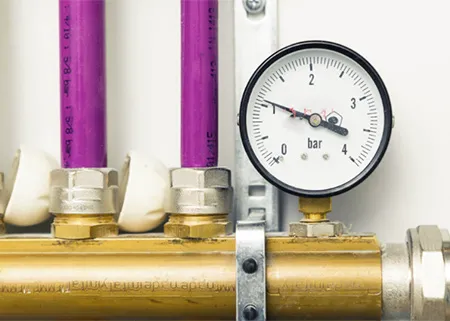
High-Pressure Tolerance
Boiler tubes must handle high pressure well. They often go over 1000 psi. Using the right materials ensures they last. High pressure can cause stress and bends. Tubes must stand up to this.
This stops breakdowns and accidents. Steels like carbon steel and alloy steel are used. Regular checks are crucial. Handling high pressure is key to safety.
Temperature Limits
Boiler tubes work at high temperatures. They often go over 1000°F. Materials should stand up to heat stress too. Stainless steel and alloy steel are great. These materials stop overheating. Temperature limits ensure safe and good work. Overheating can cause failures. Good design handles temperature changes. Checking is key. Keeping within temperature limits can make tubes last longer.
Operational Conditions
Boiler tubes face a tough work environment. This includes changes in pressure and temperature. Tubes must be strong and reliable. Materials like ASTM A106 and P22 are used.
They are very stress resistant. Proper care is key. Sometimes loads need to change. Good performance under these changing conditions ensures safety. Working conditions decide the material choice.
Performance Consequences
Obeying work limits helps performance. Tubes may fail under stress. This leads to shutdowns and damage. Correct ratings lead to good operations. They stop leaks and breaks. Materials like carbon steel and stainless steel are chosen. Regular checks prevent issues. Sticking to ratings keeps the system efficient. Performance results increase the importance of ratings.
How Do Corrosion and Erosion Affect Boiler Tube Selection?
Corrosion Resistance
Corrosion resistance is a very important property for boiler tubes. Materials like stainless steel and alloy steel resist corrosion well. Corrosion can cause tubes to fail. Grades of stainless steel like 304 and 316 work well. Checks help find problems early.
Choosing the right material makes tubes last longer. Corrosion resistance is crucial for reliable use. Maintenance stops severe damage. This is key for business sustainability.
Erosion Prevention
Preventing erosion is key for the tube’s strength. Erosion happens from strong fluid flow. The alloy steel resists erosion. Tubes need to be built to stop erosion. Continuous checks catch early signs. Proper water management helps control erosion.
Erosion-resistant paint helps too. This makes the tube last longer and work better. Prevention strategies are the base of keeping things running well.
Protective Coatings
Protective coatings keep tubes safe. Coatings like ceramic and epoxy are used. They fight off both rust and wear. Spraying and dipping are ways to apply them.
Coatings need regular checks. Good application makes sure they cover well. This process cuts maintenance costs a lot. They make things work better overall. Anti-rust coatings are a great way to prevent damage. This makes boiler tubes last longer.
Maintenance Practices
For good tube health, regular maintenance is key. It includes looking and cleaning. This is why we use techniques like ultrasonic testing. Maintenance means changing worn-out tubes.
Correct water treatment is very important. Scheduled maintenance stops sudden failures.
It ensures safe and smooth operation. Using good practices helps make the tube last longer. Maintenance should cover everything and be done often. This keeps the boiler running smoothly.
What Are the Benefits of Choosing High-Quality Boiler Tubes?
Cost Savings
Boiler tubes cut energy use and boost performance. Top materials like ASTM A192 cut fuel use. Unlike top tubing, they need less care, so less downtime. Less wear means longer life.
Better durability means fewer replacements. Good heat transfer boosts fuel use. Great design stops heat loss, so only needed energy is used.
Enhanced Safety
Boiler tubes work safely under pressure and heat. The best metals like Inconel 600 keep the materials strong. Steady performance lowers the risk of problems.
Strong building rules add strength. Anti-rust stops leaks. Steady pressure makes the system reliable. Safe operation cuts down on accidents. Proper checks make sure safety rules are followed.
Improved Reliability
The boiler tubes monitor system reliability. This is key for smooth operation. High-quality steel like SA-210 is strong. It performs well. It resists thermal fatigue, which makes it last longer. Good engineering spreads the heat evenly.
Reliable materials prevent unexpected failures. Strong pipes help power stay on. Durable pipes cut down on repairs. Special coatings stop rust that would shorten the lifespan.
Long-term Efficiency
Boiler tubes carry heat for a long time with better heat flow. For example, alloys like stainless steel 304L help heat transfer. Less power loss means better work. High resistance to scaling keeps flow steady.
Tubes with less loss work better. Steady heat flow keeps the process going. The tube’s strong build makes it last longer.
Successful Implementations
Boiler tubes are key for program delivery as they make sure performance stays the same. Strong alloys like SA-213 keep their strength. Good welding gives exact seamless joints.
Heat stability is key in industrial uses. Good materials cut downtime. Corrosion-resistant tubes last longer. Quality makes operations work well. Efficient design meets the needs of industries.
How Can AlloyXpert Assist You in Choosing the Best Boiler Tube?

Product Range
AlloyXpert (Wuxi Chengjiu Metal) provides a wide array of products. We carry over 90 kinds of metals. We have more than 4,000 tons of inventories. We sell ASTM A106 and A53 boiler tubes. A very wide range satisfies all the demands of industry. This is backed by a 24-hour delivery guarantee.
We provide the market with high-quality and reliable products. We carry a wide range of goods that are applicable in various industries. AlloyXpert is an innovator which offers perfection in their products.
Industry Standards
Our boiler tubes are made in a factory that follows strict industry rules. We use materials certified by ASTM, ASME, and API. Following these rules is key for safety and performance.
We test our products very carefully. We keep a close watch on quality. We follow rules like ASTM A213 and A192. This makes sure our products are reliable.
We are proud of our standards and it shows. AlloyXpert meets your project needs. Quality and compliance are the most important things to us.
Expert Consultation
AlloyXpert offers expert help. Our team helps you choose the best boiler tubes. We look at technical details. We talk about material properties and specifications. Experts guide you from carbon steel to stainless steel and more. This service helps you pick the right materials.
Our consulting makes projects better. The technical support is always available. With AlloyXpert, our customers make sure decisions. Trust us to give you professional advice.
Tailored Solutions
We offer solutions made just for you. We consider your needs like size and strength. These solutions have choices like heat treatment and coatings. We think about how you will use them. Custom solutions make sure you get the best result.
Our services fit each project’s special needs. Personalized products are efficient and durable. We customize for different industries based on their needs. AlloyXpert is an expert in perfect custom solutions. We focus on what you need because that is our specialty.
Customer Support
AlloyXpert is a company that stands out in the customer service field. Help is provided with any problem encountered. We provide technical services and advice. Customer satisfaction is our key concern. Please contact us through phone or email. Our team responds promptly.
We make sure every single question is answered. Support includes post-purchase services. We, of AlloyXpert, make it our main purpose to help you. Success and satisfaction are our utmost priority.
Conclusion
In conclusion, choosing the right boiler tube is very important for efficiency. Materials, durability, and heat resistance all matter a lot. Keeping all these things in your mind will help you get the best results.
Visit ALLOYXPERT for expert advice and the best products. Make sure your boiler works at its best. Make smart choices today. Stay efficient, stay informed!