
Introduction
Stainless steel sheet metal is durable. Know about bending, cutting, and welding. Employ computer numerical control machines, TIG welders, and press brake.
This blog educates about skills and precautions. Some rules must be followed to produce accurate, clean, and professional work. Use proper tools. Meet quality with the right methods.
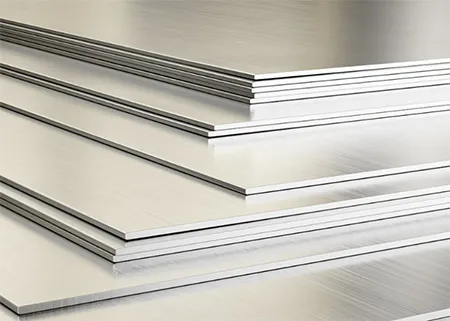
What Is Stainless Steel Sheet Metal?
Stainless steel sheet metal has 8-10.5% nickel. It is strong. This type has chromium. It is in grades such as 304/316. It is highly corrosion resistant. The metal is shiny.
They slice it into shapes. This sheet can be of any thickness. It is used in making appliances. It has a tensile strength of 520 MPa. They easily bend and weld it. This material is versatile.
What Types of Stainless Steel Sheets Are Available?
There are many types of stainless steel sheets. Let’s discuss the kinds and how they are utilized!
Austenitic
Austenitic sheet metal has two grades; the 304 and the 316. It resists corrosion. This type employs Cr-Ni steel. They show non-magnetic properties. Tensile strength is equal to 550 Mpa.
It maintains durability. The formability is high. It is frequently used in food industry applications. The flexibility aids shaping. They are easy to weld. It contains 18% Cr. Austenitic types are low in carbon content.
Ferritic
Ferritic sheet metal uses Cr-Fe steel. It contains 430 grade. The tensile strength is 450 MPa. They resist oxidation. The chromium content is 17%. It has magnetic properties.
It also has a high thermal conductivity. It does not undergo stress corrosion cracking. The malleability helps shaping. Ferritic types are cost-effective. They use low nickel. This type is used in automotive.
Martensitic
Martensitic sheet metal includes 410 grade. Another advantage is that it has a high tensile strength. The value is 600 MPa. They use Cr steel. The carbon content is 1.2%.
Martensitic types possess magnetic characteristics. This type resists wear. The hardness is high. It is used in cutlery. The elongation is 15%. Martensitic types are tough. They handle high stress.
Duplex
Duplex sheet metal contains both the austenitic and the ferritic phases of steel. They use 2205 grade. The tensile strength is 620 MPa. It has very good corrosion properties. Duplex types include 22% Cr.
The nickel content is 5%. They are durable and elastic. The usage is in chemical plants. The elongation is 25%. Duplex types possess high levels of yield strength.
Precipitation-Hardening
Some types of sheet metal that require precipitation hardening are 17-4 PH grade. It is strong. The tensile strength is 800 MPa. They use Cr-Ni-Cu steel. The yield strength is 520 MPa. They resist corrosion. Precipitation-hardening types are tough. It maintains hardness.
They show good formability. The elongation is 12%. This type is used in aerospace. Precipitation-hardening types are durable.
| Type | Chromium (%) | Nickel (%) | Carbon (%) | Tensile Strength (MPa) | Corrosion Resistance | Magnetic Properties |
| Austenitic | 16-26 | 8-10 | <0.08 | 485-620 | High | Non-Magnetic |
| Ferritic | 10.5-27 | 0-1 | <0.12 | 450-600 | Moderate | Magnetic |
| Martensitic | 11.5-18 | 0-1 | 0.15-1.2 | 850-1600 | Low-Moderate | Magnetic |
| Duplex | 21-26 | 4-7 | <0.03 | 620-800 | High | Slightly Magnetic |
| Precipitation-Hardening | 15-17 | 3-5 | 0.09-0.07 | 900-1700 | High | Magnetic |
Table on the Types of Stainless Steel Sheets Are Available!
How Do You Choose the Right Tools for the Job?
Selecting right tools enables us to work more effectively. It is also important to remember that each tool has a specific purpose!

Cutting Tools
CNC machines are used for accurate cutting. The laser cutter works on detailed patterns. This cuts with high accuracy. Thick metals are best worked on using plasma cutters. They create clean edges.
The blade spins at a fairly high velocity. They use computer-aided design software to work with. It is possible to cut up to 12 mm in thickness. The torching temperature is kept constant. The operator has to wear safety gear.
Bending Tools
They utilize press brakes to bend metals. Hydraulic press uses pressure of 50 tons. This ensures accurate angles. A V-die forms the metal. The bend is controlled by the CNC controls.
The metal cools gradually to avoid formation of cracks on the surface of the product. It is clamped with high pressure during bending of the material. The back gauge helps in orientating the sheet. An air bend is more flexible.
Finishing Tools
It employs deburring tools to smoothen its edges. This removes sharp bits. They employ grinders for surface finishing. The sanding belt is very fast. A buffing wheel gives a glossy look.
The metal is checked for scratches. It is coated with anti-rust spray. A gauge is used to assess the quality of the surface finish. A microfiber cloth cleans dust.
Power Tools
They used drills for creating holes. The power drill spins at high rpm. A carbide bit is used to shave through. Angle grinder trims corners. The jigsaw works in complicated patterns.
This tool is variable speed tool. The rotary tool makes engravings. The metal must be firmly clamped. Goggles should be worn.
Hand Tools
For small cuts, they use tin snips. The metal file is used in filing sharp edges. The metal is scratched with a scribe. This tool is easy to handle. A hacksaw makes thicker cuts.
They use a caliper to measure. The punch makes holes. One must ensure that they apply constant pressure. The clamp then secures the metal in position.
What Are the Best Practices for Cutting Stainless Steel Sheets?
Classic ways maintain the stainless steel sheets clean and proper. Let’s learn some tips!
Shearing
Shearing cuts the stainless steel sheet metal. A blade makes 140 cuts per minute. The machines are known as guillotine shears. They use hydraulic presses. These presses provide straight lines.
Safety guards protect fingers. It is for mitering straight pieces. Shearing avoids heat. This means no warping. It is very critical to have sharp blades and make safety checks.
Sawing
Sawing involves the use of circular saws with 24 teeth per inch. It does this by cutting stainless steel sheet metal cleanly. Bandsaws are also used. Coolant is used to cool the saw.
Variable speed control aids in cutting well. Personal protective equipment such as gloves will be required. Sawing gives smooth edges. They are useful for nice finishes. Sawing reduces the burrs.
Laser Cutting
Laser cutting uses beams. The laser has a speed of 600 inches per minute. It slices stainless steel sheet metal efficiently. CNC machines control the laser. They follow programmed paths.
Lasers make tiny cuts. Cooling systems stop overheating. Safety goggles protect eyes. This method saves material. It is suitable for minute structures.
Water Jet
Water jet cutting employs the use of water. The speed of the jet is 900 inches per minute. Suspended abrasive particles combine with water. CNC machines control the jet. They make neat cuts.
Water jets do not involve heat. This entails no metal harm. It is important to have safety barriers to protect all the parties involved. Maintenance checks the nozzle. It is the best for complicated shapes.
Plasma Cutting
With plasma cutting, an ionized gas is utilized. The torch operates at a temperature of 20,000 degrees Celsius. It trims stainless steel sheet metal quickly. CNC controls dictate the position of the torch.
This makes precise cuts. Rate of flow of the gas controls the speed. Safety gloves are needed. Plasma cutters cut through thick metal sheets. It is suitable for making fast cuts.
How Do You Bend Stainless Steel Sheets Without Cracking?
Stainless steel sheets for bending require attention. This is how to do it without cracks!
Press Brake
The metal sheets can be bent using a piece of equipment known as a press brake. It employs a punch and die. Exert a force of 50 kN. This force controls the shape of the metal.
The punch impacts the metal. That makes it bend. The brake secures the position of the metal. A 90-degree angle forms. They change the force for various metals. It is fast and efficient. This ensures precise bending.
Rotary Bending
Rotary bending should be done using a rotary bending die. The metal encases the die. Exert force of 75 kN. A curved bend forms. It is particularly useful for intricate geometries. The machine rotates the die.
This technique is efficient. It creates smooth bends. For the tubes and pipes, they achieve consistent results. The process minimizes cracks. That’s important for quality bends.

V-Bending
V-bending involves the use of a V-shaped die. The punch presses the metal into the die. Apply 100 kN force. A sharp bend forms. This method is versatile. It is used for various angles.
They fine tune the die for precision. The bend angle is a function of the punch. It is ideal for thick metals. This method is precise. V-bending ensures strong bends.
U-Bending
U-bending creates U-shaped bends. Use a U-shaped die. Apply 85 kN force. The punch forces metal into the die. A U-bend forms. It is applied in different ways. Change the force for thickness.
This method is efficient. It forms deep bends. The technique is reliable. They ensure uniform bends. U-bending is accurate and uniform.
Coining
Coining applies high pressure. Use a coining press. A force of 120 kN is typical. Metal compresses into shape. The die imprints details. It’s used for intricate work. This method is precise.
They achieve exact dimensions. The thickness of the metal does not change. Coining creates fine details. It is most suitable for intricate parts. This ensures quality production.
Roll Bending
Roll bending uses rollers. The metal is rolled through rollers. Apply 90 kN force. Rollers shape the metal in a gradual manner. This creates large curves. The process is continuous. It is most suitable for large masses. They adjust roller spacing. This determines the radius of the curve.
The technique is efficient. Roll bending guarantees the formation of smooth curves. It is applied on structural parts.
How Can You Ensure Precision in Cutting and Shaping?
Neatness is achieved through precision. Now it is time to find out some tools for getting the perfect cuts and shapes.
Measuring Tape
Measuring tape is useful to guarantee the correct cutting of the stainless steel sheet metal. It checks the length. Precision is 1/16 inch. It has a lock button. This keeps it steady. The steel blade does not get worn out. The hook helps anchor. They use protractors to measure angles.
The tape is retractable. This is due to its belt clip which enhances portability. It has a sturdy body. Measurement is easy.
Calipers
Thickness of stainless steel sheet metal is measured using calipers. They measure thickness. Vernier scale shows readings. It includes thumb screw adjustment. Depth gauge is included. Digital calipers include the use of LCD screens to display the measurements. It ensures precise measurements.
They feature lock screws. The jaws are made from high steel. This prevents wear. Like all measuring instruments, calipers possess a fine adjustment wheel. Its body is made of stainless steel.
Scribing
Drawing symbols on stainless steel sheet metal. Carbide-tipped scriber is used. It scratches fine lines. They use rulers to draw straight lines. Marking fluid improves visibility. It dries fast. Scriber has knurled handle. This ensures grip. Control line depth is stopped by depth.
They use caliper jaws for guide. It is important to note that the scriber used in this work has replaceable tips. Line visibility is high.
Templates
Stainless steel sheet metal is cut according to templates. Shapes vary. They include circles, squares, and triangles. Templates are made of aluminum material. It prevents rust. They are laser-cut. The edges are smooth. It ensures accuracy. The thickness of the template is accurate.
Holes allow pencil marking. They also employ clamps for holding purposes. Templates have size labels. Precision is maintained.
Jigs
Jigs provide support to stainless steel sheet metal during cutting. It is noted that they retain works in position. This ensures precision. Jigs have adjustable clamps. Its body is aluminum. They tighten it with screws. Position is accurate. For the purpose of drill guidance, jigs have bushings.
The base of the jig is not slippery. Alignment is easy. These are necessary when making successive incisions. Accuracy improves.
| Feature | Measuring Tape | Calipers | Scribing | Templates | Jigs |
| Accuracy (mm) | ±1 | ±0.01 | ±0.5 | ±0.2 | ±0.1 |
| Material | Steel/Fiberglass | Stainless Steel | Carbide Tip | Acrylic | Metal/Wood |
| Measurement Range | Up to 50 meters | 0-200mm | Line Marking | Various Sizes | Customized |
| Cost Range ($) | 5-20 | 10-50 | 2-15 | 5-30 | 20-100 |
| Usage Complexity | Low | Medium | Low | Medium | High |
| Maintenance | Low | Low | Low | Low | Medium |
Table on Ensuring Precision in Cutting and Shaping!
How Do You Weld Stainless Steel Sheets Correctly?
Welding of stainless steel sheets is quite challenging. Here is how to do it right!
TIG Welding
TIG welding employs a tungsten electrode. It can heat stainless steel sheet metal. Argon gas makes it safe. The welder wears gloves. The power source is 200 amps. This aids in the process of melting the metal. The metal moves and connects. It becomes one piece.
The welder is not allowed to move fast. They must also be careful. They use filler rods. The surface of the weld appears smooth and gleaming.
MIG Welding
MIG welding utilizes a consumable wire electrode. It anneals the stainless steel sheet metal. Argon-CO₂ mix protects it. This maintains the strength of the weld. The wire passes through a gun.
The power supply is 300 amps. They weld at a fast and steady pace. The machine is helpful a lot. The welder wears a mask. They protect their eyes. The weld cools quickly. It is smooth and strong.
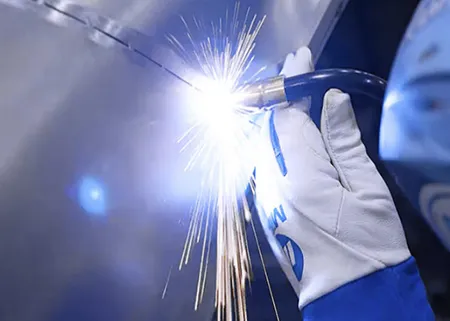
Spot Welding
In spot welding copper electrodes are used. They bear on stainless steel sheet metal. It heats up to 1500 degrees. It fuses and welds the metal. The welder uses pressure. They grip the metal firmly. The machine has 50 cycles. It works fast. The spots cool quickly. The metal is joined. The welder then verifies the integrity of the weld.
Gas Welding
Gas welding involves the use of a flame. It processes the stainless steel sheet metal by melting it. It does this by making the metal join. Flame is at 6000 degree. They use an acetylene torch.
The welder manipulates it slowly. They add filler metal. The weld is strong. They control the flame. This keeps the weld neat. The welder wears goggles. They protect their eyes. The metal cools slowly.
Electrode Types
Welding involves electrode types. Each has a number. E308 is for stainless steel sheet metal. It has a melting point of 2500 degrees. AC power is used by the welder.
This makes the joint strong through the process of welding. They use gloves and masks. E309 is another type. It works on different metals. The weld is neat. They have to make the right choice. This keeps the weld safe.
Shielding Gas
Shielding gas is important. It protects the stainless steel sheet metal. They use argon or helium. Argon is common. It flows at 20 cubic feet per hour. This ensures that the weld is clean.
The welder observes the flow. They alter it according to the circumstances. The gas prevents oxidation. This makes the weld strong. The tank contains sufficient quantities of the gas. They refill it when it is empty. The weld is shiny.
What Finishing Techniques Enhance Stainless Steel Appearance?
Polishing gives steel that shiny appearance. Let’s explore cool techniques!
Polishing
The other one is polishing for a shiny appearance. This uses abrasives such as 400-grit to 800-grit. It forms a polished surface. This means that the RPM plays a role in determining the outcome.
Polishing wheels, also known as ‘mops,’ do help. This method removes scratches. It increases reflectivity. It is used on appliances. Polishers use SiC and Al₂O₃. It is done on conveyors. The surface becomes glossy and smooth.
Brushing
They use brushing for texture. This gives it a matte look. It employs fine abrasive particles, approximately 120-mesh size. This reduces shine. The pattern is linear. Brushes have nylon bristles.
They attach to grinders. This process camouflages small imperfections such as scratches. It enhances grip. It is used on kitchen tools. This method regulates the surface flatness.
Sanding
Sanding removes imperfections. It employs rough abrasives such as 60-grit. They use orbital sanders. The sanding pad vibrates. This aids in making surfaces more even.
They alter the grit size as they deem appropriate. Sanding is done prior to other finishing processes. It reduces surface roughness. This method is quick. It also makes the surface level.
Buffing
They use buffing for a mirror finish. This includes compounds such as rouge. The process has two steps: such as cutting and coloring. Buffing wheels spin fast. It uses high RPMs. This enhances reflectivity.
The surface becomes ultra-smooth. It is applied on ornaments. Buffing eliminates fine lines. This method adds luster. The result is flawless.
Fillet
Fillet makes edges smooth. This removes sharpness. They use it on corners. The fillet radius is essential. This process employs the use of computer numerical control machines. It prevents cuts.
The edge gets rounded. They use deburring tools. This makes items safe. Filleting enhances comfort. The effect is seamless. This method adds safety. Edges become friendly.
How Do You Maintain Stainless Steel Sheet Metal?
Stainless steel is quite easy to maintain. Here’s how to keep it nice!
Cleaning
This one needs to be washed with a soft cloth. Dirt can scratch metal. When cleaning it is recommended that one uses a pH-neutral cleaner such as H₂O. The chloride used in cleaners affect metals.
Avoid use of scrubbing pads for instance the brillo. Wipe in circles. Circular motions help in protecting the surface. They keep moisture away.
Moisture can cause rust. Rust is bad. Avoid abrasives like sandpaper. Abrasives damage layers. Protect the finish. Clean often. Keep your metal shiny. At Wuxi Chengjiu Metal, we offer consultancy to ensure you properly maintain your stainless steel.
Descaling
This removes oxides. Oxides harm metal. Use HNO₃ solutions. Acid dissolves scales. Wear safety gloves. Protect hands from HNO₃. Wear goggles too. Goggles shield eyes. Scrub lightly with brushes. Scrubbing helps dissolve oxides. Rinse with H₂O. Water washes away HNO₃. Neutralize with NaOH.
They balance pH. Wipe the skin gently with a towel. Moisture promotes rust. Descale to ensure that the metal does not get weaken. Strong metal lasts longer. At Wuxi Chengjiu Metal, you can undergo descaling to ensure that your metal is tough and lasts longer.
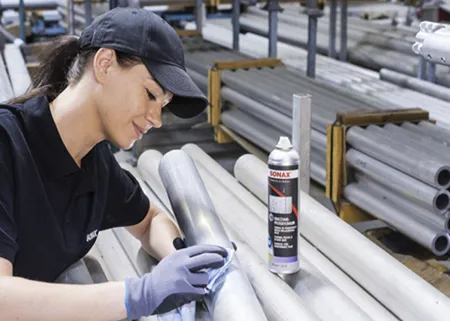
Passivation
Use HNO₃. This leads to the formation of a passive layer. A passive layer avoids rusting. Always wear gloves. Protect hands from acid. Rinse well with H₂O. Rinsing removes acid traces. Check the surface. Look for uniform color. Color shows passivation success. Dry completely. Moisture ruins passivation.
Repeat as needed. Passivation boosts durability. They keep metal new. Maintenance includes passivation. When it comes to the passivation of your metals at Wuxi Chengjiu Metal, rest assured your metals are protected from corrosion.
Oiling
Select the mild penetrating oil like WD-40. This coats the surface. Oil prevents rust. Use a cloth. Cloth spreads oil evenly. Rub gently. Gentle pressure is enough. Avoid excess oil. Excess attracts dirt. Wipe off extra oil. This results to a fairly thin layer. Inspect the surface. Look for coverage.
Even coverage protects best. Reapply monthly. Monthly oiling ensures protection. Oiling keeps metal gleaming. Oiling services are offered by Wuxi Chengjiu Metal to make your metal products shiny again.
Inspecting
Inspect regularly. Look for rust spots. Rust spots indicate damage. Use a magnifier. Magnifiers reveal tiny defects. Check edges. Edges corrode first. Feel the surface. Rough spots mean trouble. Trouble spots need care. Clean and treat defects. Treating prevents bigger issues.
Records help track maintenance. Regular checks save time. Now time pays money. Inspections ensure quality. When it comes to Wuxi Chengjiu Metal, we provide comprehensive inspection on the finish metal products to meet the specified standards.
What Are the Safety Measures When Working with Stainless Steel?
It is essential to take precautions when handling stainless steel. Let’s learn some safety rules!
Gloves
Protect hands from cuts by sharp edges with gloves. For cuts, select Kevlar gloves. Heat insulated gloves shield from hot metal. They should conform to ANSI 105 requirements.
This ensures safety. Wear gloves that afford proper grip. They prevent slipping. Gloves must fit snugly. It is used to protect hands when handling stainless steel sheet metal at the workplace.
Goggles
Facemasks protect eyes from small metal particles. Wear goggles that are made from polycarbonate. They should meet ANSI Z87.1 standards. Use of anti-fog goggles enables one to see more clearly.
Side shields protect eyes. This ensures full protection. Wear goggles while cutting and grinding. They ensure that eyes are protected while handling stainless steel sheet metal.
Respirators
Flu shields preserve the lungs from hazardous air. For small particles, it is advised to use N95 respirators. They should conform to the standards set by NIOSH.
This is due to the fact that they are fitted with adjustable straps. Replace filters often. Safety masks arrest dangerous dust and gases. This makes breathing safe. These are required when dealing with stainless steel sheet metal.
Ear Protection
Hearing protection protects the ears from loud sounds. Use earplugs or earmuffs. They should be compliant with OSHA 29 CFR 1910 regulations. Earplugs fit inside ears.
Earmuffs cover ears fully. It is best to use them near noisy machines. They stop hearing damage. This makes it safe to use when working with stainless steel sheet metal.
Ventilation
Ventilation helps maintain clean air in the room. Remove bad fumes through the utilization of exhaust fans. They should meet ASHRAE 62.1 standards. Ventilation hoods help too.
Proper ventilation prevents the accumulation of toxic gases. This makes air safe to breathe. Ventilation is very important when dealing with stainless steel sheet metal.
Fire Safety
Fire safety protects everyone. Have ABC fire extinguishers handy. They should conform to the NFPA 10 specifications. For small fires, one must use fire blankets. Clear away flammable things.
Store the chemicals properly. Use spark-proof tools. Fire alarms assist in calling for fast help. This makes the area secure while handling stainless steel sheet metal.
How To Troubleshoot Common Issues in Stainless Steel Fabrication?
Stainless steel sheets’ issues can be easily solved. Here are some tips to help!
Warping
Heat distorts stainless steel sheet metal. Thermal expansion curves are detrimental. Secure with clamps or jigs. Warping happens at 400-600°C. Quenching cools it fast. This halts deformation.
Inadequate heat distribution makes the situation even worse. Solution: varying temperatures and controlled heating and cooling cycles. Welding at high amps can warp also.
TIG welding should be done using 20-40 volts. Stress-relieving techniques help. Avoid sudden temperature drops. Always check measurements.
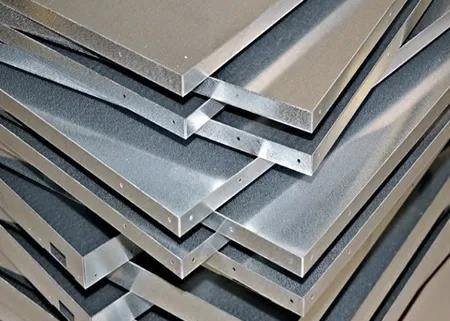
Discoloration
Staining alters the appearance of the stainless steel sheet metal. Oxidation creates colors. This affects surface finish. Fix using acids. Clean with nitric acid or HF. Electropolishing removes discoloration.
This uses 3-10 amps. They produce a shiny surface. Inspect for uniform color. Heat-treating at 200 to 400 degrees Celsius also aids the process. This fixes the issue. Clean surfaces regularly. Avoid harsh chemicals. Frequent checks prevent discoloration.
Scratches
Scratches are detrimental to the surface of stainless steel sheet metal. Sanding removes light scratches. Use 180-320 grit sandpaper. Deep scratches need polishing. Rotary polishers with 800 RPM assist.
Apply polishing compound evenly. Abrasive pads also help. Inspect work under light. For the scratches, you should clean them with isopropyl alcohol. Avoid rough handling. They cause new scratches. Prevent by using protective films. Always handle carefully.
Cracks
Defects in stainless steel sheet metal include surface cracks. They weaken structures. Examine using dye penetrant tests. This highlights cracks. Fix by welding. TIG welding works best.
Employ filler metal with 0.03% carbon. Welding should be done on a clean surface. Preheat to 150-200°C. They prevent new cracks. Post weld heat treatment is essential. Some stress relief is beneficial at 400-600°C. Avoid high heat inputs. They worsen cracks.
Burrs
Cutting stainless steel sheet metal creates burrs. These sharp edges may cause harm. Deburr using files. Metal files with 10-20 strokes remove burrs. Rotary deburring tools at 2000 RPM also work.
Inspect edges. Smooth with sandpaper. Apply 180-320 grit. Make sure there are no sharp edges left. This prevents cuts. Regular deburring is essential. Avoid using dull tools. They increase burrs. Keep tools sharp.
Oxide Scale Peeling
The oxide scale peeling on stainless steel sheet metal can be treated through the removal of the impurities by grinding. This issue was addressed in a study conducted by Zhang and Shores (1994).
The authors exposed 304 stainless steel for 20 hours at 800°C and then furnace-cooled, inspecting cracks and spalling via AE methods.
It was also observed that peeling initiated at 300°C and reached its highest value of 15°C during the cooling phase. To repair, use welding to cover the joint, adding thickness and then grinding to flush. Regular inspection helps.
Conclusion
There are methods and equipment used when handling stainless steel sheet metal. Welding, bending, cutting and polishing are important. Always follow safety measures.
For more tips and products, visit ALLOYXPERT. Make sure that you master these skills for the professional touch. Learn about the new approaches and technologies. Continue to develop yourself professionally and personally.
Read More:
A Complete Guide to Stainless Steel Sheet
Key Factors to Consider When Choosing Stainless Steel Sheets for Industrial Equipment