
Introduction
Inconel alloys are known for their exceptional strength and resistance to extreme temperatures, making them a popular choice for high-performance applications like aerospace and chemical processing. However, machining Inconel can be a challenging task due to its tough and heat-resistant properties.
Machining Inconel isn’t like machining standard metals. The unique properties of Inconel alloys, such as their heat resistance and toughness, make them more difficult to cut. However, with the right tools, techniques, and approach, you can effectively machine Inconel to meet your project needs.
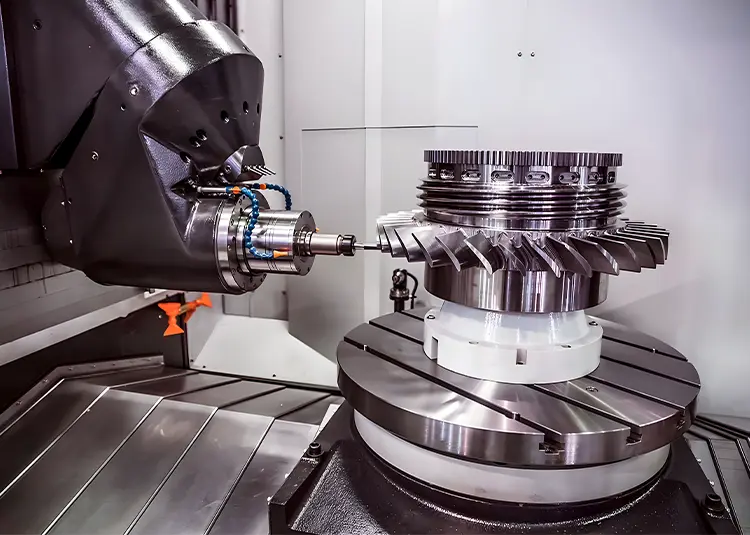
So, why exactly is Inconel hard to machine? Let’s break it down and understand the best practices for improving Inconel machining efficiency.
Is Inconel Hard to Machine?
Inconel alloys are notorious for being difficult to machine, and it’s all down to their unique properties. The main challenge comes from their ability to retain strength at high temperatures, which makes them more resistant to cutting tools.
Why is Inconel Hard to Machine?
Because Inconel alloys don’t soften at elevated temperatures, they require more force to cut through. This increases tool wear and leads to higher machining costs.
It’s not just about cutting through the material; Inconel alloys are challenging to machine for several reasons:
- Heat Resistance: Inconel retains its strength even at extremely high temperatures. As a result, it doesn’t soften during machining, which means more force is needed to cut through it.
- Work-Hardening: When machining Inconel, the material tends to harden the more it’s worked. This makes each subsequent cut more difficult than the previous one.
- Tool Wear: Inconel’s toughness leads to higher tool wear compared to other materials. Cutting tools must be replaced more frequently to maintain efficiency.
How to Machine Inconel?
Successfully machining Inconel requires a precise approach, focusing on the right tools, cutting speeds, and coolant systems.
Inconel machining requires more than just high-speed cutting tools. The process involves managing heat and wear while ensuring accurate cuts. This is why understanding the best techniques is crucial.
To machine Inconel effectively, you need to focus on several critical factors:
- Material Selection: Choose the appropriate grade of Inconel for your application. Some grades are more machinable than others, so selecting the right material for the job can save you time and money. For example, Inconel 718 is easier to machine compared to Inconel 625.
- Tool Selection: Carbide tools are often the best choice for Inconel machining due to their hardness and heat resistance. These tools can handle the tough material better than standard high-speed steel tools. Additionally, coatings like titanium nitride (TiN) or titanium carbonitride (TiCN) can help reduce friction and wear.
- Cutting Speeds and Feeds: Due to Inconel’s heat resistance, cutting speeds should be lower than for other metals, especially when machining thicker materials. A lower cutting speed helps to manage heat generation and reduces the risk of damaging the material or tools. Likewise, feed rates should be optimized to balance between removing material efficiently and minimizing tool wear.
- Coolant and Lubrication: Using high-pressure coolant or a proper lubrication system can help keep the cutting surface cool, which is critical for reducing tool wear and maintaining the integrity of the workpiece. It’s also important to use a coolant with a high flashpoint to prevent it from evaporating under the high temperatures generated during machining.
What Are the Best Tools for Machining Inconel Alloys?
To successfully machine Inconel, it’s crucial to use the right tools and materials.
The tools you choose for Inconel machining will directly impact your efficiency and the quality of your finished product. Selecting durable, heat-resistant tools is a must to achieve the best results.

Here are the essential tools that can make a big difference in Inconel machining:
- Carbide Tools: Carbide tools are known for their hardness and ability to withstand high temperatures, making them ideal for machining Inconel alloys. Their high wear resistance makes them the go-to choice for cutting tough materials like Inconel.
- High-Speed Steel (HSS) Tools: While not as hard as carbide tools, HSS tools are useful for machining Inconel at slower speeds. They can be an option for lower-volume operations or for parts that do not require extremely tight tolerances.
- Ceramic Tools: These tools are used for high-speed machining and are effective for machining harder grades of Inconel. However, ceramic tools are brittle and require precise control of cutting forces to avoid breakage.
- Cubic Boron Nitride (CBN) Tools: CBN tools are harder than carbide and are excellent for machining hard materials. They are ideal for finishing operations on Inconel alloys where precision and surface finish are critical.
- Coolant Systems: High-pressure coolant is essential to cool the cutting zone, extend tool life, and prevent heat damage to both the tool and the workpiece. The coolant also helps flush away chips, preventing them from getting stuck and causing further damage.
How Much Does Inconel Machining Cost?
The cost of machining Inconel is higher than many other metals due to its unique properties and the specialized equipment and techniques required.
Inconel machining cost depends on several factors, such as material grade, machining method, and the complexity of the part being produced. Understanding these costs is essential for budgeting and planning.
Several factors contribute to the overall cost of machining Inconel, including:
- Material Cost: Inconel alloys can be more expensive than other metals, which adds to the overall cost of the part. The higher the grade of Inconel, the more expensive the material itself.
- Tool Wear and Replacement: Due to the toughness of Inconel, tools wear out more quickly, requiring more frequent replacements.
- Machining Time: Because Inconel requires slower cutting speeds and more precise machining, the overall machining time can be longer, increasing labour costs.
- Equipment Requirements: The need for advanced machining equipment, such as high-precision CNC machines, adds to the cost. Furthermore, the use of high-pressure coolant systems to control heat generation during machining is another cost factor to consider.
- Labour Costs: Skilled operators are needed to handle the complexities of machining Inconel. This specialized skill set, along with the need for precision, adds to the overall cost of the process.
Inconel CNC Machining: What Are the Advantages and Tips?
Inconel CNC machining offers several key advantages, such as high precision, repeatability, and the ability to handle complex geometries.
To make the most of these benefits and overcome Inconel’s unique challenges, it’s important to follow Inconel machining tips for better results and efficiency:
| Advantage | Description | Inconel Machining Tips |
| High Precision and Accuracy | CNC machines are very precise, making sure parts meet exact measurements. This is important for high-performance parts. | Always check tool alignment before machining to ensure accuracy. |
| Repeatability | Once set up, CNC machines can make many identical parts without variation. | Use the same set of tools and watch for wear to keep part quality consistent. |
| Complex Geometries | CNC can create detailed parts with fine threads or small holes, all with high accuracy. | Adjust cutting speeds and feeds to avoid overheating and damaging delicate parts. |
| Reduced Human Error | CNC machines reduce the chance of mistakes that can happen with manual machining. This is key when working with Inconel, where mistakes can cause waste. | Regularly calibrate your CNC machine to ensure it performs well and reduces errors. |
| Efficiency and Productivity | CNC machines work faster than traditional methods, saving time and increasing production speed. | Balance tool paths and cutting speeds to avoid sacrificing quality for speed. |
| Consistency in Large Production Runs | CNC machining ensures that each part is made the same way, which is important for mass production. | Check tools regularly and replace them when needed to maintain consistency throughout production. |
Conclusion
Machining Inconel alloys is challenging but not impossible. By understanding the material’s properties, selecting the right tools, and managing heat and tool wear, you can improve efficiency and reduce overall costs. With the right approach, Inconel machining can become a manageable process that delivers excellent results.
Read More:
What Are the Main Stainless Steel Smelting Processes?