
What is 304 Stainless Steel?
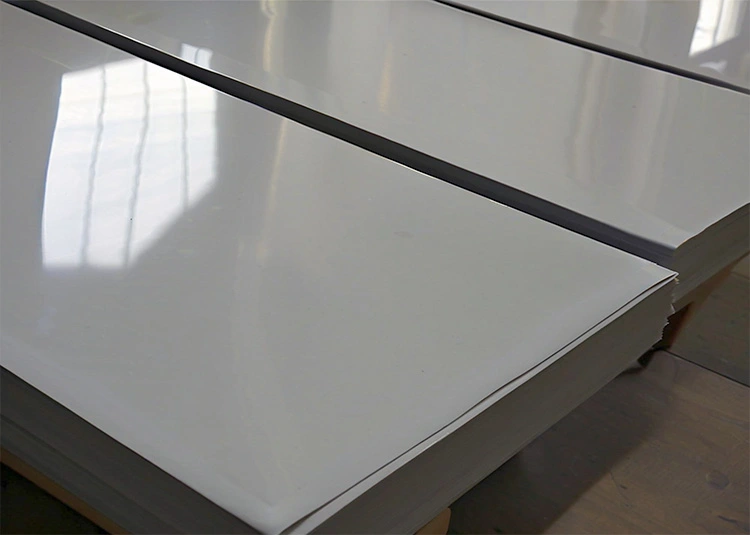
304 stainless steel is widely used for its mechanical properties, corrosion resistance, and affordability. Composed of 18% chromium and 8% nickel, it forms a rust-preventive oxide layer in moist environments. Its austenitic structure offers high ductility at low temperatures and withstands heat up to 870°C (1598°F). Commonly found in food processing, construction, and chemical containers, it is used in kitchen equipment, building facades, and industrial machinery. Its balance of performance and cost-effectiveness makes it a top choice across industries.
What is 18/8 Stainless Steel?
18/8 stainless steel is composed of 18% chromium and 8% nickel, providing excellent corrosion resistance and durability. The chromium prevents rust, while the nickel adds strength and flexibility. This makes 18/8 stainless steel ideal for kitchenware like cutlery and cookware, as well as food storage containers and household fixtures such as sinks and faucets. While technically the same as 304 stainless steel, the term 18/8 is more commonly used in consumer products.
Are 304 Stainless Steel and 18/8 the Same Thing?
Yes, 304 stainless steel and 18/8 stainless steel are essentially the same in terms of their composition and properties. Both terms refer to stainless steel containing 18% chromium and 8% nickel, but they are used in different contexts—304 in technical and industrial applications, and 18/8 in consumer products.
Why Are 304 and 18/8 Stainless Steel Named Differently?
While 304 stainless steel and 18/8 stainless steel share the same composition—18% chromium and 8% nickel—they are labeled differently to suit their specific markets. The term 18/8 is more prevalent in consumer products like cutlery, cookware, and kitchen appliances. This simplified naming helps consumers easily identify stainless steel products without needing to understand complex technical standards.
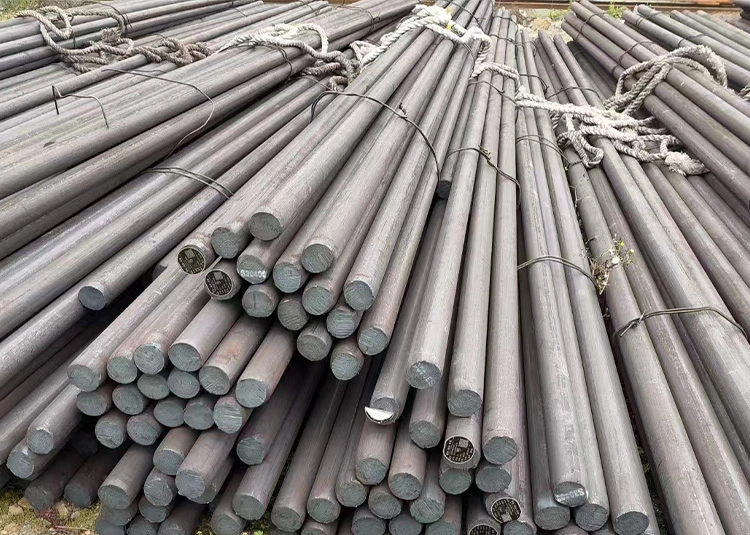
In contrast, 304 stainless steel is used in industrial and technical contexts, such as in construction materials, chemical containers, and machinery. This designation aligns with international standards like ASTM (American Society for Testing and Materials) and is more familiar to engineers and industry professionals.
What Are the Functional Similarities Between 304 and 18/8 Stainless Steel?
Both 304 and 18/8 stainless steel provide identical functional benefits because they have the same chemical composition. Here are the key similarities:
- Corrosion Resistance: Both form aprotective oxide layer due to the 18% chromium, making them highly resistant to rust, even in moist environments.
- Durability: The 8% nickelcontent enhances strength and flexibility, making both types highly durable and long-lasting.
- Heat Tolerance: They can withstand high temperatures, up to 870°C (1598°F), making them suitable for high-heat applications in both industrial and consumer products.
- Applications: Bothare used across a variety of industries, from food processing and kitchen equipment to construction and industrial machinery.
Despite the different labels, both materials are functionally equivalent, offering the same performance in any application.
When Should You Use 304 vs. 18/8 Stainless Steel?
The choice between using 304 or 18/8 stainless steel usually depends on the context in which you’re operating:
- For Industrial Use: Intechnical fields like manufacturing, construction, or machinery, you’ll encounter the term 304 stainless steel. This is the standard reference used in technical documentation, specifications, and international certifications.
- For Consumer Products: In everyday products like cookware, cutlery, and household fixtures, you’re more likely to see the term 18/8 stainless steel. This designation is easier for consumers to recognize and assures them of the product’s rust resistanceand durability.
Both names describe the same material, so choosing between 304 and 18/8 stainless steel simply depends on whether you’re working with technical specifications or consumer goods.
FAQs
Is 304 stainless steel the same as 18/10 stainless steel?
No, although both are very similar, 18/10 stainless steel contains 10% nickel compared to 8% in 304/18/8. This gives 18/10 slightly better corrosion resistance and a more polished shine. Both are widely used in kitchenware and other applications, but 304 is more commonly referred to in industrial contexts.
Which is better for industrial use: 304 or 18/8?
There’s no difference in performance since 304 and 18/8 have the same composition. However, 304 is the preferred term in industrial and technical documents as it conforms to international standards like ASTM. For technical specs, you’ll encounter 304 more frequently.
Is 18/8 stainless steel food-safe?
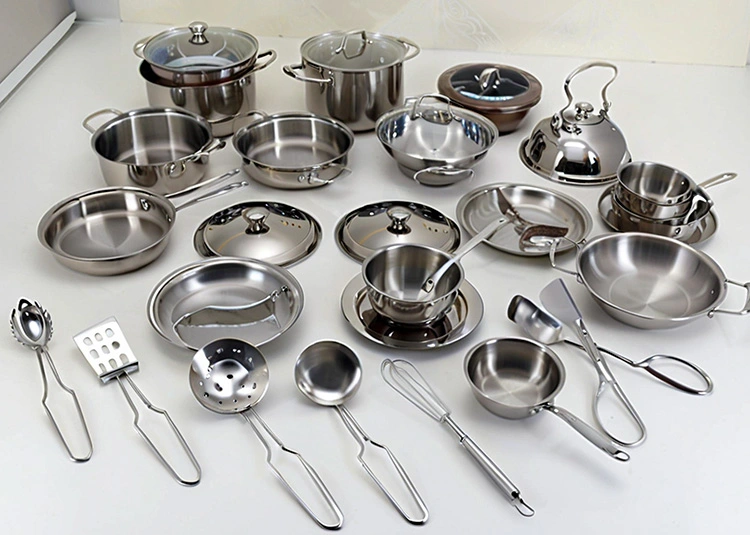
Yes, 18/8 stainless steel is highly food-safe and commonly used in the production of cutlery, cookware, and food storage containers. Its corrosion resistance ensures safety and durability in food preparation and storage, making it ideal for kitchen and restaurant use.
Can 304 stainless steel rust?
While 304 stainless steel is highly resistant to rust, it can still corrode under certain conditions, such as exposure to saltwater or chlorides over long periods. However, in most environments, the material’s protective oxide layer prevents rust and ensures longevity.
What are the key advantages of 304&18/8 stainless steel?
- Corrosion resistance: Its chromium content protects against rust.
- Durability: Nickel adds strength and flexibility, making it long-lasting.
- Heat resistance: It can withstand high temperatures up to 870°C (1598°F).
- Versatility: It’s used in everything from kitchen equipment to construction materials and industrial machinery.
Read More:
Understanding the Differences Between 304 and 316L Stainless Steel Plates
Does 304 Stainless Steel Bend Easily?
18-8 Stainless Steel – How to Choose the Best One for Manufacturing Needs?