
Introduction
Knowledge of Schedule 40 Vs Schedule 80 Steel Pipe makes it easier to select the most appropriate for projects. This blog also outlines their differences, thicknesses, pressure ratings, and uses.
It is important to be familiar with these parameters so as to avoid danger and be effective in what you are doing. Find out which pipe is more suitable for you here.
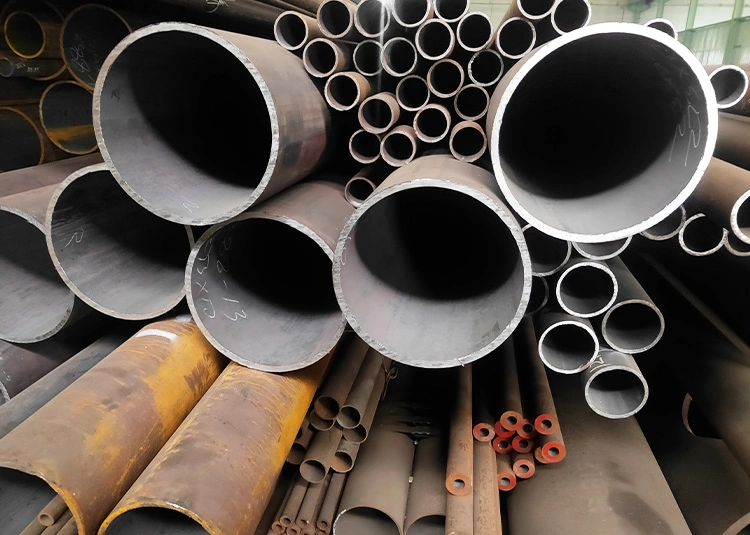
What Is Schedule 40 Steel Pipe?
The steel pipe commonly known as Schedule 40 has a thickness of 0.154″. This pipe has an ability to bear the pressure of 2000 PSI. Schedule 40 Vs Schedule 80 Steel Pipe are different.
Schedule 80 is thicker than that one and has a 0.218″ wall. They can withstand pressures of up to 3,000 PSI. Schedule 80 is useful in factories. Selecting pipes is a sensitive area because pipes need to be safe to operate with.
What Is Schedule 80 Steel Pipe?
Schedule 80 steel pipes are extremely durable. It has walls that are 0.322″ thick. This thickness enables pipes to withstand more pressure, up to 2000 PSI. Outside diameter is 2.375″.
SCH 80 pipes are used for the transportation of fluids under pressure. The pipes are thicker and stronger. They are well suitable for tasks that require highly robust and secure pipes.
How Do Schedule 40 and Schedule 80 Steel Pipes Differ in Wall Thickness?
Howdy, folks, what do you think of pipes? Some pipes are thick, and others are even thicker! It is rather entertaining to note the change. Come see how thick they are!
Wall Thickness
Steel pipes are available in different wall thickness. Schedule 40 Vs Schedule 80 Steel Pipe describes it. This has 0.237″ thick walls. That one measures 0.337″. It does make a big difference.
They are used in many applications. The thicker pipe is stronger. This matters for plumbing. A pipe gauge indicates these sizes.
Schedule Ratings
The pipes vary in their ratings. Schedule 40 supports standard pressure. What is schedule 40? This is usually up to about 150 PSI. That one, Schedule 80, can take more, up to 200 PSI. They are applied in different areas. The PSI rating is essential.
Nominal Size
There are pipes of different sizes. Schedule 40 Vs Schedule 80 Steel Pipe gives us an insight into this. PVC piping sizes measures from 0.5″ to 24″. It determines how they fit. That is why calipers measure them. Each size is suited for a particular task.
Pipe Strength
Pipes must be able to withstand some pressure. Schedule 40 Vs Schedule 80 Steel Pipe teaches us that. This one has less thickness in its walls compared to the first one.
1 sch 40 pipe dimensions is thicker and stronger. It is beneficial in that it can be used to transport bulky items. They have different uses. Engineers check it. They ensure that the environment is secure.
Material Grade
Pipes use different materials. Schedule 40 Vs Schedule 80 Steel Pipe provides information about this. This one uses ASTM A53. Thickness of schedule 40 pipe uses ASTM A106. Different grades matter. It determines how long they will last. These grades are looked at by inspectors.
Pressure Class
Pipes handle pressure. Schedule 40 Vs Schedule 80 Steel Pipe sheds some light on this. This one can take 150 PSI. Schedule 40 vs 80 steel pipe thickness can take up to 200 PSI.
The pressure class ensures that they do not crack. This is why ratings matter. Engineers consider PSI ratings.
Diameter Variations
Pipes are available in various sizes in terms of diameter. It is well illustrated in Schedule 40 Vs Schedule 80 Steel Pipe. This one starts at 0.5″. The one can be as large as 24″.
1 schedule 40 pipe dimensions need to match. This is because the size determines its efficiency in functioning. A micrometer measures them.
Structural Integrity
Pipes must be strong. Schedule 40 Vs Schedule 80 Steel Pipe can help with this. This one has less wall thickness. Schedule 80 steel pipe is thicker and stronger. They have different jobs. Engineers check the integrity. This ensures that they are durable.
Pipe Density
Pipes have different densities. Schedule 40 Vs Schedule 80 Steel Pipe illustrates this well. This one is lighter. Sch 80 pipe is denser and also heavier. It influences their usage. The density is important. It’s crucial for support. They must be strong. Scales measure the density.
What are the Pressure Ratings for Schedule 40 vs Schedule 80 Steel Pipe?
Pipes handle pressure. This one is tough. Here is the next one and it is going to be even more difficult! Asking how much they can take? Let’s check!
Pressure Limits
The pressure that is exerted by the pipes is of great significance. Schedule 40 Vs Schedule 80 Steel Pipe demonstrates how pipes are manufactured to withstand pressure. It has a PSI limit of 400.
Schedule 40 pipe thickness steel is less. In particular, this pipe’s pressure rating is important. The wall of the Schedule 80, in contrast, is thicker and can carry up to 600 PSI. That makes it stronger.
These are used in many projects. It is also clearly seen that the pipe diameter affects the pressure. These types are commonly employed in piping systems. Schedule 40 is appropriate for less demanding projects. Schedule 80 meets high-pressure requirements. Decision on usage depends on the type of gauges.
Burst Pressure
Burst pressure simply means how much pressure a pipe can carry before it bursts. Schedule 40 Vs Schedule 80 Steel Pipe also has different burst limits. The maximum permissible operating pressure for Schedule 40 is 2,400 PSI. Schedule 80 steel pipe thickness is more.
This burst pressure is also greater in Schedule 80 which stands at 3,200 PSI. The fact that the walls of this are thicker helps it in this regard. That makes it safer under pressure.
They cannot ignore the measurement of diameter as well. The pipe must be suitable for the requirements of the project at hand. These pipes are suitable for many applications.
The strength of the steel determines the number of bursts. Schedule 80 is used for more rigorous applications.
Operating Pressure
Operating pressure, therefore, is what a pipe faces on a daily basis. Schedule 40 Vs Schedule 80 Steel Pipe has different pressure capabilities.
For Schedule 40, it has the capability to manage 200 PSI. Schedule 80 galvanized steel pipe is stronger. This type of pipe is frequently used. The Schedule 80 deals with 300 PSI. That means stronger operations. They must also determine how big it is. This means that the thick one would be more suitable to do the heavy work. Projects select based on the operational constraints. Most important for me is the quality of steel. Schedule 40 is created for lower pressure applications. Schedule 80 is better in handling more pressure.
Maximum Pressure
The maximum pressure is the maximum allowable pressure in pipes. This is evident from Schedule 40 Vs Schedule 80 Steel Pipe. For Schedule 40, it has a pressure rating of up to 400 PSI.
Schedule 80 pipe vs schedule 40 differs. This limit is higher in Schedule 80 for 600 PSI. The thickness helps. That gives it more working capacity. On needs do they select.
The diameter plays a part in the decision. These pipes are used extensively in projects. Heavier frames entail more load-bearing capacity and thus higher maximums. Schedule 40 works for less. Schedule 80 is for higher demand.
Load Capacity
Load carrying capacity refers to how much load a pipe allows. The load carrying capacity of Schedule 40 Vs Schedule 80 Steel Pipe is an important factor. It holds 1,500 pounds for SCH 40.
1 1/2 sch 40 pipe dimensions matter. This is less than Schedule 80 which can carry 2000 pounds. The thicker walls help. That makes it stronger. They use these for different purposes.
The diameter of the pipe also affects the load. The materials must be strong. The next aspect that was considered while designing the bicycle was the strength of the materials that would be used in the construction of the bicycle. Schedule 40 is for the lower loads. Schedule 80 bears higher loads. The load capacity is relevant with regard to choices.
Pipe Standards
Pipe standards refer to the guidelines which they have to adhere to. In terms of standards, schedule 40 vs schedule 80 steel pipe differs from one another. It follows ASTM standards. This ensures quality.
The Schedule 80 pipe also maintains certain standards, similar to ASTM A53. Schedule 80 union is reliable. That makes it reliable. It should conform to the code of the industry it is in.
The standards guarantee safety. There are pipes that are used for different purposes. Pipe diameter and wall thickness are important factors that must be considered. Schedule 40 is reasonable and adequate.
Schedule 80 is more superior in performing tasks that are more challenging. Standards ensure proper use.
Pressure Class
Pressure class indicates the manner in which a pipe deals with pressure. Schedule 40 Vs Schedule 80 Steel Pipe classes are quite different from one another. It is designed to accommodate a pressure class of 150 PSI for Schedule 40. Schedule 80 galvanized pipe is thicker.
This class is higher for Schedule 80, with 300 PSI. This is enhanced by the thicker walls. That provides higher safety. They choose based on the needs of classes. The pipe’s diameter is important as well.
Projects require specific classes. Classification rates are affected by the type of steel. General use is afforded by schedule 40. Schedule 80 applies to higher classes.
Fluid Dynamics
Fluid dynamics is the way that liquids behave in conduits. This movement is influenced by Schedule 40 Vs Schedule 80 Steel Pipe. It changes flow rate for Schedule 40. Schedule 160 pipe thickness is thicker.
This is especially the case in fluid dynamics. The Schedule 80’s thicker walls do this as well, which in turn means different flow rates. They must consider diameter.
Thus, the flow of pipe depends on the size of the pipe. These pipes are used in many systems. Pressure impacts fluid movement. Schedule 40 is suitable for the lower flow. Schedule 80 can accommodate greater amounts of fluid flow. Fluid dynamics are key.
Safety Margin
Safety margin is the additional strength of a pipe. Schedule 40 Vs Schedule 80 Steel Pipe safety is different. Schedule 40 has a safety margin of 1.5. Schedule 80 pipe thickness steel is greater. This margin is higher in Schedule 80, with 2.0. The thicker walls help. That ensures safety.
They make calculations based on requirements. The diameter of the pipe and the pipe strength are important factors. Projects need safe pipes. Standards set safety margins.
Schedule 40 is intended for less important applications. Schedule 80 offers more safety as compared to Schedule 40. Safety margins are essential.
What Are The Common Sizes Available For Schedule 40 And Schedule 80 Steel Pipes?
They range in size as well. Some of them are minor while others are severe. Wow, it makes me happy seeing a change in size. Now, let’s see what sizes are normal, right?
- ½ Inch: The ½ inch Schedule 40 and Schedule 80 steel pipe are not the same. Schedule steel has a 0.109″ wall thickness. Schedule 80 has a wall thickness of 0.147″. NPS and OD continue to be the same. This makes Schedule 80 stronger. They are used in high pressure systems. The ID is different and impacts flow. It assists in comprehending why they are applied in different ways.
- ¾ Inch: This is a ¾ inch steel pipe but the schedule may differ. Schedule 40 pipe has a wall thickness of 0.113″. Schedule 80 has a wall thickness of 0.154″. Define pipe schedule in simple terms. The OD is the same but Schedule 80 has greater strength. They use it for higher pressures. The ID varies and describes the amount of the flow of the liquid. This assists us in arriving at the appropriate pipe.
- 1 Inch: In 1″ pipes, the thickness of the wall is different. Schedule 40 is a pipe with 0.133 inch wall. Thickness of schedule 80 pipe is more. Schedule 80 comes with 0.179″ wall thickness. OD stays the same. It is sturdier and can bear a lot more force. It has different IDs, which alters the rhythm. This is why we compare them. The NPS is used for selection. It is of significance in many applications.
- 1¼ Inch: The 1¼ inch pipe differs in thickness. Schedule 40 has a 0.140″ wall thickness. Schedule 80 has a wall thickness of 0.191″. OD remains constant. PVC sch 40 vs 80 is discussed. It’s for higher pressure. They are different in IDs hence creating a problem with fluid. This detail is useful in the process of selection. That is why they utilize Schedule 80 in challenging areas.
- 1½ Inch: This 1½ inch pipe illustrates variation in the pipe wall. Schedule 40 comes with a wall thickness of approximately 0.145″. It is thicker in Schedule 80 at 0.200″. OD doesn’t change. This affects strength. It shows that they differ in pressure handling. Is schedule 80 thicker than 40? Yes, it is. ID changes, which leads to alterations in flow. NPS is critical. It matters in high pressure.
- 2 Inches: There are differences in wall thickness of the 2″ pipe. Schedule 40 has thickness of 0.154″. This increases to 0.218 inch in Schedule 80. Sch 80 coupling is important here. OD is the same.It makes Schedule 80 stronger. They use it for highly pressurized positions. A change occurs in the size of the ID which impacts the flow rate. This directs us to choose right in the case of NPS.
- 3 Inches: For 3″ pipes, the wall thickness is not constant. Schedule 40 has a wall thickness of 0.216″. Schedule 80 has a wall thickness of 0.300″. Schedule 80 steel pipe wall thickness varies. OD stays constant. It’s stronger for pressure. They differ in ID and thus, flow. NPS is fundamental to choice. It’s about having choices.
- 4 Inches: The 4″ pipe shows thickness variation. Schedule 40 pipe has a 0.237″ wall thickness. Schedule 80 has a wall thickness of 0.337″. OD remains the same. 4 sch 80 pipe dimensions are known. It is sturdier for higher pressure. They differ in ID which influences the flow. NPS guides us.
- 6 Inches: The 6″ pipe refers to the schedule. Schedule 40 has a wall thickness of 0.280″. Schedule 80 wall thickness is 0.432″. What is sch 80 pipe? It is thicker. OD stays the same. It is stronger and used in high pressure. They are different in ID and hence determine the flow of the fluid. NPS is needed for decision making.
- 8 Inches: This 8″ pipe has wall differences. Schedule 40 has a wall that is 0.322 inch thick. This increases in Schedule 80 to 0.500″. OD is constant. It is stronger and used for the pressure jobs. 1/2 sch 40 pipe dimensions vary. They differ in ID which results in flow. NPS helps in choosing.
| Pipe Size (Inches) | Schedule 40 Thickness (in) | Schedule 80 Thickness (in) | Schedule 40 Weight (lbs/ft) | Schedule 80 Weight (lbs/ft) | Internal Diameter – Sch 40 (in) | Internal Diameter – Sch 80 (in) |
| ½ | 0.109 | 0.147 | 0.85 | 1.09 | 0.622 | 0.546 |
| ¾ | 0.113 | 0.154 | 1.13 | 1.47 | 0.824 | 0.742 |
| 1 | 0.133 | 0.179 | 1.68 | 2.17 | 1.049 | 0.957 |
| 1¼ | 0.140 | 0.191 | 2.27 | 2.90 | 1.380 | 1.278 |
| 1½ | 0.145 | 0.200 | 2.72 | 3.63 | 1.610 | 1.500 |
| 2 | 0.154 | 0.218 | 3.65 | 5.02 | 2.067 | 1.939 |
| 3 | 0.216 | 0.300 | 7.58 | 10.25 | 3.068 | 2.900 |
| 4 | 0.237 | 0.337 | 10.79 | 14.98 | 4.026 | 3.826 |
| 6 | 0.280 | 0.432 | 18.97 | 27.99 | 6.065 | 5.761 |
| 8 | 0.322 | 0.500 | 28.57 | 41.49 | 7.981 | 7.625 |
Table on the Common Sizes Available For Schedule 40 And Schedule 80 Steel Pipes!
How Do Schedule 40 and Schedule 80 Compare in Terms of Weight?
Some pipes are heavy. Others are light. This makes a difference. If you want to see how weight matters. Now let’s find out how they are similar!
Weight Per Foot
The sizes of steel pipes vary greatly. Schedule 40 Vs Schedule 80 Steel Pipe indicates that it has different weights. This weighs 2.7 lbs/ft. The wall thickness of the pipe is 0.154″.
A schedule 80 to schedule 40 adapter helps. That pipe, Schedule 80, has a weight of 3.66 lbs per foot. Each type is different. Knowing weights helps.
Pipe Mass
We have the heavy pipes and the light pipes. Schedule 40 Vs Schedule 80 Steel Pipe gives us more information. This one, Schedule 40, is 2.07 kg/m. The pipe’s diameter matters.
We measure 6in sch 40 pipe dimensions. It affects the mass. That one, Schedule 80, is 2.44 kg/m. Each type has uses.
Density Differences
Pipes are different in terms of density. Schedule 40 Vs Schedule 80 Steel Pipe explains this. The density is 7.85 g/cm³. We check 3.5 sch 80 pipe dimensions.
That one, Schedule 80, is denser. Pipe wall thickness has an influence on density. Knowing density helps. Steel is a metal that is very dense and has a high tensile strength.
Material Weight
There are various weights of steel pipes. Schedule 40 Vs Schedule 80 Steel Pipe shows us this. This one, Schedule 40, is 2.5 kg/m. Schedule 80 pipe is thicker than Schedule 40 and has a density of 3.1 kg/m. Pipe wall thickness schedule 80 matters. Each type is unique.
Handling Weight
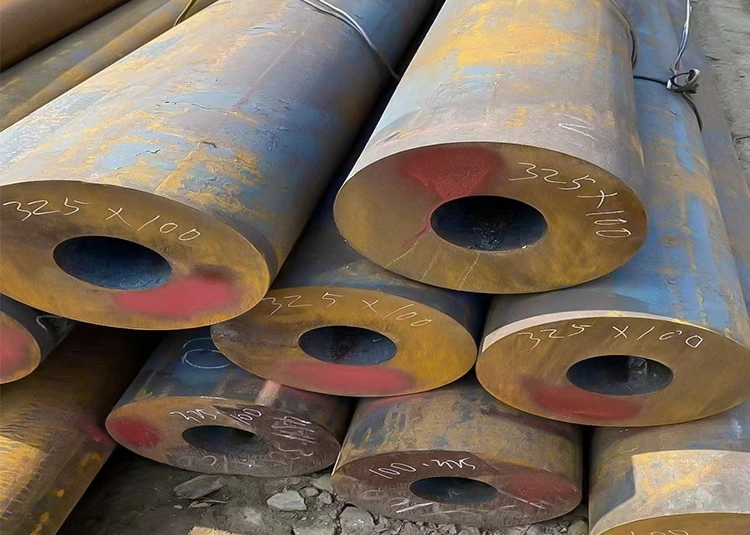
Moving pipes needs strength. Schedule 40 Vs Schedule 80 Steel Pipe illustrates differences in handling. This one is called Schedule 40 and it is lighter. It’s easier to move. Schedule 80 is heavier than that one. The thickness matters. The difference between sch 40 and 80 helps. Handling needs care.
Transportation Load
Trucks carry pipes. Schedule 40 Vs Schedule 80 Steel Pipe discusses loads. This one, Schedule 40, is 2.1 lbs/ft. It’s easier to transport. Schedule 80 is 3.0 lbs/ft. The pipe is thicker. They need strong trucks. We check schedule 40 wall thickness. Knowing loads helps.
Structural Weight
Buildings need strong pipes. Schedule 40 Vs Schedule 80 Steel Pipe indicates structural weight. This one, Schedule 40, is 2.5 kg/m. The thicker pipe, Schedule 80 is 3.2 kg/m. They are stronger. Schedule 40 steel pipe thickness matters. Having weights means we are in a position to build safely.
Load-Bearing
Pipes hold weight. Schedule 40 Vs Schedule 80 Steel Pipe illustrates load-bearing distinctions. This one, Schedule 40, is thinner. It supports less. The pipe that is thicker is Schedule 80 which supports more. Schedule 40 pipe thickness in mm helps. Knowing load helps.
Installation Weight
Installing pipes takes effort. Schedule 40 Vs Schedule 80 Steel Pipe shows us that. This one, Schedule 40, is 2.5 kg/m. The thicker one, Schedule 80, is 3.3 kg/m. We measure sch 80 steel pipe dimensions. They need more effort. Knowing weight helps plan.
How Do Schedule 40 and Schedule 80 Steel Pipes Compare in Corrosion Resistance?
Pipes can rust! Some rust fast. Others rust slowly. It’s important to know which ones remain unbroken. I wonder how they do not rust!
Material Coating
Coatings help pipes. Schedule 40 Vs Schedule 80 Steel Pipe reveals different coatings. Sch 80 pipe dimensions vary greatly. It has epoxy, zinc, and PE. This stops rust. They are 0.5 mm in thickness. Schedule 40’s coat is thinner. That makes Schedule 80’s thicker coat stronger.
Oxidation Resistance
Pipes resist rust. Schedule 40 Vs Schedule 80 Steel Pipe are different. Steel pipe schedule 40 vs 80 differ much. Schedule 80 pipe is thicker than Schedule 40 pipe. That gives it better rust defense. Each pipe is unique.
Galvanization
Pipes get galvanized. Schedule 40 Vs Schedule 80 Steel Pipe illustrates zinc coating. 4 inch sch 80 pipe fits here. It uses hot-dip. This adds zinc. They are 10 μm in thickness. The coat stops rust. The outer layer in Schedule 80 is thicker. That is useful in areas where it is wet.
Rust Prevention
Pipes prevent rust. Schedule 40 Vs Schedule 80 Steel Pipe employs the use of coatings. Schedule 40 steel pipe dimensions matter. They follow ASTM A123. Schedule 80 is thicker. That helps stop rust. This makes it suitable for hard places. Each type is useful.
Corrosion Rate
Pipes corrode differently. Schedule 40 Vs Schedule 80 Steel Pipe is proof against corrosion. Sch40 pipe dimensions are important. They measure with ASTM G31. The Schedule 80 pipe is better. This lasts longer. The coat of each pipe is unique. That helps in different places.
Protective Layers
Layers protect pipes. Schedule 40 Vs Schedule 80 Steel Pipe has many layers. Sch 40 pipe dimensions steel differs. It makes use of epoxy, zinc, and PE. This adds strength. Schedule 80 pipe has more layers compared to the schedule 40 pipe.
Corrosion Lifespan
Pipes last different times. Schedule 40 Vs Schedule 80 Steel Pipe has dissimilar lifetime. Schedule 40 steel pipe wall thickness affects this. They test with ASTM D610. The Schedule 80 pipe lasts longer. This is advantageous in difficult situations. Each type is useful.
Application Environment
Pipes work in places. Schedule 40 Vs Schedule 80 Steel Pipe serves various areas. Schedule 80 vs 40 differences matter. They use epoxy, zinc, and PE. The Schedule 80 pipe is for harsh areas. This helps it last. Every kind suits somewhere.
Maintenance Frequency
Pipes need care. Schedule 40 Vs Schedule 80 Steel Pipe requires different measures. Sch40 vs sch80 both need it. They follow ASTM F1980. Schedule 80 pipe requires less maintenance. This saves money.
Corrosion Control
Pipes stop rust. Schedule 40 Vs Schedule 80 Steel Pipe comes with certain special coatings. Is schedule 40 or 80 thicker often asked? They follow ASTM G59. Schedule 80 pipe is better. This lasts long. That assists in various areas.
Temperature and Stress Limits for Schedule 40 vs Schedule 80 Steel Pipes!
Pipes get very hot! Some handle more heat. Others handle more stress. This makes them strong. Now let’s find out which of them are difficult!
Max Temperature
This pipe gets hot, up to 800°F. It is made of carbon steel. Schedule 40 vs 80 steel pipe is important because one of them is thinner. They handle heat differently. The other is thicker.
Because of its thickness, it is stronger. This makes Schedule 80 better for hot water. It’s used in buildings. They prevent the contamination of plumbing systems. The pipes are durable and possess a longer life span.
Thermal Rating
This pipe is used with heat ranging from 400°F to 1200°F. It is constructed from alloy steel. Schedule 40 vs 80 has a difference in heat handling capacity. They use K-value for heat transfer.
One pipe has lower rating/Degree. The other has a higher rating. It is used in factories. They manage heat well. The pipes are also strong and safe to use.
Temperature Tolerance
This pipe withstands temperature range of 300°F – 1500°F. It is constructed from stainless steel grade. Difference between schedule 40 and 80 concerns the tolerance.
They use BTU in the measurement of heat. One pipe is less tolerant. The other is more tolerant. It is used in chemical plants. They require pipes that cannot be affected by heat. The pipes keep systems secure.
Heat Resistance
This pipe withstands heat up to 1400°F. It is constructed of galvanized steel. Sch 40 pipe dimensions indicate such resistance differences. They use R-value to quantify it.
One pipe has less ability to withstand heat. The other resists more. It is used in heating ventilation and air conditioning systems. They need reliable pipes. They maintain systems in good condition.
Operating Temperature
This pipe works from -20°F to 1300°F. It is made from ductile iron. What is schedule 80 pipe illustrates the different temperature uses. They use Fahrenheit in measuring it. One pipe operates in comparatively lower temperatures. The other operates in extreme temperatures. It is used in refineries. The pipes are required and robust.
Thermal Stress
This pipe undergoes stress up to 1600 psi. It is cast iron in making. Schedule 40 and 80 is concerned with various stress levels. They use psi for pressure. One pipe endures less stress. The other endures more. It is used in gas pipelines. The pipes withstand high pressure.
Temperature Impact
This pipe also resists heat up to temperatures of about 1800°F. It is constructed of wrought iron. Pipe schedule 40 vs 80 reveals various effects. They use K-value for assessment. Thus, one pipe is less resistant. The other is more stable and sustainable. Its use is in power plants. They handle extreme heat.
Heat Dissipation
This pipe has heat dissipation capacity up to 200 BTU. It’s made of copper. Schedule 40 pipe vs schedule 80 differs in cooling. They use BTU to measure it. One pipe carries a lesser amount of heat, but the other carries more. Its use is in refrigeration. These pipes help to prevent systems from overheating.
Thermal Capacity
This pipe stores heat of up to 500 J and is made of bronze. Schedule 40 versus 80 illustrates the difference in carrying capacity. They use J to measure energy. The first pipe contains less heat. The other holds more. It is used in solar panels. The pipes store more heat.
Stress Tolerance
This pipe endures stress as much as 2200 psi. It’s made of aluminum. The tolerance of schedule 40 vs 80 steel pipe is also different. They use psi for pressure. One pipe withstands less stress. The other tolerates more. Its use is in aerospace. They withstand high stress.
Load Capacity
This pipe can transport up to 3000 lb. It’s made of titanium. Difference between sch 40 and sch 80 differs in bearing loads. They use lb to measure weight. One pipe carries less. The other carries more. It is used in construction. They support heavy loads.
Yield Strength
This pipe is capable of handling up to 50 ksi. It’s made of nickel. Schedule 40 stainless steel pipe dimensions come with various characteristics. They use ksi to measure it. One pipe has less density as compared to the other. The other has higher strength. Its use is in bridges. They endure high stress.
Conclusion
Schedule 40 Vs Schedule 80 Steel Pipe should be chosen based on your specific requirements in your project. Both are different and have specific characteristics and applications. For more information on steel pipes and our services, visit our website at ALLOYXPERT.
Read More:
Schedule 20 Vs. Schedule 40 – The Key Differences You Must Know!
Schedule 40 Steel Pipe – How to Choose the Best One?
Comprehensive Guide to Schedule 10 Steel Pipe: Dimensions, Thickness, and Applications