
Introduction
Stainless steel (SS) and mild steel (MS) are two of the most commonly used materials in various industries, each offering distinct properties that make them suitable for different applications. Whether you’re working in construction, automotive, or manufacturing, understanding the differences between these two types of steel is crucial for selecting the right material for your project. In this article, we’ll explore what SS and MS are, highlight their key differences, and provide insights into when to choose one over the other based on factors such as corrosion resistance, strength, cost, and more.
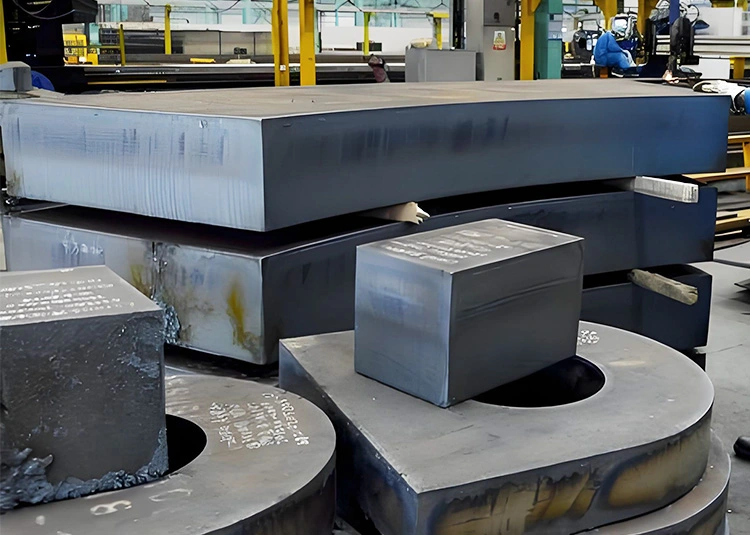
What Is Stainless Steel (SS)?
Stainless steel (SS) is a corrosion-resistant alloy made primarily of iron, chromium, and often nickel. Its defining characteristic is its ability to resist rust and staining due to the presence of at least 10.5% chromium, which forms a protective oxide layer on the surface. Stainless steel is known for its strength, durability, and low maintenance, making it ideal for applications in harsh environments, such as kitchens, medical equipment, and marine settings. Common grades include 304 and 316, each offering different levels of corrosion resistance and strength.
What Is Mild Steel (MS)?
Mild steel (MS), also known as low carbon steel, is a type of steel that contains a small percentage of carbon (typically less than 0.25%). This low carbon content makes it more malleable and easier to weld compared to other types of steel. Mild steel is known for its affordability, high tensile strength, and versatility, making it a popular choice for construction, manufacturing, and automotive industries. However, it lacks the corrosion resistance of stainless steel, making it prone to rust if not properly protected.

8 Key Differences Between Stainless Steel and Mild Steel
While both stainless steel and mild steel are widely used in various industries, they differ in several important aspects. Understanding these differences will help you make the right material choice for your specific needs. Below are the eight key factors that set stainless steel and mild steel apart:
Corrosion Resistance
Stainless steel offers excellent corrosion resistance due to its chromium content, which forms a protective layer that prevents rust. Mild steel, on the other hand, lacks this protective layer and is prone to rust and corrosion unless coated or treated.
Strength and Durability
Stainless steel generally has higher tensile strength and durability than mild steel, making it suitable for demanding environments and heavy-duty applications. Mild steel, while strong, is not as durable in corrosive environments and may require regular maintenance to extend its lifespan.
Cost
Mild steel is much more affordable than stainless steel, making it a cost-effective option for large-scale projects where corrosion resistance is not a primary concern. Stainless steel, due to its composition and superior properties, is significantly more expensive but offers long-term savings due to its durability and low maintenance requirements.
Weldability and Workability

Mild steel is easier to weld and work with due to its lower carbon content, making it highly malleable and suitable for a wide range of fabrication processes. Stainless steel is more challenging to weld and requires special techniques due to its higher strength and melting point.
Magnetic Properties
Mild steel is typically magnetic because of its high iron content. Stainless steel can be either magnetic or non-magnetic, depending on its specific grade. Austenitic stainless steels (like 304 and 316) are generally non-magnetic, while ferritic and martensitic stainless steels are magnetic.
Heat Resistance
Stainless steel can withstand higher temperatures and is more resistant to heat than mild steel, making it a better choice for high-temperature environments. Mild steel may lose strength at elevated temperatures and is less resistant to heat deformation.
Aesthetic Appeal
Stainless steel has a naturally polished and shiny appearance, making it ideal for aesthetic applications such as kitchen appliances, architectural elements, and decorative uses. Mild steel, unless painted or coated, tends to rust and does not have the same visual appeal.
Maintenance and Longevity
Stainless steel requires little to no maintenance due to its corrosion resistance and durability, which ensures a long lifespan. Mild steel, however, requires regular maintenance, such as painting or galvanizing, to protect it from rust and extend its service life.
What Are the Applications of Stainless Steel and Mild Steel?
Both stainless steel and mild steel are used across various industries, with their applications depending on factors such as corrosion resistance, strength, and cost.
Applications of Stainless Steel
Stainless steel is ideal for environments requiring corrosion resistance and strength. Common uses include:
- Food Industry: Kitchen appliances, food processing equipment.
- Medical Field: Surgical instruments, medical devices.
- Construction: Cladding, roofing, structural components.
- Automotive and Aerospace: Exhaust systems, engine parts.
- Marine: Boats, offshore platforms.
Applications of Mild Steel
Mild steel is favored for its cost-effectiveness and ease of fabrication. Common uses include:

- Construction: Building frames, rebar, bridges.
- Automotive: Body panels, chassis.
- Pipelines: Water and gas pipelines, structural tubing.
- Machinery: Industrial equipment and tools.
- Furniture: Chairs, tables, basic appliances.
When to Choose Stainless Steel Over Mild Steel?
Choose stainless steel when corrosion resistance is crucial, especially in environments exposed to moisture, chemicals, or heat. It’s ideal for applications like kitchen appliances, medical devices, and marine or outdoor structures where durability and a polished appearance are important.
Mild steel, on the other hand, is better suited for cost-effective projects in non-corrosive environments. It’s commonly used in construction, automotive parts, and machinery where strength and flexibility are needed, and the risk of rust is low.
Conclusion
Both stainless steel and mild steel have their unique strengths, making them suitable for different applications. Stainless steel stands out for its corrosion resistance, durability, and aesthetic appeal, making it ideal for harsh environments and visually prominent uses. Mild steel, with its affordability and ease of fabrication, is perfect for large-scale projects where cost and flexibility are the main concerns. Understanding the key differences between these materials will help you make the right choice based on your project’s specific needs.
FAQs
What is the main difference between stainless steel and mild steel?
The main difference lies in corrosion resistance. Stainless steel contains chromium, which provides protection against rust and corrosion, while mild steel is more prone to rust unless treated or coated.
Is stainless steel stronger than mild steel?
Yes, stainless steel generally has higher tensile strength and is more durable, especially in corrosive or high-temperature environments, compared to mild steel.
Which steel is more cost-effective for large projects?
Mild steel is more affordable than stainless steel, making it a better choice for large-scale projects where corrosion resistance is not a priority.
Can mild steel be used outdoors?
Mild steel can be used outdoors but requires protective coatings such as paint or galvanization to prevent rust and corrosion.
Is stainless steel magnetic?
It depends on the grade. Some stainless steels, like 304, are non-magnetic, while others, like 430, can be magnetic.
Read More:
How To Test Mild Steel Strength Strategies Explained!