
Introduction
Learn how its superior corrosion resistance makes it indispensable in propellers, pumps, containers, bridges, oil and gas extraction, and marine engineering. Dive into the fascinating applications of stainless steel in coastal and offshore settings. Seawater is highly corrosive, and equipment that is submerged in seawater for long periods must have anti-corrosion properties. Here, the superiority of stainless steel’s corrosion resistance is evident.
Propellers
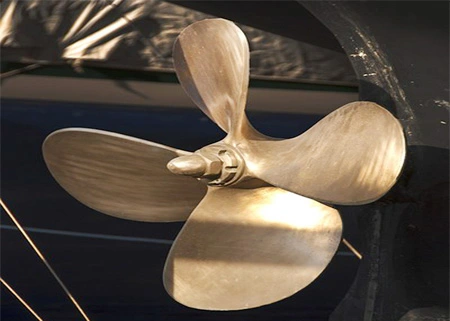
Propellers on various types of ships can be made from cast stainless steel CF-8 (equivalent to 304 stainless steel). With the development of modern stainless steel technology, duplex austenitic-ferritic stainless steel 20Cr-8Ni-3.5Mo is now being used to cast large propellers (weighing up to 3000kg) for ocean-going vessels. Ships working frequently in ports are particularly prone to damage from logs or other floating objects on the sea surface, accelerating propeller wear. Therefore, using austenitic stainless steel for propellers allows for repairs through straightening or welding.
Centrifugal Pumps
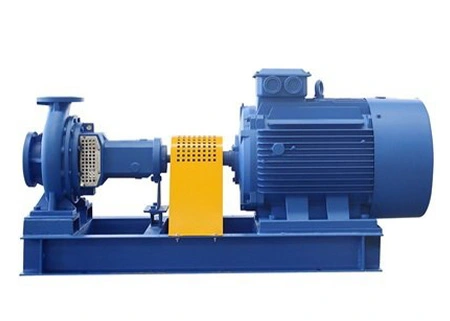
It has long been observed that centrifugal pumps operating under seawater conditions display considerable reliability when made from stainless steel components. In flowing seawater, using CF-8M cast stainless steel impellers (equivalent to 316 stainless steel) and 316 stainless steel shafts results in problem-free operation. However, when the pump stops, crevice and pitting corrosion can become severe issues. If a thick-walled cast iron pump casing is used instead, the cast iron can provide cathodic protection during downtime. While the pump is operational, the cast iron casing’s cathodic protection helps polarize the stainless steel, and flowing water maintains this protection. Additionally, pumps that operate for extended periods and occasionally switch from seawater to freshwater can benefit from this protective effect.
Various Containers
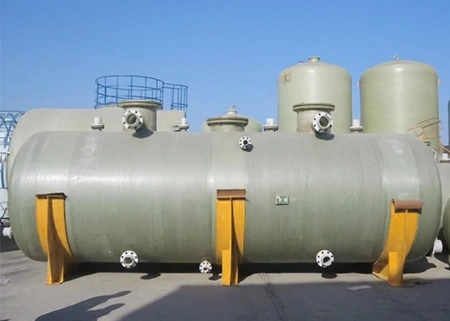
Stainless steel has long been used for cargo containers, carrying liquefied natural gas (LNG), chemicals, beverages, and more. Containers for transporting LNG typically use 304L stainless steel, not primarily for corrosion resistance but for its mechanical properties at low temperatures.
Bridge Structures
In coastal areas, bridge structures also face seawater corrosion. To extend their lifespan, critical parts of bridges, such as piers and towers, are increasingly made from stainless steel. Austenitic stainless steel, with its excellent corrosion resistance and high strength, has become the preferred material in bridge engineering. Particularly, duplex stainless steel (e.g., type 2205) demonstrates higher resistance to stress corrosion cracking and pitting in seawater environments, ensuring the safety and stability of bridge structures.
Oil and Gas Industry
Marine oil and gas extraction equipment also relies heavily on stainless steel materials. Due to the complex marine environment, the equipment must withstand high pressure, strong corrosion, and harsh weather conditions. Stainless steel materials not only resist corrosion but also possess excellent mechanical properties, maintaining stability under extreme conditions. Super austenitic stainless steels and duplex stainless steels are especially used in deep-sea drilling platforms to significantly improve the lifespan and reliability of the equipment.
Marine Engineering
Marine engineering includes submarine cables, offshore platforms, and marine pipelines, where stainless steel applications are becoming more widespread. For instance, the outer sheaths of submarine cables use type 316L stainless steel to effectively prevent corrosion by seawater and marine organisms. In offshore platform structures, stainless steel materials are used for key connectors and support structures, ensuring long-term stable operation of the platforms.
Related Article: How To Determine The Suitable Stainless Steel Grade For Marine Environment?
Conclusion
The applications of stainless steel in marine environments are not limited to the aforementioned areas. With continuous technological advancements and developments in material science, the scope of stainless steel applications will continue to expand. Its superior corrosion resistance, mechanical properties, and processing performance make it an indispensable material in marine engineering.