
What Are Corrosion Resistant Alloys (CRAs)?
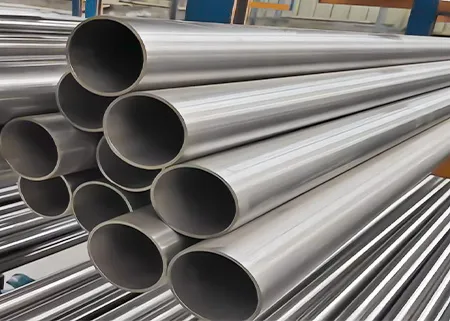
Corrosion-resistant alloys (CRAs) are engineered metals designed to resist oxidation and chemical reactions. Stainless steels, often recognized as rust-proof steel, are among the most widely used CRAs due to their ability to resist mild to moderate levels of corrosion. They contain chromium as a key component, which forms a passive chromium oxide layer on the surface, protecting the underlying metal from further oxidation and corrosion.
What Are the Different Types of CRAs and Their Uses?
· Stainless Steels
Composition: Stainless steels are iron-based alloys with a high chromium content (10.5% or more), which forms a passive layer of chromium oxide that prevents surface corrosion.
Mechanical Properties: They have high tensile strength and toughness at a wide range of temperatures. Common grades include 304 and 316 stainless steel.
Applications: Due to their excellent resistance to rust and staining, they are widely used in the chemical processing, food, and medical industries, as well as for household items and construction materials.
· Nickel-Based Alloys
Composition: These alloys typically contain over 50% nickel, with additions of chromium, molybdenum, and other elements to enhance their properties.
Mechanical Properties: Known for their ability to maintain strength and corrosion resistance at high temperatures. Examples include Inconel, Hastelloy, and Monel.
Applications: Essential in industries such as aerospace, power generation, and marine applications where extreme temperatures and corrosive environments are prevalent.
· Titanium Alloys
Composition: Titanium alloys are made primarily of titanium, with other elements like aluminum and vanadium to improve strength and formability.
Mechanical Properties: They offer a high strength-to-weight ratio, excellent corrosion resistance, and good fatigue strength. Common grades include Ti-6Al-4V.
Applications: Extensively used in the marine, medical, and aerospace sectors, particularly in environments exposed to saltwater or bodily fluids.
· Copper-Based Alloys
Composition: These alloys include a mixture of copper with other elements such as tin (bronze) and zinc (brass).
Mechanical Properties: They provide good corrosion resistance, high thermal and electrical conductivity, and antimicrobial properties.
Applications: Ideal for marine applications, plumbing, and electrical components due to their resistance to biofouling and microbial corrosion.
Comparative Analysis of CRAs
| Alloy Type | Composition | Mechanical Properties | Advantages | Disadvantages | Typical Applications |
| Stainless Steel | Iron-based, high chromium content | High tensile strength, toughness | Durable, sanitary, rust-resistant | Moderate cost, limited high-temperature performance | Chemical processing, food industry, medical |
| Nickel-Based | High nickel, with chromium, molybdenum | Maintains strength and resistance at high temps | Excellent high-temperature and corrosion resistance | Expensive, complex fabrication | Aerospace, power generation, marine |
| Titanium | Titanium with aluminum, vanadium | High strength-to-weight ratio, good fatigue strength | Lightweight, excellent saltwater corrosion resistance | Very expensive, requires specialized fabrication | Marine, medical, aerospace |
| Copper-Based | Copper with tin, zinc | High thermal/electrical conductivity, antimicrobial | Biofouling resistant, antimicrobial | Limited to certain environments, moderate cost | Marine, plumbing, electrical |
Why Are CRAs Important in Pipelines?
Corrosion-resistant alloys (CRAs) ensures pipeline integrity and minimizing environmental risks. They prevent corrosion, extending pipeline lifespan, reducing maintenance costs, and enhancing operational efficiency. Despite higher initial costs, CRAs offer long-term savings by minimizing downtime and supporting environmental sustainability. They also support environmental sustainability by preventing spills and contamination. Versatile and adaptable, CRAs cater to diverse applications from offshore rigs to chemical plants. Continued innovation in CRA SP technology enhances their performance, making CRAs indispensable in safeguarding critical infrastructure worldwide.
What Are the Applications of CRAs in Various Industries?
· Oil and Gas Industry
In the oil and gas industry, CRAs are essential to combat the corrosive effects of hydrogen sulfide and other chemicals involved in extraction and transportation processes.
Case Study: Offshore Oil Rig
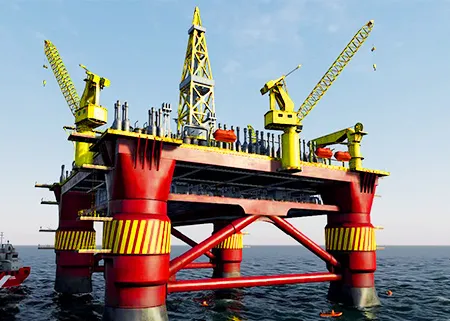
An offshore oil rig experienced severe corrosion issues, leading to frequent maintenance and downtime. By switching to nickel-based CRAs for critical components, the company significantly extended the service life of their equipment, reducing costs and increasing productivity.
· Chemical Processing
In chemical processing, CRAs are used to handle aggressive chemicals, ensuring that reactors, heat exchangers, and storage tanks remain safe and efficient.
Case Study: Chemical Plant
A chemical plant dealing with highly corrosive substances faced regular equipment failures. Implementing titanium alloys for their heat exchangers and piping systems resulted in improved durability and operational efficiency.
· Marine Industry
The marine industry benefits from CRAs in shipbuilding, offshore platforms, and desalination plants, where exposure to saltwater is a significant concern.
Case Study: Shipbuilding
A shipbuilding company switched to copper-based alloys for their cooling systems to combat biofouling and corrosion. This change led to lower maintenance costs and improved performance of their vessels.
You can also read: How To Determine The Suitable Stainless Steel Grade For Marine Environment?
What Are the Benefits of Using CRAs in Pipelines?
· Improved Pipeline Longevity
CRAs extend the lifespan of pipelines by resisting the corrosive effects of various chemicals and environmental factors. This longevity translates into lower maintenance costs and enhanced operational efficiency.
· Ensuring Safety
CRAs provide a reliable solution for preventing leaks and ruptures in pipelines that transport hazardous materials. Their use ensures the safe conveyance of these materials, protecting both the environment and human health.
· Reduced Maintenance Costs
The high resistance of CRAs to corrosion significantly reduces the frequency and extent of maintenance required for pipelines. This reduction in maintenance not only lowers costs but also minimizes downtime, enhancing overall productivity.
· Enhanced Operational Efficiency
Pipelines constructed with CRAs can operate more efficiently due to their reduced susceptibility to corrosion-related issues. This efficiency ensures that pipelines remain functional over longer periods, facilitating uninterrupted service.
What Are the Challenges and Considerations in Using CRAs?
· Cost Implications
One of the primary challenges of using CRAs is their higher initial cost compared to conventional materials. However, this upfront investment is often offset by the long-term benefits of reduced maintenance and extended service life. Detailed cost analysis can be found at World Corrosion Organization.
· Material Compatibility Issues
Selecting the appropriate CRA requires careful consideration of the specific environmental and operational conditions. Incompatible materials can lead to galvanic corrosion, where different metals in contact create an electrochemical reaction. More on material compatibility can be read at Corrosionpedia.
· Environmental Factors
Environmental factors such as temperature, pressure, and the presence of specific chemicals significantly influence the selection of CRAs. Each environment requires a tailored approach to ensure optimal performance. Refer to ASM International for more details.
What Are the Industry Standards and Regulations for Corrosion Resistant Alloys (CRAs)?
The selection and use of Corrosion Resistant Alloys (CRAs) in pipeline systems must adhere to various standards and regulations to ensure safety, reliability, and performance. Here are five key standards that are most relevant to CRAs:
· ASTM International
ASTM A240: Standard Specification for Chromium and Chromium-Nickel Stainless Steel Plate, Sheet, and Strip for Pressure Vessels and for General Applications
This standard specifies requirements for chromium and chromium-nickel stainless steel plates, sheets, and strips used in pressure vessels and general applications.
See more: www.astm.org/Standards/A240.htm
· ISO (International Organization for Standardization)
ISO 15156/NACE MR0175: Petroleum and Natural Gas Industries – Materials for Use in H2S-Containing Environments in Oil and Gas Production
This standard specifies requirements for materials used in hydrogen sulfide (H2S) environments in oil and gas production, ensuring the materials can withstand such harsh conditions.
· NACE International
NACE MR0103: Materials Resistant to Sulfide Stress Cracking in Corrosive Petroleum Refining Environments
This standard outlines the requirements for materials that are resistant to sulfide stress cracking in corrosive petroleum refining environments.
See more: www.nace.org/publications/standards/nace-mr0103-2012
· ASME (American Society of Mechanical Engineers)
ASME B31.3: Process Piping
This code outlines the design, materials, fabrication, assembly, inspection, and testing of process piping systems, including those made from CRAs.
See more: www.asme.org/codes-standards/find-codes-standards/b31-3-process-piping
· API (American Petroleum Institute)
API 570: Piping Inspection Code – In-Service Inspection, Rating, Repair, and Alteration of Piping Systems
This standard covers the inspection, rating, repair, and alteration of in-service piping systems, ensuring their integrity and safety.
Frequently Asked Questions (FAQs) about Corrosion Resistant Alloys (CRAs)
- What Is the Difference Between Stainless Steel and Nickel-Based Alloys?
Stainless steel primarily resists rust and stains, making it suitable for a wide range of applications. Nickel-based alloys, on the other hand, can withstand higher temperatures and more aggressive environments, making them ideal for specialized applications.
- Why Are CRAs Important in the Oil and Gas Industry?
CRAs prevent corrosion caused by harsh chemicals and high-pressure environments, ensuring the safe and efficient operation of extraction and transportation infrastructure.
- How Do CRAs Improve the Longevity of Pipelines?
By resisting the corrosive effects of various chemicals and environmental factors, CRAs reduce the need for frequent repairs and replacements, thus extending the lifespan of pipelines.
- How Are CRAs Selected for Specific Applications?
The selection of CRAs depends on several factors, including the type of corrosive environment, operating conditions, and the specific requirements of the application.
- What Are the Maintenance Requirements for Pipelines Using CRAs?
Pipelines constructed with CRAs typically require less frequent and less intensive maintenance compared to those made with conventional materials. This reduced maintenance is due to the superior corrosion resistance of CRAs.
Conclusion
Corrosion Resistant Alloys (CRAs) play a crucial role in ensuring the reliability and longevity of pipelines across diverse industries. Understanding the various types of CRAs and their specific applications empowers informed decision-making to enhance infrastructure performance and safety. Integrating CRAs into pipeline systems significantly mitigates corrosion risks, reduces maintenance costs, and extends asset operational life.
By selecting AlloyXpert, you gain access to top-tier materials and comprehensive support for your corrosion-resistant needs, ensuring the protection and maximizing the return on investment of your infrastructure. Contact us to explore our product range and discover how we can fulfill your CRA requirements effectively.