
Introduction
Stainless steel bar possesses certain characteristics. That material possesses high tensile strength. Heat resistance is up to 870°C. It does not corrode or rust. The blog discusses these features. Readers will gain knowledge on composition and uses.
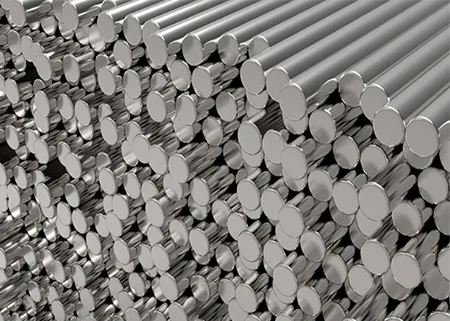
What is the Composition of a Stainless Steel Bar?
Stainless steel bar is an alloy of Fe, Cr, and Ni. It contains 18% Chromium and 8% Nickel. These elements make it to resist the formation of rust. They refer to it as an alloy.
This bar has high tensile strength. It can withstand heat up to 870°C. This feature makes it useful in construction. The bar has the density of 7.9 g/cm³. It also contains a small percentage of Mn and Si. That makes it strong and durable.
How Does Corrosion Resistance Set Stainless Steel Bars Apart?
When you select stainless steel bars, you opt for a powerful ally. They do not corrode like the other metals do. Why are they shiny and long-lasting?
Oxidation
Stainless steel bars resist oxidation. Chromium (Cr) content at 10% forms a Cr₂O₃ layer. This layer stops oxygen. The iron (Fe) stays safe inside. Oxidation slows in cool places.
High heat needs more Cr. Nickel (Ni) helps too. The layer heals itself. Other bars rust fast. They are not as good. It’s why we use them. Different types suit different jobs.
Rust-Free
No rust appears on stainless steel bars. Cr forms a shield. Fe stays shiny. Cl environments need special grades. Ni makes it last. Molybdenum (Mo) adds more safety. Keeping it clean is easy.
The shiny bar looks new. Others rust quickly. This saves money. We use them in kitchens, labs, and hospitals. Bars stay strong in wet places.
Longevity
Stainless steel bars last long. Cr keeps them strong. Ni makes them last longer. Mo adds extra strength. Other bars wear out fast. It’s why we trust them. Less fixing means saving money.
Strong places need these bars. They hold up well. Factories need tough bars. Rust hurts other bars. They stay strong for years. Each type has a special job.
Marine Grade
Marine-grade stainless steel bars fight seawater. Cr stops rust. Ni makes them tough. Mo keeps them safe. Ships need these bars. Saltwater does not hurt them. They work near the sea.
They always work well. Keeping them is easy. These bars do not rust in saltwater. Other metals rust fast. They last a long time. Sea buildings use these bars.
Protective Layer
The protective layer on stainless steel bars is special. Cr makes a Cr₂O₃ layer. Fe stays safe inside. Ni helps the layer. Mo adds more strength. Other metals do not have this.
They rust easily. This layer heals itself. Fixing it is easy. It’s good for rough places. Strong bars do not break. They stay safe and work well.
Why is the Manufacturing Process Important for Stainless Steel Bars?
Producing stainless steel bars is straightforward. All these steps are crucial to attain the finest bars. Let’s find out why!
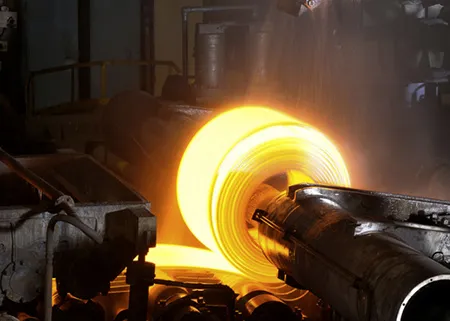
Melting
Stainless steel melts in a furnace at 1500°C. Nickel (Ni) and chromium (Cr) make it strong and shiny. The liquid flows into molds, creating round or square shapes. This is called melting.
It’s very hot. The metal becomes strong with no cracks. Temperature control is important. Hotter metal makes better bars. It creates smooth and strong bars.
Casting
Molten stainless steel cools in molds. These molds have holes for the metal. They shape it into round or square bars. This step is casting. Cooled bars become very strong and shiny.
Casting is fast and makes many bars at once. It saves time and power. Casting gives the bars their good look and strength.
Forming
Hot stainless steel bars are soft. Machines press them into new shapes. Forming makes bars long or flat. It is fast. The metal can be thick or thin. When they cool, the bars become strong.
This step is forming. Shaped bars are ready to use. Forming is key. It gives the bars their needed shape.
Annealing
Stainless steel bars heat up again to 900°C. This makes them soft. Slow cooling follows. This step is annealing. Annealing removes stress and makes the bars smooth.
The metal gets uniform, without cracks. This makes the bars strong again. Slow cooling stops cracks. Annealing is important. It improves the quality of the metal.
Pickling
Stainless steel bars go into an acid bath. This is pickling. The bath cleans the metal, removing scale and rust. Stainless steel becomes shiny and pure. The acid is strong.
Pickling makes the bars look new. Clean bars are safe and smooth. Pickling is a very clean step. It’s important for making pure, shiny metal.
Passivation
Clean stainless steel bars need one last step. This is passivation. It uses nitric acid (HNO₃). This creates a thin oxide layer that stops rust. Passivation makes the bars last long.
The bars are very clean. This process is safe and makes the bars shiny and smooth. The oxide layer protects the metal. Passivation is important for durability.
How Does Heat Treatment Affect Stainless Steel Bars?
Heating stainless steel bars alters the physical properties of bars as far as the feeling and the action is concerned. It is like cooking cookies—heat makes them right. This sounds interesting, let’s see how it works!
Quenching
Cooling reduces temperature of metal quickly. Adapting this makes it very strong. They use oil or water. The bars go in at 900°C. It keeps them shiny. The inside transforms into martensite.
The bars get hard. This step stops cracks. Quenching also reduces stress. It is adored by engineers for constructions. This process is important. Quenching prepares bars for the harder tasks.
Tempering
Tempering prevents the metal from becoming brittle. The bars heat to 300°C to 700°C. This step removes stress. Engineers do this after quenching. Walls turn flexible and yet sturdy.
The structure alters to bainite. That assists in construction of buildings and bridges. Tempering gives bars a long life. This uses ovens. Engineers check it twice. The most significant feature, therefore, are flexible yet strong bars. Tempering meets these needs.
Annealing
Annealing heats bars very hot. This step is at 800°C. The bars cool slowly. It makes them soft. That occurs in a furnace. Annealing improves ductility. Engineers can bend them.
The bars lose stress now. This also boosts toughness. The structure transforms to the ferrite phase. Engineers like its reliability. Soft bars aid in wires and springs. Each bar gets tested. Annealing makes bars ready. Stress-free and soft bars are important.
Martensitic
Martensitic change makes bars hard. Bars cool very fast. This is at 1,000°C. The bars are made strong and are quite hard. They are used by engineers for the tools. This process has carbides.
That makes bars strong. BARS are ready for hard work. They resist wear. Martensitic bars are durable. Engineers like this method. Hard bars help machines. This change is key. Martensitic strength is strong.
Austenitic
Austenitic change makes the bars non-magnetic. The bars heat to 1,100°C. They cool in air. It is soft and tough in the bar forms. People like them for no rust. The structure transforms to austenite. Bars are bendable. They are well suited for use in pipes.
Austenitic bars handle heat. This step is key. Engineers test them. Non-magnetic bars are good. Austenitic change prepares bars. Flexible bars are important.
How Do Mechanical Properties Vary Among Stainless Steel Bars?
Various types of stainless steel bars have different levels of strength. Each one has a special function. Let’s discover their powers!
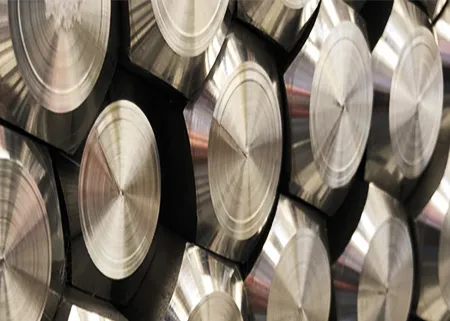
Tensile Strength
Stainless steel bars are very durable. SS304 can be 515 MPa strong. It resists breaking. A tensile test machine checks it. The size of the bar influences the strength.
Tensile strength means it does not rupture immediately, but rather extends first. The elongation rate, expressed as a percentage, is crucial. It is important to note that the strength of an alloy varies from one alloy to the other. Carbon content matters.
They use it in buildings. Engineers have to know this. Tensile strength is important to keep things safe.
Hardness
Hardness refers to how difficult a bar is. The Rockwell C test checks it. SS316 has 95 HRC hardness. This means that it is not easily scratched. There are various kinds of bars with varying levels of hardness. Chromium and nickel alter it.
In machines the factor of hardness is significant. Wear and tear is prevented by it. Heat treatment can make it difficult. Hard tools require high levels of hardness.
Whereas hardness means that things have a longer durability. This is used to pick materials by engineers. Hardness keeps things strong.
Yield Strength
Yield strength means when a bar bends and stays bent. Yield strength of SS430 is 450 Mpa. This is important for heavy items. Yield points vary from one bar to the other. Nickel affects this.
Yield strength keeps building strong. It is not as simple as tensile strength. It is tested with stress-strain curves by engineers. This is important for safety. The higher the yield strength, the tougher a bar will be. Yield strength prevents failure from happening. It is important to know the yield strength.
Ductility
Ductility indicates how much a bar can be bent. SS304 is very bendy. It is expressed in terms of percentage elongation. Ductility helps shape things. This is important in making of wires.
Low carbon steel is good for bending. The addition of a bar alters the mixture’s ductility.
Heat can make it bend even more. Ductility keeps things flexible. Engineers need this info. High ductility implies that the material can be easily bent or shaped. Ductility is useful in making many things.
Elasticity
Elasticity is the ability of a bar to regain its shape again. SS301 has good elasticity. It is quantified by Young’s modulus. This is especially true for springs. Bars have different elasticity.
Nickel makes it better. It does not allow it to remain bent due to elasticity. This is especially important for moving parts. Engineers need this info.
High elasticity therefore equates to better flex. Elasticity keeps things moving. It’s not like plasticity. Elasticity helps absorb shocks.
| Property | 304 Stainless Steel | 316 Stainless Steel | 420 Stainless Steel | 430 Stainless Steel | 440C Stainless Steel |
| Tensile Strength | 515 MPa | 579 MPa | 655 MPa | 450 MPa | 760 MPa |
| Hardness (HB) | 201 | 217 | 255 | 150 | 285 |
| Yield Strength | 215 MPa | 240 MPa | 290 MPa | 275 MPa | 450 MPa |
| Ductility (%) | 40 | 35 | 20 | 22 | 15 |
| Elasticity (GPa) | 193 | 193 | 200 | 200 | 200 |
| Corrosion Resistance | High | Very High | Moderate | Good | Moderate |
Table on How Do Mechanical Properties Vary Among Stainless Steel Bars!
How is the Surface Finish of Stainless Steel Bars Achieved?
It is quite entertaining to make stainless steel bars look shiny and smooth! This is like when one polishes a jewel. Great, let me show you how it is done!
Polishing
Polishing makes things shiny. Abrasive wheels with 100 grit help. They turn fast at 3000 RPM. The wheel rubs to make it smooth. Tiny defects go away. A special compound is used.
This makes the surface smooth. The buffing wheel spins quickly. Shiny surfaces look nice. Polishing makes them pretty. It helps every part look good.
Brushing
Brushing uses belts with 120-grit. The belt moves over the surface. Tiny bristles rub it. They make surfaces smooth. Brushing adds texture. The belt speed is 1500 RPM.
This makes surfaces clean. The process removes debris. Brushing makes them ready for more work. Each part feels even. It helps make parts nice.
Passivating
Passivating uses nitric acid. It makes surfaces clean. They use a 10% solution. It makes parts last long. This creates a protective layer. The bars dip for 30 minutes. The final rinse cleans them. Passivating makes them bright. Each part is better. It helps surfaces resist rust. This step is very important.
Grinding
Grinding shapes surfaces. They use abrasive wheels. The wheel spins at 2000 RPM. It removes extra material. Grinding makes surfaces flat. The wheel has a 40-grit rating.
Each pass makes it smooth. Grinding helps parts fit. This method is quick. It makes surfaces nice. Grinding is for size accuracy.
Electropolishing
Electropolishing uses electricity. They use a 20% acid solution. It removes tiny bits. The voltage is 12V. Electropolishing makes surfaces shiny. This process removes burrs. Each part is clean. It makes them bright. The process helps resist rust. They look like mirrors. This step is final. It makes surfaces last long.
Why is Dimensional Tolerance Crucial in Stainless Steel Bars?
Dimensional tolerance ensures that stainless steel bars interlock into each other like jigsaw puzzle pieces. This is important for many things. Let’s learn why!
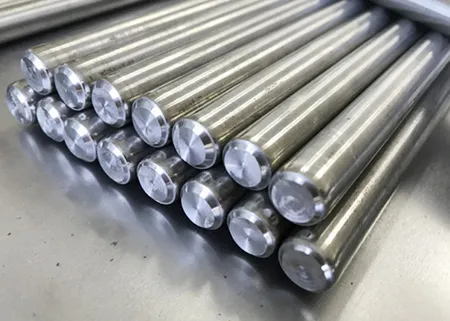
Precision
Accuracy is useful in cutting a stainless steel bar to the required length. Its accuracy is due to tolerance of 0.05. Components such as piston and gears require precise bars. They fit well.
This makes machines work better. Precision avoids extra costs. It helps make strong tools. This tolerance is used by CNC machines. It plays its role in construction, automobiles, and home appliances. The exact size matters. Some projects require a high degree of accuracy.
Fit
Bars meet the edges of the fit surfaces with no clearance present. They need exact lengths. A single mismatch can cause machines to break down. It requires a tight tolerance of 0.02.
This keeps engines smooth. Gear teeth mesh directly on bars. Fit is useful in making vehicles. Good bars should be provided to fitting parts. No fit means noise. Bars are used to fit bearings and shafts. It makes things safe. They are ideal when used in perfect fit. It matters most in many tools.
Alignment
Proper alignment employs straight bars. A stainless steel bar must be straight. Slight bends cause issues. For example, machines such as turbines require straight bars. This helps reduce friction. Even having a mere alignment of 0.01 is important.
They ensure that the shafts are parallel with a high degree of accuracy. It helps gears to engage well. Correct positioning halts wear and tear. Bars align wheels perfectly.
This makes safety in vehicles to be guaranteed. Misalignment causes accidents. Alignment is the name of the game when it comes to the construction of bars. They support weight evenly.
Uniformity
Uniform bars are bars that have the same diameter. It doesn’t require any change in thickness. Uniformity of 0.005 required. This keeps parts consistent. Straight bars are useful in making pipes. They ensure smooth flow. This is especially important in the oil and gas industry.
Uniformity ensures even coating. It makes surface treatments easier. They are used in medical devices. Exact thickness plays an important role in making instruments. In food machinery, all bars are equal. This keeps production steady.
Stability
Stable bars resist bending. They stand out well in pressure situations. Stability of 0.1 needed. This assists in the operation of heavy machinery. Stable bars support bridges. It keeps structures safe. This is especially important in skyscrapers. The bars in rail tracks require stability.
It helps to maintain a smooth operation of trains. They are used in cranes. Stability assists in lifting heavy weights. In aircraft frame structures, bars must be stable. This keeps flights safe. Stability avoids costly repairs.
Consistency
The bars are uniform which means they do not have any form of imperfection. They are perfect when it comes to the texture. This consistency of 0.02 makes quality to prevail. This will assist in precision tools. Consistent bars last long. They are applied in surgical instruments.
This makes operations safe. Bars in engines require consistency. It reduces wear. They are in pumps. When the bars are even, there is a more consistent flow. This is very important in chemical plants. This quality is needed in bars in cars. It ensures reliability. Consistent bars build trust.
How Do Stainless Steel Bars Perform Under Extreme Conditions?
Stainless steel bars are durable and can withstand pressure in some of the most challenging environments. It is like they have the superhero capes. Let’s explore their adventures!
High-Temperature
The bar handles 900°C. It resists oxidation. This bar stays strong at 800°C. Chromium is 18%. Molybdenum is 2%. This helps with heat. Austenitic structure stays stable.
Thermal expansion is 17.2. It doesn’t warp. Furnaces and turbines use these bars. The bar has high creep resistance. Melting point is 1,400°C. This is great. They work in tough places.
Low-Temperature
The austenitic structure stays strong. It is tough at -196°C. Nickel is 8%. The bar doesn’t get brittle. Thermal conductivity is 15. They work in heat exchanges. It stays flexible in cold.
Elongation is 45%. These bars don’t crack. Cryogenic processes need them. The tensile strength is 520. It is durable. They work well in the cold.
Corrosive Environments
The bar resists rust. Chromium is 18%. It forms a protective layer. Chloride-rich places need this. Molybdenum is 2.5%. Pitting resistance is high. They work in seawater.
Carbon is low at 0.03%. This stops corrosion. Nitrogen makes yield strength 250. The bar is good in harsh spots. They last in chemical plants. It stays strong.
Wear Resistance
The bar resists wear. Hardness is 200 Brinell. Nitrogen is 0.3%. It helps with wear resistance. The microstructure is martensitic. This makes it hard. Tungsten is 1.5%.
The bar doesn’t wear out. Mining tools use these bars. Rockwell hardness is C55. It keeps shape. Manganese is 1.2%. It makes the bar strong. They last in tough jobs.
Impact Strength
The bar handles impact. Charpy V-notch test is 80. It absorbs energy. Chromium is 17%. It makes it tough. Nickel is 8.5%. The bar is ductile. Fatigue strength is high.
Molybdenum is 2.2%. It stops fractures. Impact tools need these bars. They stay solid. Elongation is 50%. Austenitic structure prevents brittleness. They are good for tough tasks.
What are the Benefits of Using Stainless Steel Bars in Construction?
It is wise to incorporate stainless steel bars in buildings. They are strong and shiny, and make everything better. Let’s see why they are special!
Strength
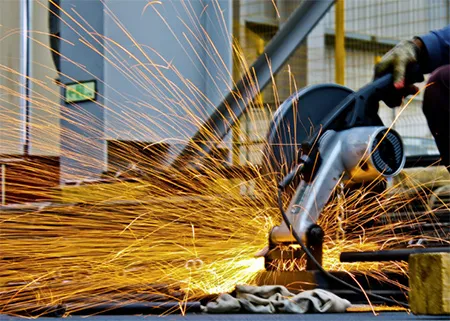
A stainless steel bar’s tensile strength is high. This strength helps structures. It supports load-bearing walls. The bar’s ultimate tensile strength (UTS) reaches 750. That makes it reliable.
Its yield strength (YS) can be 290. Structures become safer. Hardness measures 200 in Brinell hardness number (BHN). That is good. They resist deformation. Fatigue limit is 350. Bars avoid cracking. This bar makes buildings stable.
Durability
A stainless steel bar’s durability is excellent. It has corrosion resistance. This helps in wet environments. The material’s chromium (Cr) content is 11%. It prevents rust.
The bar’s endurance limit (EL) is 260. That makes it last long. They handle weather changes. The steel’s molybdenum (Mo) content is 2.5%. This adds more strength. Hardness is 190 BHN. That is strong. Buildings use this for long-lasting support.
Aesthetics
A stainless steel bar looks shiny. It makes buildings pretty. This shine comes from its surface finish. They are polished to a mirror finish (No. 8). The bar’s chromium (Cr) content is 18%.
That creates shine. Nickel (Ni) content of 8% adds luster. The steel is smooth. It reflects light nicely. Buildings look modern. Bars are used decoratively. It adds beauty to structures.
Fire Resistance
A stainless steel bar resists fire well. It helps in safe buildings. The melting point is 1400. This makes it stable in fire. The bar’s fire resistance rating is Class A. This provides safety.
The steel’s alloy contains nickel (Ni), adding to its fire resistance. Chromium (Cr) at 10% prevents heat damage. These bars keep structures safe. They protect in emergencies.
Maintenance
A stainless steel bar needs low upkeep. It saves time. This bar resists rust. Chromium (Cr) at 10% stops rusting. They do not need paint. The surface stays smooth. Nickel (Ni) content of 8% helps.
Cleaning is simple. Just wipe with a cloth. It stays shiny. No special cleaners needed. These bars last long. Structures look new.
How is the Quality of Stainless Steel Bars Tested?
It was fun to test the stainless steel bars like it was a science experiment. It asks whether they are strong and good. Alright, let me show you how it is done!
Tensile Testing
The machine pulls the stainless steel bar until it snaps. UTS tells how strong it is. YS shows bending. Load cells measure force. Engineers write numbers. ASTM standards check quality.
Each bar gets a tension test. This machine has tight grips. Stress-strain curves appear on the screen. They make sure everything is right.
Hardness Testing
A diamond indenter presses into the steel bar. HRB tells how deep. Brinell and Vickers use scales. Engineers see the hardness number. The bar surface is polished.
This makes the test accurate. Indent sizes are checked with a microscope. ISO standards confirm strength. They look for numbers on the gauge.
Ultrasonic Testing
Sound waves go through the steel bar. UT looks inside for cracks. Transducers send waves. The screen shows reflections. Engineers see wave patterns. They find cracks and voids. Couplant gel helps. A probe moves along the bar. Defects are echoes. Frequencies detect issues.
X-Ray Testing
X-ray beams scan the bar. Dark spots mean flaws. Engineers see images. It checks for welds and holes. Contrast agents help. Results are on the computer. Safety gear is worn by technicians. The method is precise. They store images. This way, they find problems.
Certification
This checks quality. The bar gets a certification mark. ISO and ASTM are standards. Documents show test results. Engineers sign certificates. It means safety. The bar gets a serial number. They track each one. Customers trust the mark. The process makes sure everything is good.
What Makes Stainless Steel Bars a Sustainable Choice?
Selecting stainless steel bars is beneficial to Earth. They can be used over and over again and are durable. Now let us try to understand why they are an environmentally friendly option!
Recyclability
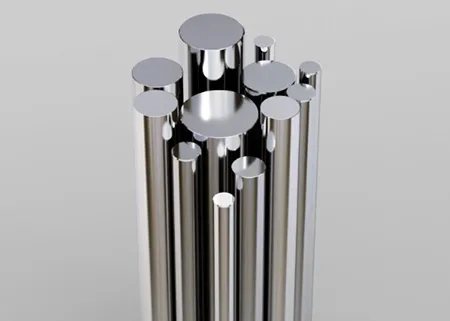
Recycled stainless steel bars are strong. They melt at 1,400°C. This process makes new bars. Nickel (Ni) and chromium (Cr) keep the quality high. Bars have low carbon (C) content.
90% of steel can be reused. It helps reduce waste. High tensile strength keeps bars sturdy. They are great for sustainable building.
Longevity
Stainless steel bars last long. 300 series bars resist rust. They have high tensile strength. Chromium (Cr) forms a protective layer. This layer is self-healing. Bars can withstand 1,200°C.
They stay strong. Austenitic grades are durable. Ferritic bars are also strong. Long life means less replacement.
Low Maintenance
Stainless steel bars need low care. 304 grade is easy to clean. The surface resists dirt. They have low carbon content. 1% carbon keeps bars strong. It makes them cost-effective.
The finish stays shiny.304L type needs less cleaning. Bars do not need painting. They stay rust-free. This reduces upkeep costs.
Energy Efficiency
Stainless steel bars save energy. 430 grade conducts heat well. This helps in making things. Bars need less energy to form. High reflectivity keeps them cool. This helps buildings stay cool.
Nickel (Ni) improves heat resistance. Bars stay cool in high heat. Recycled bars save 70% energy. That helps energy-efficient construction.
How Does Machining Affect the Properties of Stainless Steel Bars?
Machining alters the stainless steel bars to make them suitable for the job. It is like sculpting clay into interesting objects. Let’s find out how!
Milling
Milling changes shapes. This uses cutters like face mills and end mills. They make it smooth to 5 µm. It gets stronger to 650 MPa. The hardness, HRC, becomes 45.
CNC machines move on X, Y, Z. That makes pretty patterns. Feed rate affects quality. Speed makes heat. Cutting fluid cools parts. Chips go away to keep tools safe.
Turning
Turning spins bars. It cuts them smaller. The lathe spins at 1800 RPM. They get smooth to 3.2 µm. This makes them strong to 700 MPa. Turning tools use carbide. Feed and speed matter.
CNC lathes cut the same each time. It holds bars tight with a collet chuck. Coolant stops heat. That makes round bars.
Drilling
Drilling makes holes. Twist drills make 12 mm holes. They use HSS. The spindle spins at 1200 RPM. This helps chips go away. Thrust force makes nice holes. Drill bits have flutes.
Coolant cools and stops heat. A depth stop keeps holes the same. It holds bars steady with a drill press. That makes smooth holes inside.
Grinding
Grinding smoothes bars. The wheel spins at 3600 RPM. They make it smooth to 1.6 µm. This makes bars strong to 550 MPa. Cylindrical grinders spin round bars.
It uses abrasive grains to remove stuff. Spark-out time helps finish. Coolant stops burns. Speed removes stuff fast. Dressing keeps the wheel sharp. That makes even textures. Automation helps it work well.
Cutting
Cutting splits bars. Saw blades spin at 1500 RPM. It uses carbide teeth. This makes cutting fast. Cuts are accurate to ±0.1 mm. Bandsaws waste less. They make straight cuts.
Coolant saves blades. Clamps hold bars tight. Speed affects cutting. Cutting makes burrs. It removes them. Automation helps fast, good cuts.
| Process | Surface Finish (µm) | Hardness (HRC) | Residual Stress | Dimensional Accuracy | Heat Generation (°C) | Tool Wear |
| Milling | 0.8-1.6 | 30-35 | Compressive (-50 MPa) | ±0.01 mm | 100-150 | Moderate (TiAlN-coated) |
| Turning | 1.6-3.2 | 25-30 | Tensile (50 MPa) | ±0.02 mm | 150-200 | High (CVD-coated) |
| Drilling | 3.2-6.3 | 20-25 | Tensile (80 MPa) | ±0.05 mm | 200-250 | High (HSS) |
| Grinding | 0.2-0.4 | 35-40 | Compressive (-100 MPa) | ±0.005 mm | 50-100 | Low (Diamond) |
| Cutting | 1.6-3.2 | 25-30 | Tensile (60 MPa) | ±0.02 mm | 100-200 | Moderate (Carbide) |
Table on How Does Machining Affect the Properties of Stainless Steel Bars!
Conclusion
There are many advantages of stainless steel bar. They do not corrode easily, and they are strong in tension and heat-treated. They find application in many fields. This makes them a good choice. For more details on using them, please visit ALLOYXPERT.
Read More:
How to Measure Stainless Steel Bar Strength?