
Introduction
As a key material, carbon steel pipe plays an indispensable role in modern industry. They are used in a wide range of industries, including energy delivery and building structures. The tensile strength of carbon steel pipes is a key indicator for evaluating their safety and reliability. This article explores the various factors that influence the tensile strength of carbon steel pipes and answers some key questions to help readers gain insight into the properties of this important engineering material.
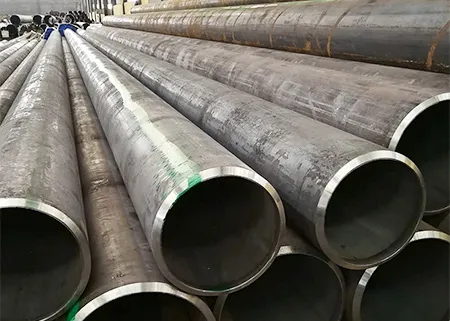
Wide Application of Carbon Steel Pipes
Carbon steel pipes are widely used in the construction, manufacturing, energy and transportation industries. They are favored for their good mechanical properties and economy.
Importance of Tensile Strength
Tensile strength refers to the maximum stress that a metal material can withstand before breaking.
F0: the tensile force applied to the steel (N)
A0: the cross-sectional area of the steel (mm2)
σb: tensile strength (Mpa)
See more: https://en.wikipedia.org/wiki/Ultimate_tensile_strength
Tensile strength is a critical performance indicator of carbon steel pipe materials, which directly determines its safety and reliability in various industrial applications. For example, oil and gas pipelines need to withstand high pressure and complex environmental conditions, so they need to have high tensile strength to prevent rupture and leakage caused by stress overload. The tensile strength requirements of different industries vary greatly, and these requirements directly affect material selection and engineering design decisions.
Frequently Asked Questions(FAQs)
-
What Is the Tensile Strength of Carbon Steel Pipe?
The tensile strength of carbon steel pipe is usually between 370-700 MPa, depending on the carbon content and manufacturing process.
| Type | Tensile Strength(MPa) |
| Mild Steel Pipe | 370-450 |
| Medium Carbon Steel Pipe | 450-600 |
| High Carbon Steel Pipe | 600-700 |
-
How to Improve the Tensile Strength of Carbon Steel?
Methods to increase tensile strength include:
- Increase carbon content
- Adding alloy elements (such as manganese and chromium)
- Use heat treatment process (such as quenching and tempering)
-
What Is the Impact Strength of Carbon Steel?
Impact strength refers to the ability of a material to resist damage under impact load. The impact strength of carbon steel is generally between 20-30 J/cm².
-
What Is the Maximum Tensile Strength of Carbon Steel ?
After proper treatment, the maximum tensile strength of high carbon steel can reach 700 MPa or even higher.
Factors Affecting Tensile Strength
-
Microstructure
1. The microstructure of carbon steel includes ferrite, bainite, martensite and pearlite.
Different microstructures have different effects on tensile strength.
2. How can microstructure be controlled during manufacturing?
The microstructure can be adjusted by controlling the cooling rate and heat treatment process.
| Microstructure | Characteristic |
| Ferrite | Low strength, high ductility |
| Bainite | Moderate |
| Martensite | High strength, low ductility |
| Pearlite | Balancing strength and ductility |
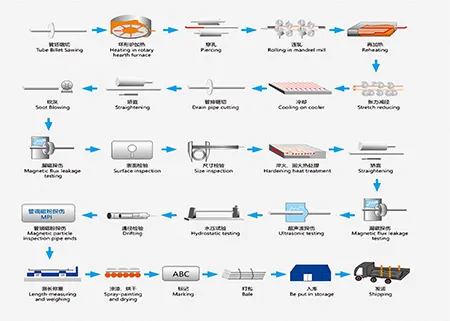
3. Production Process
| Production Process | Characteristic |
| Hot Rolling | Moderate strength, good ductility |
| Cold Rolling | High strength, brittle |
| Extrusion | Balanced strength and ductility |
-
What Specific Effects Do Different Production Processes Have on Tensile Strength?
Hot rolling: Improve ductility
Cold rolling: increases strength but reduces ductility
Extrusion: Balancing Strength and Ductility
-
Impurities and Non-metallic Additives
Impurities such as sulfur and phosphorus will reduce the tensile strength of steel.
Controlling impurity content can improve material properties.
-
How Do Impurities Affect the Performance of Steel Pipes and How Can They be Controlled?
Impurities can cause brittleness in materials and increase the risk of breakage. Controlling the purity of raw materials and the refining process can reduce the amount of impurities.
-
Size and Shape
Wall thickness, size, and cross-sectional shape affect tensile strength.
Thicker walls generally provide higher tensile strength but increase weight.
-
How to Choose the Right Size and Shape to Meet Specific Application Requirements?
Choose the wall thickness and cross-section shape based on the application requirements. For example, high pressure applications require thicker walls for safety.
-
Working Environment
Corrosion and oxidation will reduce the tensile strength of steel pipes.
The service life can be extended by adopting appropriate anti-corrosion measures (such as coating).
Use anti-corrosion coatings and regular maintenance inspections to ensure the stability of steel pipes in harsh environments.
Carbon Content and How to Balance Strength and Ductility?
- Increasing carbon content will increase tensile strength but may also cause brittleness.
- The optimum range of carbon content is usually 0.05%-0.25%.
| Carbon Content | Characteristic |
| 0.05%-0.15% | Low strength, high ductility |
| 0.15%-0.25% | Balancing strength and ductility |
| >0.25% | High strength, low ductility |
Alloy Elements –Which Industries Require Particularly High Tensile Strength, and How to Ensure the Reliability of Pipelines?
- Adding alloying elements (such as manganese, silicon, chromium, nickel, molybdenum) can significantly improve the properties of steel.
- Which alloying elements have a significant impact on specific properties?
| Alloy Element | Effect |
| Manganese | Improve the hardness and strength and increase the hardenability of steel. |
| Silicon | Improve antioxidant properties and increase strength. |
| Chromium | Enhances corrosion resistance, especially at high temperatures. |
| Nickel | Improve toughness and impact resistance. |
| Molybdenum | Enhance high temperature resistance and improve creep resistance. |
Heat Treatment Process
-
Definition and Impact of Heat Treatment
Definition : Heat treatment is a process that changes the internal structure of a material to achieve the required performance and organizational state by controlling the heating and cooling process. For mild steel pipes, heat treatment directly affects its tensile strength and other mechanical properties.
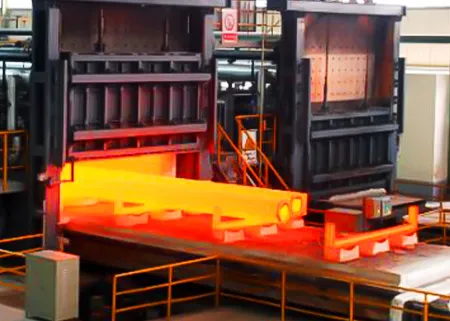
The main effects of heat treatment include:
Hardness and Strength Improvement : Quenching can significantly increase the hardness and strength of mild steel pipes, making them suitable for applications requiring high tensile strength, such as high-pressure pipes and mechanical parts.
Toughness adjustment : The tempering process can increase the toughness of the steel while maintaining a certain hardness, making it more reliable under impact loads.
Internal stress relief : Annealing helps to reduce the internal stress generated during the heat treatment process and improve the overall stability and durability of the pipeline.
-
Key Heat Treatment Processes and Their Characteristics
In the production and processing of low carbon steel pipes, the following heat treatment processes are particularly critical:
Annealing : By heating to the critical temperature and then slowly cooling, the internal structure of the pipe can be homogenized, stress can be eliminated, and ductility and toughness can be increased.
Quenching : The pipe heated to the critical temperature is rapidly cooled to room temperature to transform its structure into martensite, thereby obtaining higher hardness and strength.
Tempering : After quenching, the hardness and toughness of the pipe are adjusted by reheating to the appropriate temperature and then air cooling or oil cooling to achieve the optimal performance balance.
The selection and implementation of these heat treatment processes directly affect the final performance and application range of low carbon steel pipelines. The correct heat treatment process can not only improve the tensile strength, but also ensure the stability and reliability of the pipeline under various environmental conditions.
| Heat Treatment Process | Characteristic |
| Annealing | Eliminate internal stress and soften steel |
| Quenching | Improve hardness and strength |
| Tempering | Adjusting hardness and toughness |
Impact and Application
-
Applications of Low Tensile Strength
Low-pressure water pipelines, home heating systems, etc.
-
Application of High Tensile Strength
Oil and Gas Industry
Offshore facilities and submarine pipelines
Construction and Infrastructure Development
Transportation during the production process
High pressure and high load environment, such as oil, gas, offshore platform. Ensure the reliability of pipelines by selecting appropriate materials and processes, as well as strict quality control.
Also read:Types Of Pipelines In The Oil And Gas Sector: Comprehensive Guide
Conclusion
As materials science and technology continue to advance, we are able to better control the properties of carbon steel pipe. By adjusting the carbon content, adding alloying elements and using appropriate heat treatment processes, we can create carbon steel pipes with high tensile strength to meet the needs of modern industry. Quality assurance and continuous innovation will ensure that carbon steel pipes perform well in future applications. You can enjoy competitive pricing and great customer service from Alloyxpert.