
Introduction
Choosing the right Inconel alloy is crucial for industries where high performance in extreme conditions is required. Whether you’re working in aerospace, chemical processing, or power generation, selecting the appropriate Inconel alloy can significantly impact the efficiency and longevity of your project.
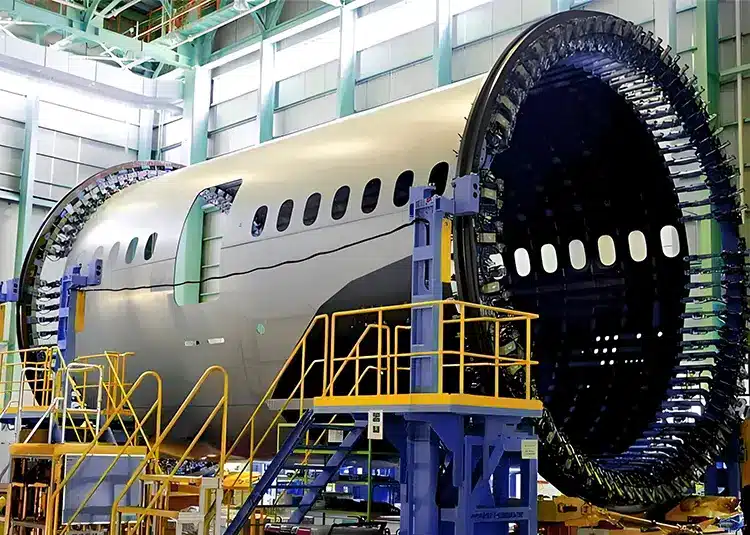
Inconel alloys are renowned for their ability to withstand high temperatures, corrosion, and mechanical stress. Understanding the properties of each grade, as well as the specific demands of your project, will help you make an informed decision. From selecting the ideal Inconel alloy to choosing a trusted supplier, this guide covers all the essential steps to ensure you get the right material for the job.
To make the right choice, it’s important to first understand what Inconel alloys are and why they are ideal for high-temperature and high-stress applications. Let’s take a closer look at the unique properties of Inconel alloys and how they can benefit your project.
What Are Inconel Alloys?
Inconel alloys are high-performance, nickel-chromium-based superalloys designed to perform in extreme environments. They are specifically formulated to handle high temperatures, oxidation, and corrosion, making them ideal for applications in aerospace, power generation, and chemical processing.
Inconel alloys are known for their durability under heat and stress. Industries that require materials that can withstand extreme conditions often rely on Inconel for parts that need to endure harsh environments. From jet engines to industrial reactors, Inconel is engineered for performance.
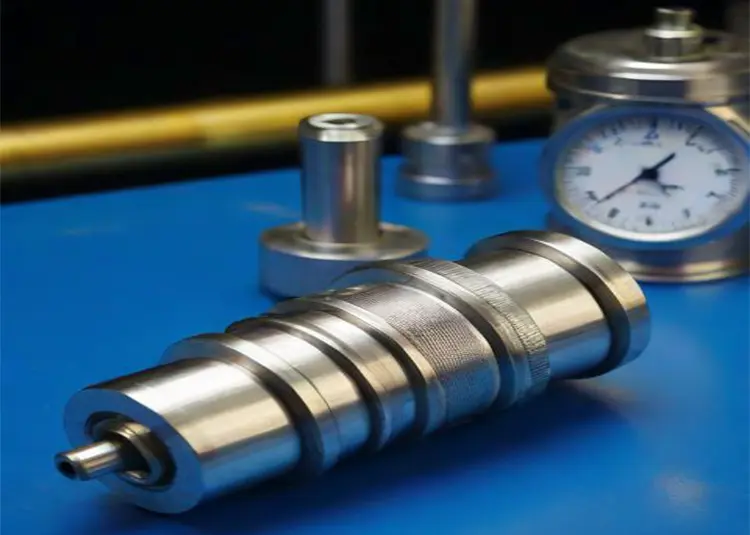
Inconel alloys, such as Inconel 625 and Inconel 718, are used extensively for their ability to maintain strength and resist corrosion under high-pressure and high-temperature conditions. The chemical composition of these alloys ensures that they retain their mechanical properties even when exposed to the most extreme conditions.
4 Steps to Selecting the Best Inconel Alloy
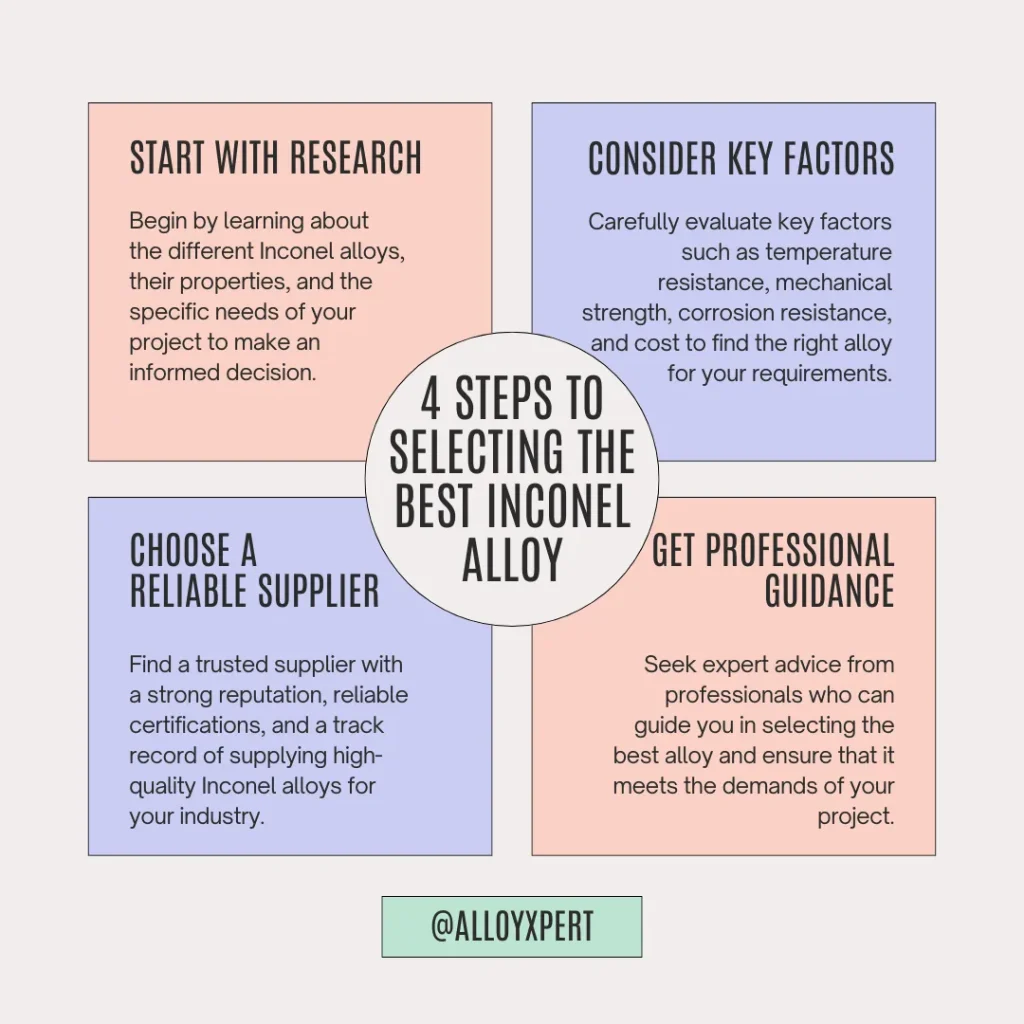
Start with Research
Before choosing the right Inconel alloy, start by gathering information. Learn about the different Inconel grades, key properties and their intended uses. This will help you understand which alloy best fits your needs.
Consider Key Factors
When selecting Inconel, there are several key factors to consider. Below, we break down the important aspects to help you make an informed decision.
Properties of the Inconel
- Temperature Resistance: Inconel alloys can handle high temperatures, but each type has a different range. For example, Inconel 625 is suitable for environments up to 980°C, while Inconel 718 can withstand up to 1300°C. Choose the alloy that matches your application’s temperature range.
- Mechanical Strength and Stress Resistance: If your application involves high mechanical stress, alloys like Inconel 718 are ideal. It offers excellent tensile strength at high temperatures. On the other hand, Inconel 625 excels in low-stress, high-corrosion environments.
- Corrosion and Oxidation Resistance: Inconel alloys are known for their resistance to corrosion and oxidation. If your project is exposed to chemicals or harsh environments, Inconel 625 is the best choice due to its superior corrosion resistance.
Cost and Availability
The cost of Inconel alloys can vary, so it’s important to choose one that fits within your project’s budget. Inconel 625 tends to be more expensive because of its superior corrosion resistance. Check the availability of the alloy and ensure it fits your project timeline.
Application Requirements
Every project has specific needs. For high-temperature applications, Inconel 718 is often preferred for its strength and stability. For chemical processing or marine environments, Inconel 625 is a better choice due to its excellent corrosion resistance. Understanding your project’s needs will help you select the best alloy. Consider how Inconel Grades vary in terms of mechanical properties, resistance to heat, and ability to handle environmental stress.
Choose a Reliable Supplier
When purchasing Inconel alloys, it’s crucial to find a trusted supplier. Look for companies with a proven track record and solid industry reputation. Here’s what to consider when evaluating potential suppliers:
- Where is the company based?
- Do they have recognised certifications?
- Can they provide material certifications?
- Have they worked with reputable companies?
- What is the supplier’s lead time?
- What is their return or replacement policy?
- What is the quality control process?
- Do they provide traceability for their materials?
- What are the minimum order quantities (MOQs)?
- Do they offer technical support?
For further guidance on finding reputable suppliers in specific regions, check out these helpful articles:
Top 10 Inconel Alloy Suppliers Supplying The American Market
Introduction to 10 Famous Inconel Tubing Suppliers In Germany
Get Professional Guidance
If you’re uncertain about which Inconel alloy to choose, it’s helpful to seek advice from experts like AlloyXpert. AlloyXpert is a leading supplier specializing in high-performance alloy metals such as Monel, Inconel, Incoloy, Hastelloy, and many more for over 20 years. You can speak to a Qualified Expert here at AlloyXpert by contacting sales@alloyxpert.com.
Conclusion
Choosing the right Inconel alloy for your project involves more than just understanding the basic properties of the material; it’s about aligning your specific requirements with the unique qualities of each alloy. By conducting thorough research, weighing key factors like temperature resistance, mechanical strength, and cost, and finding a reputable supplier, you’ll be well on your way to making the best selection.