
Introduction
Heat treatment misconceptions can lead to costly mistakes, affecting product quality and performance. From myths about carbon enrichment to misunderstandings about quenching and tempering, these errors often stem from outdated practices or incomplete knowledge. Let’s break down some misleading ideas and set the record straight.
Top Heat Treatment Misconceptions You Should Know
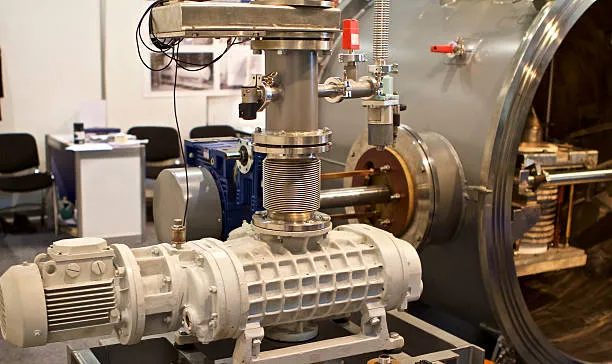
Does Vacuum Heat Treatment Cause Carbon Enrichment?
Misconception: People think carbon enrichment happens because of quenching oil or graphite parts in the chamber.
Reality: Carbon enrichment often comes from poor chamber cleanliness. Residue from quenching oil contaminates the cold walls, creating a volatile atmosphere that deposits carbon on the workpiece. This is especially true during oil quenching at temperatures below 1050°C without pre-cooling before oil immersion.
Can Tempering Colour Accurately Indicate Temperature?
Misconception: Tempering colour shows the exact tempering temperature.
Reality: While tempering colours change with temperature, they are also affected by the duration of tempering. Longer times at the same temperature can cause colours resembling higher temperatures, leading to errors in judgment.
Does Vacuum Heat Treatment Always Minimise Deformation?
Misconception: Vacuum heat treatment results in less deformation every time.
Reality: While it reduces structural changes, it may increase shape-related deformation. Vacuum quenching lacks options like staged cooling or isothermal treatments, which are vital for controlling deformation.
Is Heat Treatment the Main Reason for Die Failure?
Misconception: Heat treatment errors are the primary cause of die failure.
Reality: Die failures can also result from poor material quality, flawed design, or machining issues. Heat treatment is one factor, but not the only one.
Does Correct Hardness Guarantee Longevity?
Misconception: Achieving the right hardness ensures the product won’t fail.
Reality: Hardness is just one aspect. Improper quenching or tempering can impact long-term performance, even if the hardness meets specifications.
How Forging, Hardness, and Processes Are Affected by Heat Treatment Misconceptions
Is Forging Only About Dimensions?
Misconception: Forging is only meant to ensure the right size.
Reality: Forging also improves material properties by eliminating defects and refining grain structures. Focusing solely on size might ignore these benefits and compromise performance.
Does Handbook Hardness Reflect Real-Life Results?
Misconception: Handbook hardness values can always be achieved.
Reality: Real-world conditions like material type, part size, and weight can prevent hitting handbook values exactly.
Is Heat Treatment Always to Blame for Failures?
Misconception: Heat treatment is responsible for all post-process issues.
Reality: Failures often involve design, material selection, or assembly errors. A thorough analysis is needed to pinpoint the root cause.
Debunking Common Quenching and Tempering Misconceptions
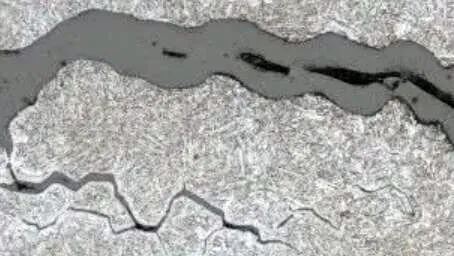
Are Quenching Cracks Caused by One Factor?
Misconception: Cracks happen solely due to improper quenching.
Reality: Cracks result from multiple factors like poor material choice, inadequate cooling rates, or flawed design.
Can Final Machining Prevent Deformation?
Misconception: Heat treatment won’t cause deformation if final machining is done first.
Reality: Deformation control requires preheating, slow heating, proper clamping, and stress-relief processes. Final machining before heat treatment increases the risk of dimensional changes.
Should Hardness Have No Deviation?
Misconception: Hardness must meet an exact number, e.g., 70 HRC, with zero tolerance.
Reality: Even Rockwell hardness testers allow ±1 HRC deviation. Absolute precision is unrealistic.
Must Quenched Parts Cool Fully Before Tempering?
Misconception: Tempering can’t start until parts cool to room temperature.
Reality: Some steels benefit from immediate tempering to prevent cracking. This depends on the steel type and process needs.
Is Warm Tempering Always Necessary?
Misconception: Parts must always be tempered warm after quenching.
Reality: Warm tempering suits some steel grades but isn’t mandatory for all. The martensitic transformation point determines whether it’s necessary.
Can Annealed Parts Be Quenched Immediately?
Misconception: Annealed parts must sit for a week before quenching.
Reality: Immediate quenching after annealing is often better unless specific conditions require a delay.
Annealing and Grain Structure Myths in Heat Treatment
Does Annealing Always Create Equiaxed Grains?
Misconception: Annealing always produces equiaxed grains.
Reality: Grain structure depends on material type, temperature, time, and initial state. Proper control is key to achieving desired results.
Conclusion
Heat treatment misconceptions can lead to costly mistakes and quality issues. By understanding the facts about common myths, like deformation control, quenching cracks, and tempering techniques, you can make informed decisions and improve results. Want more insights on steel processing? Contact Alloyxpert for expert guidance.
Read More:
Steel Naming Convention Explained for Easy Material Selection
How to Identify Metal Cracks in Raw Material, Heat Treatment, and Forging?