
Introduction
When it comes to choosing the right stainless steel, it’s easy to feel lost. With options like 201 vs 304 vs 316 vs 400 Stainless Steel, you might wonder: What’s the difference? Which one should I use for my project? Let’s break it down simply and clearly.
Chemical Composition
When choosing the right stainless steel, understanding the chemical makeup is crucial. 201 vs 304 vs 316 vs 400 Stainless Steel differ in the amounts of nickel, chromium, and other alloys, which affect their performance in various environments.
- 201 Stainless Steel: This steel has a low nickel content (8-10%) and a high manganese content. It’s cheaper than most other stainless steels but still offers decent corrosion resistance for everyday use.
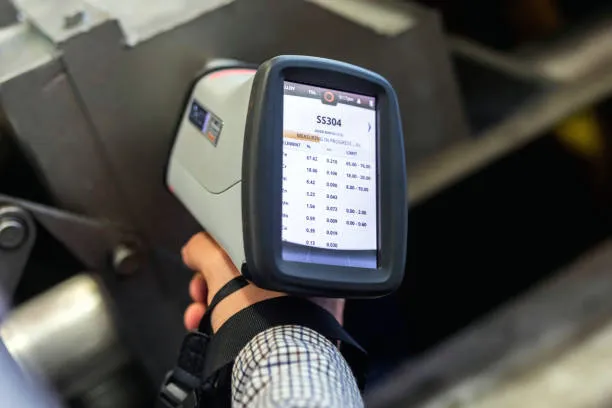
- 304 Stainless Steel: Known for its balance of chromium (18-20%) and nickel (8-10.5%), this steel is a top pick in industries needing good corrosion resistance and strength. It’s the most commonly used stainless steel.
- 316 Stainless Steel: Similar to 304 but with added molybdenum (2-3%), 316 is much more resistant to corrosion, especially in harsh environments like seawater or acidic areas. It’s the go-to choice for tough conditions.
- 400 Stainless Steel: This is a ferritic stainless steel with no nickel. It’s more affordable and stronger than 304 or 316 but doesn’t hold up as well against corrosion. It’s great for high-stress environments but not ideal for corrosive settings.
Physical Properties
Each type of stainless steel has unique physical characteristics. Whether it’s strength, flexibility, or hardness, 201 vs 304 vs 316 vs 400 Stainless Steel vary in how well they withstand physical stress and wear.
- 201 Stainless Steel: Lower strength and hardness but has good flexibility. It’s ideal where formability is needed, like in certain kitchenware and interior decorations.
- 304 Stainless Steel: Offers a solid balance of strength, hardness, and flexibility. It works well in many industries, from food processing to medical devices.
- 316 Stainless Steel: Stronger and harder than 304, thanks to the added molybdenum. It’s perfect for harsh environments where extra strength and toughness are needed.
- 400 Stainless Steel: Known for its high strength and hardness. However, it lacks flexibility and toughness, so it’s more suited for mechanical parts or components exposed to wear and stress.
Corrosion Resistance
Corrosion resistance is key to choosing the right material. 201 vs 304 vs 316 vs 400 Stainless Steel perform differently in harsh conditions, with some types better suited for specific applications, like marine environments or chemical exposure.
- 201 Stainless Steel: It can handle general outdoor use and mild corrosion but struggles in more aggressive conditions.
- 304 Stainless Steel: Handles most acids and chemicals with ease. It’s great for food processing, medical equipment, and everyday products exposed to moisture.
- 316 Stainless Steel: This one shines when it comes to corrosion resistance. It’s perfect for marine environments or any area with saltwater or strong acids.
- 400 Stainless Steel: It performs well in mild conditions but isn’t as resistant to corrosion as 304 or 316. However, it does have strong oxidation resistance in high temperatures.
Applications
Understanding the applications of 201 vs 304 vs 316 vs 400 Stainless Steel can help you make the right choice for your project. Each steel type is better suited for certain environments, from construction to medical and marine uses.
- 201 Stainless Steel: Great for affordable construction, kitchenware, and interior décor. It’s low-cost but may rust in tough conditions, so it’s not ideal for outdoor use in harsh environments.
- 304 Stainless Steel: This is everywhere—used in food processing, medical equipment, and chemical industries. Its corrosion resistance and versatility make it a top choice for many applications.
- 316 Stainless Steel: Ideal for marine engineering, pharmaceuticals, and chemical industries. This steel resists corrosion from saltwater, acids, and other aggressive chemicals.
- 400 Stainless Steel: Typically used in automotive, mechanical, and industrial parts. It’s strong and durable but not the best choice for applications where corrosion resistance is crucial.
FAQs
Which stainless steel is the best for outdoor use?
For outdoor use where exposure to moisture is common, 304 and 316 are better choices. 316 is best if you’re dealing with seawater or highly acidic environments.
Can I use 201 stainless steel for kitchenware?
Yes, 201 can be used for kitchenware, but it’s better suited for indoor use as it may rust faster in wet or harsh conditions.
What makes 316 stainless steel so special?
The addition of molybdenum makes 316 more resistant to corrosion, especially in environments with saltwater or acids.
Is 400 stainless steel good for heavy-duty applications?
Yes, 400 is strong and durable, making it suitable for heavy-duty mechanical and automotive parts, but it’s less resistant to corrosion.
Conclusion
Choosing between 201 vs 304 vs 316 vs 400 Stainless Steel boils down to your project’s needs. Whether you’re looking for affordability, strength, or top-tier corrosion resistance, there’s a type for you. So, when you’re ready to pick the right stainless steel, think about the environment it’ll be in, the strength you need, and how much corrosion resistance matters. This way, you can get the best steel from 201 vs 304 vs 316 vs 400 Stainless Steel, without any guesswork.
Read More:
Strength vs Stiffness vs Hardness: What’s the Difference?