
Introduction
Hydrogen embrittlement is a serious issue that affects the strength of metals, often leading to unexpected failures. This can put industrial equipment and production at risk. In simple terms, hydrogen in metal can weaken its structure, making it more likely to break under pressure. So, why does this happen, and how can we prevent it?
Let’s dive into the causes and ways to prevent hydrogen embrittlement in metals, with clear, actionable steps.
What is Hydrogen Embrittlement?
Hydrogen embrittlement (HE) is when metal loses its strength and becomes brittle because of the presence of hydrogen. This can happen during the production process or when metals are exposed to hydrogen-rich environments.
Hydrogen embrittlement is dangerous because it can cause sudden and unpredictable failures in critical equipment. Imagine a steel part in a pipeline or a machine that suddenly breaks because hydrogen made it too weak. This can be costly and dangerous for both the equipment and the people using it.
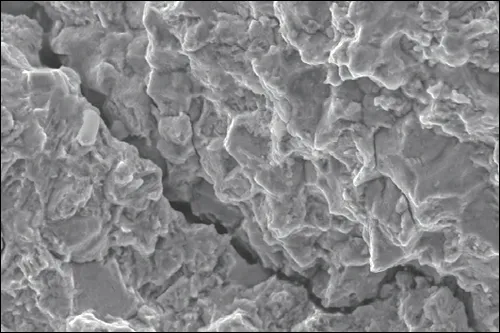
Causes of Hydrogen Embrittlement
Hydrogen embrittlement isn’t just one thing—it’s a result of several factors coming together. Let’s break down the main causes:
Hydrogen Infiltration During Manufacturing
Hydrogen can sneak into metal during manufacturing. Here’s how:
- Electroplating, Welding, and Acid Cleaning: These processes can expose metal surfaces to hydrogen, which then enters the material.
- High-Temperature Environments: When metals are heated, hydrogen can diffuse into them, reacting with elements like carbon to create pressure and cracks.
Hydrogen Diffusion and Accumulation
Once hydrogen is inside the metal, it moves quickly. In areas where there’s stress or flaws in the metal, hydrogen tends to gather, causing internal pressure. This pressure can distort the metal’s structure and lead to fractures.
Material Sensitivity
Not all metals react to hydrogen the same way. High-strength steels and titanium alloys, for example, are more sensitive to hydrogen, making them more prone to embrittlement.
Stress and Hydrogen Together
When there’s stress on a metal, it’s easier for hydrogen to spread and gather in specific areas. These spots become weak points, where cracks can begin, leading to failure under lower stress than expected.
How to Prevent Hydrogen Embrittlement?
Given the risk, preventing hydrogen embrittlement is crucial. Here are some practical steps to reduce the chances of it happening.
Control Hydrogen Exposure
- During Manufacturing: Use hydrogen-free or low-hydrogen materials during processes like welding or electroplating.
- Acid Cleaning: If the metal needs to be cleaned with acid, choose methods that minimise hydrogen absorption.
Choose Materials Resistant to Hydrogen
- Material Selection: Use metals that are less sensitive to hydrogen. For example, low-strength steel is better for pipelines carrying hydrogen because it is less likely to suffer from embrittlement.
- Alloy Additions: For high-strength materials, adding certain alloys can improve resistance to hydrogen.
Heat Treatment to Reduce Hydrogen
- Annealing and Tempering: These processes reduce residual stress and hydrogen in metals. Ensure heating temperatures and times are strictly controlled to avoid introducing more hydrogen.
- Hydrogen Removal: After electroplating, heat the workpieces to remove any trapped hydrogen.
Design and Manufacturing Adjustments
- Avoid Stress Points: In your designs, reduce stress concentration areas. This helps to prevent the accumulation of hydrogen in weak spots.
- Use Good Manufacturing Practices: During production, use proper lubricants and processing techniques to avoid damaging the metal surface and allowing hydrogen to seep in.
Monitor and Test Regularly
- Regular Inspections: Regularly check for signs of hydrogen embrittlement through hardness tests or fracture toughness testing.
- Timely Repairs: If you spot hydrogen embrittlement, address the problem quickly by repairing or replacing damaged equipment.
Protective Coatings
- Coatings: Use coatings that can prevent hydrogen from entering the metal. These coatings should be durable and resistant to corrosion.
- Cathodic Protection: Applying a protective electrical charge can help lower hydrogen concentrations on the surface of metals.
Conclusion
Hydrogen embrittlement is a real threat that can weaken metals and lead to failures. By controlling hydrogen exposure, selecting the right materials, and implementing proper treatment processes, we can significantly reduce the risk of embrittlement. Regular monitoring and protective coatings are also key to keeping metal parts safe and functional.
Looking for more prevention tips? Get in touch with Alloyxpert today!
FAQs
Can all metals suffer from hydrogen embrittlement?
Not all metals are equally vulnerable. High-strength metals like steel and titanium alloys are more likely to experience embrittlement when exposed to hydrogen.
How can I tell if a metal has been affected by hydrogen embrittlement?
Common signs include cracks or fractures that appear under lower-than-expected stress. Regular testing for hardness or fracture toughness can help identify early signs.
What materials are best to avoid hydrogen embrittlement?
Low-strength metals are less likely to experience hydrogen embrittlement. If you need high-strength materials, choose alloys specifically designed to resist hydrogen damage.
Read More:
Top 20 Metal Materials Every Mechanical Engineer Should Know