
Introduction
When it comes to keeping materials safe from corrosion, the right treatment is crucial. Not only does it help improve a material’s durability, but it also prevents costly repairs or replacements. With so many methods available, choosing the best one for your needs can be tricky. Let’s dive into the top anti-corrosion treatments and how to pick the right one for your situation.
Coating Protection
Coating is one of the easiest ways to stop corrosion. By applying a layer of protective paint, you can block corrosive elements like water, chemicals, or air from touching the material.

Common types of coatings include:
- Oil-based paints
- Epoxy resin coatings (great for adhesion and resistance)
- Fluorocarbon paints (ideal for outdoor use)
When to Use Coating
Coating is perfect for metal and steel exposed to harsh weather or chemicals. For example, if you’re dealing with coastal or marine environments, you’ll need coatings that can withstand salt. Also, if the material needs to resist high temperatures, ceramic coatings are a good choice.
Metal Plating
Metal plating involves covering a material with a layer of a corrosion-resistant metal, such as zinc, tin, chromium, or nickel.
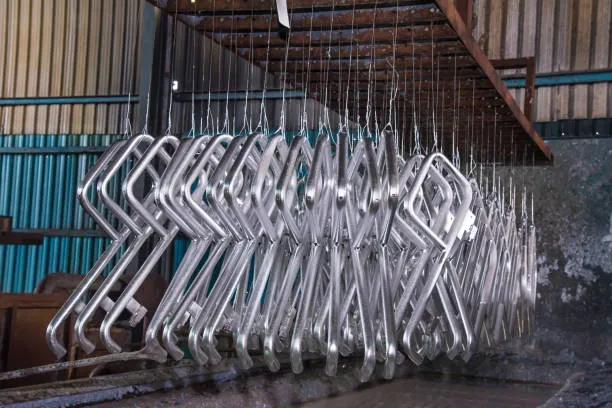
There are a few different methods to choose from:
- Electroplating: A cost-effective way of adding a thin layer of zinc or nickel.
- Hot-Dip Galvanizing: This process forms a thicker, more durable coating.
- Metal Spraying: Metal is sprayed onto the surface, which works well for large structures like bridges.
When to Use Metal Plating
If you’re working with metal parts that need to resist rust or wear, plating is a solid choice. Hot-dip galvanizing works best for larger structures exposed to the outdoors, while electroplating is ideal for smaller components or when aesthetics matter.
Electrochemical Protection
Electrochemical protection adjusts the metal’s electrochemical state to prevent corrosion. There are two main types:
- Cathodic Protection: This method reduces corrosion by using a sacrificial anode or impressed current.
- Anodic Protection: An electrical current is applied to form a protective oxide layer on the metal surface.
When to Use Electrochemical Protection
Cathodic protection is widely used in industries like oil and gas for pipelines, as it significantly reduces corrosion in aggressive environments.
Alloying
Alloying means adding elements like chromium or manganese to a base metal to improve its corrosion resistance. Stainless steel, for example, is a result of alloying and is highly resistant to corrosion.
When to Use Alloying
If you need a material with both strength and resistance to corrosion, alloying is a great option. Stainless steel is commonly used in everything from kitchen appliances to construction due to its durability.
Surface Passivation
Passivation forms a thin, protective oxide film on the surface of the metal. Common methods include:
- Phosphating: It creates a smooth surface that enhances the metal’s ability to bond with paints.
- Chromate Conversion Coating: This method forms a dense protective layer, improving corrosion resistance.
When to Use Surface Passivation
This is ideal for metals that need to stay clean and resist rust, like aluminum and steel, especially before applying additional coatings.
Other Anti-Corrosion Methods
There are other, less common methods that can provide corrosion protection, including:
- Corrosion Inhibitors: Additives that reduce corrosion in specific environments, like fuels or lubricants.
- Environmental Control: Limiting exposure to moisture or certain chemicals.
- Nanotechnology: Ultra-thin protective coatings.
- Biotechnology: Using biofilms to protect metals.
When to Use These Methods
These techniques are typically used in specific conditions, like in electronics or when there are space constraints for traditional coatings.
Conclusion
Picking the right anti-corrosion treatment depends on the material, environment, and budget. It’s essential to consider the conditions the material will face, whether it’s exposure to salt, chemicals, or high temperatures. By choosing the correct method, you can ensure your materials last longer, perform better, and avoid costly maintenance.
FAQs
What’s the most cost-effective anti-corrosion treatment?
Coating, like epoxy resin or zinc plating, tends to be the most budget-friendly, especially for smaller parts or equipment.
How long do metal coatings last?
It varies by the environment, but properly applied coatings can last several years, sometimes even decades, before needing maintenance.
Can I combine different anti-corrosion treatments?
Yes, many times combining methods (like plating and coating) can provide enhanced protection.
Read More:
Types and Applications of Cemented Carbide: A Clear Overview