
Introduction
Hastelloy C22 is a high-performance, corrosion-resistant alloy commonly used in demanding industrial applications. Known for its exceptional resistance to pitting, stress-corrosion cracking, and other forms of corrosion, C22 Hastelloy is a popular choice in chemical processing, aerospace, and high-temperature applications. In this article, we’ll explore what makes Hastelloy C22 stand out, its key properties, and the industries that benefit most from its performance.
What is Hastelloy C22?
Hastelloy C22 (UNS N06022) is a highly versatile, nickel-chromium-molybdenum alloy known for its outstanding resistance to corrosion and excellent weldability. Designed for use in severe environments, it offers superb resistance to pitting, stress-corrosion cracking, and general corrosion in harsh chemical and industrial applications.
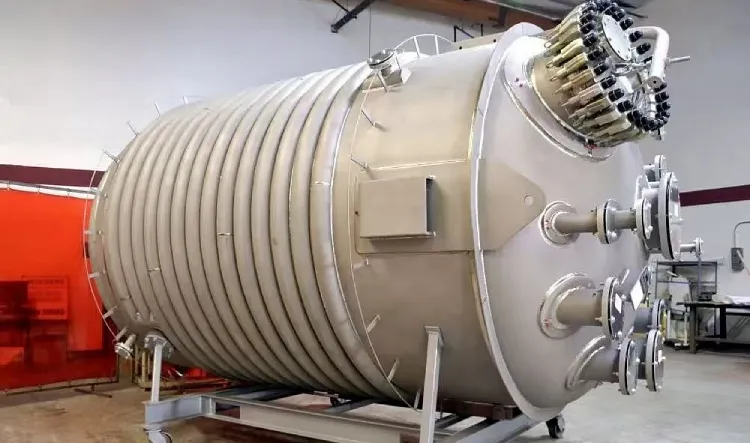
Hastelloy C-22 Data Sheet
Hastelloy C22 Chemical Composition
| Element | Content (%) |
| Nickel (Ni) | Balance |
| Chromium (Cr) | 20.0 – 22.5 |
| Molybdenum (Mo) | 12.5 – 14.5 |
| Tungsten (W) | 2.5 – 3.5 |
| Iron (Fe) | 2.0 – 6.0 |
| Cobalt (Co) | ≤ 2.5 |
| Manganese (Mn) | ≤ 0.50 |
| Silicon (Si) | ≤ 0.08 |
| Carbon (C) | ≤ 0.015 |
| Phosphorus (P) | ≤ 0.02 |
| Sulfur (S) | ≤ 0.02 |
| Vanadium (V) | ≤ 0.35 |
Hastelloy C22 ASTM Specification
| Shape | ASTM Specification |
| Sheet / Plate | B575 |
| Pipe (Smls & Welded) | B622, B619 |
| Tube (Smls & Welded) | B622, B626 |
| Bar | B574 |
C22 Hastelloy Physical Properties
| Property | Value |
| Density | 8.69 g/cm³ |
| Melting Point | 1357 – 1399 °C |
| Thermal Expansion Coefficient (20 – 100 °C) | 12.4 μm/m°C |
| Elastic Modulus | 205.5 kN/mm² |
| Electrical Resistivity | 44.9 μΩ·in (1.14 μΩ·m) |
| Specific Heat Capacity | 0.098 BTU/lb·°F (414 J/kg·°C) |
Hastelloy C22 Mechanical Properties
| Property | Value |
| Tensile Strength (Annealed) | ~660 N/mm² |
| Yield Strength (0.2% Offset, Annealed) | ~283 N/mm² |
| Elongation (Annealed) | ≥ 45% |
| Hardness (Annealed) | ~94 HRB |
Hastelloy C22 Corrosion Resistance
- General Corrosion: Exhibits excellent corrosion resistance in various strong acids such as sulfuric acid, hydrochloric acid, and nitric acid at different concentrations. For instance, in sulfuric acid solutions with a concentration below 50%, it can maintain good corrosion resistance even at elevated temperatures.
- Pitting and Crevice Corrosion: It has a relatively high Pitting Resistance Equivalent Number (PREN), usually around 46. This gives it outstanding resistance to pitting and crevice corrosion in chloride – containing environments like seawater and brine solutions.
- Stress – Corrosion Cracking: Demonstrates high resistance to stress – corrosion cracking in most environments containing chlorides, sulfides, etc.
C22 Hastelloy Fabrication and Machining
| Process | Details |
| Welding | GTAW, GMAW, SMAW; use similar – composition filler |
| Machining | Use carbide tools; cutting speed 60 – 180 m/min, feed 0.05 – 0.2 mm/r, depth 0.5 – 2 mm |
What Are the Advantages of Hastelloy C-22?
- Exceptional Corrosion Resistance: Resists corrosion in harsh environments like chlorides, acids, and chemicals. It prevents stress-corrosion cracking and pitting, making it a reliable choice for the chemical processing industry where chemical processing alloys are needed.
- Excellent Weldability: Unlike many superalloys, this alloy is easy to weld and fabricate with little risk of degradation. It’s perfect for applications needing complex fabrication, like making Hastelloy alloys for aerospace and chemical industry equipment.
- Superior Performance in High-Temperature Environments: Withstand temperatures up to 1200°F (650°C) without degrading. It stays strong even in high heat and corrosive conditions, making it perfect for high-performance alloys used in aerospace and power generation.
- Ideal for Harsh Chemical Environments: With strong resistance to chemicals like hydrochloric acid, sulfuric acid, and chloride solutions, this alloy excels in chemical processing and industries exposed to harsh conditions.
What is C22 Used For?
- Chemical Processing: Reaction vessels, heat exchangers, piping for corrosive chemicals
- Pollution Control: Scrubbers, Exhaust & wastewater treatment equipment
- Oil and Gas: Wellhead equipment, pipelines, valves
- Pharmaceutical & Biotech: Reactors, vessels, piping for pharmaceutical and bioprocessing
How Does Hastelloy C-22 Compare to Other Alloys?
Hastelloy C-22 vs C-276
Hastelloy C-22 offers better resistance to pitting and crevice corrosion compared to C-276. C-22 is more effective in environments with high chloride concentrations and performs better in stress-corrosion cracking situations. C-276 is also highly resistant to corrosion but is not as versatile as C-22 in extreme conditions, especially at higher temperatures.
Hastelloy C-22 vs C-4
Hastelloy C-22 is more resistant to a wider range of harsh chemicals than C-4, especially acids and chlorides. C-4 excels in less aggressive environments, but C-22 offers superior performance in harsh, high-temperature conditions. C-22’s ability to resist oxidation and corrosion in extreme settings makes it the better choice for tough applications.
Hastelloy C-22 vs Stainless Steel 316
Hastelloy C-22 provides superior corrosion resistance compared to Stainless Steel 316, particularly in environments with chlorides. While 316 stainless steel is good for less aggressive environments, C-22 offers better protection in harsh chemical settings and at high temperatures. C-22 is ideal for applications that demand long-term durability and performance in challenging conditions.
Conclusion
Hastelloy C22 is a versatile, high-performance alloy that excels in harsh environments, offering unparalleled corrosion resistance and strength at high temperatures. Whether for aerospace, chemical processing, or other industrial uses, C22 Hastelloy ensures long-lasting, reliable performance. If you’re looking for a material that can handle the toughest applications, Hastelloy C22 is an excellent choice.
Read More: