
Introduction
Choosing the right stainless steel grade for a marine environment is a critical decision that impacts the longevity and performance of marine structures and vessels. With the harsh and corrosive nature of seawater, selecting an inappropriate grade can lead to premature failure, increased maintenance costs, and significant safety risks. This article delves into the essential factors to consider when determining the suitable stainless steel grade for marine applications, ensuring durability and reliability in one of the toughest environments on earth.
What Are The Requirements of Marine Environments For Stainless Steel Sheets?
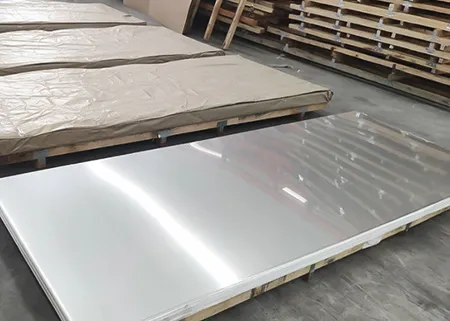
In marine environments, stainless steel sheets must exhibit outstanding corrosion resistance to withstand harsh conditions such as oxidation, salt spray, and seawater. Different corrosive environments, such as those with high chloride content or frequent salt spray, can have varying impacts on stainless steel. Chlorides, in particular, can lead to pitting and crevice corrosion, which can severely compromise the integrity of the material.
Research and Data Support: Studies have shown that stainless steels with high chromium and nickel content, such as 316 and 904L, offer superior corrosion resistance in marine environments. For example, stainless steel with 16-18% chromium and 10-14% nickel content can significantly improve resistance to pitting and crevice corrosion. According to ASTM A240/A240M (American standard) and EN 10088-2 (European standard), these grades meet the necessary corrosion performance requirements for marine applications.
-
Oxidation Resistance
Stainless steel sheets in marine environments also require excellent oxidation resistance to resist the effects of oxygen. The formation and maintenance of protective oxide layers are key parameters for oxidation resistance. This oxide layer, primarily composed of chromium oxide, acts as a barrier to prevent further oxidation and rusting.
Oxidation Testing Standards: The ASTM G48 standard is commonly used to evaluate the pitting and crevice corrosion resistance of stainless steel. Ensuring that the selected stainless steel grade can maintain this protective layer over extended periods in marine environments is crucial for preventing rust and degradation.
-
Strength and Fatigue Resistance
Marine environments may involve dynamic factors like waves and tides, so stainless steel sheets must possess sufficient strength and fatigue resistance to ensure structural safety and stability. The mechanical performance requirements for stainless steel sheets, such as tensile strength and yield strength, are typically specified by national standards.
Dynamic Load Impact: For example, the impact of dynamic loads like waves and tides can induce cyclic stresses on marine structures, leading to fatigue failure over time. Specific high-strength stainless steel grades like 304 and 316L are known for their excellent mechanical properties. Grade 304 offers a good balance of strength and formability, while grade 316L, with added molybdenum, provides enhanced resistance to both pitting and stress corrosion cracking.
Importance of Choosing Stainless Steel Sheets Suitable for Marine Environment
-
Structural Safety
In marine engineering and shipbuilding, the choice of stainless steel sheets directly affects structural safety. Improper material selection can lead to severe corrosion issues, compromising the integrity of marine structures. For instance, using a lower-grade stainless steel in a high-chloride environment can result in rapid pitting and crevice corrosion, leading to structural failures.
Case Study: An offshore oil platform experienced significant structural damage due to the use of an unsuitable stainless steel grade, which lacked sufficient corrosion resistance. This resulted in extensive repairs and increased operational downtime, highlighting the critical importance of selecting the right material.
Extended Lifespan: High-quality stainless steels, such as 316L and 2205, are designed to withstand harsh marine conditions, significantly extending the service life of structures. These grades provide superior resistance to pitting, crevice corrosion, and stress corrosion cracking, ensuring long-term durability and safety.
-
Cost-Efficiency and Maintainability
Choosing the correct stainless steel grade can offer significant benefits in terms of cost-efficiency and maintainability. High-performance stainless steels may have a higher initial cost, but they reduce maintenance expenses and replacement frequency over time.
Cost Comparison: Initial Costs: While 316L stainless steel might cost more upfront compared to a lower-grade material, the long-term benefits outweigh the initial investment.
Maintenance Savings: Lower-grade materials often require frequent maintenance and replacements due to corrosion damage. In contrast, high-quality stainless steels reduce the need for such interventions, saving both time and money.
Example: A marine construction project using 316L stainless steel observed a 30% reduction in maintenance costs over a 10-year period compared to a similar project using a lower-grade material.
-
Compliance with National Standards
Selecting stainless steel sheets that comply with national standards is crucial to ensuring project compliance and performance reliability. National standards, such as EN 10088-2 and ASTM A240/A240M, specify the chemical composition and mechanical properties required for stainless steels used in marine environments.
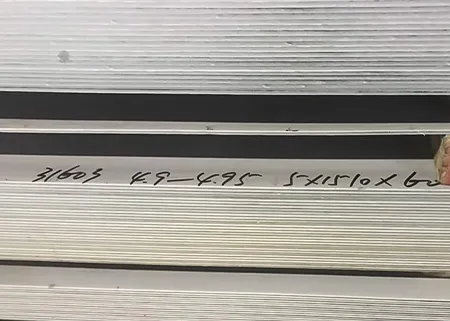
Specific Standards:
EN 10088-2: This European standard outlines the technical delivery conditions for corrosion-resistant stainless steels, ensuring that materials meet stringent quality and performance criteria.
ASTM A240/A240M: This American standard specifies the requirements for chromium and chromium-nickel stainless steel plate, sheet, and strip for pressure vessels and general applications, ensuring materials are suitable for demanding marine conditions.
What Factors Matter When Selecting Stainless Steel Grades For Marine Environments?
Selecting stainless steel grades for marine environments is crucial due to the harsh conditions that these environments present. The primary factors to consider include:
Corrosion Resistance
Pitting and Crevice Corrosion Resistance: Marine environments are highly corrosive due to saltwater. Stainless steel grades like 316 and 317, which contain higher levels of molybdenum, offer better resistance to pitting and crevice corrosion.
Chloride Stress Corrosion Cracking (SCC): Higher chloride levels in marine environments can cause stress corrosion cracking. Grades like 2205 duplex stainless steel are more resistant to SCC.
-
Mechanical Properties
Strength and Toughness: The mechanical strength and toughness of the steel are important for withstanding the mechanical stresses and impacts in marine applications. Duplex and super duplex stainless steels offer high strength and toughness.
Ductility: The ability of the material to deform without breaking is crucial, especially in environments where the steel may experience dynamic loads.
-
Temperature Resistance
Cryogenic Temperatures: In some marine applications, materials may be exposed to very low temperatures. Austenitic stainless steels, such as 304 and 316, perform well in these conditions.
High Temperatures: Some marine environments may also have high-temperature conditions, requiring stainless steel grades that can maintain their properties at elevated temperatures.
-
Weldability
Ease of Fabrication: The ability to weld the stainless steel effectively is crucial for constructing marine equipment and structures. Grades like 304 and 316 are known for their good weldability.
-
Cost Considerations
Initial Cost vs. Lifecycle Cost: While higher alloyed grades like 316 and duplex stainless steels are more expensive initially, their longer lifespan and reduced maintenance costs can be more economical in the long run.
-
Availability
Material Availability: The selected grade should be readily available in the required forms (sheets, plates, bars, etc.) to avoid delays and additional costs.
-
Environmental Regulations
Compliance: The selected stainless steel grade should comply with environmental regulations and standards, ensuring it is safe and suitable for the intended marine application.
What Stainless Steel Grades Are Suitable For Marine Environments?
316 stainless steel is commonly used in marine environments. It exhibits excellent corrosion resistance, making it particularly suitable for use in seawater and salt spray conditions. Applications include shipbuilding, marine engineering, seawater treatment equipment, and marine structures.
Chemical Composition and Performance
| Element | Cr | Ni | Mo | Mn | Si | C | P | S | Fe |
| Content (%) | 16-18 | 10-14 | 2-3 | ≤2 | ≤1 | ≤0.03 | ≤0.04 | ≤0.03 | Resting |
Mechanical Properties
| Mechanical Properties | Tensile Strength (MPa) | Yield Strength (MPa) | Elongation (%) | Hardness (HB) |
| Typical Values | 485 | 170 | 40 | 149 |
Application Examples:
- Shipbuilding: 316L is widely used in the construction of hulls and decks, where exposure to seawater and salt spray is constant.
- Seawater Treatment Equipment: This grade is ideal for desalination plants and other equipment that processes seawater due to its ability to resist corrosion in high-salinity environments.
- Marine Structures: Bridges, piers, and offshore platforms often utilize 316L stainless steel to ensure longevity and structural integrity.
- Coastal Buildings: Facades and structural components of buildings near the coast benefit from 316L’s resistance to atmospheric corrosion.
Performance in Different Corrosive Environments: 316L stainless steel exhibits superior performance in a variety of corrosive environments. In addition to resisting pitting and crevice corrosion, it also performs well against stress corrosion cracking. Its low carbon content prevents sensitization and subsequent intergranular corrosion, making it a reliable choice for long-term applications in marine settings.
2205 stainless steel is a duplex stainless steel with excellent corrosion resistance and strength. It is suitable for marine environments that require high strength and corrosion resistance. Applications include marine structures, seawater treatment, and marine oil pipelines.
Chemical Composition and Performance
| Element | Cr | Ni | Mo | Mn | Si | S | P | Fe |
| Content (%) | 22-23 | 4.5-6.5 | 3-3.5 | ≤2 | ≤1 | ≤0.02 | ≤0.03 | Resting |
Mechanical Properties
| Mechanical Properties | Tensile Strength (MPa) | Yield Strength (MPa) | Elongation (%) | Hardness (HB) |
| Typical Values | 620 | 450 | 25 | 293 |
Advantages in High-Strength and High-Corrosion Environments:
- High Strength: 2205 has nearly twice the yield strength of austenitic stainless steels like 316L, making it ideal for structures that require both corrosion resistance and high mechanical strength.
- Corrosion Resistance: The combination of chromium, molybdenum, and nitrogen in 2205 provides exceptional resistance to chloride-induced stress corrosion cracking, pitting, and crevice corrosion.
- Applications: This grade is commonly used in marine oil pipelines, chemical tankers, and other structures exposed to harsh marine and industrial environments. Its superior strength allows for thinner sections and reduced weight without compromising durability.
904L stainless steel is a high-alloy stainless steel known for its excellent corrosion resistance and oxidation resistance. It performs exceptionally well in some extreme marine environments. Applications include seawater treatment equipment, chemical tanks, and marine structures.
Chemical Composition and Performance
| Element | Cr | Ni | Mo | Cu | Mn | Si | S | P | V | Fe |
| Content (%) | 19-23 | 23-28 | 4-5 | 1.2-2.0 | ≤2 | ≤0.7 | ≤0.02 | ≤0.03 | ≤0.1 | Resting |
Mechanical Properties
| Mechanical Properties | Tensile Strength (MPa) | Yield Strength (MPa) | Elongation (%) | Hardness (HB) |
| Typical Values | 490 | 215 | 35 | 150 |
Aplications in Extreme Environments:
- Chemical Processing Plants: 904L is used in equipment handling highly corrosive acids and chemicals, thanks to its ability to withstand both oxidizing and reducing environments.
- Seawater Desalination Equipment: Its resistance to chloride ion stress corrosion cracking and pitting makes it an excellent choice for seawater treatment facilities.
- Marine Structures: 904L is used in marine structures exposed to extreme conditions, such as offshore oil rigs and underwater pipelines, where both strength and corrosion resistance are critical.
- Pharmaceutical Industry: This grade is also employed in the pharmaceutical industry where high purity and resistance to corrosion are essential.
Final Thoughts!
When selecting stainless steel grades suitable for marine environments, key factors include corrosion resistance, oxidation resistance, and strength and fatigue resistance. The marine environment demands high corrosion resistance from stainless steel plates to withstand harsh conditions such as oxidation, salt spray, and seawater. Stainless steels with high chromium, nickel, and molybdenum content are preferred to ensure stability and durability in these conditions.
Common stainless steel grades suitable for marine environments include 316L, 2205, and 904L. These grades are widely used in marine engineering, shipbuilding, and seawater treatment equipment due to their excellent corrosion resistance, oxidation resistance, and mechanical properties. Choosing the right stainless steel grade not only enhances structural safety but also reduces maintenance costs, ensuring the project’s economic viability and maintainability.
Related Articles:
How To Choose The Best Boiler Tube For Maximum Efficiency?
How To Select The Best Stainless Steel Bar?
How To Select The Best Tube Stainless Steel 316L For Your Needs?