
Introduction
Inconel alloys are nickel-chromium-based superalloys designed for extreme environments, where they exhibit excellent resistance to heat and corrosion. Inconel Alloy 600 and Inconel Alloy 601 are commonly used in high-temperature applications due to their durability and oxidation resistance. This article compares these two alloys to help you choose the right material for your needs.
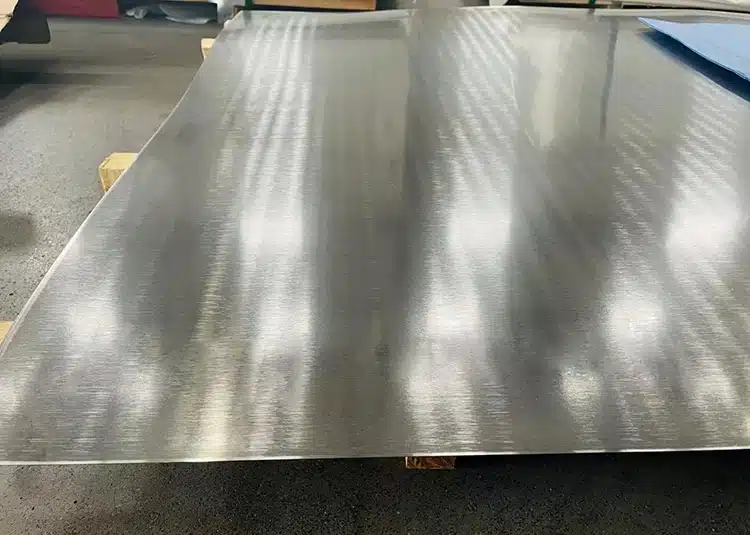
What Is Inconel 600?
Inconel 600 is a nickel-chromium alloy known for its excellent resistance to oxidation, corrosion, and high temperatures. It maintains strength and stability across a wide temperature range, making it ideal for applications like chemical processing, aerospace, and nuclear reactors.
What Is Inconel 601?
Inconel 601 is a nickel-chromium alloy with enhanced aluminum content, providing superior resistance to oxidation and scaling at high temperatures. Its exceptional durability makes it suitable for heat-treating equipment, furnace components, and combustion systems.
What Are the Differences Between Inconel Alloy 600 and 601?
Chemical Composition
| Element | Inconel 600 | Inconel 601 |
| Nickel (Ni) | 72% | 58-63% |
| Chromium (Cr) | 14-17% | 21-25% |
| Iron (Fe) | 6-10% | Balance |
| Aluminum (Al) | — | 1.0-1.7% |
| Carbon (C) | ≤ 0.15% | ≤ 0.10% |
| Manganese (Mn) | ≤ 1.0% | ≤ 1.0% |
| Silicon (Si) | ≤ 0.5% | ≤ 0.5% |
From the table, both alloys show similar control of sulfur, silicon, and manganese, ensuring comparable purity and performance. The key difference is Inconel Alloy 601’s added aluminum, which boosts its oxidation resistance at high temperatures, making it more suitable for extreme heat applications compared to Inconel Alloy 600.
Corrosion Resistance
| Corrosive Environment | Inconel 600 | Inconel 601 |
| Oxidation | Excellent up to 1093°C | Superior up to 1260°C |
| Sulfuric Acid | Good | Moderate |
| Hydrochloric Acid | Limited resistance | Limited resistance |
| High-Temperature Gases | Excellent | Excellent |
| Aqueous Corrosion | Good in alkaline solutions, less effective in acidic environments | Good but more suited to high-temperature corrosion |
Inconel Alloy 600 provides excellent resistance to oxidation and high-temperature gases, making it ideal for chemical processing and aerospace. Inconel Alloy 601 offers superior oxidation resistance at higher temperatures due to its aluminum content, making it more suitable for furnace components and other extreme heat environments. However, neither alloy is particularly resistant to hydrochloric acid or highly acidic environments.
Physical Properties
| Property | Inconel 600 | Inconel 601 |
| Density | 8.47 g/cm³ | 8.11 g/cm³ |
| Melting Point | 1354-1413°C | 1365-1410°C |
| Thermal Conductivity | 14.9 W/m·K at 20°C | 13.3 W/m·K at 20°C |
| Tensile Strength | 550 MPa | 655 MPa |
| Yield Strength | 240 MPa | 310 MPa |
| Elongation | 30% | 33% |
From the table, Inconel Alloy 601 demonstrates slightly higher tensile and yield strengths compared to Inconel Alloy 600, making it more durable under mechanical stress. Additionally, while both alloys have excellent high-temperature stability, Inconel 601’s lower thermal conductivity and higher elongation make it more resistant to cracking under thermal cycling conditions.
Mechanical Properties
| Property | Inconel 600 | Inconel 601 |
| Tensile Strength | 550 MPa | 655 MPa |
| Yield Strength | 240 MPa | 310 MPa |
| Hardness (Rockwell B) | 88 | 95 |
| Elongation at Break | 30% | 33% |
| Creep Resistance | Good | Excellent |
Inconel Alloy 601 outperforms Inconel Alloy 600 in tensile strength, yield strength, and hardness, indicating its greater durability in high-stress applications. Additionally, its superior creep resistance makes it ideal for environments where prolonged exposure to high temperatures is common. The slightly higher elongation at break also suggests better flexibility under stress, reducing the likelihood of cracking.
Thermal Properties
| Property | Inconel 600 | Inconel 601 |
| Melting Point | 1354-1413°C | 1365-1410°C |
| Maximum Service Temperature | 1093°C | 1260°C |
| Thermal Conductivity | 14.9 W/m·K at 20°C | 13.3 W/m·K at 20°C |
| Thermal Expansion | 13.3 µm/m·°C at 20°C | 12.9 µm/m·°C at 20°C |
Inconel Alloy 601 exhibits a slightly higher maximum service temperature (1260°C) than Inconel Alloy 600 (1093°C), making it more suitable for prolonged exposure to extreme heat. In terms of thermal conductivity, Inconel 600 is marginally better, but both alloys demonstrate good stability in high-temperature environments. Their similar thermal expansion properties ensure stability and minimal distortion under thermal cycling conditions.
Weldability and Fabrication
| Property | Inconel 600 | Inconel 601 |
| Weldability | Good, but requires preheating and post-weld heat treatment for some applications | Good, better weldability due to added aluminum content, requires minimal post-weld heat treatment |
| Fabrication Ease | Moderate, can be machined using standard techniques but requires high-speed tools | Easier to fabricate due to higher strength and better ductility |
| Post-Weld Heat Treatment | Often recommended to avoid cracking and to maintain corrosion resistance | Generally not required unless in highly critical applications |
| Formability | Good, retains formability despite high strength | Excellent, with improved formability and resistance to cracking during fabrication |
Inconel Alloy 601 generally offers better weldability than Inconel Alloy 600 due to its enhanced aluminum content, which reduces the need for extensive post-weld heat treatment. While both alloys are moderately challenging to machine, Inconel 601 is slightly easier to fabricate thanks to its improved formability and strength.
Applications
| Application Area | Inconel 600 | Inconel 601 |
| Chemical Processing | Heat exchangers, evaporator tubes, reactor vessels | Furnace liners, catalyst support grids |
| Aerospace | Jet engine components, turbine blades | Combustion chambers, exhaust systems |
| Nuclear Industry | Reactor control rods, heat shields | Heat-treating baskets, nuclear reactor internals |
| Power Generation | Steam generators, boiler components | Heat recovery systems, gas turbine components |
| Petrochemical Industry | Ethylene production, petrochemical heaters | Radiant tubes, thermal reactors |
| Heat Treatment | Annealing and carburizing equipment | Furnace muffles, retorts, radiant tubes |
Inconel Alloy 600 is commonly used in chemical processing, aerospace, and nuclear industries due to its excellent corrosion and heat resistance. On the other hand, Inconel Alloy 601, with its enhanced oxidation resistance and mechanical strength, is favored in applications involving extreme heat, such as furnace components and gas turbines.
Price
Inconel 601 typically costs more than Inconel 600 due to its enhanced oxidation resistance and superior mechanical properties. However, the price difference may vary depending on market conditions, material availability, and specific application requirements. For cost-sensitive projects that do not require extreme heat resistance, Inconel 600 may be the more economical choice.
Conclusion
Inconel 600 is ideal for general high-temperature applications, while Inconel 601 offers superior oxidation resistance for extreme heat environments. If your project demands higher temperature performance, Inconel 601 is the better choice. For cost-sensitive applications not requiring such high heat resistance, Inconel 600 is more economical. Contact Alloyxpert for expert guidance and a customized quote on the best material for your needs. We’re here to help with all your alloy selection and pricing inquiries. Reach out today!
FAQs
What is the main difference between Inconel 600 and Inconel 601?
The key difference lies in their composition. Inconel 600 has higher nickel content, while Inconel 601 includes added aluminum, which enhances its oxidation resistance, especially at high temperatures.
Which alloy is better for high-temperature environments?
Inconel 601 is generally better for high-temperature environments, with a maximum service temperature of 1260°C, compared to Inconel 600’s 1093°C.
Is Inconel 600 more cost-effective than Inconel 601?
Yes, Inconel 600 is usually more affordable, making it a better choice for applications that don’t require the enhanced heat resistance of Inconel 601.
Can Inconel 600 and 601 be welded?
Both alloys can be welded, but Inconel 601 offers better weldability and requires less post-weld treatment compared to Inconel 600.
What industries typically use Inconel 600 and 601?
Inconel 600 is used in chemical processing, aerospace, and nuclear industries, while Inconel 601 is preferred for heat-treating equipment, furnace components, and power generation.
Read More: