
Introduction
Builders require robust, stable steel. ASTM A36 steel material properties make it suitable for many applications. This blog will tell you why. We shall be talking of tensile strength, hardness, carbon content, etc. Knowing about ASTM A36 is beneficial for builders. ASTM A36 is also favored by engineers. Let’s explore the details.

What Is ASTM A36 Steel?
The ASTM A36 steel material properties are 250MPa tensile strength. This material contains 0.25% of carbon. The steel contains 0.20% copper. Yield strength is up to 36,000 psi. It is suitable for construction of beams. The modulus of elasticity is 200 GPa. The hardness is 120 HB.
Thickness can go as far as 8 inches. Cutting speed is 25 SFM. Elongation at break is 20%. That helps in welding. They use it in bridges. ASTM A36 contains high ductility.
The density is 7.85 g/cm³. The thermal conductivity of this steel is 120 W/m·K. Some of the uses include columns, tanks, and frames.
What Are the Chemical Properties of ASTM A36 Steel Material?
Let me explain ASTM A36 steel to you. It is strong because it contains carbon and manganese. This makes it perfect for building. Ready to learn more?
Carbon: 0.26%
ASTM A36 steel also contains 0.26% carbon. This strengthens the steel and makes it hard. Some features of ASTM A36 steel properties include good wear resistance. This makes steel ASTM A36 properties suitable for building.
Manganese: 0.60-0.90%
ASTM A36 has manganese ranging from 0.60-0.90%. It assists in the toughening of the steel. Manganese is also responsible for making the steel flexible. A36 steel machinability includes good machinability. This makes it easy to carve and scribe.
Phosphorus: ≤0.04%
The phosphorus content of ASTM A36 steel is ≤0.04%. Phosphorus has to be low. Material A36 properties assist the steel material not to fracture easily. Phosphorus influences the grain boundaries in the steel. It has to be kept in check. This part is rather limited but significant.
Sulfur: ≤0.05%
ASTM A36 contains ≤0.05% sulfur. It assists in the cutting of the steel. ASTM A36 material properties include good machinability. Sulfur helps in making the steel more manageable.
The sulfur forms small particles known as manganese sulfides. These assist in making the steel easier to cut.
Silicon: 0.15-0.40%
ASTM A36 has 0.15-0.40% silicon. Silicon strengthens the steel. A36 chemical composition improves the mechanical properties of the material. It aids in the removal of oxygen in the steel. This makes the steel hard and tough. Silicon also has a beneficial effect when pouring the steel.
Copper: ≤0.20%
Copper content in ASTM A36 is limited to ≤0.20%. Copper prevents the steel from rusting through a process known as cathodic protection. ASTM A36 composition includes good resistance to weather. Copper creates a layer on the steel. This layer shields the steel.
Nitrogen: ≤0.007%
The nitrogen content of ASTM A36 steel is ≤0.007%. Nitrogen strengthens the steel. ASTM A36 density includes better hardness. Nitrogen forms tiny parts known as carbonitrides. These parts contribute to strengthening the steel. This assists in maintaining the steel fit for purpose.
Aluminum: ≤0.02%
The composition of ASTM A36 steel contains ≤0.02% of aluminum. Aluminum is used in strengthening the steel. Density of A36 improves with the addition of aluminum. It makes the steel strong and suitable for welding. Nitrogen level is kept low through the use of aluminum.
Chromium: ≤0.20%
ASTM A36 has up to 0.20% chromium. Chromium prevents the formation of rust on the surface of the steel. Yield stress of A36 steel is enhanced by chromium. Chromium forms tiny parts called carbides. These parts cause the steel to become resistant to wear.
Nickel: ≤0.20%
ASTM A36 steel does not have more than 0.20% of nickel. Nickel provides the steel with the necessary toughness. A36 steel yield stress includes anti-corrosion. Nickel maintains the strength of the steel at low temperatures. It makes the steel flexible.
Molybdenum: ≤0.20%
Molybdenum in ASTM A36 is ≤0.20%. Molybdenum makes the steel hard. A36 properties increase with the addition of molybdenum. It makes the steel strong at high temperatures. Molybdenum improves the steel’s weldability.
Vanadium: ≤0.008%
ASTM A36 steel cannot have more than 0.008% vanadium in it. Vanadium enhances the tensile strength of the steel. A36 steel melting point improves with the addition of vanadium. Vanadium forms small particles known as carbides. These parts enable the steel to wear well.
| Element | Symbol | Atomic Number | Atomic Mass (u) | Density (g/cm³) | Melting Point (°C) | Content in ASTM A36 (%) |
| Carbon | C | 6 | 12.01 | 2.267 | 3550 | 0.26 |
| Manganese | Mn | 25 | 54.94 | 7.47 | 1246 | 0.60-0.90 |
| Phosphorus | P | 15 | 30.97 | 1.823 | 44.15 | ≤0.04 |
| Sulfur | S | 16 | 32.06 | 2.067 | 115.21 | ≤0.05 |
| Silicon | Si | 14 | 28.09 | 2.3296 | 1414 | 0.15-0.40 |
| Copper | Cu | 29 | 63.55 | 8.96 | 1084.62 | ≤0.20 |
| Nitrogen | N | 7 | 14.01 | 1.251 | -210 | ≤0.007 |
| Aluminum | Al | 13 | 26.98 | 2.70 | 660.32 | ≤0.02 |
| Chromium | Cr | 24 | 51.99 | 7.19 | 1907 | ≤0.20 |
| Nickel | Ni | 28 | 58.69 | 8.90 | 1455 | ≤0.20 |
| Molybdenum | Mo | 42 | 95.95 | 10.28 | 2623 | ≤0.20 |
| Vanadium | V | 23 | 50.94 | 6.00 | 1910 | ≤0.008 |
Table on the Chemical Properties of ASTM A36 Steel Material!
How Do the Mechanical Properties of ASTM A36 Steel Material Benefit Builders?
If one has to construct something, strength is always a very crucial element. ASTM A36 steel is very strong. It assists in creating safe and strong structures. Let me explain the mechanical properties. Ready? Also, here’s an amazing video to watch on the mechanical properties of ASTM A36!
Tensile Strength: 400-550 MPa
It is very strong with tensile strength ranging between 400-550 MPa. The astm a 36 material composition makes it more suitable for use. The a 36 steel properties ensure that structures remain secure. They don’t break easily. ASTM A36 steel is used by engineers. It makes buildings strong. Builders trust this steel.
Yield Strength: 250 MPa
This steel has astm a36 yield strength of 250 MPa. That is why builders like it; it bends but does not break. Architects employ it in large structures. The astm a36 yield assists in maintaining the structures standing. It can take large loads.
Elongation: 20%
The steel can be elongated up to 20%. Builders can effectively utilize a36 mechanical properties. It stretches before breaking. Engineers like this. Structures remain sound and secure. This is suitable for areas that experience a lot of traffic or movement.
Hardness: 119-159 HB
This steel has a36 steel hardness ranging from 119-159 HB. The builders like it for its hardness. Some of the astm-a36 steel material properties include wear resistance.
It is used by engineers for structures that are meant to endure. The hardness contributes towards the strength of the material.
Modulus of Elasticity: 200 GPa
The modulus of elasticity is 200 GPa. ASTM A36 steel material properties assist in maintaining the structural integrity of buildings. Engineers like using it. The steel is not very flexible to bending. It assists structures to remain resistant.
Poisson’s Ratio: 0.26-0.30
It has a Poisson’s ratio of 0.26-0.30. That makes it stable. ASTM A36 steel material properties make it predictable. Engineers like this feature. Builders trust the steel. It deforms in a predetermined manner.
Shear Modulus: 79.3 GPa
The shear modulus is 79.3 GPa. This means it’s very strong. ASTM A36 steel material properties make it capable of handling shearing forces. Builders like this. That’s why engineers rely on it for large-scale projects.
Charpy V-notch: ≥27 J at -20 °C
The steel has a Charpy V-notch value of 27 J and above at -20°C. Builders like tough materials. Because ASTM A36 steel material properties make it good in cold weather. It is used by engineers for safety. The material used in making of the steel does not fracture. It remains firm in cold.
Density: 7. 85 g/cm³
This steel has a density of 7.85 g/cm³. Builders like dense materials. ASTM A36 steel’s material properties make it quite strong. Architects and civil engineers apply it in the construction of robust structures.
Melting Point: 1,425-1,538°C
The melting point is given as 1425-1538°C. This means it can handle heat. ASTM A36 steel material characteristics allow it to remain stable. It is used by engineers for safety. The steel is rather resistant to heat and therefore does not melt quickly. It is good for fire rating.
Thermal Conductivity: 45 W/mK
This type of steel has thermal conductivity of 45 W/mK. They require materials that can regulate heat. Some of the thermal characteristics of the ASTM A36 steel material properties are of must consideration. It is used by engineers for safe designs. The steel dissipates heat effectively.
Electrical Resistivity: 0.0000151 Ω*m
The electrical resistivity of the steel is 0.0000151 Ω*m. This is due to the fact that builders require those materials with good electrical properties. ASTM A36 steel material properties relate to safety. It is employed by engineers for sound designs. The steel helps to avoid electric problems.
| Property | ASTM A36 Steel | Benefit for Builders | Unit | Term | Value | Comparison |
| Tensile Strength | 400-550 MPa | High load capacity | MPa | Tensile Load | 400-550 | High |
| Yield Strength | 250 MPa | Structural integrity | MPa | Yield Load | 250 | Moderate |
| Elongation | 20% | Ductility | % | Stretch Capacity | 20 | Flexible |
| Hardness | 119-159 HB | Wear resistance | HB | Hardness Scale | 119-159 | Medium |
| Modulus of Elasticity | 200 GPa | Stiffness | GPa | Elastic Modulus | 200 | Rigid |
| Poisson’s Ratio | 0.26-0.30 | Deformation resistance | Ratio | Deformation Measure | 0.26-0.30 | Balanced |
| Shear Modulus | 79.3 GPa | Shear load capacity | GPa | Shear Load | 79.3 | Stable |
| Charpy V-notch | ≥27 J at -20°C | Impact resistance | J at -20°C | Toughness | ≥27 | Impact Resistant |
| Density | 7.85 g/cm³ | Weight consideration | g/cm³ | Mass Density | 7.85 | Heavy |
| Melting Point | 1,425-1,538°C | Heat resistance | °C | Melting Range | 1,425-1,538 | High Temp. |
| Thermal Conductivity | 45 W/mK | Heat transfer efficiency | W/mK | Thermal Transfer | 45 | Conductive |
| Electrical Resistivity | 0.0000151 Ω*m | Electrical insulation | Ω*m | Resistivity | 0.0000151 | Low |
Table on the Mechanical Properties of ASTM A36 Steel!
Why Is ASTM A36 Steel Material Preferred for Structural Applications?
ASTM A36 is perfect for big buildings especially when they are made from steel. It supports heavy weights. This makes buildings safe and stable. Now, it is time to discover the structural applications.
High Strength
ASTM A36 steel is relatively very strong. It is capable of handling large weights. The tensile strength is 400 MPa. That means it will not be easy to break or destroy.
It also has a yield stress for a36 steel of 250 MPa. Due to its physical and a36 steel mechanical properties, ASTM A36 steel is suitable for use in large structures. It does not weaken under pressure. This steel is perfect for construction.
Versatile Use
ASTM A36 steel has many applications. It is used for bridges, buildings and machines. The steel may be easily cut and shaped. The ASTM A36 steel material properties make it ideal for various uses. It is very flexible. This makes it good for lots of uses. Some engineers prefer it for its applicability.
Weldability
It is easily weldable steel. The percentage of carbon is relatively low, approximately 0.26%. It can be used in conjunction with MIG, TIG, and arc welding.
The welds are very robust and do not fail. The ASTM A36 steel material properties facilitate the creation of strong structures. It is ideal for project that requires welding works. That makes it a popular choice.
Ductility
ASTM A36 steel can be elastically deformed without fracturing. It has an elongation rate of 20%. This means it can flex and not break. This is why a36 steel chemical composition plays an important role in ensuring the safety of buildings. It can absorb shocks and at the same time remain unyielding. The steel bends but it does not snap. This ductility is very important.
Cost-Effective
This type of steel is not really costly. They are priced at about 0.30 US dollars per pound. It is good for strong material. The ASTM A36 steel material properties mean that this steel offers great performance at a low price. It aids in the reduction of the cost of construction. The steel is tough and inexpensive. That makes it ideal for many projects.
Standardization
The steel behaves in accordance certain policies. It complies with ASTM International standards. This implies that the quality will always be good. Engineers rely on ASTM A36 steel material properties. It works just as steel every time. It is safe and reliable. The standardization makes it a good choice.
Durability
This Steel is long lasting. It doesn’t rust easily. It withstands the vagaries of weather. Some of the characteristics of a36 density include durability for structures. The steel is tough. It remains strong in various environmental conditions. That’s why it is used in big projects.
Easy Fabrication
ASTM A36 steel is easy to work with. It can be easily cut and welded. The steel also proves to be time and cost efficient. The ASTM A36 steel material properties provide better building ease. It is favorable for custom designs. It is highly preferred because it is relatively easy to make.
Good Performance
This steel can easily be used in many conditions. It remains loyal at times of stress. The mechanical properties of ASTM A36 steel are very reliable. The properties of ASTM A36 steel material make sure the buildings are safe. Overall, it gives good results under various conditions. Engineers have confidence in this steel for better outcomes.
Consistency
Thus, ASTM A36 steel will always be the same. The properties are regular and predictable. It meets precise specifications. The ASTM A36 steel material properties make construction quite easy and predictable. Because the steel is consistent, it is safe. Structural engineers apply it for reliable structures. That is why it is chosen often.
How Does the ASTM A36 Steel Material Perform in Welding Applications?
Welding is relevant in constructing buildings. ASTM A36 steel can be easily welded. It creates secure connections. Let’s learn more!
Weldability
ASTM A36 steel is highly suitable for welding. It joins easily. This steel works with MIG, TIG, and SMAW. A36 steel composition has 0.26% carbon. Ultimate tensile strength A36 steel is 400 MPa.
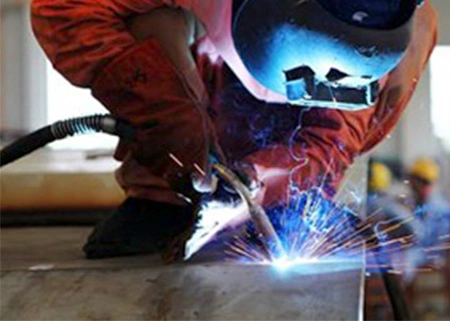
The material’s ductility is 20%. That makes shaping easy. These properties make these materials suitable for many projects.
Preheat: Not Required
This steel does not require preheating. It saves time. ASTM A36 has a carbon equivalent of 0.3%. It has a thermal conductivity of 120 W/m*K. As for ASTM A36 steel material properties, it is rather easy to work with. Contrary to common practice, there is no need for preheating. This aids in an increased rate of welding.
Post-Weld Heat Treatment: No
ASTM A36 does not require heat treatment after welding. This reduces steps. Yield strength A36 steel is 250 MPa. ASTM A36 steel material properties reduce costs. The hardness is 119 HB. Welding does not affect the strength of the material. This preserves the quality of the steel.
Weld Pool Control
ASTM A36 assists in controlling the weld pool. It stays stable. The melting point is 1,425°C. The characteristics of steel materials ASTM A36 help in easy welding processes.
Modulus of elasticity A36 is 200 GPa. A36 steel elastic modulus helps the weld pool have low viscosity. This helps in producing better finishes. Pool control is important. These features facilitate accurate welding.
Low Hydrogen
ASTM A36 is weldable with low hydrogen. It avoids cracks. The hydrogen content is less than 5 ml/100g. ASTM A36 steel material properties enable the creation of strong welds. Low hydrogen benefits welding quality. The steel contains 0.05% of sulfur. This increases reliability. That makes it more durable.
Fusion
ASTM A36 allows good fusion. It makes bonds strong. The fusion zone remains constant. ASTM A36 steel material properties ensure cohesiveness. The elongation rate is 23%.
This allows better stretching. The fusion process is controlled. This maintains the structural stability of the building. A36 yield strength is important. Fusion creates strong connections.
Metal Inert Gas (MIG)
ASTM A36 is suitable for MIG welding. The process is efficient. MIG uses argon gas. ASTM A36 steel material properties are easy to join and provide good weldability. A36 ultimate strength allows the welding current to be 200 A. This provides penetration. Chemical composition: 0.05% of P; 0.3% of Si. All these elements enhance the quality of the weld.
Tungsten Inert Gas (TIG)
ASTM A36 is suitable for TIG welding. This method is precise. TIG uses tungsten electrodes. ASTM A36 steel material properties are quite good and easy to manage. Density of ASTM A36 steel is 7.85 g/cm³.
The current is 150-250 A. Argon gas provides protection for welds and prevents them from being tainted. The coefficient of thermal expansion is 12.5 µm/m°C. This keeps sizes stable.
Shielded Metal Arc Welding (SMAW)
ASTM A36 favors SMAW. The process is versatile. It uses consumable electrodes. ASTM A36 steel material properties also allow for versatility. The welding current is 75-300 A.
Electrical resistivity is 0.000017 ohm*m. A36 steel density facilitates a steady arc. The 0.26% carbon content assists in fusion.
Flux-Cored Arc Welding (FCAW)
FCAW suits ASTM A36 well. The process is fast. FCAW uses flux-cored wire. The ASTM A36 steel material properties ensure that the arc remains stable. The welding voltage is 25 V. The content of Mn is 0.8 wt%. This improves toughness. The process results in strong welds.
Gas Metal Arc Welding (GMAW)
ASTM A36 suits GMAW. It ensures efficient welding. GMAW employs a continuous wire feed process. The ASTM A36 steel material properties offer low spatter.
The welding current is 200-300 A. A36 steel yield strength supports this. The 0.3% Si used for deoxidation. The process protects welds from getting contaminated.
Smooth Finish
ASTM A36 gives smooth finishes. The surface is clean. Low sulfur contributes to fewer inclusions. ASTM A36 steel material properties indicate that the grain size of this steel is fine and measures 100 µm. These features aid in fine detailing. ASTM A36 material specification ensures quality.
What Makes ASTM A36 Steel Material Easy to Fabricate?
The use of ASTM A36 steel is quite simple. It can be cut and shaped just right. This helps builders create great things. Now let’s try to understand how it works.
Machinability
ASTM A36 steel has good machinability and can be easily formed, machined, and welded. It can be machined at a feed rate of 200 SFM. This steel can also be very dependable due to its grain structure.
ASTM A36 steel material properties include good machinability. Density of A36 steel is 7.85 g/cm³. To cut use a 10mm drill bit. A36 steel carbon content is 0.26%. It prolongs the life span of the tools used and increases the rate of work.
Cutting
It is easy to cut sections in a thickness of between 50 to 100 mm. ASTM A36 steel material properties mean that it can be easily milled with the use of carbide tipped tools.
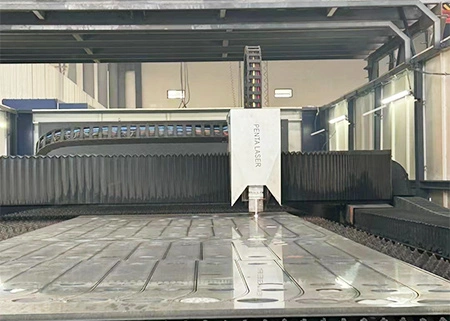
It ensures precise cuts. The best results are achieved at working speeds varying from 40 m/min. Steel A36 density is 7.85 g/cm³. This makes cutting quick and efficient.
Drilling
Machining of ASTM A36 steel is not hard. For HSS bits, the feed rate should be set at 25 mm/min. ASTM A36 steel material properties make it possible to obtain clean holes.
A36 steel tensile strength is 400 MPa. These properties allow working with precise accuracy in relation to the 15 mm drills. Young’s modulus of A36 steel is 200 GPa. It does not heat up or vibrate while in the process of drilling. It makes it ideal for precision works.
Milling
The process of milling this steel is smooth. ASTM A36 steel material properties allow it to achieve rotation speeds of 1000 RPM. The ASTM A36 steel material properties comprise low hardness with a range of 120 HB. It helps tools to have a longer life cycle.
A36 steel modulus is 200 GPa. A36 steel ultimate tensile strength is 400 MPa. Milling can be applied in several organizations and sectors.
Punching
ASTM A36 can be punched easily. For maximum result prefer 10-ton force. ASTM A36 steel material properties mean the edges are clean. The puncturing holes are up to 20 mm in diameter.
Strength of steel is maintained with the yield strength of A36 steel at 250 MPa, thus it is made fully intact. It is well suited for working with sheets.
Bending
Bend it with a radius that is equal to the thickness of the material but not less than 1.5 times the thickness. Some of the major physical and mechanical properties of the ASTM A36 steel material properties are; a36 steel tensile strength of 400 MPa.
A36 steel strength is reliable. Hydraulic benders are used when it comes to perfect bending angles. This makes bending reliable.
Shearing
It is also fast to shear ASTM A36 steel. ASTM A36 steel material properties are ideal for smooth cutting to sizes. It minimizes edge deformation. Employ shearing speeds of not more than 60 cuts per minute. A36 shear strength is about 250 MPa. This assists in the fast production process.
Forming
For shaping use a 50-ton press brake. Some mechanical properties of ASTM A36 steel material properties are; yield point 250 MPa. Steel A36 yield strength is 250 MPa. Speed forming is possible up to 10 m/min. This makes forming efficient.
Welding
It is relatively easier to weld ASTM A36 steel. ASTM A36 steel material properties do not allow for cracks. For thicker pieces, preheat the oven at 100°C. It supports various welding processes. Ultimate strength of A36 is 400 MPa. This ensures strong welds.
Heat Treating
Sinter at a temperature of 900°C to achieve improved grain structure. ASTM A36 steel material properties improve as the heat increases. You can heat to 650°C for strength.
Young’s modulus A36 steel is 200 GPa. It makes flexibility in treating possible. This makes it suitable for use in a variety of uses.
Coating
The epoxy should be applied at a thickness of 200 microns. ASTM A36 steel material properties guarantee excellent bonding. It is possible to achieve a coating speed of 0.5 m²/min. A36 structural steel melting point is 1425-1538°C. It prolongs the life of steel. This aids to protect it well.
Galvanizing
This steel is protected after being galvanized. It is recommended to use a zinc bath with a temperature of 450°C. ASTM A36 steel material properties ensure good adhesion.
Modulus of rigidity of A36 steel is 79.3 GPa. It is protected with Zinc thickness of 85 microns. The properties make it hard and resistant to wear and tear. This is perfect especially for outside activities.
How Does ASTM A36 Steel Material Behave Under Stress and Load?
Depending on the situation, stress, materials have to be strong. ASTM A36 steel is very strong. It keeps buildings safe even with the additional weights. Are you ready to know how it works?
Load-Bearing
ASTM A36 steel has high strength. It can withstand a pressure of up to 250 MPa. The steel is used in buildings. This steel helps to make buildings safer.
ASTM A36 steel material properties are significant for the construction requirements. The engineers use it for safety purposes. Employ ASTM A36 for highly loaded equipment. ASTM A36 spec helps to make buildings strong.
Yield Point
ASTM A36 steel deforms when subjected to a stress of 250 MPa. It won’t go back to its shape after that. The yield point is important. ASTM A36 steel material properties assist builders.
This makes it safe for structures. Engineers understand when it will flex. Youngs modulus of A36 steel is good for buildings. ASTM A36 is tough and has a good tensile strength. Employ it in safe structures.
Tensile Strength
ASTM A36 steel can be drawn to up to 550 MPa without fracturing. ASTM A36 steel material properties assist in various ways. This steel is useful for construction of bridges. Matweb A36 steel has high tensile strength. Is A36 steel mild steel? Yes, it is. It does not fracture easily. It is very stiff and secure.
Compressive Strength
ASTM A36 steel does not undergo significant permanent set up to a pressure of 250 MPa. ASTM A36 steel material properties make buildings stand tall. Material A36 steel is quite difficult to bend. It is used by engineers for large structures. A36 yield steel protects buildings.
Shear Strength
ASTM A36 steel withstands the sliding forces at up to 200 MPa. Some ASTM A36 steel material properties prevent sliding. This particular steel is ideal for stability.
Shear modulus A36 steel is used by structural engineers. ASTM A36 prevents things from sliding off each other. A36 steel shear modulus helps in shear strength.
Flexural Strength
ASTM A36 steel has the capacity to bend without cracking at a stress of 300 MPa. Bridges and beams are helped by the ASTM A36 steel material properties. This steel will not become weak when bent. Modulus of elasticity of A36 steel is high. ASTM A36 does not crack easily. It is tough and flexible. Utilize it in flexural strength.
Fatigue Strength
ASTM A36 steel withstands repeated stress up to 180 MPa. ASTM A36 steel material properties enable long-term utilization of the steel. This type of steel does not crack even when subjected to repeated usage. Elastic modulus of A36 steel is reliable. ASTM A36 remains strong across a wide temperature range. Try it for fatigue strength.
Stress-Strain Curve
The stress strain curve depicts how ASTM A36 steel bends and stretches. The curve helps engineers.
This curve is useful in designing safe structures. It is used in calculations by the engineers. A36 modulus of elasticity is important. ASTM A36 bends predictably. It is reliable. For stress-strain curves, apply it.
Elastic Limit
The elastic limit of ASTM A36 steel is 250 MPa. It rebounds down to this level. ASTM A36 steel material properties show that it is a reliable material. This aids in safe designs. A36 elastic modulus helps engineers know its limits. ASTM A36 maintains its shape.
Plastic Deformation
ASTM A36 steel transforms its shape above 250 MPa. The specification of the ASTM A36 steel material allows for some degree of variation. Modulus of elasticity A36 steel shows its flexibility.
This makes it safe under heavy loads. It is used by engineers for those designs that require shape change. ASTM A36 is very reliable.
Brittle Fracture
ASTM A36 steel has a feature of not easily breaking or cracking. ASTM A36 steel material properties prevent unexpected fractures. Is A36 mild steel? Yes, it is. This makes it safe. It is used by engineers for strong structures. Fu A36 steel cannot be easily fractured.
Ductile Fracture
ASTM A36 steel is ductile before fracture. It absorbs energy. The characteristics of ASTM A36 steel material properties make it very safe. This prevents sudden breaks.
They apply it because it is bendable. A36 steel modulus of elasticity is dependable. ASTM A36 does not lose its strength when under stress. Utilize it for ductile fracture.
What Are the ASTM A36 Steel Material Properties in Terms of Durability?
ASTM A36 steel is durable. It is durable or withstands wear and tear. This makes it ideal for things that are meant to have a long lifespan. Let’s find out more.
Long-lasting
Mild steel A36 is long-lasting because it is a strong metal. At 870°C, the steel does not deform. Some physical and mechanical characteristics of ASTM A36 steel material properties consist of elongation of 20%. This steel is hard with 140 BHN. The metal does not easily corrode and will therefore remain strong for several years.
Wear Resistance
ASTM A36 material has a slow rate of wear. Using a carbon content of 0.26%, the ASTM A36 steel material properties are capable of resisting wear. The tensile strength of A36 steel is 400-550 N/mm². It’s great for machines.
Impact Resistance
ASTM A36 steel is strong when hit. ASTM A36 steel material properties protect you from scrapes. Charpy V-notch values are 27 J at -20°C. A36 material equivalent is still very strong in many different temperatures. This steel is not prone to cracking or breaking.
Toughness
Shear strength A36 steel has high tensile strength and can be easily machined. At 20°C, ASTM A36 steel material properties can absorb 34 J of energy. The ASTM A36 steel material properties prevent it from fracturing. The metal remains ductile at low temperatures. It also can take a big hit.
Fatigue Life
What is A36 material? It has a long service life. The steel has great fatigue limit. ASTM A36 steel material properties make it able to withstand repeated use. This is appropriate for items that are frequently utilized.
Hardness
ASTM A36 steel has high strength. Its hardness is 140 Brinell. Carbon enhances the hardness of the ASTM A36 steel material properties since it is one of its constituents. This metal is suitable for applications where strength and flexibility is required.
Corrosion Resistance
A36 steel equivalent does not corrode rapidly. It is protected from corrosion by the help of coatings. ASTM A36 steel material properties include excellent moisture handling. It is more durable especially in areas prone to rust.
Weathering
ASTM A36 steel is resistant to weather. It is also immune to UV rays and moisture. ASTM A36 steel material properties enable it to be very stable in hot and cold conditions. This is particularly good for use in outside structures.
Abrasion Resistance
Is A36 hot rolled? It does not corrode and is scratch resistant. The ASTM A36 steel material properties do not allow it to wear out. This metal is good for rough regions.
Structural Integrity
Modulus of elasticity for A36 steel is very high. It possesses high yield strength. ASTM A36 steel material properties allow it to maintain rigidity under weight. It is not easy to bend the steel. This metal is suitable for construction of buildings and other machines.
Why Is ASTM A36 Steel Material Ideal for Building Frames and Supports?
Frames of buildings require strength. ASTM A36 steel is suitable for this job. It preserves safety and structural integrity of buildings. Now let’s look at why it is the best option.
Structural Strength
ASTM A36 is a high strength steel. It has a density of about 7.85 g/cm³. ASTM A36 steel material properties ensure tensile strength of 58,000 to 80,000 psi.
The a36 hardness of ASTM A36 steel material properties ensure that it is strong and hard. This makes the buildings stable primarily through the use of a36 mild steel. It’s great for frames.
Load Capacity
The strength of astm a36 steel makes it ideal for load bearing purposes. ASTM A36 steel material properties support large weights. This makes it perfect for beams.
The ultimate tensile strength of a36 steel is 58,000-80,000 psi. A36 steel material properties keep ASTM A36 steel strong. It also performs very well under pressure. It’s very reliable.
Stability
A36 steel thermal expansion coefficient is 12.0 µm/m°C. ASTM A36 steel is strong and does not deform or lose stability easily. It has a modulus of elasticity of 200 GPa.
This means astm a-36 steel material properties ensure it remains rigid. A36 carbon steel maintains its form. The steel gives support in every part.
Versatility
The applications of this astm a36 steel are diverse. ASTM A36 steel material properties work in other structures too. The tensile strength ranges from 58,000 to 80,000 psi.
That makes the grade 36 steel material properties suitable for beams and columns. It’s very adaptable. What is a36? ASTM A36 is suitable for many projects.
Cost Efficiency
The a36 carbon content makes ASTM A36 steel relatively cheap. It’s strong and affordable. ASTM A36 steel material properties make it more economical.
A36 carbon steel saves on costs by requiring lesser repair frequencies due to the material’s strength. It can last for a long time. This is why it is the best pick. It’s great for building.
Compatibility
ASTM A36 steel has good compatibility with other materials. It connects well with concrete and wood.
ASTM A36 steel material properties include a thermal expansion coefficient of 12.0 µm/m°C. The steel accommodates different designs. It’s very flexible.
Standard Sizes
Carbon steel a36 comes in various sizes. ASTM A36 steel material properties make it available in the form of plates, bars as well as beams. A 36 metal properties are easy to work with when it comes to planning. The sizes are consistent.
Easy Installation
Gr 36 steel grade is quite easy to be installed. This implies that it is easy to cut and weld. ASTM A36 steel material properties include a hardness range of 119 to 159 HB.
The steel enhances the process of building. This is because it is easy to construct and can be prepared in a relatively short time.
Consistency
1018 steel vs a36 steel has differences, but ASTM A36 steel is always the same. It meets strict standards. The thermal conductivity is 52 w/m.k. ASTM A36 steel material properties ensure that the material is dependable. ASTM a36 has a tensile strength of 58,000 to 80,000 psi.
Compliance
A36 vs 1018 steel shows compliance differences. ASTM A36 steel meets all the rules. This product complies with the ASTM International requirements.
ASTM A36 steel material properties help to ensure that the material does not pose any safety risks. Density of a36 steel matweb is 7.85 g/cm³. They meet industry needs.
Longevity
1018 vs a36 steel shows longevity differences. ASTM A36 steel material properties make it long-lasting. ASTM A36 has tensile strength of 58-80 ksi. Not much maintenance is required for the steel as it is a strong and durable material.
What Are the Standards and Specifications of ASTM A36 Steel Material?
They ensure materials used are safe. These standards are met by ASTM A36 steel. This makes it a top pick for builders. Are you interested in knowing how it is done?
Structural Strength
ASTM A36 steel is very strong. It is capable of handling up to 36,000 psi. Some of the ASTM A36 steel material properties are flexibility to bending without fracturing.
This steel is utilized in construction of buildings and bridges. The strength keeps them safe. It also withstands heat up to 700°C.
ASTM Standards
According to ASTM 36 requirements, the ASTM A36 steel is used. These rules make it safe. Some of the mechanical properties of the ASTM A36 steel material properties are 0.25% carbon (C) and 0.20% copper (Cu). They challenge it to check its reliability.
Chemical Composition
This steel contains a specific combination of ingredients. This contains 0.25% C, 1.03% Mn and 0.20% Cu. This is because ASTM A36 steel material properties such as sulfur (S) and phosphorus (P) should not more than 0.05%. These make the steel strong and tough. This is why it lasts a long time.
Mechanical Properties
These steel properties depict how the steel stretches and bends. It can stretch 20% in 200 mm. The yield strength of ASTM A36 steel includes its tensile strength that ranges between 58,000 psi and 80,000 psi. The yield strength assists it to regain its original shape.
Tolerances
This particular type of steel is manufactured using standard dimensions. It is cut to be of the right size. The ASTM A36 steel material properties are in the range of 1.2 mm to 150 mm in thickness, while the width ranges from 600 mm to 2500 mm. It is most suitable for use in constructions.
Dimensions
This steel comes in different dimensions. It can be between 1.2 mm to 150 mm thickness. Width of ASTM A36 steel material properties can range from 600 mm to 2500 mm with length up to 12000 mm. This versatility makes it fit for many uses.
Testing Methods
They try it in many ways, this steel. He pulls it to check its strength. Other tests that are performed on ASTM A36 steel material properties are hardness tests and ultrasonic tests. These tests ascertain the presence of any latent crack. These tests help in ensuring that the steel is good.
Certification
This steel is provided with special papers to prove it is good. The papers state what is contained in the steel. ASTM A36 steel material properties include being a low carbon steel material that undergoes various tests before it is released in the market. This certification is also an assurance that it complies with set rules.
Marking
They made symbols on the steel. The marks indicate the information of significance. Some of the common ASTM A36 steel material properties are markings intended for heat numbers.
This assists in monitoring the steel. The markings stop mistakes. They ensure that it is the right steel type.
Traceability
This steel has its unique ID. The ID tells where it was produced. The material is 100% traceable. ASTM A36 steel material properties help check quality. It’s easy to track.
Inspection
There are several times that the steel is checked by the inspectors. They examine it in terms of size & shape. ASTM A36 steel material properties are subjected to a number of tests before they are released into the market. This ensures that it complies with all rules.
Compliance
This steel complies with all those rules. It meets industry standards. The ASTM A36 steel material properties have favorable properties that make it safe and strong. This means that it undergoes verification that it complies with specific rules.
How Do ASTM A36 Steel Material Properties Support Sustainable Building Practices?
By utilizing ASTM A36 steel it assists the planet. It can be recycled and does not cause much pollution to the environment. This makes it ideal for green buildings. Okay, let’s see how it will assist.
Recyclability
ASTM A36 steel is reusable. ASTM A36 steel material properties allow melting and reuse. This cuts waste by half. Recycling needs less new material. It helps reduce mining. It can be recycled 98%. Wuxi’s Chengjiu Metal sells good recycled metals.
Resource Efficiency
ASTM A36 steel is efficient. It is dense at 7.85 g/cm³. ASTM A36 steel material properties need less material. This cuts steel use by 20%. Less steel means less waste. ASTM A36 steel uses materials well. It is very safe for Earth.
Low Emissions
ASTM A36 steel makes less pollution. It creates 30% less CO₂ than others. ASTM A36 steel material properties help clean the air. Low emissions cut greenhouse gases. This makes it eco-friendly. ASTM A36 is good for green buildings. It helps with green goals.
Energy Savings
ASTM A36 steel saves energy. ASTM A36 steel material properties lower energy needs. Strong steel means less is used. This saves transport energy. ASTM A36 cuts power use. Our steel is energy-efficient and high quality.
Waste Reduction
ASTM A36 steel reduces waste. Making it produces 15% less waste. ASTM A36 steel material properties mean less extra material. The steel lasts many years. ASTM A36 helps green building. Chengjiu Metal reduces waste.
Environmental Impact
ASTM A36 steel is good for the planet. Making it cuts pollution. ASTM A36 steel material properties make buildings last longer. This means fewer repairs. That uses fewer resources. ASTM A36 helps Earth. It’s good for green buildings.
Green Building
ASTM A36 steel is great for green buildings. It is strong and recyclable. ASTM A36 steel material properties cut waste by 20%. Its strength-to-weight ratio makes buildings green. ASTM A36 meets green standards.
LEED Certification
ASTM A36 steel helps get LEED certification. It is recyclable with low emissions. ASTM A36 steel material properties meet green criteria. These features earn building credits. ASTM A36 fits LEED. We provide LEED-certified steel.
Sustainable Sourcing
ASTM A36 steel supports green buying. It is often made locally. ASTM A36 steel material properties use materials wisely. This cuts transport emissions. It is eco-friendly. ASTM A36 fits green buildings.
Life Cycle Analysis
ASTM A36 steel is very durable. ASTM A36 steel material properties mean fewer replacements. This lowers environmental impact. ASTM A36 recycles well. That cuts the footprint. ASTM A36 is good for long-term use. Chengjiu Metal ensures steel lasts.
Conclusion
Tensile strength and hardness of ASTM A36 steel material properties are employed by engineers in construction. It is strong and can be welded. ASTM A36 is used for buildings and bridges.
Builders need this steel. For more information visit ALLOYXPERT. It is used in construction of safe structures.
Read More:
How To Use ASTM A120 Standards? Learn & Master Now!
A Comprehensive Guide to ASTM A519 Grade 4130 Tubing
A Comprehensive Guide to ASTM A240 Stainless Steel Standards