
Introduction
Stainless steel is a versatile material widely used in various industries for its corrosion resistance, strength, and aesthetic appeal. When it comes to stainless steel plates, two common types stand out: 304 and 316L.
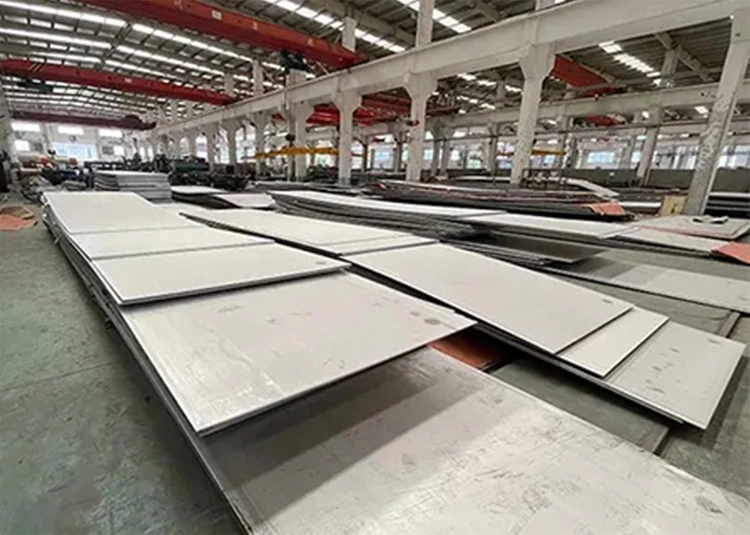 Understanding the differences between these two variants is crucial for making informed decisions about which one best suits your needs. Let’s delve into the key contrasts between 304 and 316L stainless steel plates to help you choose the right one for your application.
Composition
304 Stainless Steel
304 stainless steel is composed of 18% chromium and 8% nickel. This composition gives it excellent corrosion resistance in a wide range of environments, making it a popular choice for many applications.
316L Stainless Steel
On the other hand, 316L stainless steel contains 16% chromium, 10% nickel, and 2% molybdenum. The addition of molybdenum enhances its corrosion resistance, particularly in chloride-rich environments such as marine settings and industrial applications.
Composition Differences Between 304 and 316L Stainless Steel Plates
| Element | SS304 (%) | SS316L(%) |
| Carbon (C) | 0.08 max | 0.03 max |
| Manganese (Mn) | 2.00 max | 2.00 max |
| Phosphorus (P) | 0.045 max | 0.045 max |
| Sulfur (S) | 0.030 max | 0.030 max |
| Silicon (Si) | 0.75 max | 0.75 max |
| Chromium (Cr) | 18.0 – 20.0 | 16.0 – 18.0 |
| Nickel (Ni) | 8.0 – 10.5 | 10.0 – 14.0 |
| Molybdenum (Mo) | – | 2.0 – 3.0 |
| Nitrogen (N) | – | 0.10 max |
| Iron (Fe) | Balance | Balance |
Corrosion Resistance
304 Stainless Steel
304 stainless steel offers good corrosion resistance in most atmospheric conditions and mild chemical environments. It’s a reliable choice for indoor applications and areas with minimal exposure to corrosive elements.
316L Stainless Steel
316L stainless steel, with its higher molybdenum content, provides exceptional corrosion resistance, especially in harsher environments. It is the preferred choice for marine applications, chemical processing equipment, and environments with high chloride concentrations.
Corrosion Resistance Between 304 and 316L Stainless Steel Plates
| Corrosion Resistance | SS304 | SS316L |
| General Corrosion (Atmospheric) | Good | Good |
| Corrosion in Mild Environments | Good | Good |
| Corrosion in Chloride Environments | Limited | Excellent |
| Marine Environments | Not Recommended for Prolonged Exposure | Recommended |
| Chemical Processing Equipment | Limited | Excellent |
| Pharmaceutical Processing | Limited | Excellent |
| Industrial Environments | Limited | Excellent |
| Resistance to Acids and Bases | Limited | Excellent |
| Resistance to High-Temperature | Good | Good |
| Resistance to Pitting and Crevice Corrosion | Susceptible | Highly Resistant |
Strength and Durability
304 Stainless Steel
Known for its strength and durability, 304 stainless steel is suitable for a wide range of applications. It maintains its integrity even at high temperatures and is resistant to oxidation and scaling.
316L Stainless Steel
316L stainless steel is slightly stronger and more durable than 304, making it ideal for applications where strength and corrosion resistance are paramount. It can withstand more aggressive chemicals and acids.
Strength and Durability Between 304 and 316L Stainless Steel Plates
| Strength and Durability | SS304 | SS316L |
| Tensile Strength | 515 MPa (74,900 psi) | 485 MPa (70,300 psi) |
| Yield Strength | 205 MPa (29,700 psi) | 170 MPa (24,700 psi) |
| Elongation | 40% | 40% |
| Hardness (Brinell, HB) | 201 | 217 |
| Impact Resistance | Good | Good |
| Fatigue Strength | Good | Good |
| Toughness | Good | Good |
| Durability in Harsh Environments | Limited | Excellent |
| Resistance to Creep | Good | Good |
Applications
304 Stainless Steel
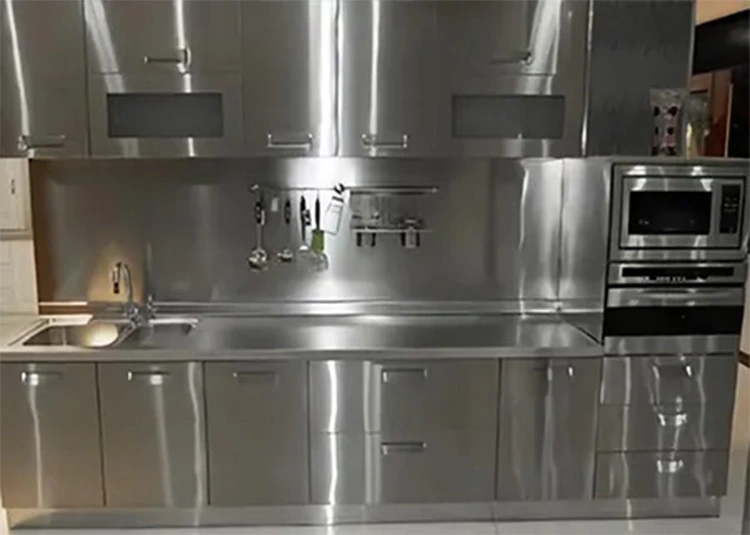
304 stainless steel finds its place in various industries, including kitchen appliances, food processing equipment, architectural trim, and automotive parts. Its versatility and affordability make it a popular choice.
316L Stainless Steel
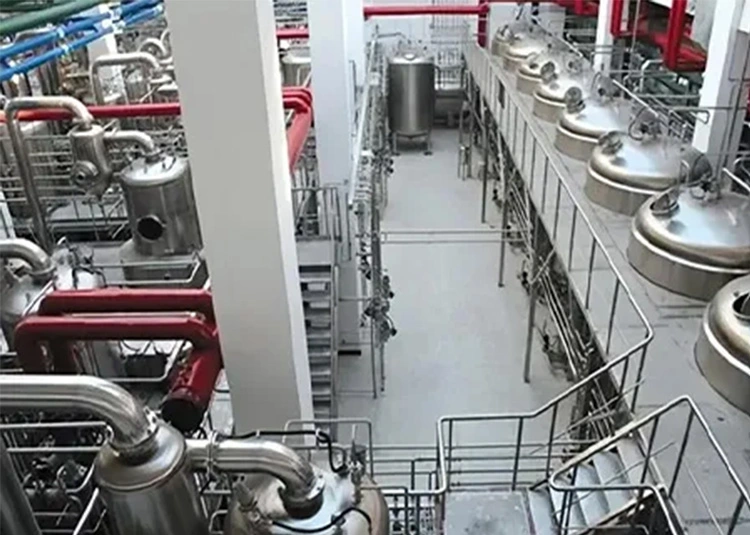
316L stainless steel is often chosen for demanding applications such as marine equipment, pharmaceutical processing, chemical tanks, and medical implants. Its superior corrosion resistance makes it indispensable in environments prone to corrosion.
Application Differences Between 304 and 316L Stainless Steel Plates
| Application | SS304 | SS316L |
| Kitchen Appliances | ✓ | – |
| Food Processing Equipment | ✓ | – |
| Architectural Trim | ✓ | – |
| Automotive Parts | ✓ | – |
| Marine Equipment | – | ✓ |
| Pharmaceutical Processing | – | ✓ |
| Chemical Tanks | – | ✓ |
| Medical Implants | – | ✓ |
| Industrial Equipment | – | ✓ |
Price Consideration
In terms of cost, 304 stainless steel is generally more affordable than 316L. The difference in price is mainly due to the additional alloying elements in 316L, such as molybdenum. While 316L comes at a higher price point, its enhanced corrosion resistance and durability justify the investment for certain applications.
Price Consideration Between 304 and 316L Stainless Steel Plates
| Price Consideration | SS304 | SS316L |
| Initial Cost | Lower | Higher |
| Raw Material Cost | Lower | Higher |
| Fabrication Costs | Lower | Higher |
| Maintenance Costs | Lower | Lower (due to better corrosion resistance) |
| Total Cost Over Time | Lower | Higher (due to initial higher cost but potentially lower maintenance costs) |
Machinability and Weldability
304 Stainless Steel
304 stainless steel offers good machinability and weldability. It can be easily fabricated into various shapes and structures, making it a versatile material for manufacturers.
316L Stainless Steel
316L stainless steel is slightly more difficult to machine than 304, but it can still be machined and welded with proper techniques. Due to its higher strength and hardness, it may require more advanced machining tools.
Machinability and Weldability Between 304 and 316L Stainless Steel Plates
| Machinability and Weldability | SS304 | SS316L |
| Machinability | Good | Slightly More Difficult |
| Weldability | Good | Slightly More Difficult |
| Welding Techniques | Can be welded using all standard methods | Requires low heat input, interpass temperature control, and post-welding annealing to maintain corrosion resistance |
| Welding Consumables | Generally standard consumables can be used | Specialized consumables may be required for optimal results |
| Heat Affected Zone (HAZ) | Smaller HAZ | Larger HAZ |
Summary of Key Differences
In summary, the main differences between 304 and 316L stainless steel plates lie in their composition, corrosion resistance, strength, applications, price, machinability, and weldability.
304 Stainless Steel
Good corrosion resistance, versatile applications, affordability, and ease of machining and welding.
316L Stainless Steel
Excellent corrosion resistance, particularly in chloride environments, higher strength and durability, preferred for marine and chemical applications, higher cost due to added molybdenum, and slightly more challenging machining and welding.
Conclusion
Choosing between 304 and 316L stainless steel plates depends on the specific requirements of your project. Whether you prioritize corrosion resistance, strength, cost-effectiveness, or ease of fabrication, understanding these key differences will empower you to make the right decision. Remember to assess your application’s needs carefully and don’t hesitate to reach out to stainless steel experts for guidance. With this knowledge in hand, you can confidently select the stainless steel plate that best fits your needs and ensures long-lasting performance. We hope this comparison has provided valuable insights into the world of stainless steel plates. If you have any questions or would like to learn more, please feel free to reach out!
Read More:
Density of Stainless Steel 304 – How to Measure Accurately?