
What Is SS 304 Stainless Steel?
SS 304, also known as 18/8 stainless steel, contains 18% chromium and 8% nickel, providing excellent corrosion resistance and durability. With a density of 7.93 g/cm³, it withstands temperatures up to 800°C and is widely used in food processing, medical devices, and furniture. Common designations include 06Cr19Ni10 (national standard), SUS304 (Japanese standard), and ASTM 304 (American standard).
What Is SS 304L Stainless Steel?
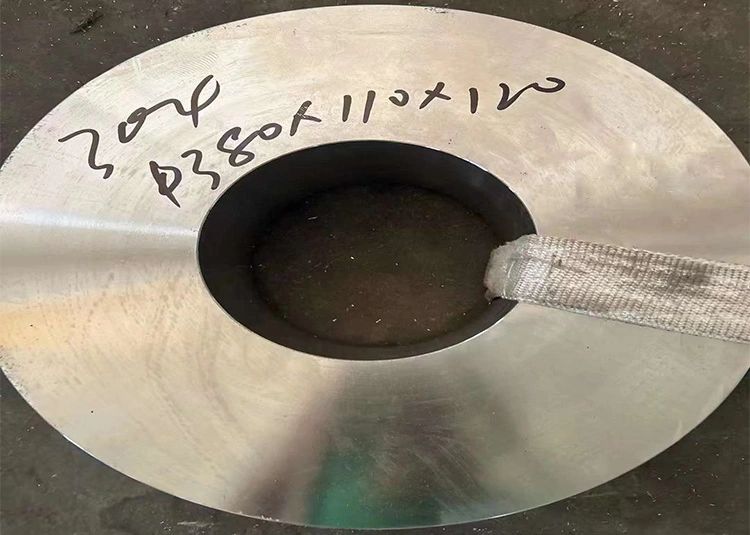
SS 304L is a low-carbon version of SS 304, known for its improved weldability. The “L” in 304L stands for “low carbon,” which means it contains less than 0.03% carbon, reducing the risk of carbide precipitation during welding. This makes SS 304L ideal for applications where welding is required without compromising corrosion resistance. It retains the same 18% chromium and 8% nickel composition as SS 304, maintaining similar strength and durability, while being better suited for use in corrosive environments that involve frequent welding.
What Are The Differences Between SS 304 And 304L?
The main distinction between SS 304 and SS 304L lies in their carbon content, which leads to differences in performance, especially in welding and corrosion resistance. Let’s break down the specific differences in chemical composition, mechanical properties, weldability, corrosion resistance, applications, and cost.
Chemical Composition
| Element | SS 304 | SS 304L |
| Carbon (C) | ≤ 0.08% | ≤ 0.03% |
| Chromium (Cr) | 18.0 – 20.0% | 18.0 – 20.0% |
| Nickel (Ni) | 8.0 – 10.5% | 8.0 – 12.0% |
| Manganese (Mn) | ≤ 2.00% | ≤ 2.00% |
| Silicon (Si) | ≤ 0.75% | ≤ 0.75% |
| Phosphorus (P) | ≤ 0.045% | ≤ 0.045% |
| Sulfur (S) | ≤ 0.030% | ≤ 0.030% |
Mechanical Properties
| Property | SS 304 | SS 304L |
| Tensile Strength | 515 MPa (minimum) | 485 MPa (minimum) |
| Yield Strength | 205 MPa (minimum) | 170 MPa (minimum) |
| Elongation | 40% (in 50 mm) | 40% (in 50 mm) |
| Hardness (Rockwell B) | ≤ 92 HRB | ≤ 90 HRB |
| Ductility | High | High |
| Toughness | Excellent | Excellent |
Weldability
| Aspect | SS 304 | SS 304L |
| Suitability for Welding | Good, but can suffer from carbide precipitation in heat-affected zones | Excellent, low carbon content prevents carbide precipitation |
| Post-Weld Corrosion Resistance | Moderate, risk of intergranular corrosion after welding | High, better resistance to intergranular corrosion post-welding |
| Heat-Affected Zone (HAZ) Sensitivity | Higher sensitivity to HAZ cracking | Lower sensitivity due to lower carbon content |
| Need for Post-Weld Annealing | Often required to restore corrosion resistance | Usually not required due to lower carbon content |
| Applications Involving Welding | Suitable for less critical welding applications | Ideal for critical welding applications with high corrosion resistance |
Corrosion Resistance
| Aspect | SS 304 | SS 304L |
| General Corrosion Resistance | Excellent in most environments | Excellent, similar to SS 304 |
| Corrosion Resistance After Welding | Moderate, risk of intergranular corrosion in welded areas | High, better resistance due to lower carbon content |
| Resistance in Chloride Environments | Susceptible to chloride stress corrosion | Slightly better due to lower risk of carbide precipitation |
| Resistance in Acidic Environments | Good resistance to many acids | Good, similar to SS 304 |
| Recommended for Welded Structures | Less recommended due to possible corrosion at welds | Highly recommended due to improved corrosion resistance post-welding |
Applications
| Aspect | SS 304 | SS 304L |
| Common Industries | Food processing, household appliances, construction | Chemical processing, oil & gas, pharmaceuticals |
| Suitability for High-Temperature Applications | Suitable for high temperatures up to 800°C | Similar to SS 304, but better for welded structures at high temperatures |
| Non-Welded Applications | Ideal for non-welded structures and components | Can be used, but often overdesigned for non-welded applications |
| Welded Applications | Less suitable due to risk of carbide precipitation | Highly suitable, especially in corrosive and welded environments |
| Typical Products | Kitchen equipment, sinks, architectural panels | Pressure vessels, piping systems, pharmaceutical equipment |
Cost
| Aspect | SS 304 | SS 304L |
| Material Cost | Slightly lower due to higher carbon content | Slightly higher due to lower carbon content |
| Production Cost | Lower production cost | Slightly higher production cost due to additional processing |
| Cost-Effectiveness for Non-Welded Applications | More cost-effective for non-welded projects | Less cost-effective for non-welded applications |
| Cost-Effectiveness for Welded Applications | Less suitable for welding, potential long-term costs due to corrosion | More cost-effective in welded structures due to better long-term performance |
| Overall Project Cost | Lower for general applications | Higher upfront cost, but better for welding-heavy projects |
How To Choose Between SS 304 And 304L For Your Project?
When deciding between SS 304 and SS 304L for your project, several factors should be considered based on the specific requirements of the application. Below are key considerations to help you make the right choice:
Welding Requirements
- If your project involves extensive welding, SS 304L is the better choice. Its low carbon content reduces the risk of carbide precipitation, which can lead to corrosion in welded areas.
- For applications that do not require welding or where welding is minimal, SS 304 is typically sufficient and more cost-effective.
Corrosive Environments
- In environments prone to corrosion, especially after welding, SS 304L offers superior corrosion resistance, particularly in chloride-rich or acidic environments.
- SS 304 is suitable for general corrosion resistance but may be less reliable in welded structures exposed to corrosive conditions.
Strength Requirements
- If tensile strength is a priority and welding is not required, SS 304 has a slight edge due to its higher carbon content, making it stronger than SS 304L.
- However, the strength difference is minimal, and for most applications, both materials offer similar performance.
Cost Considerations
- SS 304 is generally more affordable and is a cost-effective choice for non-welded applications.
- While SS 304L may come with a slightly higher upfront cost, it can save on long-term maintenance and repair costs in welded applications or corrosive environments.
Application Type
- For industries like food processing, household appliances, and construction, SS 304 is widely used due to its durability and lower cost.
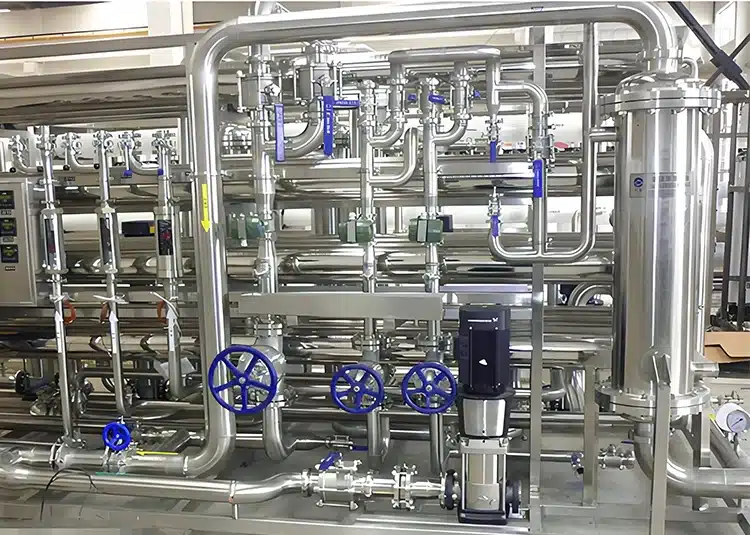
- In more specialized industries like chemical processing, pharmaceuticals, and oil and gas, where both welding and corrosion resistance are critical, SS 304L is the better choice.
Conclusion
In short, SS 304 is great for general use, while SS 304L is better for welded applications due to its enhanced corrosion resistance. Both offer excellent durability, but your choice should depend on your project’s welding and environmental needs. For high-quality SS 304 and SS 304L stainless steel, contact AlloyXpert today to find the right solution for your business.
Read More: