
Introduction
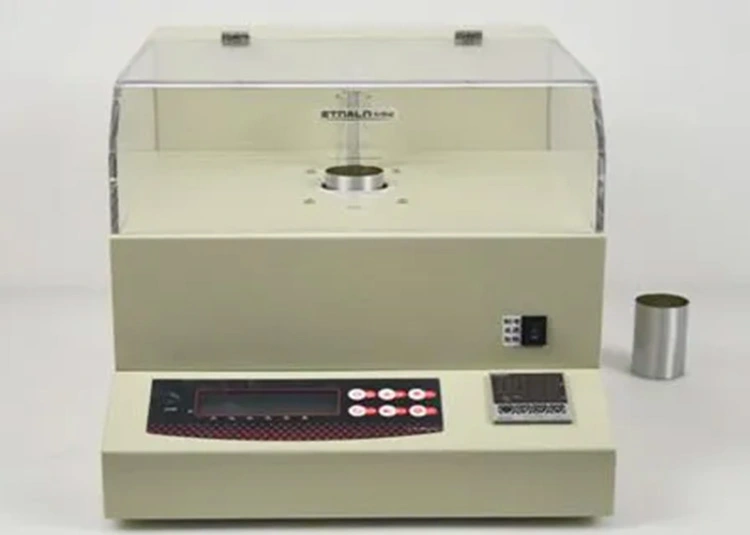
The density of Stainless Steel 304 is significant. This blog will explain how to measure it. For this experiment, we require simple equipment such as a balance and a beaker.
It assists in various ways. In this way, they can easily find out the density through some simple steps. That ensures that we obtain good results.
What Is the Density of Stainless Steel 304?
Stainless steel 304 has a very high density that stands at 7.9 g/cm³. This is a tough and bright metal. It has iron, chromium, and nickel in it. The tensile strength is 515 MPa. It’s hard to scratch.
Stainless steel 304 is relatively dense compared to other types of steel. They use it for sinks and pipes. The melting point of the material is 1450ºC. The material has a thermal conductivity of 16.2 W/m·K.
It has a hardness of 70 HRB. The coefficient of linear thermal expansion is 17.2 µm/m·°C. It is very useful for kitchen utensils. The magnetic permeability is 1.008. That makes it useful for many things.
Why Measure the Density of Stainless Steel 304?
Let us find out the weight of stainless steel 304 and why we should measure it. It is used in construction of strong things. This makes choosing the right metal easier.
Material Selection
This indicates that engineers need to choose the right materials. They examine the density of 304 stainless steel lb/in3. It helps them decide. This impacts characteristics such as tensile strength of 250 MPa and resistance to corrosion. The hardness is measured also in HRC and has an influence as well. All of these parameters affect the performance.
Structural Integrity
Structures like buildings and bridges need to be stable. Engineering students learn about the density of stainless steel kg/m3. It assists them in monitoring the load bearing capacity.
This density determines how much load components such as beams can support. They quantify loads, for instance, 200 kN. This ensures safety. With this density, steel for structures is safe.
Quality Control
Manufacturers pay attention to the density of stainless steel kg m3 to ensure high quality. This helps ensure that every part is the same. They quantify characteristics such as elongation, 45%.
This process catches defects. Thus all parts meet criteria. It further notes that the density is widely used as a measure of the quality.
Thermal Expansion
When metals are heated, they also increase in size. Engineers measure the density of stainless steel g/cm3 to forecast this. They can design for thermal expansion. This way all the parts function as they are expected to, even under conditions of temperature fluctuations.
Mechanical Properties
Engineers need strong materials. They look at the density of stainless steel lb/in3. It affects hardness expressed in Vickers (HV). This density also affects strength such as tensile strength of 505 MPa. All these factors are significant in design.
Specific Gravity
Specific gravity is used to compare the materials with water. Engineers look at the density of 304 stainless steel lb/in3 to discover this. This measurement guides selection.
They select materials with the appropriate characteristics. Specific gravity is one of the most important parameters in engineering.
Tensile Strength
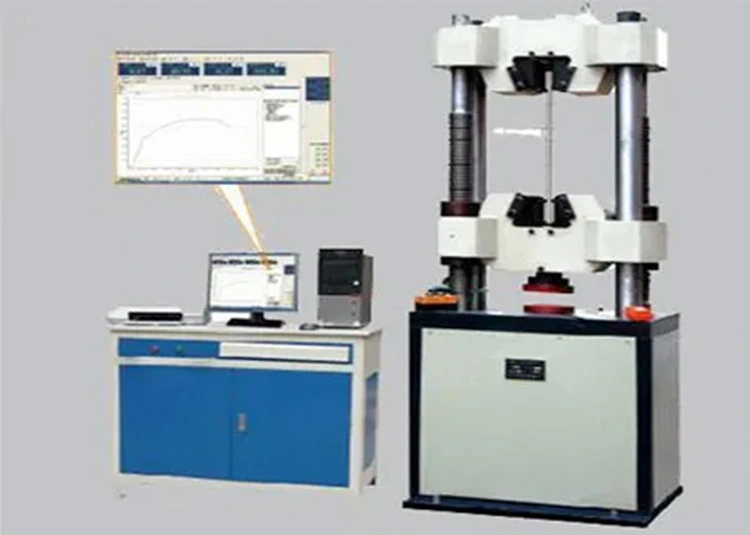
To know this engineers look at the density of stainless steel kg/m3. It helps them know the tensile strength for instance 600 MPa. They use this data to design parts. Steel of this density takes a lot of stress.
Fabrication Processes
Manufacturing steel parts requires accuracy. Manufacturers rely on the ss density in kg/m3 to help them. It influences the manner in which they slice and build the steel. They express dimensions such as thickness in mm. That way, the process is efficient. Density data is important for exact fabrication.
Material Consistency
Consistency translates to the idea where all parts are similar. To ensure this, factories monitor the density of stainless steel lb/in3. It assists them to maintain homogeneity in properties such as the yield strength of 215 MPa. They check every batch. In that way, all parts are trustworthy. Density helps maintain standards.
Dimensional Analysis
This means that parts must fit one another like a jigsaw. Engineering technicians use measurements of stainless steel density g/cm3 to make precise determinations. This impacts weight in kg/m³.
This data they employ to check that parts fit. It helps in assembly. Like that, everything functions like a well-oiled machine. It is clearly stated that in order to achieve accurate dimensions one has to know the density.
Alloy Composition
Alloys mix metals together. The information on the density of stainless steel g/cm3 is used to determine their composition by engineers. It indicates the presence of which metal within the alloy.
This impacts characteristics such as corrosion resistance, expressed in µm/year. This way, the right mix is achieved. Density aids in determining the mix.
Weight Calculations
Understanding weight is essential for engineers. For this, they employ the density of steel in kg/mm3. It assists them in computation of mass with volume in cm³. These data are crucial in determining load-bearing elements. They help to achieve correct proportions and symmetry. Weight calculations therefore depend on the density.
How Does Composition Affect the Density of Stainless Steel 304?
Stainless steel 304 consists of two or more metals combined together. This mix makes it strong and shiny. That is to prevent it from rusting.
Chromium (18%)
Stainless Steel 304 consists of 8% nickel and 18% chromium. This metal increases density of ss304. It helps resist rust. Chromium keeps it strong. Chromium makes it shiny as well.
It is highly effective in numerous applications. 304 stainless steel density is a very important factor to be considered. The steel stays tough. Mass density of stainless steel is done based on this mix.
Nickel (8-10%)
There is nickel in Stainless Steel 304. It is 8-10 percent of the total mix. Nickel boosts stainless steel mass density. This is beneficial when it comes to corrosion. Nickel makes it tough. This metal stays shiny. Nickel is very important. Density of the stainless steel 304 is very important. The mix makes it solid. Density of this steel does matter.
Carbon (0.08%)
Unlike Stainless Steel 316, Stainless Steel 304 has carbon. It is at 0.08% in it. Carbon affects density of steel 304. Carbon adds hardness too. It makes the steel stronger. The steel resists wear. Density of stainless steel 304 remains on a higher level. That mix is precise. It matters a lot.
Manganese (2%)
Other ingredients found in Stainless Steel 304 include, Manganese. It makes up 2%. This metal is useful in providing density stainless 304. Manganese boosts strength. These properties are crucial. Manganese helps avoid rust. This mix is special. Density of stainless steel 304 is a significant factor. The density is proportional to the amount of manganese present in the solution.
Silicon (1%)
Si is present in Stainless Steel 304. That is 1% of the mix. Silicon affects density 304 ss. This metal boosts strength. These elements work together. Silicon resists oxidation. It maintains the strength of the steel. Mass density stainless steel remains high. Density of stainless steel 304 is important. Those parts are crucial.
Phosphorus (0.045%)
Phosphorus is present in Stainless Steel 304. It is approximately 0.045% of it. Phosphorus affects 304 stainless density. These elements mix well. This metal boosts strength. It helps in forming. The steel stays durable. Density of ss 304 stays high too. Density of stainless steel 304 is significant. Those elements are important. That keeps the steel strong.
Sulfur (0.03%)
Stainless Steel 304 contains sulfur. They are 0.03% of it. Sulfur impacts 304 stainless steel density. These elements blend well. This metal aids machining. It maintains the toughness of the steel. The mix is important. Density of ss 304 is of great importance. The steel remains strong and resistant.
Iron Balance
Stainless Steel 304 primarily consists of iron. Iron balances the mix. This element is vital. The steel stays strong. These elements blend well. Iron keeps it hard. The mix assists to strength. Stainless steel 304 density is critical. Those properties are crucial.
Molybdenum Traces
Stainless Steel 304 contains molybdenum. It’s in trace amounts. Molybdenum affects stainless steel density in kg m3. This metal boosts strength. These elements work well. It helps resist corrosion. The steel stays durable. Density of ss 304 remains high. Density of stainless steel 304 is critical. Those parts make it strong.
Nitrogen Addition
Stainless Steel 304 contains Nitrogen. It is added in small portions. Nitrogen impacts mass density of stainless steel. This metal boosts strength. These elements blend well. Nitrogen adds toughness. The steel stays strong. Density of stainless steel 304 remains high. What is the density of stainless steel is also important.
Elemental Ratios
Stainless Steel 304 has coefficients of expansion. These elements mix precisely. This balance is vital. The steel stays strong. These ratios make it more durable. Density of steel kg m3 remains high. Density of stainless steel 304 is essential.
Alloy Variations
Stainless Steel 304 varies. These alloy changes impact calculate stainless steel weight. The steel stays strong. Such variations make it unique. Density of ss 304 remains high. Density of stainless steel 304 plays an important role.
| Element | Composition (%) | Density Impact | Density (g/cm³) | Role | Atomic Number | Alloy Variation (%) |
| Chromium | 18 | ↑ | 7.9 | Corrosion Resistance | 24 | 17-19 |
| Nickel | 8-10 | ↑ | 7.9 | Stability | 28 | 8-11 |
| Carbon | 0.08 | ↓ | 7.9 | Hardness | 6 | 0.07-0.1 |
| Manganese | 2 | ↓ | 7.9 | Strength | 25 | 1-2 |
| Silicon | 1 | ↓ | 7.9 | Structure | 14 | 0.5-1 |
| Phosphorus | 0.045 | ↓ | 7.9 | Strength | 15 | 0.03-0.06 |
| Sulfur | 0.03 | ↓ | 7.9 | Brittleness | 16 | 0.02-0.04 |
| Iron | Balance | Stable | 7.9 | Base Metal | 26 | Balance |
| Molybdenum | Traces | Negligible | 7.9 | Strength | 42 | 0-0.5 |
| Nitrogen | Addition | Enhances | 7.9 | Strength | 7 | 0.05-0.2 |
Table on How Composition affects the Density of Stainless Steel 304!
What Are the Standard Units for Measuring the Density of Stainless Steel 304?
Different units are employed in order to compare the weight of stainless steel 304. This assists us in comparing it to other things.
- Grams per cm³ : The density of stainless steel 304 is 7.93 g/cm³. This number indicates how much it weighs. It stands for grams per cubic centimetre. That’s how dense it is. This assists in the comparison with other metals.The small unit is used in order to be able to measure with greater accuracy. How heavy is stainless steel? It’s quite heavy!
- Kilograms per m³ : The density of stainless steel 304 is kilogram per cubic meter. This shows its heaviness. It helps in large projects. This indicates how much the steel is packed. That helps in construction. This unit is for large areas. SS material density is very important.
- Pounds per ft³ : The density of stainless steel 304 is 493 lb/ft³. That is pounds per cubic foot. It is measured with the help of those pounds. That is useful in the U.S. It also makes it easier to benchmark. It helps in building. 304 SS density is a key factor.
- Slugs per ft³ : The density of stainless steel 304 is 15.4 slugs/ft³. It translates to a ratio of slugs per cubic foot. This unit is for engineers. These numbers are useful in projects. It informs us on how much space is occupied by the object. 303 SS density is similar.
- Tons per yd³ : The density of stainless steel 304 is 3.97 tons/yd³. It’s tons per cubic yard. This helps in construction. It tells how heavy it is. This unit is big. It helps when comparing it with other materials. This affects building strength. SS steel density matters.
- Density in SI : With regard to the stainless steel density 304 in international system, units are measured as kilograms per cubic meter. This system is global. It stands for kilogram per cubic meter. This unit is standard. These measurements are precise. It helps engineers worldwide. Steel density g/mm3 is useful.
- Conversion factors : This makes the density of stainless steel 304 to need conversion factors. These change units. It helps with different systems. This helps compare materials. The density of 304 SS converts easily. It shows versatility.
- g/cm³ to lb/ft³ : The density of stainless steel 304 is 7.93 g/cm³, which is equal to 493 pound per cubic foot or lb/ft³ for short. This shows heaviness. It also assists in different areas. This makes comparison easy. The conversion helps engineers. It makes projects smoother. Density stainless steel is easy to understand.
- kg/m³ to g/cm³ : The density of stainless steel 304 is in kg/m³. This translates to 7.93 g/cm³. This makes work easier. It helps compare materials. The conversion is simple. These units work together. This helps engineers plan. Density of SS plate is included.
- Imperial units : The density of stainless steel 304 is 7930 kg/m³ in metric units and 493 lb/ft³ in imperial units. This system is used in the U.S. It helps builders. Such units are prevalent there. This helps understand materials. Density of SS steel is standard.
- Metric system : The density of stainless steel 304 is g/cm³ in the metric system. It’s used globally. These units are standard. This helps engineers. It affects construction. Stainless density 304 is used worldwide.
How to Prepare Samples for Measuring the Density of Stainless Steel 304?
We get pieces ready like for a science project. Trim, shear, and measure the portions of stainless steel 304. That helps measure density.
Sample Size
It needs small pieces. That piece should be 1×1 cm. This piece must be 2mm thick. Those pieces require 5 grams. The density of stainless steel 304 is significant. This helps with accuracy. It makes testing easier.
Cutting Techniques
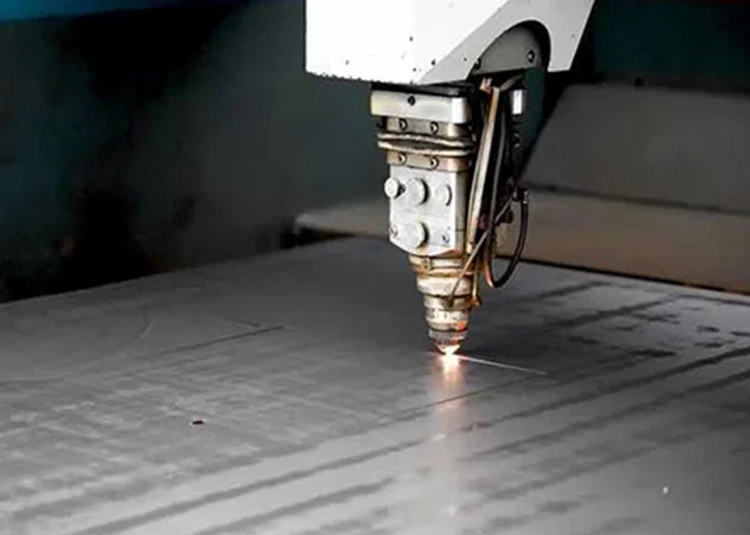
Use laser cutting tools. This ensures precise cuts. It is a clean cutting tool. The density of 304 stainless steel influences the cutting process. This tool uses 200W. It operates on thick steel. This keeps edges smooth. This makes samples good.
Surface Cleaning
Clean samples well. Use 70% isopropyl alcohol. This removes dirt. Cleaning also depends on the stainless steel density. Clean surfaces shine. It requires washing with a clean cloth. Those must be lint-free. This ensures no fibers. That makes samples ready.
Deburring Edges
Deburr sample edges. Use a fine file. This smooths sharp edges. It makes them safe. Deburring is affected by the density of stainless. The file is 150 grit. That makes edges smooth. It keeps samples even. This prevents injuries. Smooth edges are needed.
Weight Precision
Weigh samples precisely. Use a digital scale. This scale is accurate. This ensures exact weight. Weight precision is affected by 304 steel density. The scale measures 0.01g. That makes it reliable. This ensures correct data.
Uniform Shapes
Cut uniform shapes. Use a template. It makes one by one centimeter cubes. The density of 304 steel means it is important to be uniform. The template is steel. This helps with measurements. That ensures accuracy. This makes testing easy.
Standard Dimensions
Use standard dimensions. Cut 1×1 cm pieces. This ensures uniform size. The density of 304 stainless determines dimensionality. The pieces are 2mm in thickness. It makes them strong. These dimensions are standard. It ensures accurate testing.
Drying Samples
Dry the samples thoroughly. Use a drying oven. It heats to 100°C. This removes moisture. Stainless steel density in kg/m3 needs to be dried correctly. The oven dries evenly. It takes 1 hour. This makes samples ready. Dry samples are essential.
Removing Contaminants
Remove all contaminants. Use an ultrasonic cleaner. This device operates at 40 kHz. It removes dirt. Cleaning is a factor influenced by the weight of stainless steel. The cleaner uses water. It takes 5 minutes. This makes testing accurate.
Polishing Surfaces
Polish surfaces well. Use a polishing wheel. This tool smooths surfaces. Due to the high density of stainless steel in lb/in3, it requires polishing. The wheel spins fast. That removes scratches. Polished samples are needed.
Sample Labeling
Label samples correctly. Use a label maker. This tool is used to print clear labels. Labeling is influenced by the density of stainless steel in lb in3. The labels are adhesive. They stick well. This makes testing simple.
What Equipment Is Needed for Measuring the Density of Stainless Steel 304?
Measuring tools used assist in determining the density of stainless steel 304. This ensures that we arrive at the correct numbers.
Analytical Balance
Analytical balance determines weight with a very high degree of accuracy. This balance can be in terms of mg and µg. It informs us the weight of stainless steel. It is also necessary to determine the steel density in g/cm3. The balance can measure up to 220 grams. Always keep it calibrated. Wuxi Chengjiu Metal offers precise tools.
Pycnometer
With water, Pycnometer helps in determining volume. Use distilled water to fill it because the container needs to be accurate. This tool is used to check the density of stainless steel in gm cm3.
The volume is expressed in milliliters as represented by the symbol ml. It has to be accurate to the nearest 0.01 mm. This tool is more effective when used at room temperature. Avoid bubbles in water. Our stainless steel pipes are top-notch.
Density Kit
A density kit has a number of components. This kit aids in finding out the density of an object. It operates with an analytical balance. With this kit, the density of 18-8 stainless steel is determined.
The kit includes a beaker and a holder. These tools assist in the determination of liquid displacement. The measurements are in grams per cubic centimeters. Calibration is one of the key factors that determine good results. We provide various stainless steel products.
Calipers
Calipers measure size accurately. It displays readings in mm. Density of 316 stainless steel lb/in3 is essential for precision. They can measure length, width and height. The precision is 0.01 mm. It can measure a distance up to 150mm. Our company offers custom processing.
Graduated Cylinder
Graduated cylinder measures liquids. It displays volume in millilitre. This cylinder is used to verify the density of steel in lb/in3. It’s preferably to fill it with distilled water to get the best outcome.
The capacity of the graduation is 1 ml. This cylinder is capable of holding up to a 1000ml. Do not overfill.
Thermometer
Thermometer tells temperature. It depicts how hot or how cold it is, in degrees Celsius. Like other metals, the density of steel g/mm3 also varies with the variation in the temperature.
Accurate temperature can best be measured using digital thermometers. The precision is 0.1°C. This tool is operable from -50°C to 300°C. Always calibrate it.
Hygrometer
Hygrometer shows humidity levels. It tells us whether the air is humid or dry in %. For stainless steel 304, the steel density lb/in3 varies with humidity. Use digital hygrometers.
They are accurate to the nearest 0.1%. This tool is ranged from 0% to 100%. Calibrate it often. Wuxi Chengjiu Metal provides top metal solutions.
Vacuum Pump
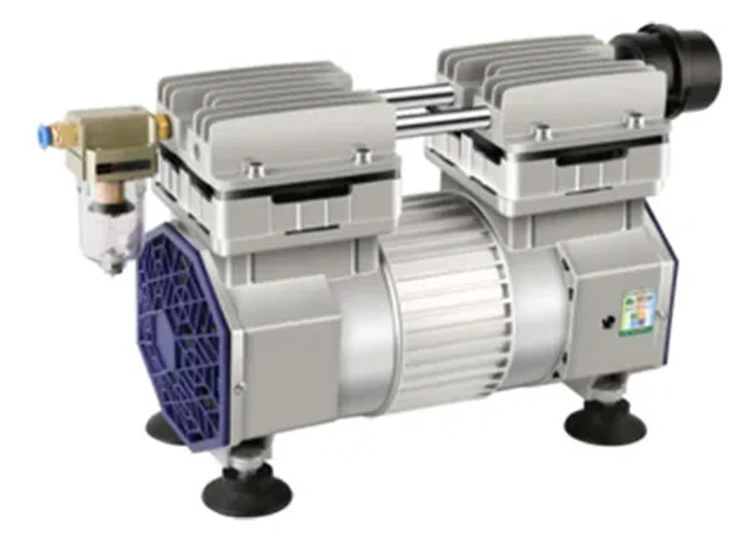
Vacuum pump removes air. It brings about an environment with no air. Therefore, the density of steel g mm3 should not have any air bubbles. There is an emphasis on the capacity of the pump. This tool operates at a vacuum pressure of -30 kPa. Always calibrate it first.
Beakers
Beakers hold liquids. They are used for tests. Steel density in g/cm3 has to be measured with precision. Beakers indicate volume in ml. The graduations are marked up to 5 ml. It is advisable to use different sizes. Beakers require frequent recalibration.
Distilled Water
Distilled water is defined as water that is free from impurities. We use it for the tests. The steel density lb in3 required pure water. The physical property of distilled water is that it has a density of 1 g/cm³. It is recommended to use it at room temperature. This water assists in making sure that we arrive at the correct outcomes.
Weight Standards
Weight standards are benchmark weights. They assist in calibrating our scales. Stainless steel 304 require accurate weight, specially the density of steel kg/mm3. These standards have quantified values. It has an accuracy of 0.0001 gram. Use them often for the best outcome.
Calibration Tools
Calibration tools ensure precision. Stainless steel 304 has a relatively high density, and it must be worked by precise tools. These tools provide reference values. They are very accurate.
To get the best of it, use them as frequently as possible. Precision tools are useful in maintaining calibration. Our company excels in metal processing.
How to Use a Pycnometer to Measure the Density of Stainless Steel 304?
A pycnometer measures volume and density with water. This is an entertaining way of teaching children about measurements.
Filling Pycnometer
Open the lid of the pycnometer and immerse it in water. Pipette 25 mL. It is density of steel in g cm3 what we are looking for. This container has a capacity of 50 mL. Wipe the outside dry.
Screw it tight to prevent the liquid from overflowing. Ensure it’s clean. The water temperature should be at 20°C. Verify no leaks. That is the final part of the filling step.
Measuring Liquid
To measure 20 mL of liquid, use a graduated cylinder. The density of steel in g/cm3 should be our focus here. This liquid should be at 25°C. The digital scale shows digits with precision. Double-check it to make sure. Write the volume in mL. Verify the measurement.
Sample Immersion
Insert the sample carefully into. However, to avoid this I recommend that you use a holder in order to keep it steady. Here, it has to do with density of steel imperial units.
Sample size is 10mm x 10mm x 10mm. Make sure it fully under. There should be no clear bubbles visible. These could have distorted readings. Check with a ruler. The level should be accurate. It aids in getting the right data.
Reading Meniscus
Take a closer look at the meniscus. Synchronize your eyes with the fluids. Density of steel lbs/in3 is an important factor to consider here. The nadir is what is wanted here.
This calls for the use of a magnifying glass to gain a better vision of the object in question. The liquid should be at a temperature of 25 °C. Check multiple times. This step avoids errors. Record the number.
Mass Recording
Place the sample on a scale and measure its weight. The density steel kg/mm3 requires specific mass and it should be grams. The digital scale helps. Record the number carefully.
First, make sure that the scale is at zero. This avoids mistakes. Repeat to confirm. Weight is required for making computations.
Temperature Control
Make sure the temperature is set to 25°C. This influences the density of steel kg mm3. Use a digital thermometer. It should match that of the sample and the liquid. Avoid changes. These can affect data. Monitor often. This ensures stability. The pycnometer should also be stable.
Volume Calculation
Determine volume by measuring liquid content. It is crucial to have the accurate volume of density steel g cm3. The pycnometer used has a capacity of 50 mL. Spill to a level, document it.
Position the sample, newly identified level. One has to subtract in order to find the volume. This method ensures precision. Verify with a ruler.
Density Formula
Apply the formula density = mass/volume. Density of steel in g/cm3 can be calculated in this manner. ρ means density. M is mass in grams. V is volume in mL. The formula is simple. Check mass and volume. They must be precise. Verify results with standards.
Calibration Steps
After that, use water to calibrate it. The density of steel kg/mm3 needs to be measured with precise instruments. Use 25°C de-ionized water. Measure its volume precisely.
Fill to a mark. Record the reading. Check against standards. Adjust if needed. This ensures accuracy. Calibrate before every use.
Air Bubble Removal
Pop bubbles by pressing lightly. To make density of steel imperial units clear, it requires clear liquid. If necessary, use the needle. No bubbles should remain. This ensures accurate volume. Check visually. Repeat to be sure. Verify no bubbles persist.
Liquid Displacement
Displacement should be measured by submerging the sample. Density of steel in g cm3 is measured this way. Note the initial level. Submerge fully. Record the new level. This method is accurate. Use 25°C liquid. Ensure no bubbles. Thus, the pycnometer must be steady.
Accurate Readings
Ensure readings are accurate. Use calibrated tools. This is what determines the density steel kg/mm3. Verify measurements twice. Record each number. Maintain 25°C temperature. Avoid bubbles. Consistency is key. Compare with standards. Use a digital scale.
What Is the Archimedes Principle in Measuring the Density of Stainless Steel 304?
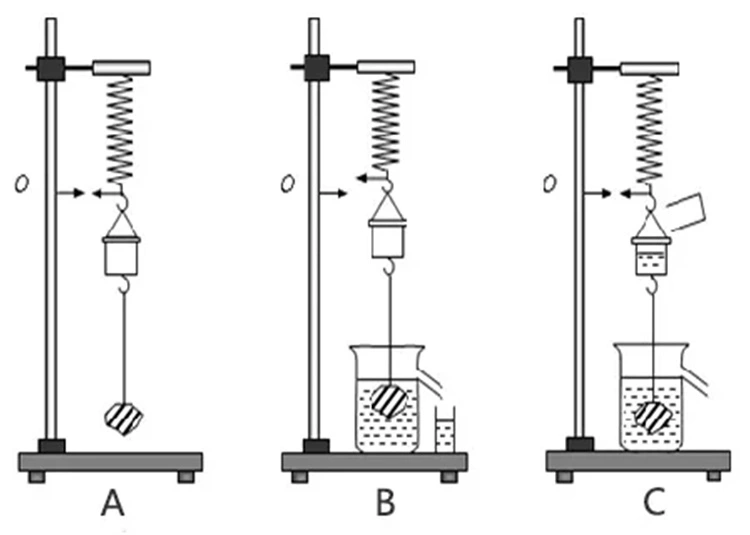
Archimedes’ principle assists in measuring density by observing the amount of water displaced by a certain piece. That’s like magic!
Buoyant Force
This force is responsible for making things float. It depends on the density of the liquid in that vessel. The density of stainless steel 304 cannot be overlooked. The density of steel in g/mm3 is also important. Take the weight of the unknown object using a scale. The force is measured in Newtons (N).
Water Displacement
Displacement of water is used in the determination of volume. Immerse the sample in water.
It will expel some amount of water out of the bowl. Use milliliters (mL) as the unit to measure the water. The density of aluminium in kg/mm3 differs. Use a graduated cylinder to get the most accurate measurement.
Immersed Sample
An immersed sample is placed in water. The density of stainless steel 304 is determined in this way. Calculate the amount of water displaced. This helps us find volume. Measure the sample in grams (g). Note the 304 stainless steel Young’s modulus if needed.
Weight Measurement
Weight measurement is an indication of the heaviness of an object or how much it weighs. The density of stainless steel 304 requires this. Measure the sample in grams (g). Use a digital scale. The weight assists in determining density. Ensure that the scale is accurate. Remember the steel density kg m3.
Density Calculation
Density calculation involves the division of weight by volume. The density of stainless steel 304 is determined this way. Use the formula: Density = Mass/Volume. Record the weight in grams (g).
Volume should be measured in milliliters (mL). Express density in grams per cubic centimeter (g/cm³). Know the carbon steel density lb/in3 too.
Floating Objects
An object that floats displaces water. The density of stainless steel 304 helps understand this. SS 304 mostly sinks. Compare it with floating things. Use materials with known density. This assists in reviewing our work. The density of steel lb/in3 varies.
Fluid Mechanics
Hydrodynamics deals with the flow of water and gases. The density of stainless steel 304 is part of this. Record the force in Newtons (N). Use milliliters (mL) for the volume measurement. Use the right units. Understand the melting point of SS 304.
Archimedes’ Law
Archimedes’ principle of buoyancy is about buoyancy. The density of stainless steel 304 is determined this manner. It says that buoyancy force is equal to the weight of the displaced water. Employ Newtons (N) for force. Use grams for weight. Know the SS 304 melting point too.
Submerged Volume
Hull volume is the part of the volume of the ship that is submerged. The density of stainless steel 304 is found this way. Submerge the sample fully. Measure the pushed water. Use milliliters (mL). This helps find volume. Weigh in grams (g). Convert 304 kg to lbs if needed.
Principle Application
Apply Archimedes’ principle well. The density of stainless steel 304 requires this. Measure pushed water. Calculate the force. Express force in Newtons (N) and volume in milliliters (mL). Record everything. Know 304 lbs to kg conversions.
Precise Readings
Precise readings are key. The density of stainless steel 304 requires this. Use good tools. Ensure that the tools are appropriate. Record all numbers. Note the 304 steel melting point.
Fluid Density
Fluid density is defined as the measure of mass of liquid. Use water’s density: 1 gram per cubic centimeter or 1 g/cm³. Quantify stainless steel 304 in grams (g). Ensure quantity is in milliliters (mL). Compare to aluminium density kg/mm3.
| Term | Units | Formula | Notes | Example Values |
| Buoyant Force | Newton (N) | F_b = ρ_fluid * V_submerged * g | Archimedes’ Law | 9.8 N (approx) |
| Water Displacement | Cubic cm (cm³) | V_displaced = V_object | Immersed Sample | 1 cm³ (example) |
| Immersed Sample | N/A | N/A | Weight Measurement | Stainless Steel 304 |
| Weight Measurement | Grams (g) | Weight_air – Weight_water | Precise Readings | 100g – 90g |
| Density Calculation | g/cm³ | Density = Mass / Volume | Fluid Density | 7.9 g/cm³ |
| Submerged Volume | Cubic cm (cm³) | V_submerged = V_displaced | Floating Objects | 12 cm³ (example) |
| Fluid Mechanics | N/A | N/A | Principle Application | Theory of fluids |
Table on What Is the Archimedes Principle in Measuring the Density of Stainless Steel 304!
How to Use a Density Kit with a Balance to Measure the Density of Stainless Steel 304?
A density kit and balance measures the density of stainless steel 304. It is like measuring with a scale and using a water tank.
Setup Balance
First of all, let us determine the balance. It should show 0.00 g. Check the battery, too. The balance reads in grams (g). The screen has to be clear. It is crucial to set density of stainless steel 304 accurately.
Adjust the balance feet. They keep it steady. Double-check everything. Density of carbon steel lb in3 and density of steel g ml are also important. Density of iron lb in3 must be considered.
Attach Kit
Now, hook up the density kit. It is composed of a holder and a pan. Use the screws. Make sure it’s tight. Density of stainless steel 304 requires the kit attached properly. This step stops wobbles.
Look at all parts. Stainless steel weight per cubic inch must be accurate. 304 stainless steel modulus of elasticity affects the setup.
Immersion Method
Move on to the immersion method after that. Take one beaker and pour some water into it. The water should be enough to cover the sample. Place the sample in the holder.
This method is used in density of stainless steel 304. Check no air bubbles. The sample must be completely wet. Density of iron lb/in3 should be noted. The melting point of 304 stainless steel is not needed here.
Sample Weighing
It is important to weigh the sample in the air. The balance shows mass in grams (g). Write this mass down. Weigh it once more in water. Density of stainless steel 304 uses both weights.
This helps find volume. Accurate weighing is key. The elastic modulus of stainless steel 304 is vital for precision.
Buoyancy Force
Buoyancy force is the upward force. The balance demonstrates this force. It’s in grams (g). Stainless steel 304 density required this information. The force can be used to find volume. Write it down. Density of carbon steel lb in3 is another comparison.
Temperature Effects
Maintain water temperature at 25°C. Use a thermometer. Heat affects the density of stainless steel 304. Record the temperature. Check often. Temperature affects accuracy. Density of steel g ml can change with temperature.
Calibration Steps
Calibrate the balance first. Use standard weights. Stainless steel 304 has a high density that requires accurate handling. The balance check can read correctly. Calibration keeps things accurate. Density of iron lb in3 should be verified.
Water Displacement
Measure the water displacement carefully. Measure 50ml of water in a graduated cylinder. This measure is used in density of stainless steel 304. Put the sample in.
The volume changes. The difference is the volume of the sample. Stainless steel weight per cubic inch is found this way.
Result Accuracy
Check all readings twice. The balance has a tare function. Write data right away. Avoid parallax error. Elastic modulus of stainless steel 304 must be checked for precision.
Data Recording
Record all data neatly. Records required for density of stainless steel 304 are good. Record the mass, buoyancy, and temperature. Logbook helps later. 304 stainless steel modulus of elasticity should be included.
Calculation Formula
Use this formula: Density = Mass/Volume. Mass is in grams (g). This formula is required to find the density of stainless steel 304. Volume is in cubic centimeters (cm³). Use a calculator. Check the units. Density of carbon steel lb in3 is another formula.
Kit Components
Consider all components of that kit. Density of stainless steel 304 needs all parts. Check they’re there. Missing parts cause errors. They have to replace worn out parts. Melting point of 304 stainless steel is not needed here.
How to Calculate the Density of Stainless Steel 304 from Mass and Volume?
Density can be determined as the ratio of weight and size. It is actually basic arithmetic that provides relevant information.
Density Formula
Another formula that applies to density is ρ = m/V. It defines density (ρ) in g cm⁻³. This incorporates mass (m) and volume (V). This is useful in determining the density of the substance in question.
Young’s modulus 304 stainless steel is also used in determining mass or volume density thereof. The result is given in grams per cubic centimeter (g/cm³).
Mass Measurement
It is recommended to measure mass with the help of a digital balance. It provides precise details of mass (m) in grams (g). Plug the value in the density formula. This ensures precise calculations.
The digital balance shows mass to 0.01g. Ensure it is calibrated. It helps in elimination of measurement error. It is critical to know the maximum density of steel g/ml.
Volume Determination
Volume (V) is quantified with dimensions. While it is possible to measure in millilitres, it is more accurate to use cm³ instead. The formula that can be used to calculate the volume of a cube is volume = side length to the power of 3. When it comes to a cylinder, the formula used is V = πr²h.
In particular, analysis of density has to do with the modulus of elasticity of 304 stainless steel. This provides the required information.
Calculation Steps
Follow these steps carefully. First, measure the mass (m) in grams. Second, determine the volume (V) in cubic centimeters. Third, apply the formula of density. It is ρ = m/V.
Ensure correct units throughout. Finally, check the result. In the process of production, the concentration of SS 304 tensile strength should be ensured to be consistent.
Example Calculations
Example: Mass = 50g, Volume = 20cm³. Employ ρ = m/V. This gives ρ = 50 / 20. Result is 2.5g/cm³. Density of Stainless Steel 304 in general has density 7.93g/cm³. Compare results for accuracy. Ensure correct measurement.
Measurement Precision
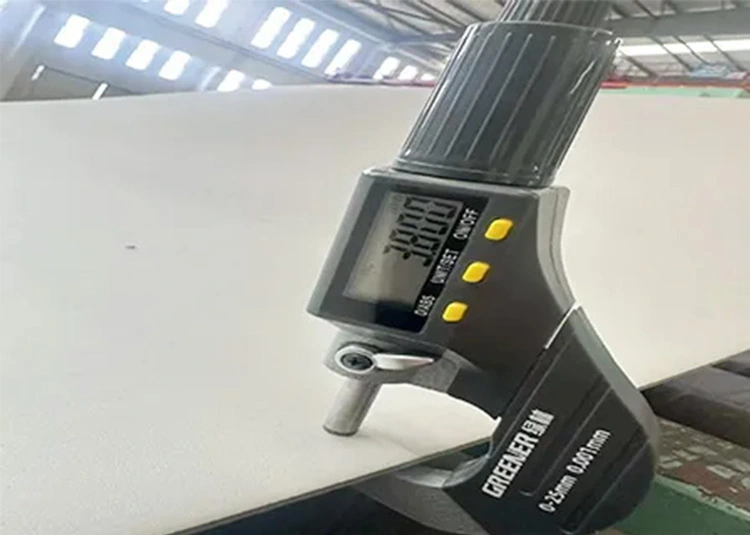
To a large extent, it is recommended to be as accurate as possible, especially in taking the measurements. Digital scales are used in measuring mass and they are known to provide results with a high degree of accuracy. The volumes are measured with the help of a vernier calipers.
Ensure readings to 0.01cm. It avoids errors. Thus, the thermal conductivity of 304 stainless steel totally depends on accurate information. This ensures reliable results.
Formula Application
Apply the formula correctly. Always be keen to include the appropriate units for mass (m) and volume (V). The calculation on the density of stainless steel 316 is accurate and suitable. The effectiveness of knowledge provides precise data. This is useful in engineering calculations.
Data Accuracy
Ensure data accuracy always. Use reliable measurement tools. You must cross-check the mass and volume. For the density of steel plate in kg/m³, literal values are required.
This ensures correct density. It can help avoid material property mistakes. The results are as good or as bad as the data collected.
Units Conversion
Convert units correctly. For example; use 1g = 1000mg. If the value is in cm³ then convert it to m³. Metal density chart kg m3 must be in the right unit. Conversion should be accurate as this would help in ensuring that the results obtained are accurate too.
Volume Formulas
Use correct volume formulas. For a sphere, the volume is given by V = (4/3) πr³. For a rectangular prism, the volume can be calculated from the formula V = lwh. Many AMC 12 formula sheet applications require accurate quantities. This ensures that the correct density result is obtained.
Mass Accuracy
Sustain a mass accuracy through the use of precision scales. It measures to 0.01g. Accurate mass is crucial. It plays a central role in the determination of the density of stainless steel 304. Verify mass readings consistently. This is especially so when it comes to engineering.
Calculation Tools
Ensure that the tools used for the computation are correct. Mass is measured by digital scales while volume is measured by Vernier calipers. Setting up the metal density chart g/cm3 has to be accurate. Use tools calibrated regularly. This ensures precise results. Accurate tools are crucial.
How to Interpret Results When Measuring the Density of Stainless Steel 304?
Knowledge acquired from measuring density aids producers to ensure that stainless steel 304 is right. Oh, that’s like solving a puzzle!
Data Analysis
It is interesting to find out the density of steel. Use a balance. Check with gram cubic centimeter to confirm the weight. Write each number. Change values often. These steps help to be correct. 304 stainless steel melting temperature is also essential.
Comparison Standards
Standards relate the density of steel with a standard density. ASTM E415 is one. Compare each result. This shows closeness. Update standards. They help stay correct. 304 stainless melting point is a key factor.
Result Consistency
To find the density of steel in lbs/ft3, be consistent. Use the same method. Measure many times. Use a digital scale. These results should be compared with tools. Keep small increases for instance adding 0.01 g/cm³. Formula of stainless steel helps in understanding properties.
Measurement Accuracy
When concerning the density of steel it is always important to pay attention to the level of precision. Use micrometers and scales. Calibrate tools often. Measure samples three times. Note the accuracy. Steel density kg/m3 is another unit of measure.
Standard Deviations
Standard Deviations depict the variability in the density of steel. Calculate for samples. Keep within ±0.02 g/cm³. These numbers check errors. Small errors mean high accuracy. Use tools. 304 stainless steel melting temperature should be noted.
Error Margins
Margins of error demonstrate reliability in the density of steel. Keep within ±0.01 g/cm³. Calculate with methods. Use accurate scales. Check calculations often. Density of steel varies by type.
Quality Assurance
They also include quality assurance, which gives a good measure of the density of steel. Follow ISO 9001. Calibrate equipment often. Verify with software. Document each step. Steel density kg/m3 is standardized.
Benchmark Values
Benchmark values are the indicators of the density of steel. Use high-precision tools. Compare results to benchmarks. Update benchmarks often. They help find errors. Formula of stainless steel can assist.
Reporting Findings
Therefore it is relevant to report on findings regarding the density of steel. Use standard formats. Include tables and graphs. Verify info. Document the details. 304 stainless melting point is critical.
Statistical Analysis
By using statistical analysis, one is able to determine pattern of density of steel. Use methods to confirm facts. Find mean density. Include error margins. Analyses show accuracy. Use software. Density of steel in lbs/ft3 is used in reports.
Conclusion
To measure the density of Stainless Steel 304, we require good tools. It assists in getting the right numbers. For further information, please visit ALLOYXPERT. This will assist in many projects.
There are many resources and tools available on the site. They ensure that we get the best outcomes.
Read More:
Does 304 Stainless Steel Bend Easily?