
Introduction
When it comes to selecting materials for high-performance applications, the debate of Inconel vs Hastelloy often arises. Both materials are well-regarded for their exceptional resistance to extreme environments, making them favorites in industries like aerospace, chemical processing, and marine engineering. But which one is better suited for your needs? In this article, we’ll dive deep into their properties, compare their strengths, and help you make an informed decision.
What Is Inconel?
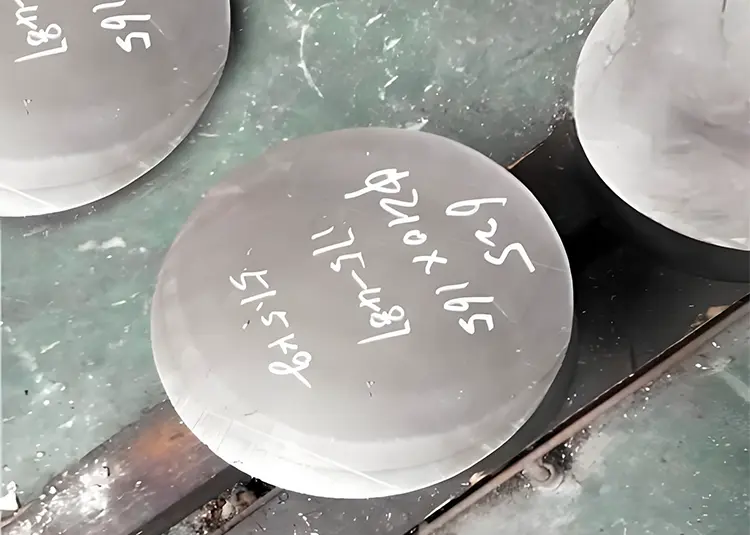
Inconel is a family of nickel-chromium-based alloys known for their exceptional resistance to oxidation, corrosion, and high temperatures. These alloys are widely used in industries that require materials to retain their strength and stability under extreme thermal and mechanical stress. Popular variants like Inconel 625 excel in high-stress environments, making them perfect for turbine blades, exhaust systems, and heat shields.
What Is Hastelloy?
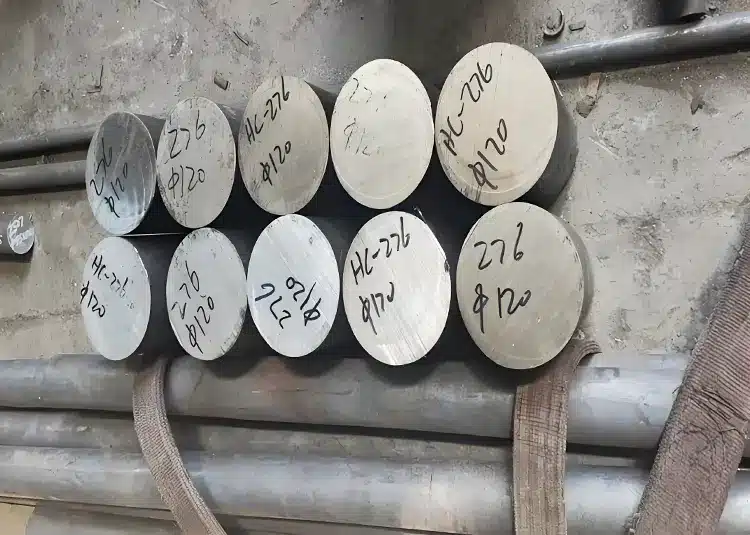
Hastelloy is a group of corrosion-resistant metal alloys primarily composed of nickel and molybdenum, with additional elements such as iron and cobalt. These alloys are specifically designed to withstand highly corrosive environments, including those involving strong acids and oxidizing agents. Common types like Hastelloy C276 are particularly notable for its resistance to pitting, crevice corrosion, and stress-corrosion cracking, ideal for reactors and heat exchangers.
What Are the Key Differences Between Inconel and Hastelloy?
The differences between Inconel and Hastelloy stem from their compositions, performance characteristics, and the environments where they excel. Inconel, a nickel-chromium alloy, excels in high-temperature and oxidative environments like jet engines and turbines. Hastelloy, a nickel-molybdenum alloy, offers superior corrosion resistance to strong acids, making it ideal for chemical processing.
Comparing Inconel vs Hastelloy Properties
Inconel Alloy vs Hastelloy Chemical Composition
The chemical makeup of Inconel and Hastelloy defines their strengths. Inconel, rich in nickel and chromium, excels in high-temperature environments with strong oxidation resistance. Hastelloy, with nickel and molybdenum, offers superior protection against acids.
| Element | Inconel (%) | Hastelloy (%) |
| Nickel (Ni) | 50-72 | 47-65 |
| Chromium (Cr) | 15-22 | 1-22 |
| Molybdenum (Mo) | 0-9 | 9-28 |
| Iron (Fe) | 0-10 | 2-6 |
| Cobalt (Co) | 0-1 | 1-3 |
| Tungsten (W) | 0-0.6 | 3-4 |
| Carbon (C) | 0-0.15 | 0-0.02 |
| Silicon (Si) | 0-1 | 0-1 |
| Manganese (Mn) | 0-1 | 0-1 |
| Phosphorus (P) | Trace | Trace |
| Sulfur (S) | Trace | Trace |
| Aluminium (Al) | 0-1 | – |
| Titanium (Ti) | 0-1 | – |
Physical Properties of Inconel vs Hastelloy
Inconel is lighter (8.2-8.5 g/cm³) than Hastelloy (8.6-9.2 g/cm³) and has a higher melting point, making it ideal for high-temperature applications. Inconel also has better thermal conductivity, while Hastelloy excels in electrical resistivity. These differences highlight Inconel’s strength in heat-intensive environments and Hastelloy’s focus on chemical and electrical resistance.
| Property | Inconel | Hastelloy |
| Density (g/cm³) | 8.2-8.5 | 8.6-9.2 |
| Melting Point (°F) | 2,300-2,500 | 2,100-2,300 |
| Tensile Strength (MPa) | 850-1,100 | 690-1,000 |
| Yield Strength (MPa) | 400-600 | 300-400 |
| Thermal Conductivity (W/m·K) | 11-15 | 9-12 |
| Electrical Resistivity (µΩ·cm) | 100-125 | 110-150 |
Corrosion Resistance Differences
Hastelloy outshines Inconel when it comes to resistance against aggressive chemical attacks. Its ability to withstand harsh acidic environments makes it indispensable in chemical processing. In contrast, Inconel performs well in oxidative and high-temperature environments but lacks Hastelloy’s resilience against specific acids.
| Property | Inconel | Hastelloy |
| Acid Resistance | Moderate (4-7 on scale) | Excellent (9-10 on scale) |
| Oxidation Resistance | Excellent (9-10 on scale) | Good (6-8 on scale) |
| Pitting Resistance | Moderate | High |
| Crevice Corrosion | Susceptible | Highly Resistant |
| Chloride Stress Cracking | Moderate Resistance | Excellent Resistance |
| Ideal Applications | Oxidative environments | Acidic and chemical environments |
Temperature Resistance Comparison
Inconel stands out for its ability to handle extreme heat. The melting temperature of inconel, ranging between 2,350°F and 2,460°F, allows it to maintain structural integrity and strength under intense thermal stress. This makes it ideal for aerospace, power plants, and other heat-intensive industries. Hastelloy, while durable, is not as effective as Inconel in ultra-high-temperature scenarios.
Inconel vs Hastelloy Hardness
Inconel typically offers greater tensile strength and hardness than Hastelloy, making it better suited for structural and mechanical applications under high stress. Hastelloy, while slightly softer, compensates with its superior flexibility in corrosive environments.
Application Comparison: Which is Better?
When choosing between Inconel and Hastelloy, it’s essential to compare their performance in various industries:
High-Temperature Applications
Inconel is the unmatched leader in high-temperature environments. Its ability to resist oxidation and maintain mechanical properties under extreme heat makes it indispensable in jet engines, gas turbines, and power plants. Hastelloy, while robust, lacks the thermal stability of Inconel and is less commonly used in such applications.
Corrosive Environments
Hastelloy is superior for handling highly corrosive environments, particularly in chemical plants and processing facilities. It is resistant to strong acids, such as hydrochloric and sulfuric acid, making it the ideal choice for reactors, heat exchangers, and chemical piping. In these scenarios, Inconel would not perform as effectively over time.
Marine Engineering
Both Inconel and Hastelloy are used in marine applications, but their strengths differ. Inconel is often chosen for components exposed to high temperatures and oxidation, such as ship exhaust systems. Hastelloy, however, is preferred for parts continuously in contact with seawater, thanks to its superior pitting and crevice corrosion resistance.
Inconel vs Hastelloy Machining
Machining both Inconel and Hastelloy can be difficult due to their toughness and resistance to deformation, but there are notable differences.
Inconel Machining
Inconel is harder to machine due to its high tensile strength and ability to retain heat during machining. This requires specialized cutting tools, high-speed machining techniques, and efficient coolant systems to prevent tool wear and thermal damage. However, these efforts are justified in applications where precision is critical, such as aerospace components.
Hastelloy Machining
Hastelloy, while tough, is slightly easier to machine compared to Inconel. Its relatively lower hardness means less tool wear, but carbide tools with sharp edges are still recommended. Machining Hastelloy is common in manufacturing custom parts for chemical plants, such as valves and heat exchangers.
Cost Considerations: Inconel vs Hastelloy Price
The cost of these alloys varies significantly based on their properties and intended use. In general, Inconel is more expensive due to its superior high-temperature resistance and strength. For instance, when comparing Inconel 625 price vs Hastelloy C276, Inconel 625 is generally more expensive due to its high-performance capabilities in extreme heat and stress conditions. Hastelloy C276, designed for exceptional corrosion resistance, offers a more cost-effective option for chemical processing applications.
How to Choose Between Inconel and Hastelloy?
Choosing the right alloy depends on your specific requirements. If your application involves:
- High-temperature environmentsor oxidative stress, Inconel is the best option. Its stability and strength in extreme conditions make it a reliable choice for aerospace, power generation, and marine engineering.
- Corrosive environmentswith exposure to strong acids or chemical agents, Hastelloy is the better choice. Its superior corrosion resistance ensures long-lasting performance in chemical plants and marine applications.
By carefully evaluating your application needs and balancing cost considerations, you can make an informed decision to select the alloy that best fits your industry.
Conclusion
The choice between Inconel alloy vs Hastelloy boils down to your application’s requirements. Inconel is the top pick for high-temperature, high-stress scenarios, while Hastelloy shines in environments requiring exceptional chemical resistance. Evaluate factors like Inconel vs Hastelloy price, hardness, and performance under specific conditions to make an informed decision. With this guide, you’re now equipped to select the material that best meets your industrial needs.
Read More:
Inconel vs Monel: A Comprehensive Comparison Guide
Monel vs Hastelloy: A Complete Guide to Key Differences
Inconel vs Stainless Steel: Which is Stronger for Your Project?