
Introduction
Inconel metal is a top choice for industries that face extreme conditions. Its unmatched resilience and versatility make it suitable for high-performance applications across the globe.
Inconel is a family of nickel-based superalloys designed to handle the harshest environments. It resists oxidation, heat, and chemical corrosion, making it ideal for aerospace, marine, and chemical industries. Grades like Inconel 625 and 718 are widely used in applications such as jet engines, turbines, and deep-sea equipment. This alloy is trusted where performance under stress matters most.
Let’s break down what makes Inconel unique and explore its properties, uses, and advantages.
What is Inconel?
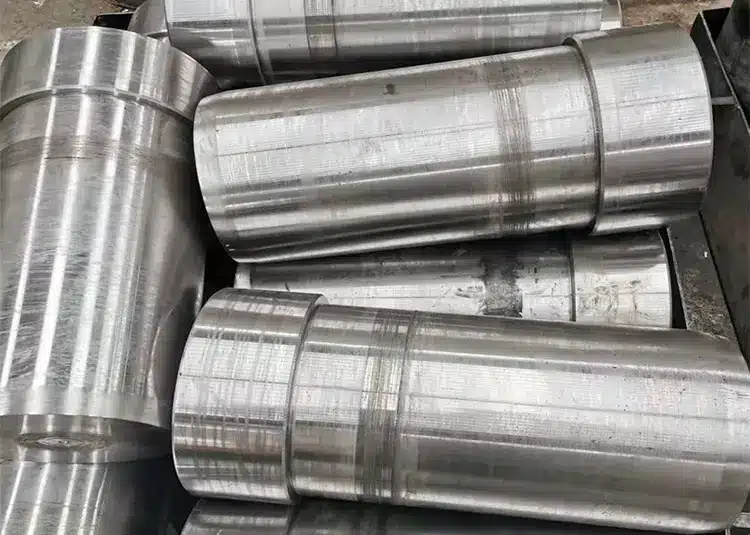
Inconel is a nickel-chromium alloy designed to resist heat and corrosion while maintaining its mechanical properties. Unlike standard materials, Inconel doesn’t lose strength when exposed to extreme conditions. This makes it ideal for applications in high-temperature and high-pressure environments such as turbines, exhaust systems, and chemical reactors.
The secret behind Inconel’s performance lies in its composition. The nickel provides corrosion resistance, while chromium adds strength and oxidation resistance. Additional elements like molybdenum and iron enhance specific properties, making Inconel suitable for highly specialized applications.
What Are the Types of Inconel Alloys?
The range of Inconel-type alloys is quite extensive. Each Inconel metal is tailored to meet specific industrial needs. Below are the most widely used grades:
Inconel 600
This is one of the original Inconel alloys, prized for its oxidation and corrosion resistance in high-temperature environments. It is widely used in chemical processing, nuclear reactors, and heat exchangers.
Inconel 601
Known for its exceptional oxidation resistance, Inconel 601 is perfect for industrial heating equipment, gas turbines, and furnace components. It also offers excellent mechanical properties at elevated temperatures.
Inconel 617
This alloy combines high-temperature strength with resistance to oxidation and carburization. It is commonly used in aerospace applications and gas turbines.
Inconel 625
The most versatile of all Inconel alloys, 625 is used in marine engineering, chemical processing, and aerospace industries. Its resistance to pitting, crevice corrosion, and stress corrosion cracking sets it apart.
Inconel 690
Designed for resistance to high-temperature corrosion, Inconel 690 is commonly found in nuclear reactors, where long-term stability is critical.
Inconel 718
This grade is known for its exceptional weldability and high strength under extreme temperatures. It is a favorite in the aerospace industry for turbines and jet engines.
Inconel 738
A superalloy designed for power generation, it offers excellent creep and oxidation resistance, making it reliable for long-term use in turbines.
Inconel 939
This alloy is tailored for casting applications, offering stability and resistance to high-temperature environments.
Inconel X-750
Inconel X-750 excels in springs and components under extreme stress. It’s widely used in nuclear power plants and aerospace applications.
How Is Inconel Metal Processed?
Processing Inconel metal involves several critical steps to ensure its performance remains reliable in extreme conditions. Each process is tailored to the alloy’s specific properties.
Melting and Alloying
- Vacuum Induction Melting (VIM): Inconel processing starts by melting the raw materials using Vacuum Induction Melting. This method melts the alloy in a vacuum to avoid contamination, ensuring a uniform mixture.
- Vacuum Arc Remelting (VAR): After VIM, Vacuum Arc Remelting is used to further purify the alloy. VAR removes impurities and improves the metal’s structure and strength.
Casting
- Investment Casting: The refined alloy is then cast using Investment Casting. This technique uses ceramic molds to create precise and complex shapes, ideal for high-quality parts.
- Sand Casting: For larger or simpler parts, Sand Casting is used. Molten Inconel is poured into sand molds, which cool and harden to form the desired shape.
Hot Working
- Forging: Hot Working involves shaping the metal at high temperatures through forging. This process improves the metal’s strength and durability by refining its grain structure.
- Rolling: Rolling is another Hot Working method that produces sheets, plates, and bars. Controlled temperatures during rolling prevent cracking and ensure consistent thickness.
Cold Working
- Drawing and Extrusion: After hot working, Cold Working processes like Drawing and Extrusion form wires, tubes, and other profiles. These methods increase the metal’s strength through work hardening.
- Stamping and Forming: Stamping and Forming shape Inconel components at room temperature. Due to Inconel’s high strength, powerful equipment is required for these processes.
Heat Treatment
- Solution Annealing: Heat Treatment starts with Solution Annealing, where the alloy is heated and then quickly cooled. This process removes internal stresses and improves ductility.
- Age Hardening (Precipitation Hardening): Next is Age Hardening, which involves heating the alloy at lower temperatures for a longer time. This increases the metal’s strength by forming precipitates within its structure.
Machining
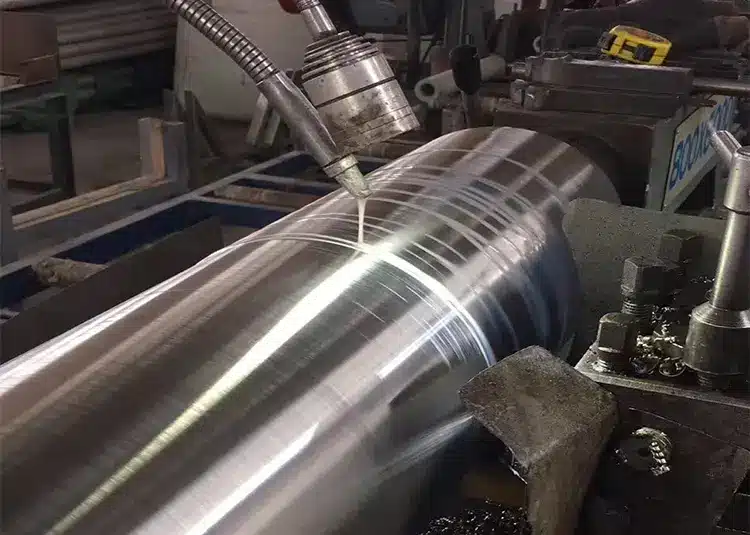
- Challenges: Machining Inconel is tough because it is hard and tends to harden when worked. Special techniques and tools are needed to cut and shape it effectively.
- Techniques: Effective machining uses rigid tooling with carbide or ceramic inserts. Low cutting speeds and high feed rates help manage the material’s hardness and reduce tool wear.
- Cooling: Proper cooling is essential during machining to remove heat. Plenty of cutting fluids are used to protect the tools and achieve precise finishes.
Welding
- Methods: Welding Inconel typically uses Gas Tungsten Arc Welding (GTAW/TIG) and Gas Metal Arc Welding (GMAW/MIG). These methods provide the control needed for high-quality welds.
- Considerations: Preheating may be required to prevent cracking. Filler materials that match the base Inconel alloy are used to maintain consistent properties in the welds.
Surface Treatments
- Grinding and Polishing: Surface Treatments like Grinding and Polishing create smooth finishes and remove any surface flaws. These processes are important for parts that need precise dimensions or a clean appearance.
- Coatings: Additional Coatings can be applied to enhance corrosion resistance or provide other surface properties. Coatings are especially useful for Inconel parts exposed to harsh environments.
Quality Control and Testing
- Non-Destructive Testing (NDT): Quality Control includes Non-Destructive Testing methods such as ultrasonic testing, radiography, and dye penetrant inspections to find defects without damaging the material.
- Mechanical Testing: Mechanical Testing, including tensile and hardness tests, ensures that Inconel meets the required strength and durability standards.
- Chemical Analysis: Chemical Analysis verifies the alloy composition, making sure the Inconel meets the exact specifications needed for its applications.
Key Considerations
Processing Inconel metal involves several important factors. High Temperature Processing is needed to prevent cracking and ensure the metal can be worked effectively. Tool Wear is a major issue during machining because Inconel is very hard, so using high-quality tools is crucial. Additionally, Expertise Required is essential, as specialized knowledge is necessary to handle the challenges of working with Inconel.
What Are the Characteristics of Inconel Metals?
- Strength and Durability
- Corrosion and Oxidation Resistance
- High-Temperature Stability
- Weldability
- Magnetic Properties
What Are the Inconel Properties?
Inconel Metal Chemical Composition
| Element | Typical Content (% by Weight) |
| Nickel (Ni) | 50–72 |
| Chromium (Cr) | 14–23 |
| Iron (Fe) | 5–10 |
| Molybdenum (Mo) | 2–10 |
| Cobalt (Co) | 1–5 |
| Titanium (Ti) | 0.5–3 |
| Aluminum (Al) | 0.4–1.2 |
| Carbon (C) | 0.05–0.15 |
| Manganese (Mn) | 0.2–1 |
| Silicon (Si) | 0.2–0.75 |
| Copper (Cu) | 0.2–0.5 |
| Niobium (Nb) | 3–5 |
Inconel Metal Mechanical Properties
| Property | Value |
| Tensile Strength | 700 MPa to 1,300 MPa |
| Yield Strength | 250 MPa to 1,100 MPa |
| Creep Strength | 150 MPa to 450 MPa (at 700°C) |
| Fatigue Strength | 500 MPa to 1,000 MPa |
| Elongation at Break | 30% to 50% |
| Hardness | 85 HRB to 45 HRC |
| Modulus of Elasticity | 200 GPa |
Inconel Metal Corrosion Resistance
| Corrosion Type | Resistance |
| Oxidation | Excellent up to 1,000°C (1,832°F) |
| Stress Corrosion Cracking | Highly resistant in chlorides and acids |
| Pitting Corrosion | Highly resistant, especially in marine environments |
| Crevice Corrosion | Strong resistance, especially in seawater and chemical processing |
| Sulphuric Acid Corrosion | Moderate to high resistance depending on alloy grade |
Inconel Metal Thermal Conductivity
| Property | Value |
| Thermal Conductivity | 10–30 W/m·K |
| Max Operating Temperature | Up to 1,000°C (1,832°F) |
| Coefficient of Thermal Expansion | 13–15 µm/m·°C |
| Heat Capacity | 450–500 J/kg·K |
Inconel Metal Machining
| Machining Process | Recommended Tools/Methods |
| Cutting | Carbide or ceramic tools, high cutting speed |
| Drilling | Use carbide drills, slow feed rate |
| Tapping | Carbide or high-speed steel taps, slow speed |
| Grinding | Use of diamond abrasives |
| Surface Finish | Requires rigid setups and cooling agents |
For more detailed tips on Inconel machining, check out Inconel Machining Tips, Tools, Costs & Challenges.
Inconel Metal Welding
| Welding Process | Common Techniques |
| TIG (Tungsten Inert Gas) | Precision welding for thin sections |
| MIG (Metal Inert Gas) | Suitable for thicker materials |
| Shielding Gas | Argon or helium |
| Preheating | Necessary for thicker sections (>5mm) |
| Post-Weld Heat Treatment | Stress relief and stabilization of the weld |
If you need additional insights on welding Inconel, explore our full guide on Inconel Welding Tips for expert advice.
What Are the Advantages and Disadvantages of Inconel Metals?
Inconel alloys offer many benefits, but they also come with some challenges. Here’s a quick breakdown:
Advantages
- Withstand Heat: Resist temperatures over 1,000°C (1,832°F) without losing strength, making them ideal for high-heat applications like aerospace and power generation.
- Resist Corrosion: Perform exceptionally well in harsh environments like chemicals, seawater, and high-temperature reactors due to their high resistance to oxidation and corrosion.
- Maintain Strength and Durability: Retain their mechanical strength under stress and heat, ensuring long-lasting performance in critical components like turbines and engines.
- Offer Versatility: Come in various grades, making them suitable for a wide range of industries, including aerospace, marine, and chemical processing.
- Last Long: Remain durable in demanding environments, such as gas turbines and exhaust systems, without significant degradation.
Disadvantages
- Cost More: Be more expensive than alternatives like stainless steel, which may limit their use in cost-sensitive projects.
- Require Special Machining: Be tough to machine, requiring specialised tools and techniques, which increases production time and costs.
- Pose Welding Challenges: Be difficult to weld due to their tendency to crack under heat, requiring preheating and post-weld treatments to ensure strong joints.
- Transfer Heat Poorly: Have lower thermal conductivity compared to metals like copper or aluminium, though this is typically not an issue in high-temperature applications.
- Require Special Handling: Be hard to handle and machine, necessitating the use of specialised equipment and processes.
What is Inconel Metal Used For?
- Marine and Offshore Applications
- Aerospace Applications
- Automotive Applications
- Chemical Processing
- Food Processing
- Power Generation and Industrial Applications
- Pharmaceutical and Medical Equipment

How Does Inconel Metal Compare to Other Metals?
Inconel vs Stainless Steel
Inconel performs better than stainless steel in high-temperature environments. It can handle temperatures above 1,000°C (1,832°F), while stainless steel typically struggles at temperatures over 500°C (932°F). Both materials are corrosion-resistant, but Inconel offers better protection in extreme environments, especially with high-temperature oxidation. However, Inconel is more expensive than stainless steel.
If you’re looking for a detailed comparison between Inconel and stainless steel, take a look at our Inconel vs Stainless Steel guide.
Inconel vs. Monel
Monel is great for marine and chloride environments, but Inconel performs better in high-temperature settings. Inconel can withstand much higher temperatures without degrading, while Monel is limited to around 500°C (932°F). Monel is also cheaper than Inconel, making it more cost-effective for applications where heat resistance isn’t as critical.
For a deeper dive into how these two metals compare, check out our Inconel vs Monel Comprehensive Comparison Guide.
Inconel vs Hastelloy
Hastelloy is superior in highly corrosive environments, especially with acids, while Inconel is better for high-temperature applications. Inconel withstands extreme heat, making it the preferred choice for gas turbines and aerospace applications. Though both alloys are expensive, Inconel is usually more cost-effective in high-temperature applications.
Learn more about the differences in this Inconel vs Hastelloy comparison.
Inconel vs Incoloy
Incoloy is cheaper and provides good heat and corrosion resistance, but Inconel is far superior when it comes to extreme heat resistance and performance in high-stress environments. Incoloy is a more affordable option for less demanding applications, while Inconel is better for those requiring long-term durability in extreme conditions.
For a complete breakdown of how Inconel compares to Incoloy, visit the Inconel vs Incoloy comparison guide.
Tips for Selecting the Best Inconel Metal
Choosing the right Inconel superalloy depends on your specific needs.
First, consider the temperature resistance required for your application. If the material will face extreme heat, alloys like Inconel 718 or Inconel 625 are ideal. For less demanding temperatures, Inconel 600 may be a better option.
Next, think about corrosion resistance. If your project is in a chemical or marine environment, you’ll need alloys like Inconel 625 or Inconel 690 that offer strong protection against corrosion.
You should also consider the mechanical stress the alloy will endure. Alloys like Inconel 718 or Inconel 738 are well-suited for high-stress applications, offering excellent strength and resistance to wear.
The application itself is another key factor. Inconel 718 is commonly used in aerospace due to its weldability, while Inconel 939 is great for high-temperature casting in power generation.
Finally, be mindful of cost and availability. Inconel alloys can be expensive, so it’s important to consider your budget and choose the material that best fits your requirements.
For a more detailed guide on selecting the right Inconel alloy, take a look at How to Choose the Right Inconel Alloy.
Conclusion
Inconel metal is what you can count on in tough conditions. Its unique properties make it essential in aerospace, marine, and chemical industries. Whether you need durability, heat resistance, or corrosion protection, Inconel delivers. If you need help selecting the right Inconel alloy, feel free to contact Alloyxpert for expert guidance.
FAQs
Is Inconel stronger than titanium?
Yes, Inconel is stronger than titanium at high temperatures. It’s designed to perform in extreme heat, making it ideal for applications like jet engines. Titanium is strong but more suitable for lightweight applications, like aerospace and medical implants.
Does Inconel rust in water?
No, Inconel does not rust in water. It’s highly resistant to corrosion, especially in water and harsh environments like seawater and chemicals.
What material is similar to Inconel?
Materials similar to Inconel include Hastelloy, Monel, and Incoloy. These alloys also offer high heat and corrosion resistance but have different strengths based on the specific application.